On this day: Australia switches from pounds to dollars


ON THE MORNING of 14 February 1966, Australia’s shops, banks and ticket offices opened their doors and ushered in the age of decimal currency. Curious citizens formed long queues to exchange their pounds and pennies for brand-new dollars and cents.

Changeover Day, or ‘C-Day’, went off without a hitch The Sydney Morning Herald reported; “The smoothness of the change, the efficiency of business people and the good humour of the public delighted Decimal Currency Board officials”. Perhaps the biggest hiccup came with six-year-old Kim Taylor, who became the first Australian child to swallow a decimal coin.

The decision to change from the awkward and unwieldy system of pounds, shillings and pennies had been a long-time coming. The idea of a decimal currency – that is, a system based on the number 10 – had been brewing for over 100 years, but Mother England put her foot down: pounds and the base-12 system were a proud tradition.

That is, until Robert Menzies made an election promise in 1958 to seriously consider decimalisation. The argument for switching was simple: under the Imperial system, one Australian pound was divided into 20 shillings, which in turn was comprised of 12 pence each. This made financial transactions slower and more complicated.

“The economic benefits had become undeniable,” says Peter Rees, author of Inside the Vault: The History and Art of Australian Coinage. “It would be simpler for Australian trade. There were only a handful of non-decimal countries, so it made sense economically.”

It would also make the everyday shoppers’ life substantially easier. Remember, this was before tills could add up for you, so all addition had to be figured out mentally. Give it a go: let’s say you are buying four pounds of potatoes, which cost three shillings and 11 pence per pound. How much do you pay in total? You probably need a pen and paper to figure this out (the answer is 15 shillings and eight pence).

Both currencies could be used during the transition period; here, the cost of the soft toy is shown in both dollars and shillings. (Credit: National Archives of Australia)

Royal vs. dollar: a naming controversy

The only argument for actually keeping the pound centred on the nation’s symbolic kinship with Britain. Menzies, a staunch monarchist, had a solution: he believed the new currency should be named the ‘royal’.

The Currency Act 1963 set ‘C-Day’ for 14 February 1966, followed by a two year transition period where both pounds and dollars could be used. A competition to crowdsource a name for the new currency was launched, attracting thousands of creative suggestions. Neither ‘Coiny McCoinface’ nor ‘Dollarydoos’ were submitted, but the suggestions did encompass some quintessential Australiana: Boomer, Roo, Digger, Oz, Austral, Kanga, Dinkum and even Ming (Menzies’ nickname).

Menzies overruled these ideas in favour of ‘royal’, to the great dismay of the public. His choice proved so overwhelmingly unpopular that the Government had to backtrack a few months later. “The correspondence of politicians at the time shows they were horrified at the backlash,” says Peter. Indeed, then-treasurer Harold Holt called it “a terrible mistake”. The name ‘dollar’ was chosen instead – a great relief for the Australian people.

Coins and banknotes for a new Australia

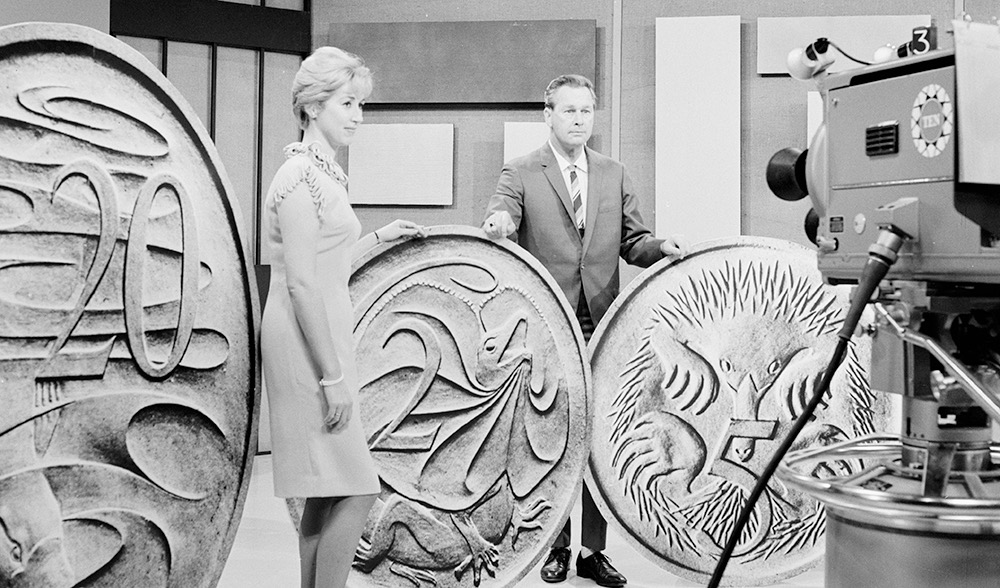
New notes and coins were designed. Coins featured Australian wildlife, while notes reflected Australia’s history and contributions to the world. In preparation for the big switch, a stockpile of one billion coins was minted and transported all over Australia by police-escorted trucks in ‘Operation Fastbuck’. Bank machinery, parking meters, cash registers and petrol pumps all had to be converted.

Meanwhile, a large-scale public awareness campaign brought cartoon Dollar Bill to the fore of every Australian’s mind. With a catchy jingle based on ‘Click go the shears’, Dollar Bill reassured and educated the masses about the incoming decimal system. The campaign worked a charm, according to Peter, “There wasn’t really any resistance. People took to it very quickly and there was a general air of optimism and positivity”.

The cartoon character Dollar Bill helped Australians learn about the new decimal system. (Credit: NFSA Films/YouTube)


Throughout the two-year phasing-out period, citizens could use either the old or new currency to pay for goods and services, and any change they received would be dollars and cents. A conversion rate was set: £1 was equivalent to $2. The Reserve Bank gradually withdrew the old money, while some of the old coins were recycled to make new ones by the Royal Australian Mint.

The adoption of a decimal currency was about more than just finances – it also reflected Australia’s developing identity. “The change evoked the spirit of the 60s and the self-confidence of emerging post-war Australia,” says Peter. “The designs captured Australia’s imagination and reflected a growing awareness that we had our own interesting wildlife and history.”

After C-Day, Australia’s logistical and PR success in decimalisation had far-reaching effects. “The changeover was so successful that Australia’s preparation efforts formed the basis of public education campaigns in Britain and New Zealand, who had also been flirting with the idea of decimalisation,” explains Peter. It also paved the way for metrification in the 1970s – that is, the official conversion of measurements from the imperial system (ounces, inches) to the metric system (grams, metres).

There is perhaps only one loss resulting from this momentous day: the coin in the Christmas pudding. It was a long-standing tradition to bake a silver coin into the pudding, which brought luck to whoever found it in their serving. Cooking the new-fangled coins turned them a ghastly green, thanks to their copper and nickel content.
Adele honors the late George Michael at The 59th Grammy Awards 2017

Everyone knew that the 59th Annual Grammy Awards’ tribute to George Michael, who died on Christmas Day last year at age 53, would be one of the most talked-about moments of Sunday’s ceremony. However, no one could have expected exactly why this performance would be so newsworthy.

Grammy producers had kept the tribute’s performer under wraps, and speculation had run rampant that it might be Elton John or even another past Michael duet partner, Aretha Franklin. So it was a surprise when Adele, who’d already opened the show with her own Record/Song of the Year-winner, “Hello,” appeared onstage, alone and dressed all in black. Additionally, Adele was singing not, say, “Careless Whisper” or “Praying for Time,” but the lesser-known “Fastlove” from Michael’s 1996 album, Older — a dance track, now reimagined as a funereal dirge.

However, it wasn’t the choice of performer or song that was notable. It was the fact that an emotional, frustrated Adele stopped the tribute midway through — and dropped a couple of swear words live on the air — after her performance started off-key.

“I know what it’s like to be [s***]. I can’t do it again like last year,” she said, referring to her infamously imperfect, technical-difficulty-laden “All I Ask” performance at the 2016 Grammys. “I’m sorry for swearing, and I’m sorry for starting again. Can we please start it again? I’m sorry, I can’t mess this up for him. I’m sorry. I can’t. I’m sorry for swearing. I’m really sorry.” She then offered her teary apologies to the show’s producer, Ken Ehrlich — “I’m sorry, Ken” — before muttering the F-word under her breath.

Adele composed herself quickly, and valiantly made it through her second performance without a hitch, receiving a standing ovation from the supportive, misty-eyed audience.

However, the performance wasn’t quite the tribute that George Michael, the 1989 Grammy winner for Album of the Year, truly deserved. Of course, it was understandable, after the backlash that Lady Gaga’s glitzy, Vegas-y, fussy David Bowie medley received last year, that this year’s Grammys would feature simpler, more somber tributes — but the slowed-to-a-crawl, sad “Fastlove” arrangement, coupled with Adele’s obvious sadness, contrasted awkwardly with the production’s cheery video-screened images of Michael dancing in a “Choose Life” T-shirt or his cheeky “Outside” music video.

Still, no one could blame Adele for getting choked up — or for wanting to make her Michael homage as perfect as possible, even if that required a second take. Later, when accepting her Song of the Year Grammy onstage, she said, “I really do apologize for swearing. George Michael, I love him. He means a lot to me. So I’m really sorry if I offended anyone, anywhere.”

Biggest peace-time evacuation of Thessaloniki city completed – video

https://youtu.be/JH3IqBppVfA

The Army had initially estimated that the bomb weighed 500 pounds (227 kilograms). Officials said it was 1.5 meters (5 feet) long.

The bomb will be either detonated or dismantled at the firing range, Fanios said. He added that similar bombs had been found in previous years near the Macedonia Airport east of the city, but, with the area being mostly open fields, no large scale evacuation had been deemed necessary.

Sunday’s evacuation started at 7 a.m., with police went house-to-house ringing bells and knocking on doors to remind people to leave.

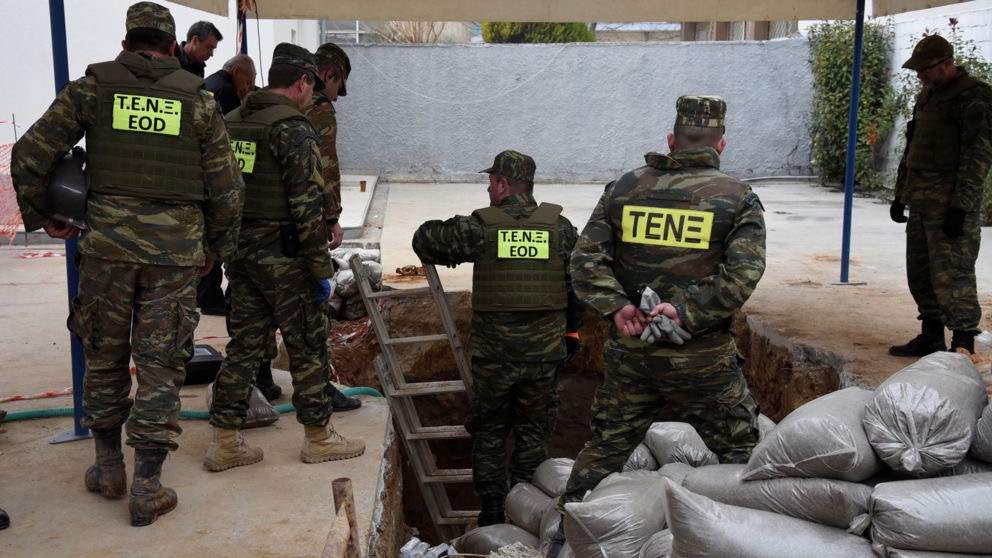
Bomb disposal experts started work at 11.30 a.m., 90 minutes later than planned, but defused the bomb in only 30 minutes, Central Macedonia governor Apostolos Tzizikostas announced.

Calling the operation “a total success,” he said it was the largest peacetime population evacuation in Greece and estimated it involved 70,000 people.

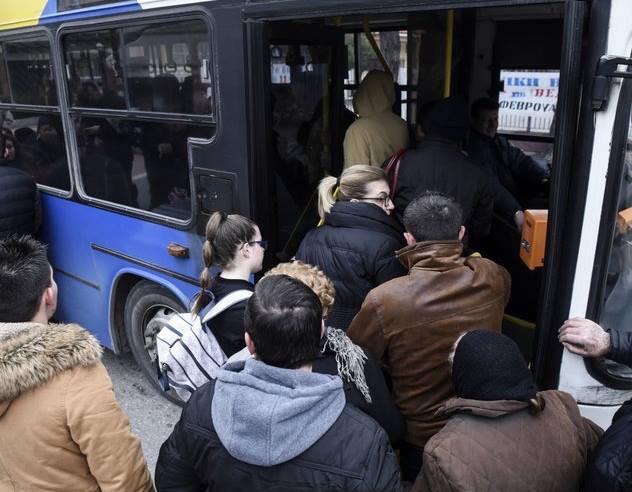
Many people left the area in their cars, but some were bused to schools and sports halls elsewhere in the city.

“We heard on TV that, if the bomb explodes, it will be like a strong earthquake,” Michalis Papanos, 71, told The Associated Press as he and his wife, Yiannoula, headed out of their home.

Alexander Bogdani and his wife, Anna Bokonozi, left on foot, pushing a stroller with their toddler daughter.

“We are afraid for the child,” Bogdani said.

The city’s main bus station was shut down, trains in the area were halted and churches canceled Sunday services. The city also booked a 175-room hotel where people with limited mobility were taken on Saturday.

Among the evacuees were 450 refugees staying at a former factory who were bused to visit the city’s archaeological museum.

One resident recalled the day the bomb fell.

“The bombing was done by English and American planes on Sept. 17, 1944. It was Sunday lunchtime,” said Giorgos Gerasimou, 86, whose home is half a mile away from the bomb site.

He said the Allies were targeting local German rail facilities. He remembers the day clearly because one of his 10 -year-old friends was killed in the bombing.

Nazi Germany occupied Greece from 1941 until October 1944.

—–

The biggest evacuation plan in peacetime in Greece is underway. Six bomb squat specialists are to remove the bomb’s detonator and then the WWII bomb which was found in the Kordelios area in Thessaloniki. The WWII bomb will then be carried away from the area.

The whole operation is set to start on Sunday at 10 am.

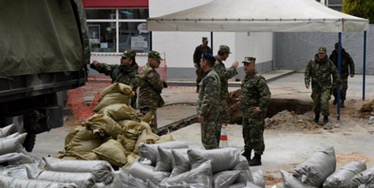
Already the Landmine Clearing Squat has built an embankment around the area where the bomb was found. Meanwhile the authorities have evacuated some 72,000 residents from their homes.

The bomb was buried for almost 74 years in the west of Thessaloniki and was dropped by accident by the allied forces back in 1943. Allied forces had made a mistake and dropped bombs in the area killing around 500 civilians.

The Landmine Clearing Squat has removed about 23,000 missiles of various calibres during the works of the natural gas pipeline in the city. Also 14 bombs were neutralised during the widening of the Macedonia airport runway.

The whole operation is expected to last from 6 to 8 hours with the bomb carried out to a shooting practice field where the bomb will be detonated under controlled circumstances.

The mayor of Evosmos-Kordelios, Petros Soulas said that the evacuation is mandatory as it is for the safety of the civilians. He also said that the army and police will guard the resident’s houses and properties.

Fadi Fawaz’s 999 call as he tried to wake George Michael

https://youtu.be/NKm6egNH22I
‘He’s gone. He’s blue’: Leaked recording of Fadi Fawaz’s frantic 999 call reveals that George Michael’s lover had ‘been trying to wake the singer for an HOUR’ before finally calling an ambulance 
The singer’s lover called 999 after realising he was dead on Christmas Day

Leaked tape reveals he bafflingly spent an hour waiting for popstar to wake up before desperately trying to rouse him

He told the call handler George was ‘cold and blue’ as well as ‘stiff’

George Michael died aged 53 at the end of last year at his home in Goring

George Michael’s lover had bafflingly waited an hour while trying to resuscitate him before placing a frantic 999 call, it has been revealed.

In the four minute call placed by Fadi Fawaz to the ambulance service, he tells them Michael was ‘blue’ and ‘cold’ and confirms resuscitation probably won’t help. 

Mr Fawaz called the ambulance service and tells the call handler: ‘It’s George Michael, I think he’s dead.

‘He’s not breathing.

‘He is in bed. He is cold and he is blue.

‘He is very stiff.’

The call handler asks him: ‘Do you think he’s beyond help?’

In a call leaked to the Sun, Mr Fawaz continues: ‘He’s dead.’

‘He is stiff, yes. 

‘I have been talking to him for the last hour.’ 

When the call handler asks if the death was expected, Mr Fawaz says: ‘No, no, no, no, no, no. I’ve been waiting for him to wake him up for like, you know, for hours and he wouldn’t wake up. I went to wake him up and he was gone, you know, he’s not there.

‘He is blue and cold.

‘There is someone coming right?’

As the call handler tries to confirm the identity, he tells her: ‘It’s George Michael, you know, the singer.’

Mr Fawaz was told by police that he is no longer part of their investigation into the singer’s death at the beginning of this month.

The celebrity hairdresser was quizzed by Thames Valley Police in January as they tried to piece together the last hours of the star’s life before he died at his Oxfordshire home, aged 53.

Fawaz told them he spent Christmas Eve with the singer, but fell asleep in his car that night, only discovering he was dead when he went to wake him the following morning. 

The South Central Ambulance Service said it is launching an immediate investigation into how the tape has surfaced:

A spokesman said: ‘South Central Ambulance Service NHS Foundation Trust has been informed about the release of the tape of a 999 call. We take matters of confidentiality very seriously and have launched an immediate investigation.

‘As Thames Valley Police are preparing a file for the coroner we are also liaising with Thames Valley Police and are therefore not able to comment further at this time.’

Mr Fawaz, 40, is viewed as a controversial figure by some members of the singer’s family after the claim of where he slept that night.

His nephew revealed Mr Fawaz called him shortly after he called the emergency services.

Josh Fawaz, a DJ, said he picked up his phone to hear his uncle sobbing after Mr Fawaz had called the police.

He told his nephew ‘Oh God, I think he’s dead’ when he found Michael was unresponsive.

The 28-year-old told the Australia Daily Telegraph: ‘I’ve never heard a grown man cry so much. Fadi called me saying “what am I going to do without him?”

‘They spent almost every day together for six years. He was so upset, he had been crying at the house beside George and I believe he found him dead.

‘I’m the first person to know that he (Michael) passed away.’ 

After his death, Michael’s publicist said: ‘It is with great sadness that we can confirm our beloved son, brother and friend George passed away peacefully at home over the Christmas period.

‘The family would ask that their privacy be respected at this difficult and emotional time. There will be no further comment at this stage.’

Thames Valley Police said officers were called to a property in Goring-on-Thames, Oxfordshire, shortly before 2pm on Christmas Day.

A spokesman said: ‘Sadly, a 53-year-old man was confirmed deceased at the scene. At this stage the death is being treated as unexplained but not suspicious.’ 

The family is still waiting to bury the singer’s body, as toxicology tests were delayed. 

Sources say toxicology reports on the 53-year-old – which were ordered when the post-mortem examination was ‘inconclusive’ – will not be completed until the end of February.

The tests will determine whether drugs contributed to Michael’s death but can take around eight weeks to complete, meaning the singer’s loved ones are still unable to hold a funeral.

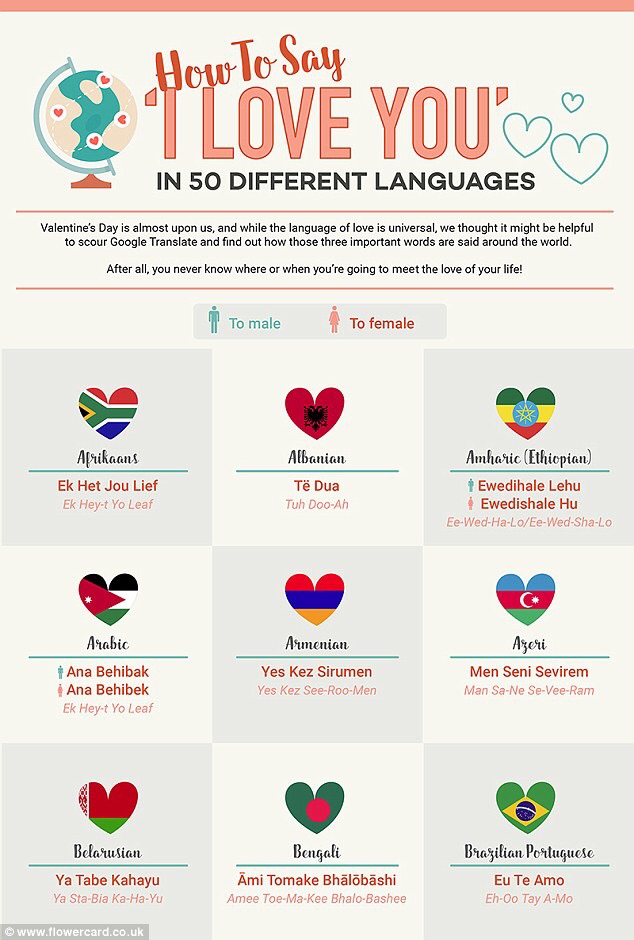
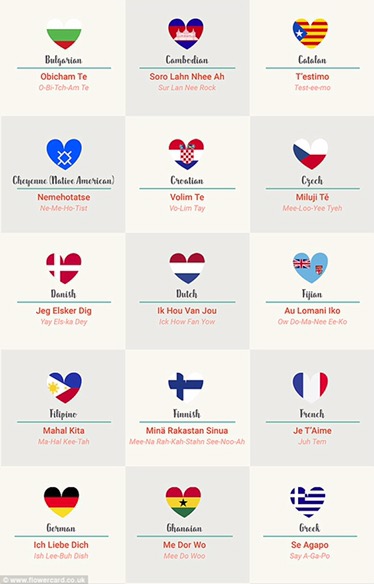
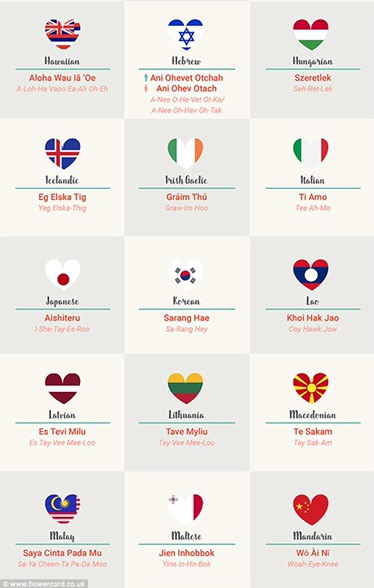
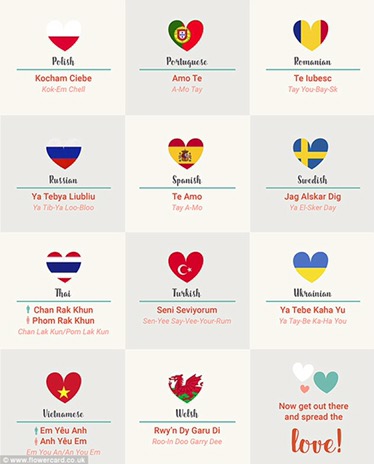
How to say ‘I love you’ in 50 languages revealed

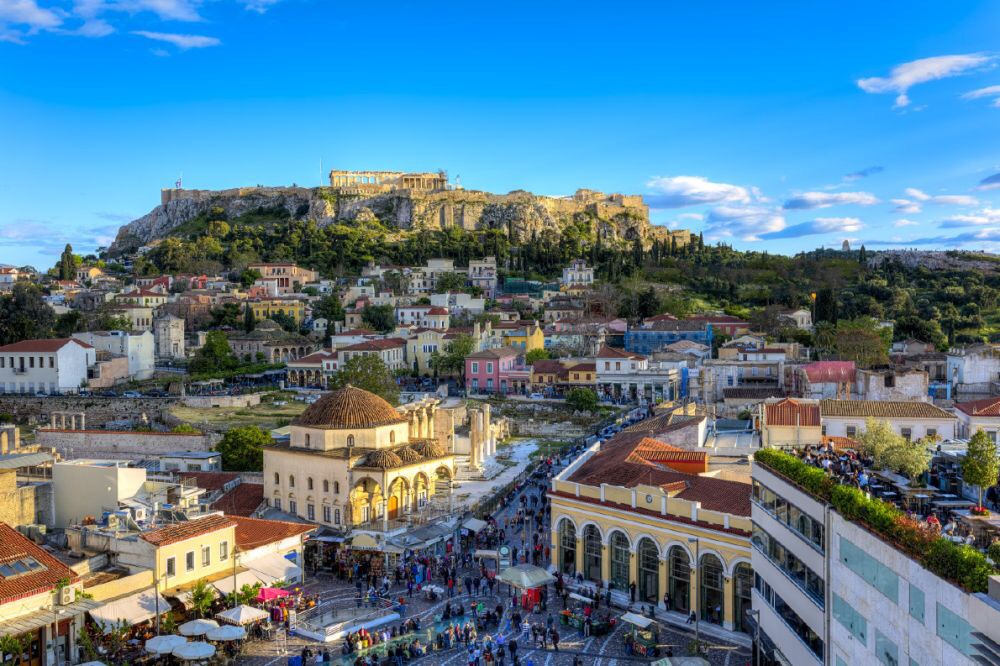
Athens Ranks Among Top 5 Best European Destinations for 2017

20 selected destinations have just competed for the prestigious title of Best European Destination 2017. 

After a three weeks’ period of online voting, Porto was elected Best European Destination 2017 and won this prestigious title.

Milan, Gdansk, Athens, San Sebastian, Sozopol, Vienna, Stari Grad, Basel, Rotterdam, Rome, Madrid, Paris, Bonifacio and Wild Taiga are the next best destinations for a holiday or city-trip in 2017.

We thank all the participants from Tourism Offices, community managers and the 426,859 voters who made their choice and influenced the result!

Athens is fourth Best European Destination for 2017, according to the results of the eighth online competition organized by the European Best Destinations (EBD) organization.

Twenty selected destinations competed for the prestigious title of Best European Destination 2017 from January 20. After a three weeks’ period of online voting, Porto was elected won the title of Best European Destination for the third time with 138,116 votes out of a total of 426,859 votes from 174 countries. According to EBD, Porto won with the largest number of votes since the creation of competition.

The next best destinations for a holiday or city-trip in 2017 are:

Milan (52,836 votes), 

Gdansk (46,852 votes), 

Athens (38,627 votes), 

San Sebastian (23,113 votes), 

Sozopol (20,690 votes), 

Vienna (18,342 votes), 

Stari Grad (13,834 votes), 

Basel (10,989 votes), 

Madrid (9,624 votes), 

Rotterdam (8,981 votes), 

Rome (8,932 votes), 

Paris (8,113 votes), 

Bonifacio (8,087 votes) and 

Wild Taiga (6,938 votes).

Last year Athens was voted as second Best European Destination.

Commenting on the winning cities this year, the EBD noted for Athens:

“Travellers have always ranked Athens at the top of this European competition. It is a favourite destination for travellers from all over the world who want to discover Europe. Ever since its participation in this competition, Athens has ranked among the 5 favourite destinations of travellers worldwide.

From the iconic Acropolis, rising above the city, to charming up and coming neighborhoods and contemporary art galleries, the city of Classic Marathon and Olympic Games is a majestically quirky clash of past and present.
One of the world’s oldest cities with a recorded history of 3,500 years, the Greek capital is constantly undergoing urban renewals to keep up with the evolution of time. Athens lives up to all the hype!”

The top 15 destinations will be promoted to millions of travellers as the most trendy destinations to visit in 2017, on the Best European Destinations website, the first site dedicated to the promotion of tourism in Europe.

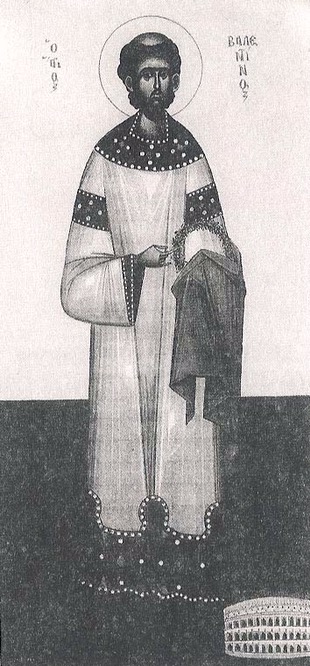
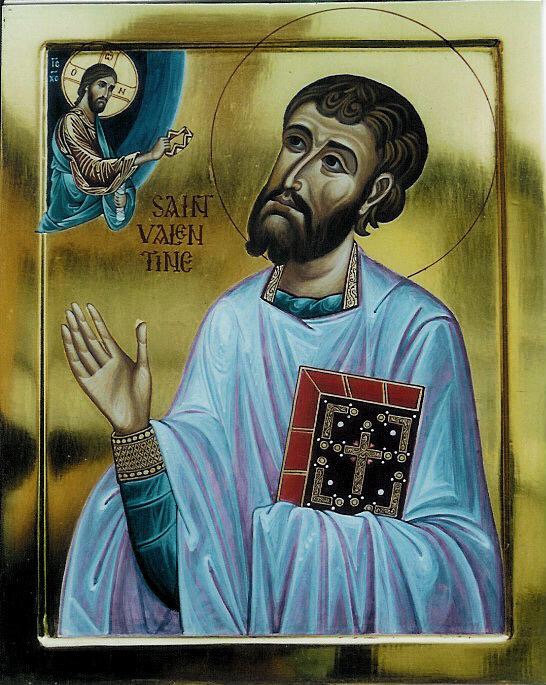
The Orthodox Saint Valentine

 
St. Valentine the Hieromartyr (Feast Day – February 14 and July 6)

The ancient martyrology of the Church of Rome marks February 14th as the remembrance of “the martyr Valentine, presbyter of Rome” (Valentinus means “vigorous” in Latin). Unfortunately the historical data for the Saint is incomplete. 

The Martyrdom of the Saint in Rome

Saint Valentine lived in Rome in the third century and was a priest who helped the martyrs during the persecution of Emperor Claudius II the Goth. The great virtue and catechetical activities of the Saint had become known. For this he was arrested and brought before the imperial court. 

“Why, Valentine, do you want to be a friend of our enemies and reject our friendship?” asked the Emperor. The Saint replied: “My lord, if you knew the gift of God, you would be happy together with your empire and would reject the worship of idols and worship the true God and His Son Jesus Christ.” One of the judges stopped the Saint and asked him what he thought about Jupiter and Mercury, and Valentine boldly replied: “They are miserable, and spent their lives in corruption and crime!” The judge furiously shouted: “He blasphemes against the gods and against the empire!”

The Emperor, however, continued his questions with curiosity, and found a welcome opportunity to finally learn what was the faith of Christians. Valentine then found the courage to urge him to repent for the blood of the Christians that was shed. 

“Believe in Jesus Christ, be baptized and you will be saved, and from this time forward the glory of your empire will be ensured as well as the triumph of your armory.” Claudius became convinced, and said to those who were present: “What a beautiful teaching this man preaches.” But the Mayor of Rome, dissatisfied, began to shout: “See how this Christian misled our Prince.” 

Then Claudius brought the Saint to another judge. He was called Asterios, and he had a little girl who was blind for two years. Listening about Jesus Christ, that He is the Light of the World, he asked Valentine if he could give that light to his child. St. Valentine put his hand on her eyes and prayed: “Lord Jesus Christ, true Light, illuminate this blind child.” Oh the great miracle! The child could see! So the judge with all his family confessed Christ.

Having fasted for three days, he destroyed the idols that were in the house and finally received Holy Baptism. When the Emperor heard about all these events, he initially thought not to punish them, thinking that in the eyes of the citizens he will look weak, which forced him to betray his sense of justice. 

Therefore St. Valentine along with other Christians, after they were tortured, were beheaded on 14 February in the year 268 (or 269). 

The Relics of the Saint in Athens 

After the martyrdom some Christians salvaged the body of the Saint and put a bit of his blood in a vile. The body of the Martyr was moved and buried in the Catacombs of St. Priscilla, a burial place of most of the martyrs. Over the years somehow he was “forgotten”, since almost every day there were buried in these catacombs new martyrs for several decades. The memory of Valentine’s martyrdom however remained robust, particularly in the local Church of Rome. Officially the memory of St. Valentine was established in 496 by Pope St. Gelasius. 

Fifteen centuries pass and we arrive at 1815, at which time divine intention was to “disturb” the eternal repose of the Saint. Then the relics were donated by the Pope to a gentle Italian priest (according to the custom of the time). After this the relics are “lost” again until 1907 where we find them in Mytilene in the Roman Catholic Church of Our Lady.
It seems that after the death of the priest that a descendant of his had inherited the relics and had migrated to Mytilene, which was then a thriving community of West-European Catholic Christians. There they remained until 1990 when they were moved to Athens in the Church of Saints Francis and Clara’s Italian community, where they are today. 

Saint Valentine the Greek 

We should first say that there is not sufficient information on the national origin of the Saint, though there are some other (shades of) evidence that the Saint was of Greek origin. For example, the earliest depiction of the Saint bearing the inscription «O ΑΓΙΟC BAΛΕΝΤΙΝΟC” in Greek is in the Church of Our Lady the Ancient (Santa Maria Antiqua) of the 6th century which was the parish of Greeks in Rome. The church particularly venerated saints who were Greeks and generally from the East. The decoration and renovation of the church was ordered by the Greek Pope John VII (705-707) and finished by his successors, including the last Greek Pope Zacharias (741-752). But perhaps it is no coincidence that after seventeen centuries, the remains arrived in Greece. The issue here still requires research. 
Saint Valentine: Patron of Lovers 

Apart from the scant historical data we have for Valentine’s life, there is accompanied various legends, such as from those who say he is the patron saint of lovers. 

The Saint had a reputation as a peacemaker, and one day while cultivating some roses from his garden, he heard a couple quarrel very vigorously. This shocked the Saint, who then cut a rose and approached the couple asking them to hear him. 

Even though they were dispirited, they obeyed the Saint and afterwards were offered a rose that blessed them. Immediately the love returned between them, and later they returned and asked the Saint to bless their marriage. Another tradition says that one of the charges against Valentine was that he did not adhere to the command of the emperor which stated that men who had not fulfilled their military obligations were not allowed to marry; meanwhile the Saint had blessed the marriage of young Christian soldiers with their beloveds.

Besides all this, the likely choice of him as the “saint of lovers” is to be associated with the pagan festival of Lupercalia, a fertility festival, celebrated by the Romans on February 15. Others connect the celebration of this feast with the mating season of birds during this period. Certainly, however, the Saint has nothing to do with the commercialism (marketing) of flowers, gifts and secular centers which trivialize Eros, this great gift of God. 


Saint Valentine and Orthodoxy 

Many, however, raise the objection that St. Valentine is not mentioned anywhere in the calendar of the Orthodox Church. Indeed on 14 February in the calendar of the Church there are commemorated Saints Auxentios, Maron and the martyrs Nicholas and Damian. The explanation is simple: in ancient times hagiographic directories, biographies and martyrologies were written to be primarily used locally in their own character, and the fame and reputation of a saint locally does not mean that it extended also throughout the Church. So there may be saints honored widely in one region and completely unknown in another, as for example St. Demetrios, who is famous throughout the Eastern Church, yet in the West is not honored at all, and is almost unknown, but this does not mean that he is not a saint. Another example of the modern Church: St. Chrysostomos of Smyrna († 1922) who in Greece is known, yet in Russia is completely unknown, but this does not mean that he is not a saint. 

Honor Martyrs – Imitate Martyrs 

We honor our saints and St. Valentine when we imitate their courage to proclaim their faith in Christ the Savior, which they did even at the cost of their lives. We honor them when we beseech them to appeal to God to have mercy on us and forgive our many sins. We honor them when they are our models of the life in Christ. We do not honor the saints when we measure their ‘worth’ by worldly amusements and festivities even in the best circumstances … To honor the Martyrs is to imitate the Martyrs! 
 
Indeed, Lesvos is the garden of earth where Love was born 

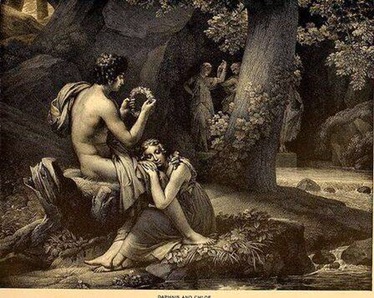
Daphnis and Chloe grow up together on the isle of Lesvos during the 2nd century AD , herding the flocks for their foster parents. They fall in love but, being naive, do not understand what is happening to them. ….

Daphnis and Chloe is the story of a boy (Daphnis) and a girl (Chloe), each of whom is exposed at birth along with some identifying tokens. A goatherd named Lamon discovers Daphnis, and a shepherd called Dryas finds Chloe. Each decides to raise the child he finds as his own , but love was born between them in the most naive expression, in the most romantic scene, that is the nature of ancient Lesvos ….


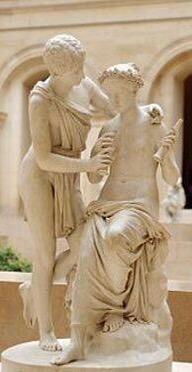
Daphnis Chloe Cortot Louvre 

Daphnis and Chloe is a novel, set on the isle of Lesbos during the 2nd century AD, where and when scholars assume the author to have lived. Its style is rhetorical and pastoral; its shepherds and shepherdesses are wholly conventional, but the author imparts human interest to this idealized world

 Daphnis and Chloe resembles a modern novel more than does its chief rival among Greek erotic romances, writes wikipedia.

According to the novel, Philetas, a wise old cowherd, explains to them what love is and tells them that the only cure is kissing They do this.

Eventually, Lycaenion, a woman from the city, educates Daphnis in love-making. 

Daphnis, however, decides not to test his newly acquired skill on Chloe, because Lycaenion tells Daphnis that Chloe “will scream and cry and lie bleeding heavily [as if murdered].”.

….In the end, Daphnis and Chloe are recognized by their birth parents, get married, and live out their lives in the country.

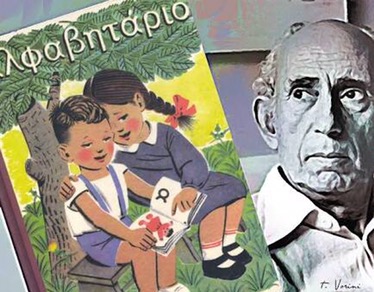
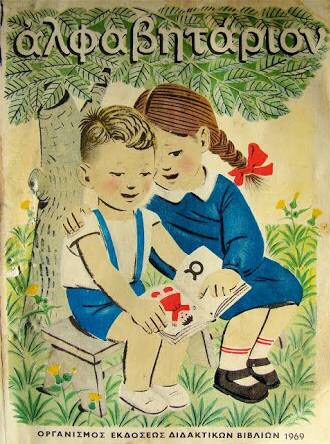
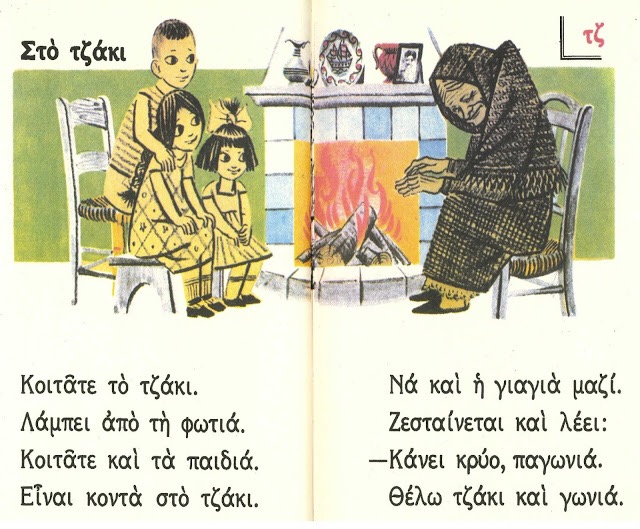
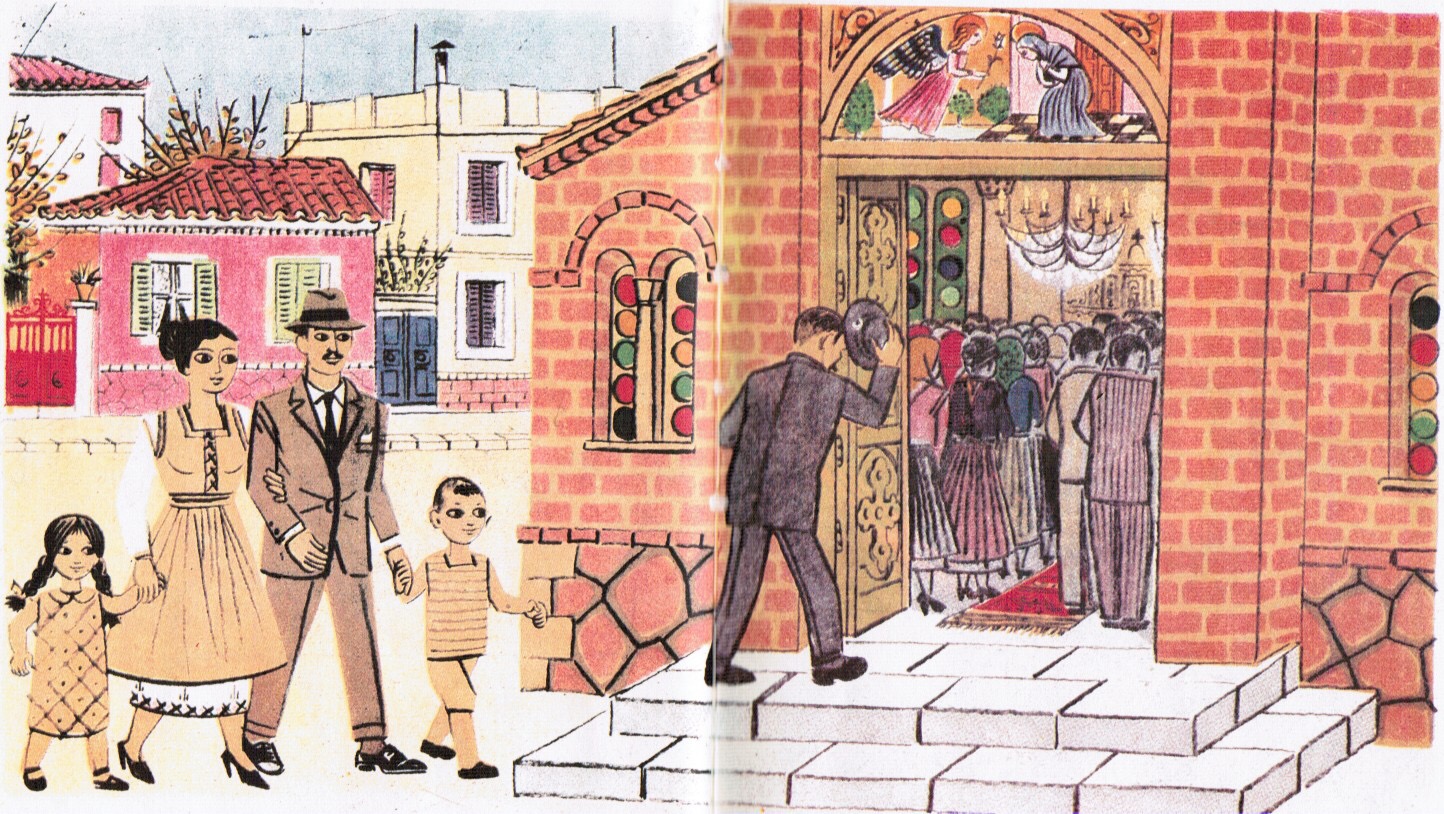
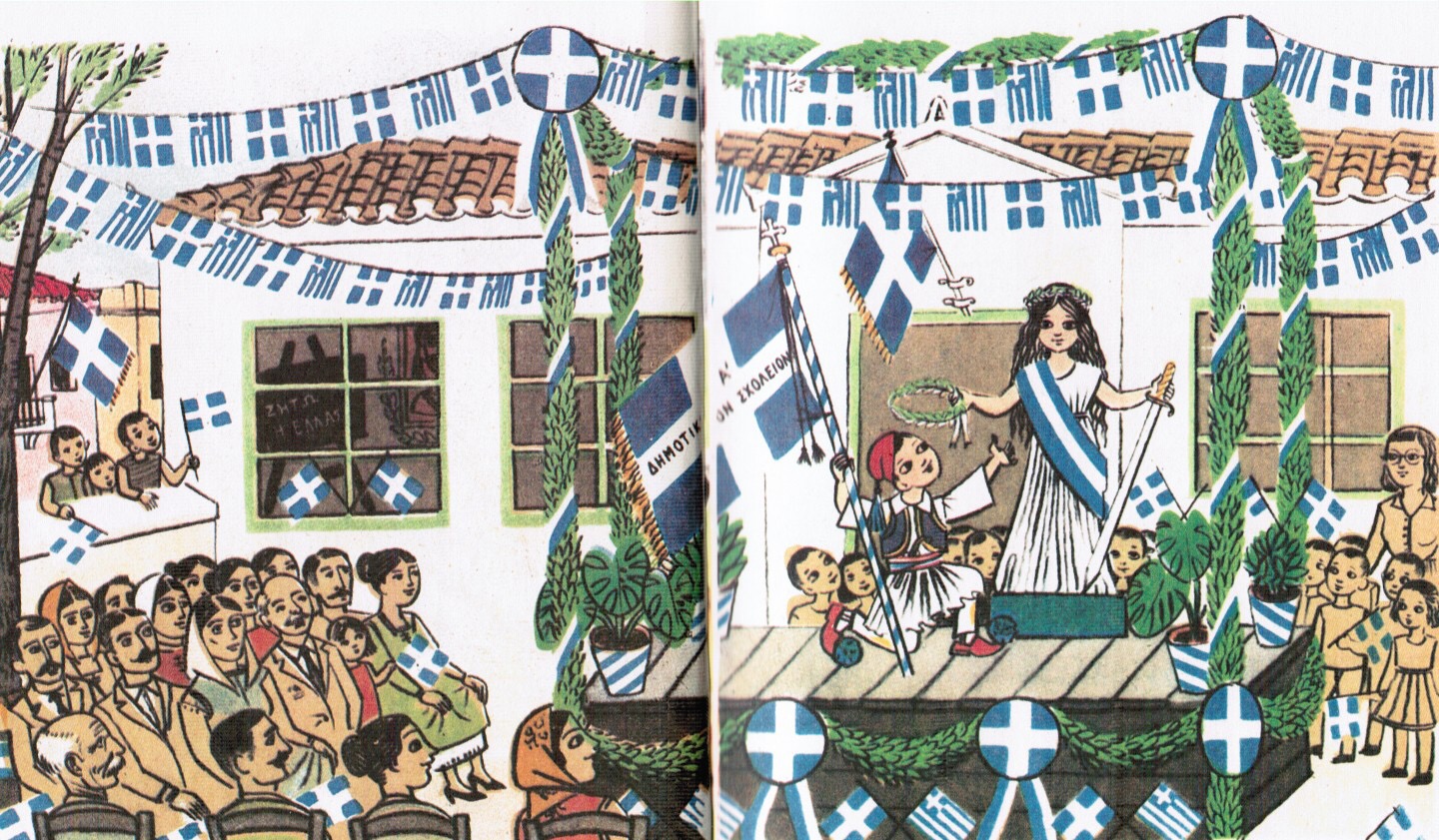
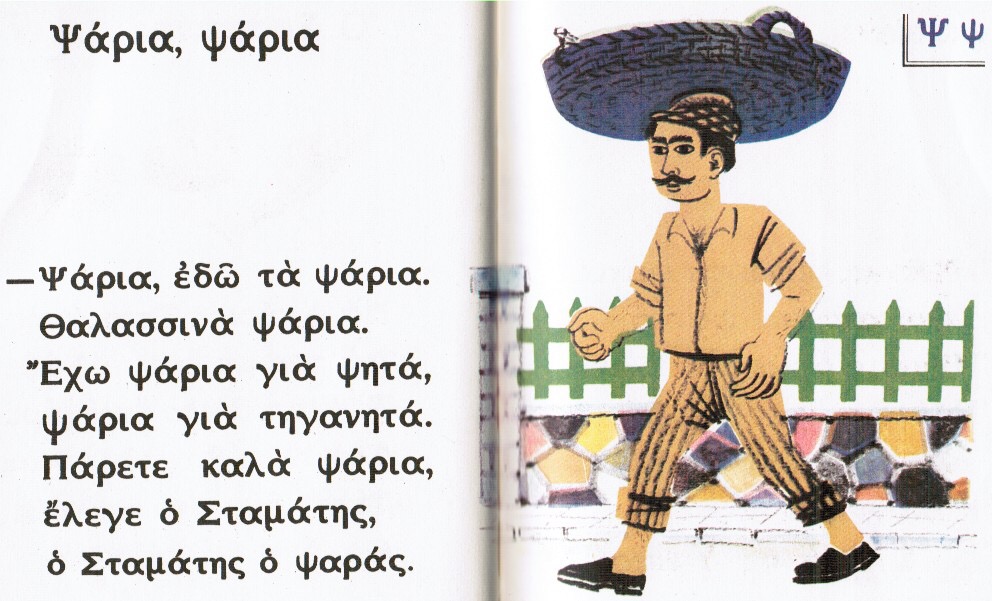
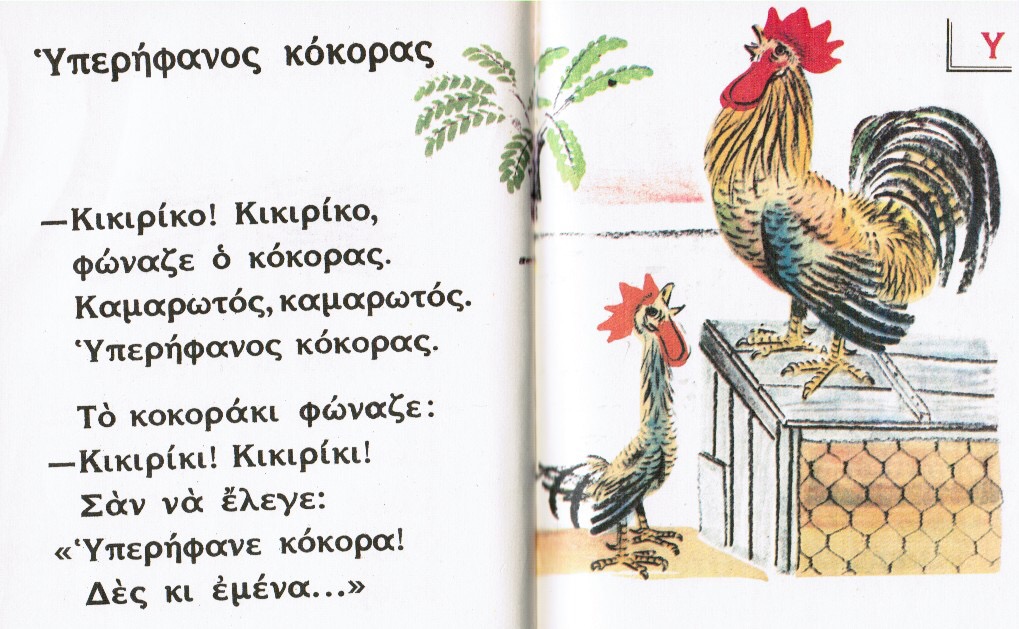
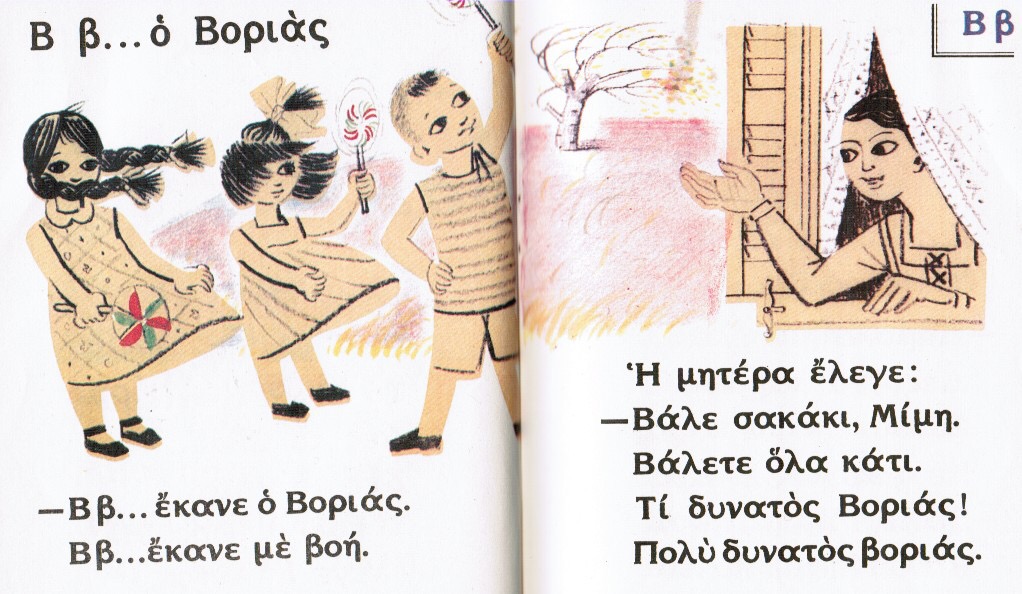
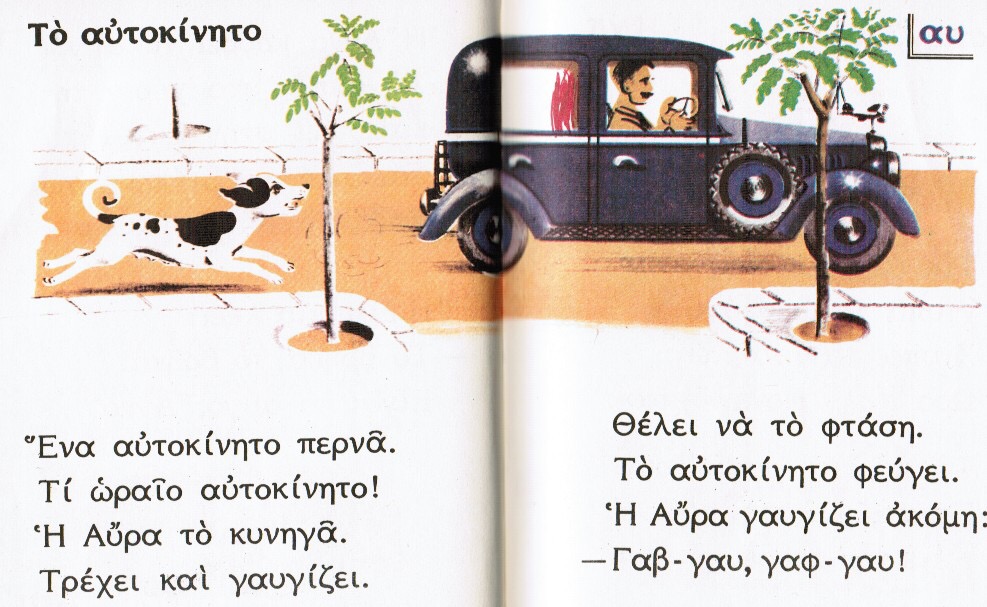
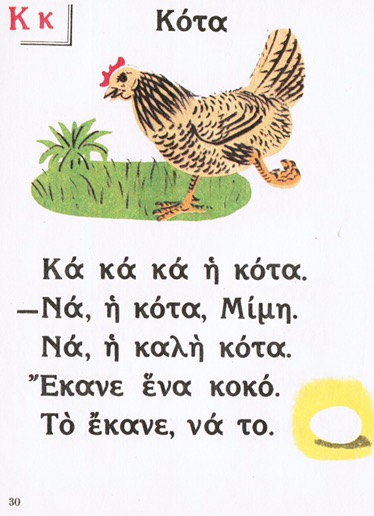
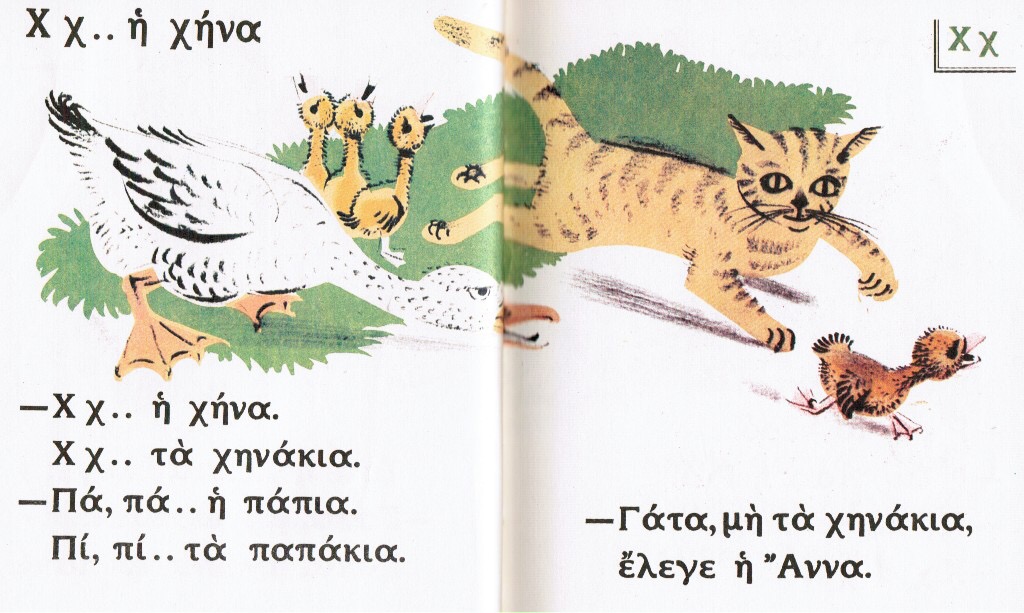
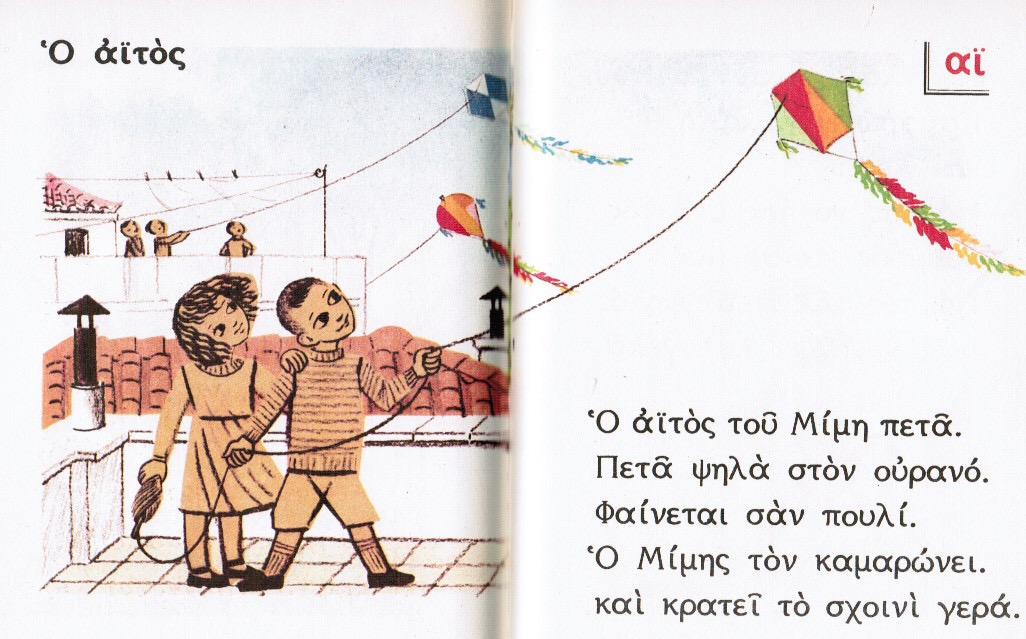
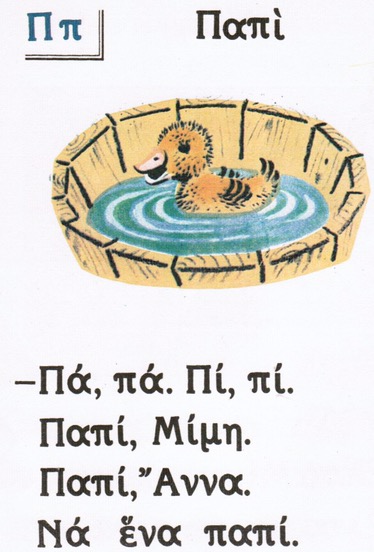
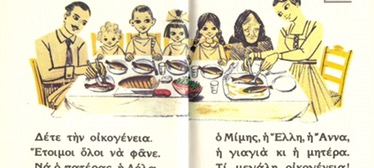
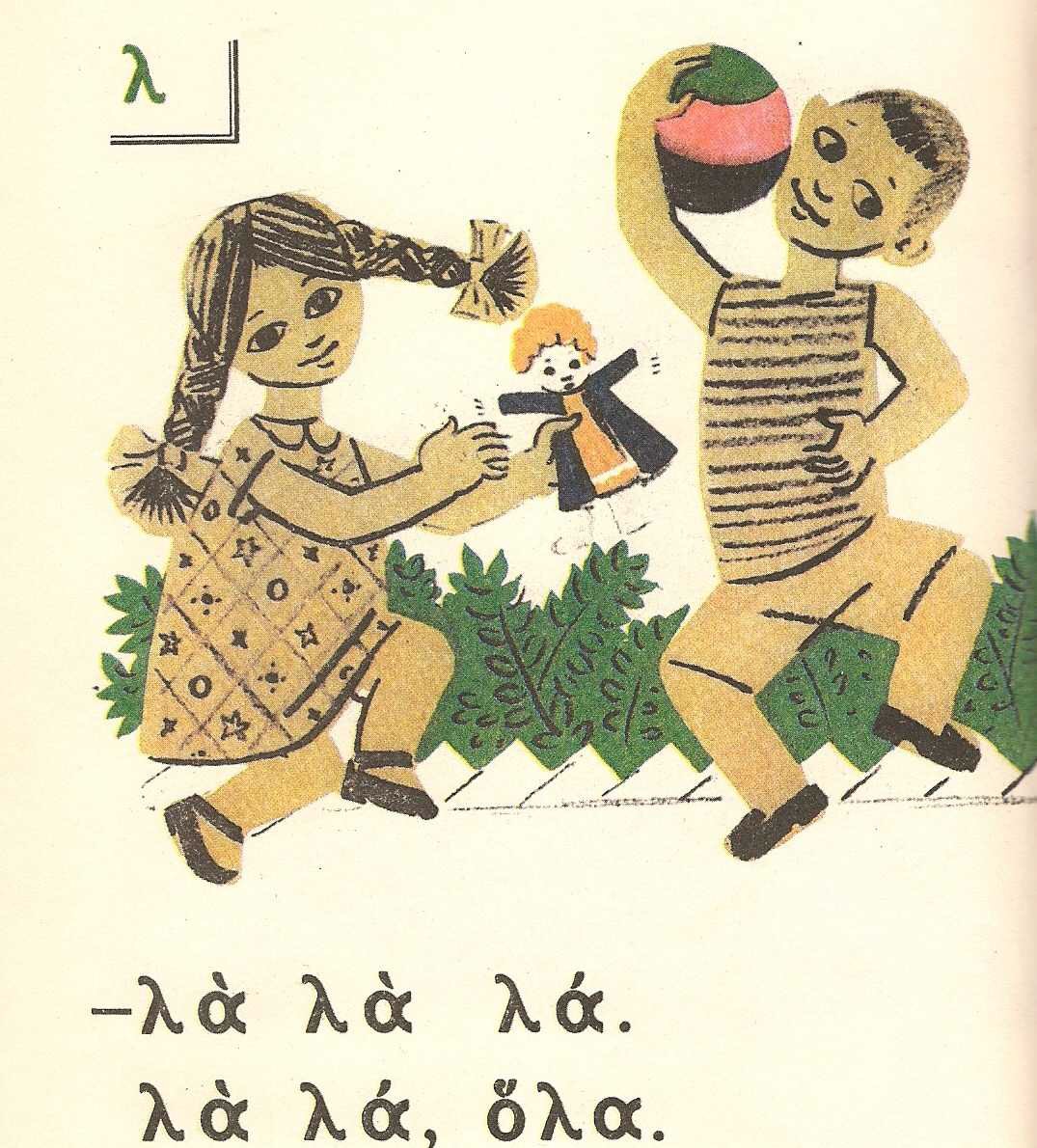
“Alphabetario”, I.K. Yannelis and G.K. Sakkas, Illustrations by Costas P. Grammatopoulos (published originally in Athens 1948 by Nea Synora – A.A. Livani)

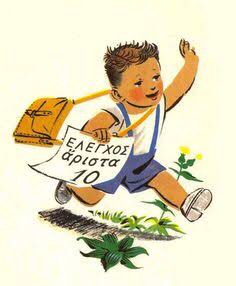
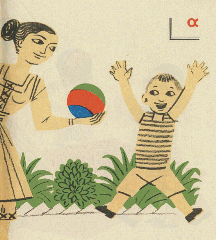
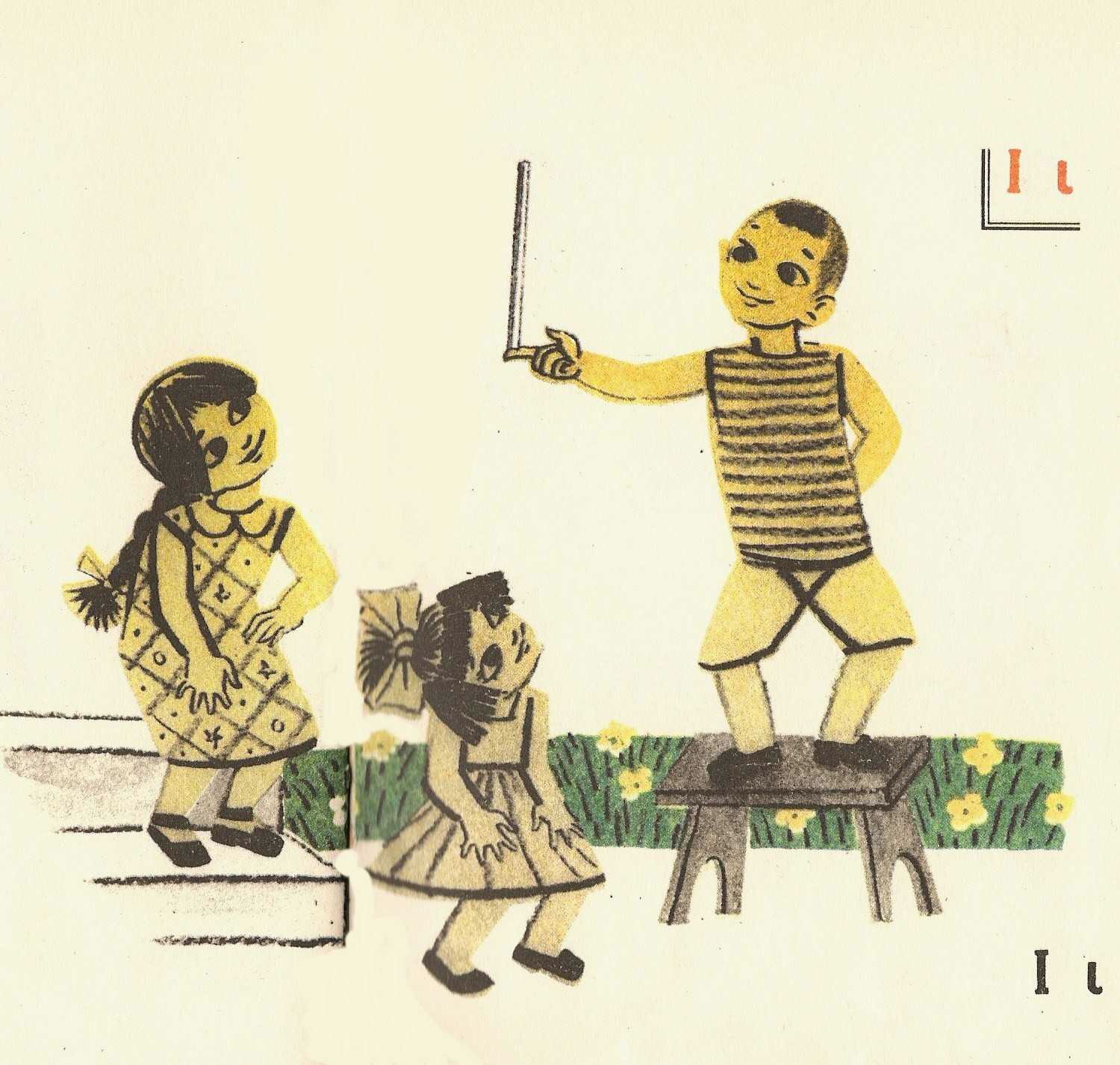
This book was published in the late forties (presumably by the Ministry of Education of the time) and was used as an introduction to the Greek language for 6 year-olds. It must have made a strong and lasting impression to the generations of children as the publishers decided, upon many requests, to reprint a new edition in 1993 long after it was removed from the school curriculum. I love the combination of the graphic effect together with the hand-drawn quality – used sparingly, but so expressively. The colouring is very minimalistic and flat, yet used so creatively to illustrate textures, space and shapes.

https://youtu.be/qnbB_n6fPVg

One of the most popular schoolbooks throughout contemporary Greek times is the alphabet primer, Αλφαβητάριο (al-fa-vi-TA-ri-o) by Ι. Κ. Γιαννέλη and Γ. Σακκά, distributed by the now defunct state body ΟΕΔΒ – Οργανισμός Εκδόσεων Διδακτικών Βιβλίων – Institute for Educational Books. It was first used in Greek schools in 1956 and stopped being used around 1978. By that time, the images portrayed in the book had become obsolete in many ways – but the book continued to be popular even after it was discontinued, and today it enjoys success as an iconic classic of Greek imagery. It has never stopped being printed; it’s available in hardback form at most Greek bookshops. This book is one of the most often requested presents by diaspora Greeks who remember learning the Greek language from it and wish to help their children learn Greek through this book. Diaspora Greeks have been influenced in their Greek imagery by the first immigrant generation, which don’t necessarily tie in with the present day and provide the main motivation for their alternative perspective of their ancestors’ homeland: Greece is a land which stand still in time.

The best book ever! (in the hearts of thousands of Greeks who – like myself – were introduced to the language in the first year at primary school with these wonderful pictures, lovable characters and unique typeface)…


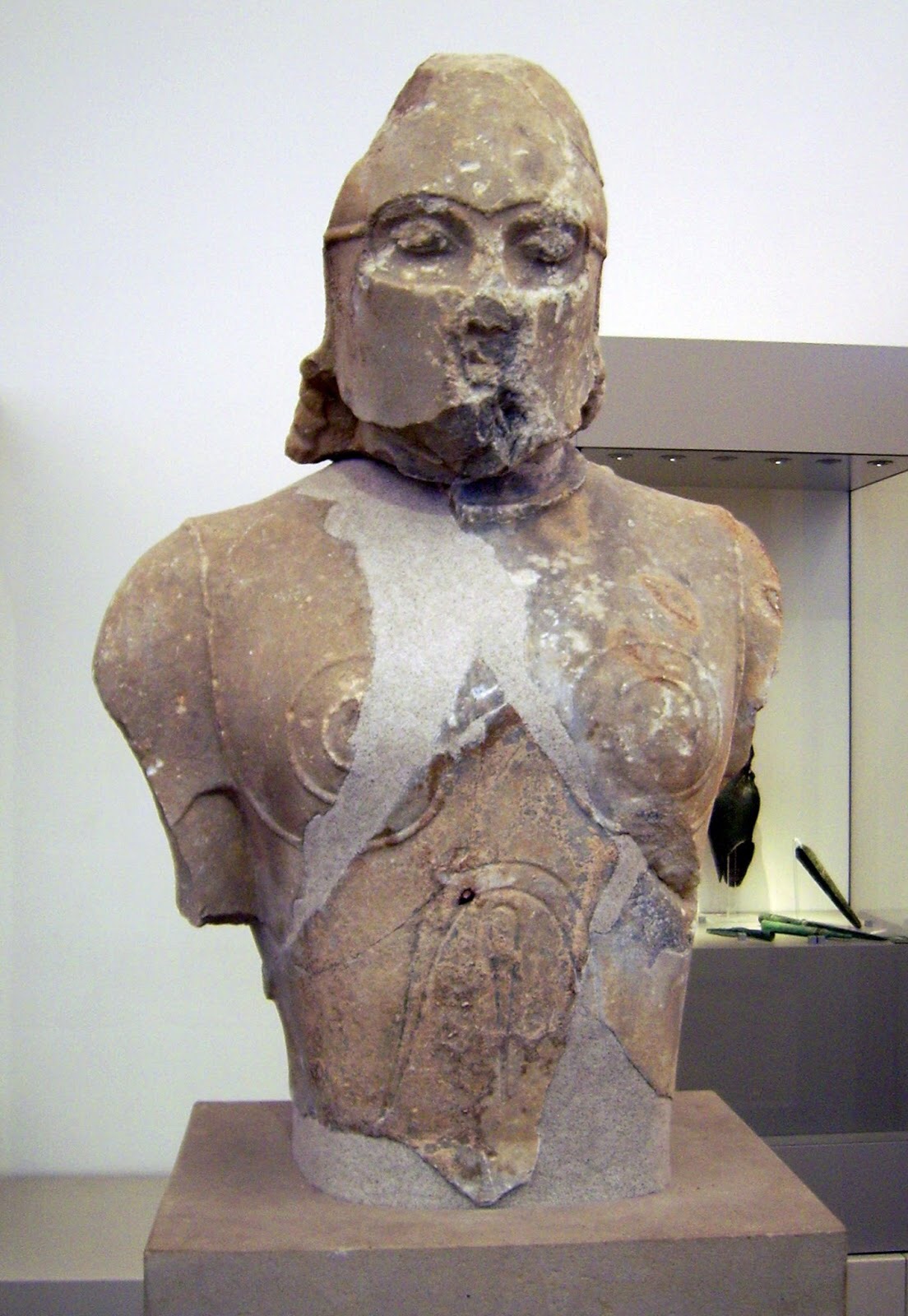
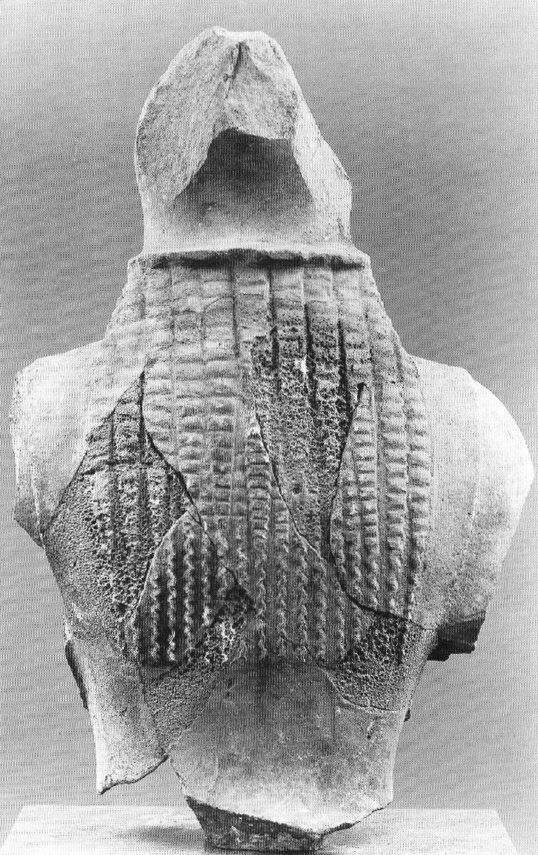
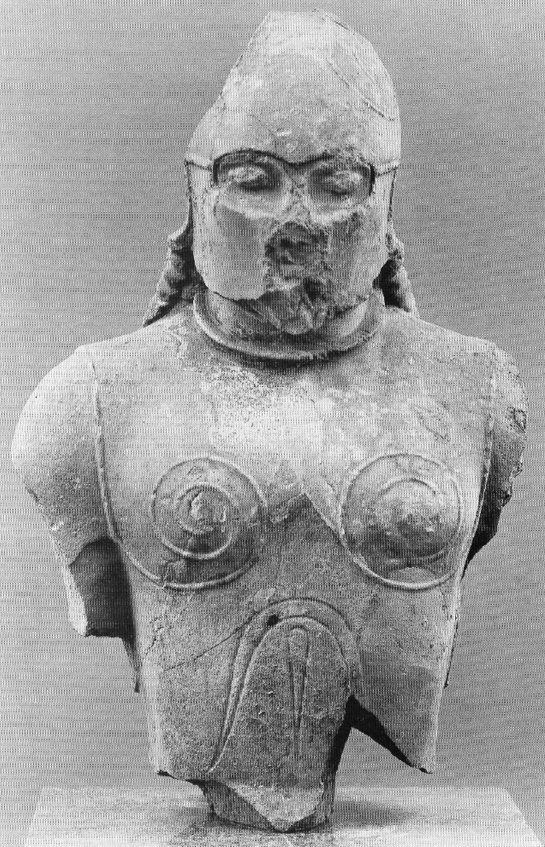
Spartan warrior, from the Isle of Samos, 525B.C.


Figurines, statues ect. 
Statue of a Spartan warrior, from the Isle of Samos, 525B.C. It is easy to imagine that this statue possibly represents either Archias or Lycopas, two Spartans who died valiantly when the Spartans sent aid to Samos in order to oust the pro-Persian tyrant, Polykrates. For their brave actions, they were buried within the city walls of Samos, and given full honors by the Samians.

Rear view of the statue of a Spartain warrior from the Isle of Samos.

Ο Οπλίτης της Σάμου είναι αριστουργηματικό έργο τέχνης που βρέθηκε στη Σάμο στις αρχές του 20ού αιώνα. Αποκαταστάθηκε το 1990 και φιλοξενείται στην έκθεση των Αρχαιολογικών Μουσείων του Βερολίνου.

Το έργο είχε τοποθετηθεί στο Ηραίο της Σάμου λίγο πριν το τέλος της συμμαχίας μεταξύ Σπάρτης και του τυράννου της Σάμου Πολυκράτη το έτος 525 π.Χ.

Είναι από μάρμαρο, που είχε την προέλευσή του στη Σάμο ή στη Λακωνία, αφού μόνο εκεί βρίσκονται κοιτάσματα με την ίδια χαρακτηριστική απόχρωση. Παριστάνει έναν πολεμιστή με ιονικό κράνος, που σκεπάζει αμυντικά ολόκληρο το κεφάλι και το πρόσωπο εκτός των ματιών, της μύτης και του στόματος, δίνοντας απειλητικό χαρακτήρα. Η κόμη είναι σκεπασμένη κάτω από το κράνος, ενώ μια πλεξούδα κρέμεται κατά μήκος της πλάτης μέχρι τον μηρό. Ο θώρακας είναι διακοσμημένος με σπείρες και ομοιάζει με άλλα ευρήματα που εικονίζουν πολεμιστές Λακωνικής προέλευσης. Στις λεπτομέρειες όμως ομοιάζει με εργασίες Σαμίων εργαστηρίων.
Ιστορία της εύρεσής του

Τμήματα του κορμού και της κεφαλής βρέθηκαν αρχικά σε ανασκαφές που διενήργησε το Γερμανικό Ινστιτούτο στη Ηραίο της Σάμου στις αρχές του 20ου αιώνα. Σύμφωνα με το συμφωνητικό περί αρχαιολογικών ανακαλύψεων μεταφέρθηκε στη Γερμανία και τοποθετήθηκε στο Αρχαιολογικό Μουσείο του Βερολίνου, όπου φιλοξενείται μέχρι σήμερα. Στο ίδιο άγαλμα ανήκουν και με άλλα τμήματα του αριστερού ποδιού που βρέθηκαν σε ανασκαφές που ακολούθησαν στο ίδιο μέρος, και τα οποία βρίσκονται ακόμα στη Σάμο.
Ερμηνεία

Τα ανάμικτα χαρακτηριστικά Λακωνικής και Σαμίας τέχνης είναι αινιγματικά και δεν έχουν ερμηνευτεί εντελώς, δίνοντας ερμηνευτικό περιθώριο για καλλιτεχνικές και ιστορικές ερμηνείες. Από νωρίς αμφισβητήθηκε η Σαμία προέλευση του έργου ετούτου.Ο Στίμπε καταλήγει στο συμπέρασμα, ότι το άγαλμα είναι έργο κάποιου Σπαρτιάτη που ζούσε στη Σάμο, και κατασκευάστηκε κατά παραγγελία ενός Σαμίου. Η εκδοχή αυτή όμως δεν συμμερίζεται από κανέναν άλλο επιστήμονα.

Γνωστό όμως είναι ότι η Σάμος και η Σπάρτη υπήρξαν στενοί σύμμαχοι, και γι’ αυτό ίσως να υπήρξε κάποια πολιτιστική ανταλλαγή, που να ήταν έντονη ιδίως το πρώτο ήμισυ του 6ου αιώνα π.Χ. Η επικρατούσα ερμηνεία υποστηρίζει την εκδοχή, ότι το έργο έχει προέλευση κάποιο εργαστήριο της Σάμου, ενώ μεμονωμένα ενδέχεται να είναι λακωνικό έργο.

Εκτός αυτού, η ανάρτηση αγαλμάτων ηρωικού και πολεμικού χαρακτήρα στο ιερό (στην προκειμένη περίπτωση στο ιερό της Ήρας) ήταν έθιμο στην Σπάρτη περισσότερο παρά στη Σάμο, όπου τα αναθήματα συνήθως είχαν ειρηνικό χαρακτήρα. Πιθανόν το άγαλμα αυτό να ήταν προειδοποιητικό δώρο των Σπαρτιατών προς τους Σαμίου, συνοδευόμενο με την απειλή, να μην λύσει η Σάμος τη συμμαχία, διότι οι Σπαρτιάτες θα έστελναν οπλίτες. Η ιστορία όμως τους διέψευσε. Η Σάμος διέλυσε τη συμμαχία, οι Σπαρτιάτες ξεκίνησαν πόλεμο με τη Σάμο, αλλά ηττήθηκαν μπροστά στα τείχη της πόλης.

60,000 Thessaloniki Residents to Evacuate so WWII bomb to force major evacuation


THESSALONIKI

Authorities in Greece’s second-largest city are planning to evacuate up to 70,000 residents from their homes so experts can safely defuse a 250kg of an unexploded World War II bomb. 

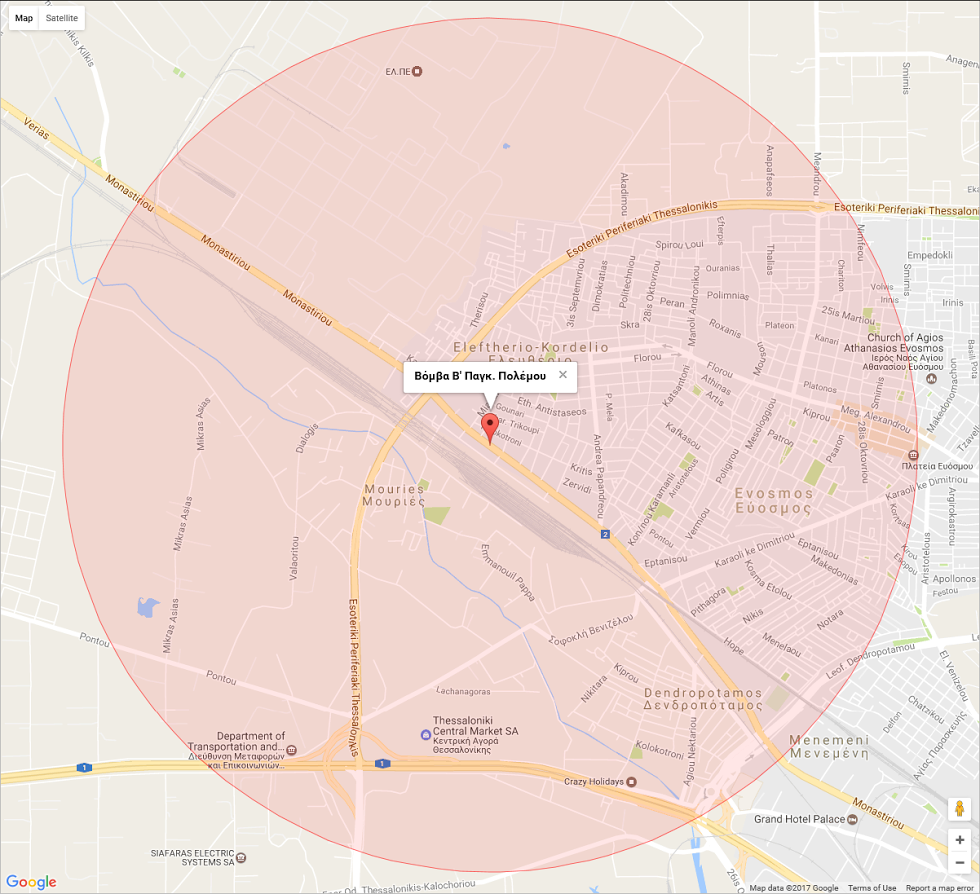
The evacuation in Thessaloniki is set for Sunday, and people living 2 kilometers (1.2 miles) around the bomb site will be kept away from the area for up to five hours, officials say.

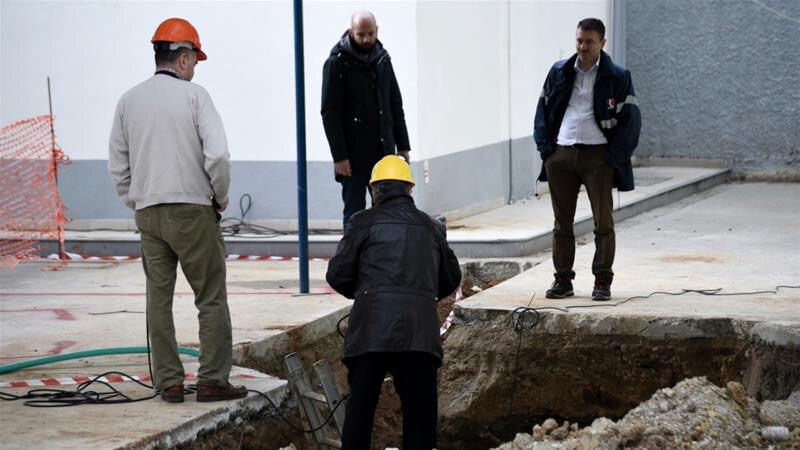
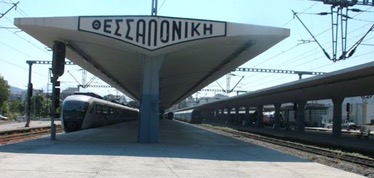
The bomb was found 5 meters (over 16 feet) deep near the central railway station in western Thessaloniki during work to expand a gas station’s underground tanks. The existing tanks have been emptied, but previous attempts to remove the bomb were unsuccessful.

Deputy regional governor Voula Patoulidou told the Associated Press on Monday that military and police authorities will try to defuse the bomb on the spot.

The device, dropped during an air raid on the northern city in the 1940s, was unearthed in a densely populated area last week during works to expand fuel storage tanks.

Bomb disposal experts will attempt to tackle the device, found near a petrol station at a depth of 5.5m, on Sunday.

More than 300 disabled people and bed-bound patients were the first to move out on Saturday morning, at the start of what is being described as the biggest peacetime evacuation in Greece’s history.

The departure of all residents within a 1.9km radius of the bomb site, affecting three neighbourhoods in the west of the city centre, is due to be completed before 08:00 GMT on Sunday.

Refugees living in a nearby camp will also have to be evacuated, the migration ministry said, without specifying how many. 

‘Don’t know what we’ll find’

Evacuation is “obligatory”, regional security chief Apostolos Tzitzikostas told reporters on Friday.

The operation is unprecedented in Greece, “where a bomb of this size has never been found in an area this densely populated,” Tzitzikostas added.

Regional authorities said the entire operation would take up to eight hours, but local military spokesman Colonel Nikos Phanios was more cautious.

“We don’t know what we’re going to find,” he told the AFP news agency. Defusing the bomb and then moving it to a military shooting range “could take us up to two days”, he added.

Up to 1,000 police officers have been mobilised for the operation, with residents given several days’ warning via the media, leaflets and posts on social media.

Jumped into a ditch’

Colonel Nikos Fanios, an army spokesman, said the device’s exterior was too degraded to be able to determine whether it was a German or an Allied bomb.

But one resident said he remembered the day it fell.

“The bombing was done by English and American planes on September 17 1944. It was Sunday lunchtime,” Giorgos Gerasimou, 86, whose home is 800 meters from where the bomb was found, said.

“We could see the planes coming,” he told the Associated Press news agency.

They were targeting local German rail facilities, Gerasimou said. Nazi Germany occupied Greece from 1941 until October 1944.

A 13-year-old at the time, Gerasimou said he and his friends would go to the railway station each day for food rations.

“That day something told me I had to leave, and in the end we did,” he said. “When I heard the (air raid) sirens, I jumped into a ditch with my friends and we survived.”

Another one of his friends was not so lucky. Ten-year-old Panagiotis was killed in the air raid, Gerasimou said, clutching a photo of the boy that he has kept to this day.

During Sunday’s evacuation, residents will be transported by bus to schools, sports halls and cultural centres elsewhere in the city while the exclusion zone is cordoned off.

Thessaloniki residents were facing disruption on the bus and train networks, with facilities set up to host evacuees in need of shelter.