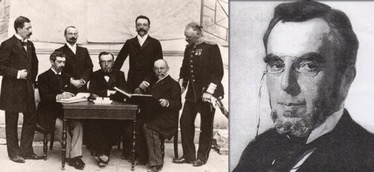
The first President of International Olympic Committee – Demetrius Vikelas

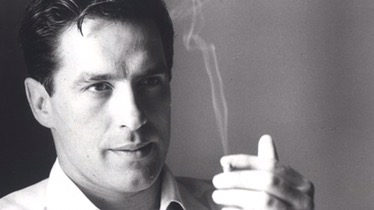
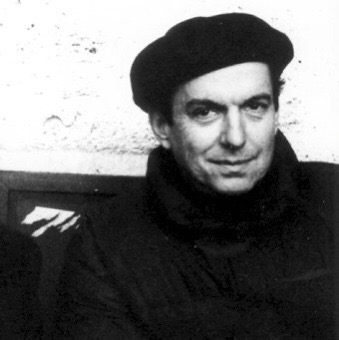
Demetrius Vikelas is a poet and a novelist. His work Loukis Laras is considered to have played a major part in the development of neohellenic literature. He has also joined the organization of the 1896 Olympic Games in Athens and was the first President of the International Olympic Committee.

Vikelas was born in Ermoupoli, February 15th, 1835 on the island of Syros in Greece. His father was a merchant, originally from Veria (then part of the Ottoman Empire, today capital of the northern Greek province of Imathia in Central Macedonia) and his mother, Smaragda, was a member of the rich Melas family. He was educated at home by his mother, possibly due to his fragile health.

When he was six, the family moved to Constantinople, and ten years after that to Odessa. There he started working for his father’s business.

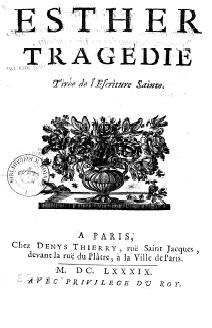
Already he showed signs of his literary potential. At the age of 17 in 1851, he translated Esther, a tragedy by Jean Racine.

In 1852, he traveled to London to receive a professional practice and worked there as an employee and partner of his uncles’ merchant house Melas Brothers (his mother’s family name was Melas).

He started writing poems in 1855 and published them in newspapers and magazines of Athens or submitted them to the University’s poetry contests.

In 1876, the Melas business was closed and Vikelas decided to relocate to Athens and later settled down in the city in 1897.

Except from his scientific works, he was also into charity and community service, with works like the foundation of a club for the spreading of useful books, with George Drosinis in the secretariat in 1899 and he later established the House for the Blind in 1898, the Shooting and Labour School in 1898 and the 1st Education Congress in 1899.

In 1894, he participated in the International Athletic Congress of Paris, after being motivated by the Chairman of the Panhellenic Athletic Club Ioannis Fokianos. He was chosen for this participation as a well known Greek novelist in the European capital cities and also as a notorious lobbyist. The idea of Olympism by Baron de Coubertin and the revival of the Olympic Games as practiced in antiquity was first spread at the congress, as well as the foundation of the International Olympic Committee with Demetrius Vikelas as its first president, who later proposed to organize the first modern Olympic Games in Athens in 1896.

With his responsibility for the 1896 Summer Olympics, Vikelas returned to Greece for just ten days in autumn 1894. On October the 14th, he received a telegram from doctor Luys informing him that the condition of his wife had worsened. She had œdemas in her thighs, calves and stomach. She could no longer feed herself. He urgently returned to Paris. It seems that she then died.

In November 1894, a number of young nationalist officers, advocates of the Megali Idea, created a secret society, Ethniki Etairia, whose aim was to revive the morale of the country and prepare the liberation of Greek peoples still under the Ottoman Empire. In September 1895, they recruited civilians, all linked to the organisation of the Olympic Games, including Vikelas himself, although he claimed only to have given in to friendly pressure, playing a solely financial role and then quickly resigning from it. At this point he was still attracted by the possibility of rebuilding his country.

After the Games, which proved a success, Vikelas withdrew from the IOC, replaced as a member by the Count Alexander Mercati and as president by Coubertin. The defeat in the Greco-Turkish War which came soon after dealt a serious blow to his morale. He decided to leave Paris to move permanently to Athens. There he dedicated himself to popular education. In 1899 he founded the “Society for the Spread of Useful Books” in Athens, to help the country to recover from its defeat.

In 1905, he represented the University of Athens at the third Olympic Congress and seventh IOC Meeting in Brussels. He also remained an active member of the Hellenic Olympic Committee. He died in Athens on 20 July 1908 “from an afflicting illness”.

He had been made a knight of the Legion of Honour on 31 December 1891, and honorary doctor of the University of St Andrews in November 1893 (the first Greek to receive this honour). He was a member (from 1874, and Vice-President from 1894 ) of the French “Association for the Promotion of Greek Studies”, and of the Society for the Promotion of Hellenic Studies in London.
Legacy

He left his immense library collection to the city of Heraklion in Crete, founding the Vikelaia Municipal Library.

Though in fact he did not live much of his life in Syros, the island counts him among its most well-known sons. Today, the Sports Center (Stadium) in Ermoupoli bears Demetrios Vikelas’ name. The stadium seats 2000 people, and has an Olympic-size swimming pool, four tennis courts, two gym halls, basket and volleyball courts, track and field, floor football court and soccer field.

Also the Syros Island National Airport is named for him.

Michael Satrazemis, Director of Photography in Walking Dead


Michael Satrazemis is the Director of Photography of the tv series Walking Dead. He has also directed 7 episodes of the successful tv series.
Michael is of Greek descent. He started his career in the entertainment business as a grip on “My Cousin Vinny”, and he transitioned into the camera department soon after. He has been working in the camera department for two decades.


Cinematographer Michael Satrazemis began as a camera operator in season one, before rising to serve as the show’s primary Director of Photography and occasional director in season four. He worked as the “A” Camera Operator on “The Walking Dead”. Camera Operators perform a vital role within the camera department, by supporting the Director of Photography and the Director by accurately carrying out their instructions to achieve their vision.

“There’s going to be a good deal this season, more than we’ve ever seen. It’s great to shoot those. We can put on the widest lens we have and fill it with information — people and walkers. And it’s crazy to see that many walkers. I’ve always been attracted to the show because of the story. So any time we isolate a couple of characters and get to tell the story that’s underneath this comic book, apocalyptic show, that’s fun for me” he said in an interview about season 4 of the “Walking Dead”.

Because of the show’s constantly evolving storylines, Satrazemis notes it’s difficult to plan too far ahead. “’Walking Dead’ in general there’s always some trick to something because we don’t have sets that remain for very long.

“We’re prepping right now for the new season, but I can’t prep for the whole season because there’s going to be a million different things that I don’t even know about. So you wake up every morning and come on in charging.”

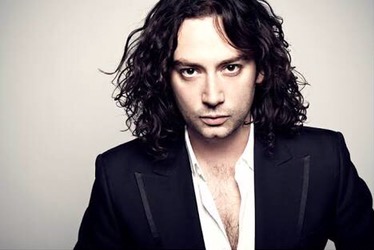
The new star in Broadway Constantine Maroulis

Upcoming shows:

March 12 – The Green Room 42 – New York, NY https://web.ovationtix.com/trs/pe.c/10141221

April 29 – Rrazz Room – Philadelphia, PA 

https://filmadelphia.secure.force.com/ticket/#details_a0S1a00000GGD7sEAH
Constantine Maroulis is a very well-known rock singer in the United States mostly of his participation in the show American Idol as well as his solo career. He has also played roles in the Broadway.
Maroulis was born on September 17, 1975 in Brooklyn, United States. Both his maternal and his paternal grandparents immigrated to the United States from Greece in the 1920s and was brought up in the Greek Orthodox religion.

At the young age of five, he developed an interest in music, following the lead of his older brother, Athan. By the age of eleven, he was already studying the trumpet at Eisenhower Middle School and later sang in high school garage bands, including Lady Rain and Milkbone.

After graduating from Ramapo High School in 1993, he then earned his Bachelor of Fine Arts degree in Musical Theater from the Boston Conservatory.

 In 2000 he was in the cast of the musical, Suburban Dreams and has also competed on the dating show “Elimidate” and was an extra in NBC’s Law and Order: SVU.

He appeared in a number of off-Broadway roles from the Conservatory, along with a series of independent films. After graduating from the Conservatory, Maroulis trained as an acting apprentice at the prestigious Williamstown Theatre Festival in the Berkshires of Western Massachusetts and toured in the Broadway international touring company of Rent performing the lead role of Roger Davis.

Constantine Maroulis in August 2004 decided to audition for the Television Show “American Idol”. He made some remarkable appearances like his rendition of the Queen classic “Bohemian Rhapsody” which earned him the praise of judges, including that of the usually harsh Simon Cowell.

At the personal invitation of Queen’s guitarist Brian May, Maroulis later recorded a studio version of the track for Killer Queen: A Tribute to Queen, which was released on August 9, 2005 on Queen’s label, Hollywood Records.

On April 2005 Maroulis was eliminated from American Idol after he performed Nickelback’s “How You Remind Me” during the 2000s music round. After “American Idol” Maroulis was able to find time to record his own very first solo album simply titled “Constantine”.

In 2006 he was part of the cast in his first Broadway leading part of the Tony nominated musical “The Wedding Singer”. Along with the other cast members, he contributed a recording of the Adam Sandler “Hanukkah Song” to the 8th Carols for a Cure CD to help raise funds for the Broadway Cares/Equity Fights AIDS organization.

In September 2009, Maroulis launched his “A Night at the Rock Show” series of sold-out solo shows in New York City, featuring “Constantine’s unique interpretations of some of the greatest rock songs of all time”.

From then on Maroulis was mainly involved in acting. He had the role of Drew in the hit Broadway musical “Rock of Ages” in 2009 and on May he received a nomination for the Tony Award for Best Performance by a Leading Actor in a Musical.

Maroulis headlined the national touring production with the first show opening in Chicago on September 21, 2010 and his last performance was on July 24, 2011 at the National Theatre in Washington, DC.

Maroulis was cast in the lead role of Melvin Ferd the Third, in The Alley Theatre’s production of “The Toxic Avenger”, which performed in Houston, Texas until February 12, 2012 and the same year became the host of a new series on Fuse.tv.com, Unofficial Idol Forum.

In autumn 2012, Maroulis took on the title role(s) in Frank Wildhorn’s “Jekyll and Hyde”, co-starring with Deborah Cox and on July 23, 2014, it was announced that Maroulis would be returning to as Drew at the Helen Hayes Theater till January 18, 2015 which was his last appearance.

Constantine Maroulis and Angel Reed have a daughter, Malena James Reed-Maroulis.

John Varvatos is a famous fashion designer who dresses the famous men of Hollywood

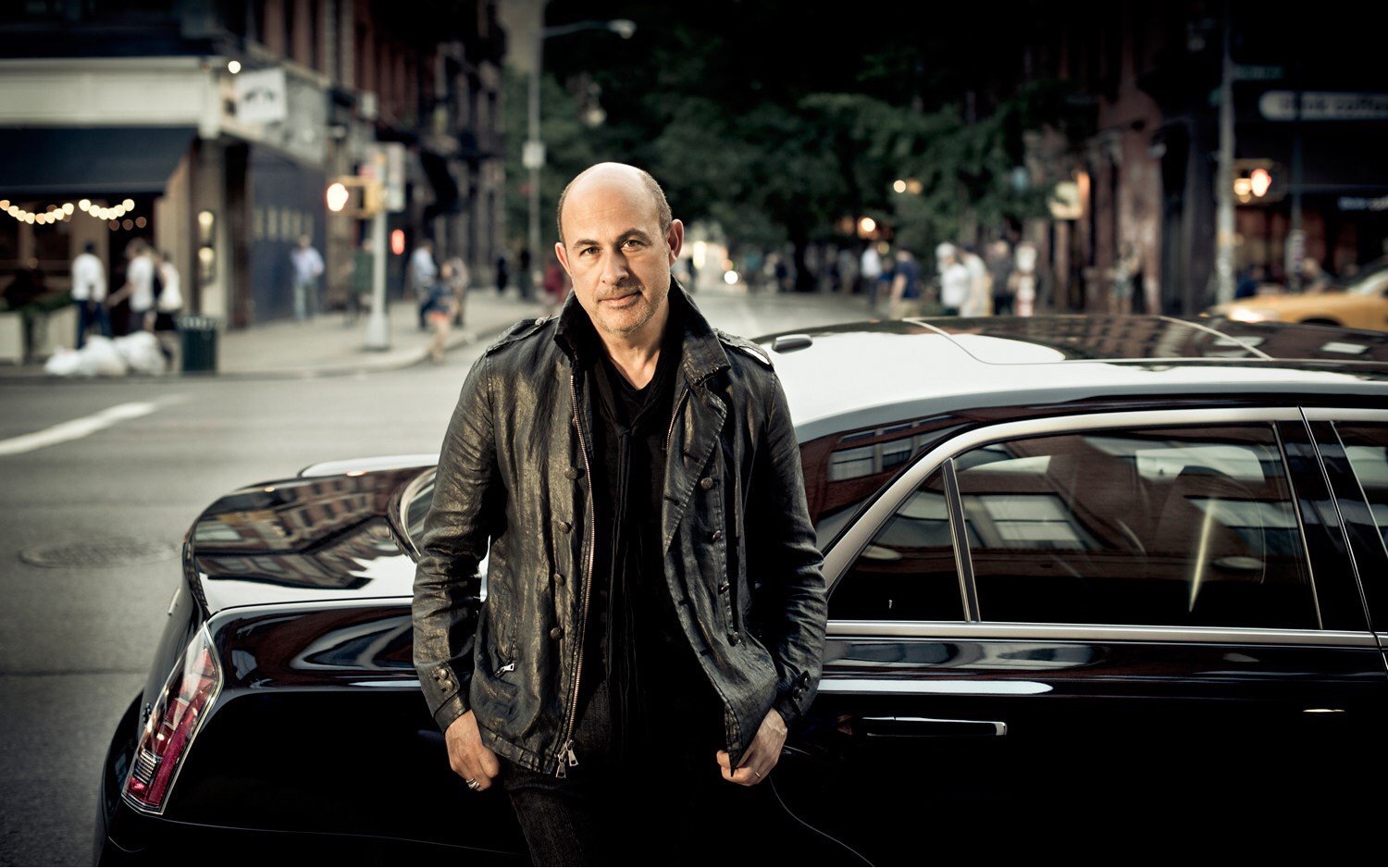
John Varvatos is a famous fashion designer and founder of the design company “John Varvatos” which specializes in menswear.
The Varvatos family is originally from the village of Poulata on the Greek island of Kefalonia. The Greek designer was born in Detroit and grew up in Allen Park.


In 1983, J. Varvatos began working at Polo Ralph Lauren. In 1990, he joined Calvin Klein as the head of department for menswear and managed the launch of men’s line. Five years later, he returned to Ralph Lauren as the design head for menswear for all the brands of the company and introduced the Polo Jeans line. His success led him to new positions inside the company.

In 1999, John Varvatos founded his own company and debuted his first apparel line in New York at the end of 2000. The same year, he opened his first store in SoHo, a New York City neighborhood. In his own words, he designs the line for “a guy who appreciates beautiful fabrics and great details, without being too over-the-top. My philosophy is about reaching back to move forward. I have something different to say with a sensibility that is both old and new”.

Shortly after launching his collection, John Varvatos receives the Council of Fashion Designers of America Perry Ellis Award for New Menswear Designer.

For the second year in a row, in 2001, J. Varvatos is presented with an award by the Council of Fashion Designers of America, this time for Menswear Designer of the Year.

In September 2001, Varvatos’ collaboration with Converse gets off to a wildly successful start. The collection respects Converse’s century-long heritage but is totally transformed by Varvatos’ unique vision and urban-rocker sensibility.

In March 2004, he launched his first fragrance for men. The cologne was called “John Varvatos Classic”. The fragrance collection has since grown to include “Vintage”, “Artisan”, “Artisan Black” and the “10th Anniversary Limited Edition”.

A year later, in 2005, the Greek designer received a second Council of Fashion Designers of America “Menswear Designer of the Year Award”, and in 2007 in GQ’s “Men of the Year” issue, John Varvatos is named Designer of the Year.


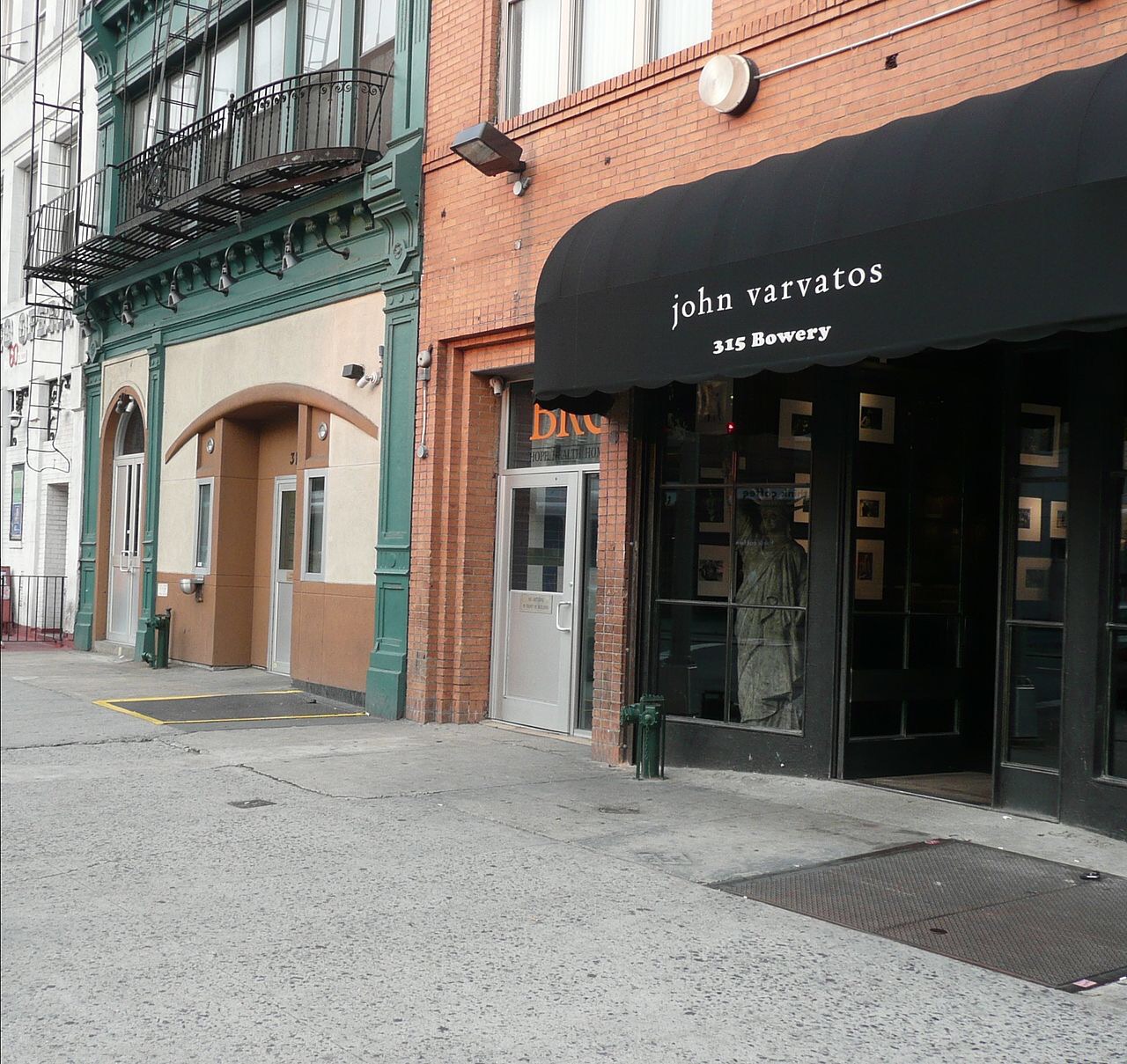
Store at Bowery Street 315, New York


Bottle of John Varvatos VINTAGE

https://www.johnvarvatos.com/

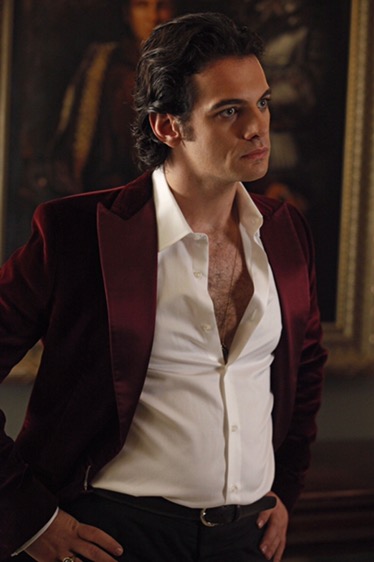
The Greek vampire Theodore Zoumboulidis of True Blood


Theodore Zoumboulidis, best known as Theo Alexander, is a Greek actor, who gained worldwide popularity with his role in the feature film El Greco and the television series True Blood.

Zoumboulidis was born in 1981 in Athens and used to reside at Glyfada. His family’s origins are from Istanbul and Mani.


Since his early age, he had always been looking for any opportunity to play a role even in school theatre performances. He later studied Business Management at the Boston University before studying acting at the Circle in the Square School in New York. His dream to become an actor forced him to stay in the United States. He currently lives in Los Angeles, the heart of world cinema.

In 2007, he played the role of Manousos in El Greco and has also appeared in CSI NY, Pushing Daisies and Chuck, where he played the role of a Greek mafioso.

“About the role of Chuck, I called my brother. He said, “Listen man, if you don’t book the job and he’s a Greek guy, just come back”.

In 2010, Theo Alexander played the role of Talbot in True Blood, adding to his popularity and fans. During the same year, he also landed in the list of The 12 Most Handsome Greek Men and in 2013 he appeared at the Berlin Festival for the film Meteora.

Flashback to the times that Greeks had the honor to be nominated for a Oscar

Take a “trip” with us to the Oscars:

Katina Paxinou

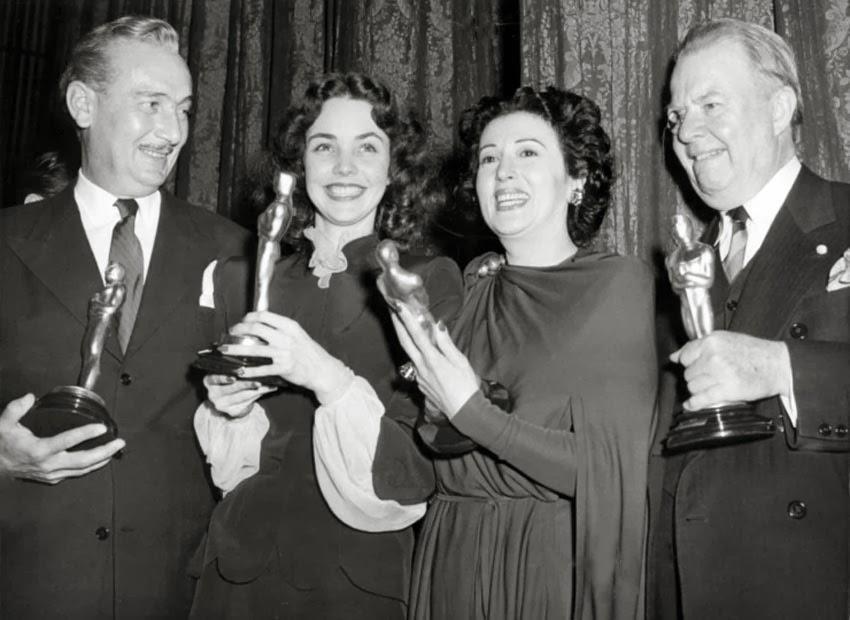
During the 16th Oscar Awards, in 1944, presented in Grauman’s Chinese Theater, in Los Angeles, Katina Paxinou becomes the first Greek actress ever to be honored with the Academy Award for Best Supporting Actress, for incarnating Pilar, in “For Whom The Bell Tolls”, by Ernest Hemingway. It was the first time that the ceremony was held in a theater and not a restaurant, and it was also the first time that the Best Supporting Actors/Actresses win an Oscar Statuette and not an honorary plaque. For that same acting, Paxinou also won a Golden Globe.

Manos Hadjidakis – Melina Mercouri – Theoni Aldredge

https://youtu.be/28EAWlOXrYs

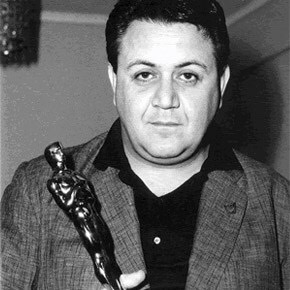
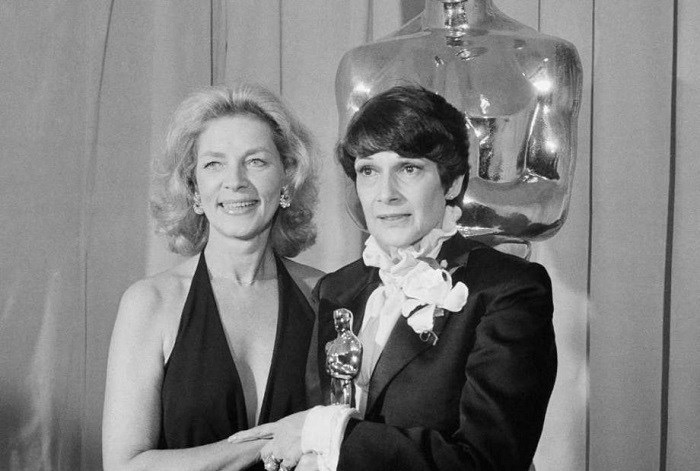
The self-exiled Jules Dassin directed in 1960 the legendary film “Never On Sunday”, starring Melina Mercoruri, with the music of Manos Hadjidakis, and having Theoni Aldredge as costume designer. Naturally, the film was nominated for 5 Oscars: Best Director, Best Original Screenplay, Best Costume Desing, Best Music, Original Song. It finally won the Best Music Award, but there was noone there to receive the Oscar. The Academy sent it to Manos Hadjidakis, but it was lost somewhere in Yugoslavia. After the journalists’ persistence, the composer agreed to hold the one that was given to Paxinou, for the sake of the photographers. A long time after that, the Academy sent him an exact copy.

Theoni Aldredge

Theoni Aldredge won the Best Costume Desing Award for “The Great Gatsby”, starring Robert Redford, in 1974.

Michale Cacoyannis

In 1962, “Electra”, by Michael Cacoyannis (his first time in the Oscars), was nominated for Best Foreign Language Film. Unfortunately, the film “Sundays and Cybete” prevailed. Two years laters, his film “Zorba the Greek”, won three Oscars (Best Supporting Actress for Lila Kedrova, Best Cinematography, for Walter Lassally and Best Art Direction-Set Decoration for Vassilis Photopoulos. The film was also nominated for Best Actor in leading role, Best Director, Best Picture and Best Writing, Screenplay Based on Material from Another Medium. A few years later, in 1978, in the 50th Oscar Awards, Michael Cacoyannis and his “Iphigeneia” are nominated for Best Foreign Language Film, but the french “Madame Rosa” was the winner.

Vasilis Georgiadis

Georgiadis’ films “Ta kokkina fanaria” and “Blood on the land” were nominated for Best Foreign Lanuage Film (in 1963 and 1965). None of them won the Oscar. The first because it had to compete with the magnificent film “ 8 ½” by Federico Fellini, and the second, lost from the “Shop On The Main Street”, a film from Czechoslovakia.

Petro Vlahos

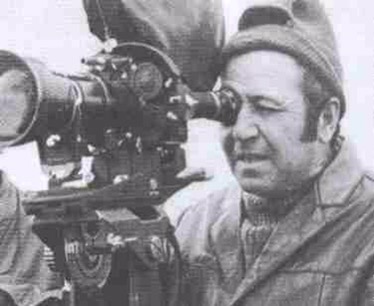
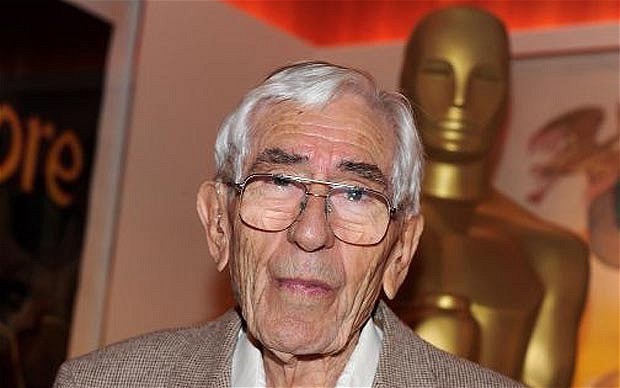
He won his first Oscar in 1964 for the “conception and perfection of techniques for color traveling matte composite cinematography”. In 1978, Petro won an Emmy Award for Ultimatte Compositing Technology. The Academy of Motion Picture Arts and Sciences gave him a Medal of Commendation in 1992. In 1993 he was the recipient of the Gordon E. Sawyer Award, his second Oscar. In 1995 he shared a third Oscar (Academy Scientific and Technical Award) with his son, Paul, for the blue-screen advances made by Ultimatte Corporation.

Costa Gavras

The film “Z” by Costa Gavras, which presents the murder of the lefttist MP Grigoris Lambrakis was nominated for two Oscars in the 42nd Academy Awards, in 1970, representing Algeria. It won the Best Film Editing Oscar and Best Foreing Language Film.

Vangelis Papathanasiou or “Vangelis”

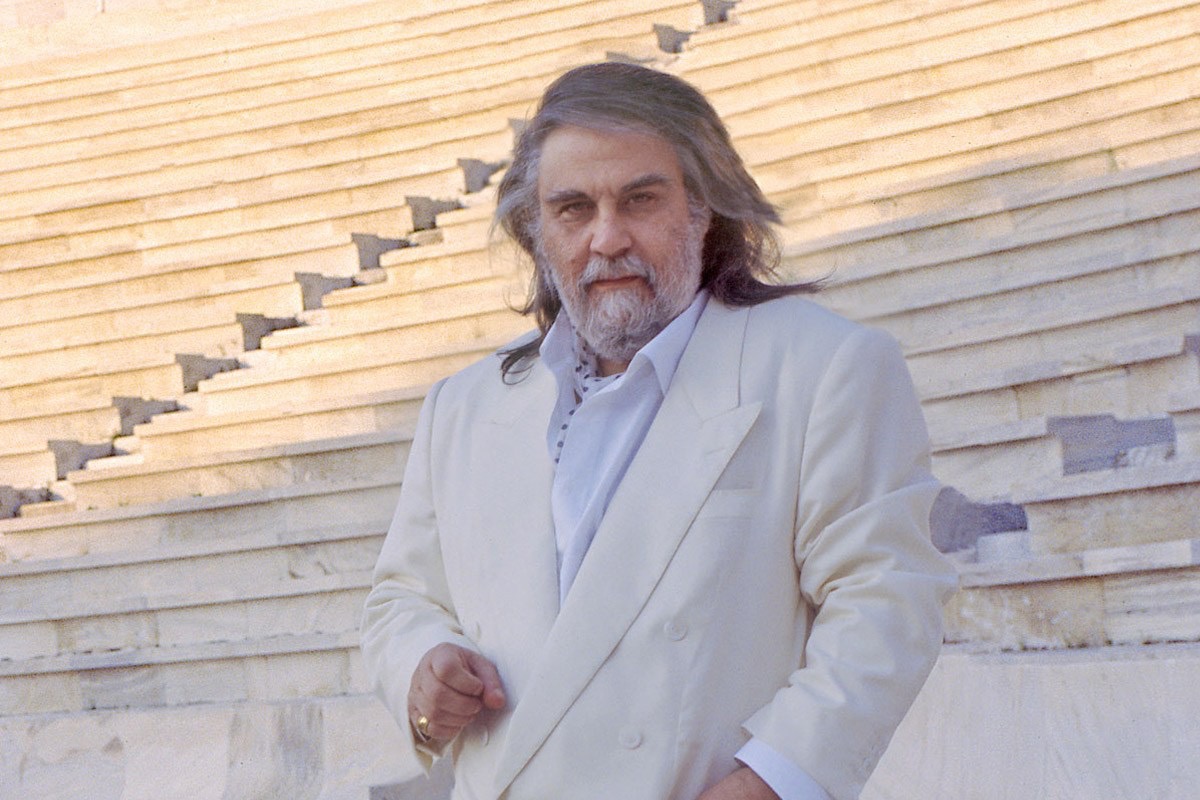
It was in 1982 that the composer Vangelis Papathanasiou won the Oscar for Best Music for the film “The Chariots of Fire”, a music theme that brings us in mind the great Olympic Games ever since.

Christina Lazaridi

In the category Best Short Film, Christina Lazaridi was nominated for “One Day Crossing”, but unfortunately didn’t get to win.

Yorgos Lanthimos

The film “Kynodontas” by Yorgos Lanthimos brought fame and glory to the greek cinema, being nominated as Best Foreign Language Film in 2011, and made the world see the greek cinema with a different view. Unfortunately, the film “In A Better World” from Denmark won instead. Lanthimos is again nominated in the category Original Screenplay for 2017 with “The Lobster”.

Elia Kazan

Elia Kazan won the Oscar for Best Director for “Gentleman’s Agreement” in 1948, starring Gregory Peck, and a few years later, in 1955, he won again with the film “On The Waterfront”, in which Marlon Brando won the Oscar for Best Actor in leading role. In 1963, his film “America America” was nominated for Best Picture, Best Director, Best Writing and Screenplay. Gene Callahan won the Oscar for Best Art Direction-Set Decoration. Elia Kazan receives an honorary Oscar from Martin Scorsese in 1999.

Nicholas Kazan

Elia’s son, Nicholas, was nominated for Best Writing, Screenplay Based on Material from Another Medium.

Olympia Dukakis

Olympia Dukakis won the Oscar for Best Supporting Actress in the film “Moonstruck”.

George Chakiris

In 1962 George Chakiris won the Oscar for Best Supporting Actor for the film “West Side Story”, and became the first actor to win an Oscar for his dancing skills.

Hermes Pan

Pan was born Hermes Panagiotopoulos in 1909 in Memphis, Tennessee, of Greek extraction. His father, the Greek consul in Memphis, Tennessee was from Kalavryta in Peloponnese, where his family had opened the first theatre. He is principally remembered as Fred Astaire’s choreographic collaborator on the famous 1930s movie musicals starring Astaire and Ginger Rogers. He won an Emmy Award for the 1958 television special An Evening with Fred Astaire and was recognized with a National Film Award in 1980, and by the Joffrey Ballet in 1986. He was awarded the 1937 Academy Award for Best Dance Direction for “A Damsel in Distress”. He had previously received Academy Award nominations for the “Top Hat” and “The Piccolino” numbers from Top Hat (1935) and for the “Bojangles of Harlem”‘ number from Swing Time (1936).

Telly Savalas

Telly Savalas was nominated for Best Actor in a Supporting role for the film “Birdman of Alcatraz”, in 1963.

Phedon Papamichael

He was nominated for the Oscar of Best Achievement in Cinematography in 2014, for the film “Nebraska”, which was directed by the also Greek Alexander Payne. The film was nominated for 6 Oscars: Best Motion Picture of the Year, Best Performance by an Actor in a Leading Role, Best Performance by an Actress in a Supporting Role, Best Achievement in Cinematography, Best Achievement in Directing, Best Writing, Original Screenplay.

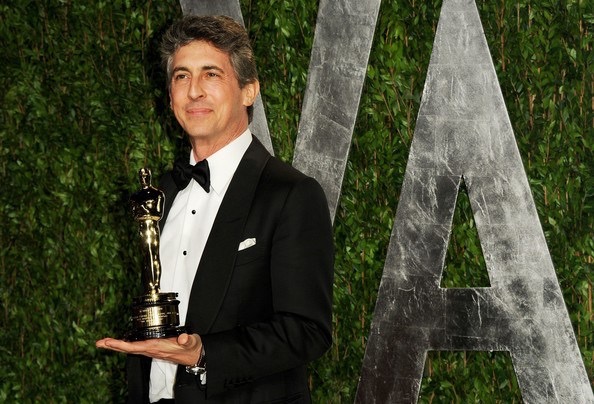
Alexander Payne

Payne is a two time winner of the Academy Award for Best Adapted Screenplay, and a three time nominee of the Academy Award for Best Director. Payne’s film “The Descendants” was nominated for 5 Oscars: Best Writing, Adapted Screenplay, Best Motion Picture of the Year, Best Performance by an Actor in a Leading Role, Best Achievement in Directing, Best Achievement in Film Editing. It finally won the Oscar for Adapted Screenplay.

Chris Sarandon

He was nominated for the Best Supporting Actor Oscar for the film “Dog Day Afternoon”.

John Cassavetes

He was nominated for three Oscars: Best Director (for the fiml “A Woman Under The Influence” in 1975), Best Writing, Story and Screenplay – Written Directly for the Screen (“Face” in 1969( and Best Actor in a Supporting Role (in the film “The Dirty Dozen”, 1968).

Dean Tavoularis

He had five Oscar nominations (Best Art Direction-Set Decoration for “The Godfather: Part III” (1990), Best Art Direction-Set Decoration for “Tucker: The Man and His Dream” (1988), Best Art Direction-Set Decoration for “Apocalypse Now” (1979), Best Art Direction-Set Decoration for “The Brink’s Job” (1978), and Best Art Direction-Set Decoration for “The Godfather: Part II” (1974), which he actually won.

Nia Vardalos

Nominated for Best Writing, Original Screenplay for the very successful “My Big Fat Greek Wedding”.

Alexandre Desplat

He has eight nominations for Best Achievement in Music Written for Motion Pictures (The Grand Budapest Hotel (2014), The Imitation Game (2014), Philomena (2013), Argo (2012), The King’s Speech (2010), Fantastic Mr. Fox (2009), The Curious Case of Benjamin Button (2008), The Queen (2006). He got to win the Oscar for The Grand Budapest Hotel.

Louie Psihoyos

Psihoyos won the Oscar for Best Documentary for the film “The Cove”.

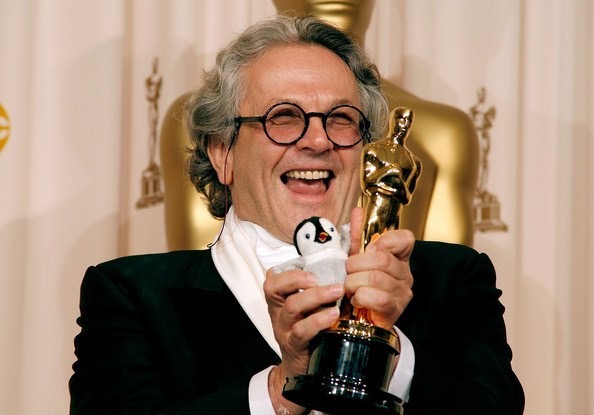
George Miller 

He is mostly famous for making the trilogy of the movie «Mad Max» (1979, 1981, 1985), and later on for «Happy Feet» (Oscar Award for Best Animated Feature Film of the Year 2006), and «Babe» (Oscar Award for Best Visual Effects in 1995). Mad Max is nominated for 10 Oscars.

Anthony Katagas


The Greek-American producer was one of the producers to win the award for Best Picture for “12 Years a Slave,” alongside Steve McQueen, Brad Pitt and Jeremy Kleiner. The noted Greek-American film producer, who has backed more than 30 films, hit the jackpot at the 2014 Academy Awards, winning an Oscar as one of the producers.

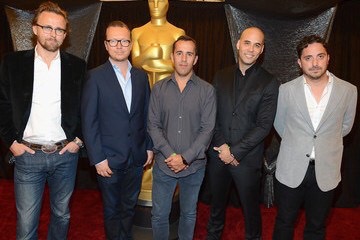
Nikolaj Arcel

He is best known for his 2012 film A Royal Affair which won two prizes at the Berlin International Film Festival and was nominated for Best Foreign Language Film at the Academy Awards.

Elizabeth Gianni- Georgiou

Elizabeth Gianni- Georgiou with David White are nominated in the category Makeup and Hairstyling, for their wotk in the movie Guardians of the Galaxy in 2015.

Mary Zophres


Mary Zophres is one of the most talented costume designers in Hollywood. She has worked with the most important directors of Hollywood like Steven Spielberg and Coen Brothers among others. In the movie “True Grit” she earned an Oscar nomination of the best Costume Designer.

Daphne Matziaraki


The Academy of Motion Picture Arts and Sciences announced that the 5 nominations for Documentary Short Subject for the 89th Academy Awards 2017. Among them Daphne Matziaraki’s documentary about the refugee crisis, «4.1 Miles».

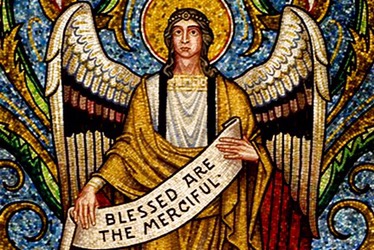
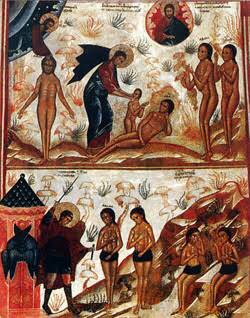
Tomorrow 26th February 2017, Cheesfare Sunday (Sunday of Forgiveness) THE REMEMBRANCE OF ADAM’S EXPULSION FROM PARADISE


Forgiveness Sunday, also called Cheesefare Sunday, is the final day of pre-Lent. It is the Sunday after Meatfare Sunday and the Sunday before the Sunday of Orthodoxy.

Significance of the day

On this last Sunday before Great Lent, the last day that traditionally Orthodox Christians eat dairy products until Easter, the Church remembers the expulsion of Adam and Eve from Paradise. God commanded them to fast from the fruit of a tree (Gen. 2:16), but they did not obey. In this way Adam and Eve and their descendants became heirs of death and corruption.
On Forgiveness Sunday many attend Forgiveness Vespers on the eve of Great Lent. They hear on the Lord’s teaching about fasting and forgiveness and enter the season of the fast forgiving one another so that God will forgive them. If you forgive men their trespasses, your heavenly Father will forgive you; but if you do not forgive men their trespasses, neither will your heavenly Father forgive you your trespasses (Matthew 6:14).

The Gospel reading of the day also gives advice on fasting. Moreover, when you fast, do not be like the hypocrites, with a sad countenance. For they disfigure their faces that they may appear to men to be fasting. Assuredly, I say to you, they have their reward. But you, when you fast, anoint your head and wash your face, so that you do not appear to men to be fasting, but to your Father who is in the secret place; and your Father who sees in secret will reward you openly. (Matthew 6:16-18).

The Rite of Forgiveness

After the dismissal at Vespers, the priest stands beside the analogion, or before the ambon, and the faithful come up one by one and venerate the icon, after which each makes a prostration before the priest, saying, “Forgive me, a sinner.” The priest also makes a prostration before each, saying, “God forgives. Forgive me.” The person responds, “God forgives,” and receives a blessing from the priest. Meanwhile the choir sings quietly the irmoi of the Paschal Canon, or else the Paschal Stichera. After receiving the priest’s blessing, the faithful also ask forgiveness of each other.

Now we are at the last day of the threshold before Great Lent. On this day, the Church remembers the terrible tragedy that happened to mankind at the dawn of its history—its expulsion in the person of our forefather Adam from the face of God; the expulsion of Adam from paradise.

The vale of tears and sadness—the earth—received the outcast, so that at God’s commandment the transgressor would reap thorns and thistles, so that he would eat his bread in the sweat of his brow, so that in pain, tears, and sadness he would give birth to his children and feed them, so that he would reap all the bitter fruits of his disobedience to the Heavenly Father.

Adam wept in his exile, sitting “outside of paradise”; he wept, remembering what he was, what he possessed, and Who he lost. To this day, all mankind weeps and sighs over the first Adam, over the now elusive phantom of happiness. The whole world, harassed and weary, weeps because of its waywardness, because of its naked soul; because life is aimless and joyless. Nothing can fill our life so that we might unconditionally feel the fullness of true—not phantom—happiness; for this fullness is only in God.

But we are exiles. Paradise is far away, and the farther mankind lives from the time of the fall, the more shadowy that beautiful image of paradise becomes in him, the deeper is mankind’s pain and suffering, and the more the image and likeness of God is erased from his soul. The world would have perished long ago, had not the Second Adam, Christ, not reopened locked paradise and given man the opportunity to return to it.

We now bear the weight and sorrow of the life of an exile. Even we, who live the life of the Church, know also the paradisal joy of the open Royal doors, and the life-creating, jubilant words, “Christ is Risen!”; in them is the original nearness to divine love for man. But preceding this paradisal joy on earth is Great Lent, and the Church continually teaches that what we have lost through sin, we can find and regain only through repentance, podvig, and ascetic labors of great temperance.

Just a few hours will pass, and we will all notice with amazement that something will change around us and within us; something will happen that will place a seal of particular concentration and attention upon everything. And along with the Church, we must pass from the call to repentance to the very labors of repentance, to the work of repentance.

Our Mother-Church received the Lord’s commandment of the healing fast, which could be heard in Old Testament times for the people of God through the Prophet Joel: Now therefore, saith the Lord your God, turn to me with all your heart, and with fasting, and with weeping, and with lamentation… sanctify a fast, proclaim a solemn service … assemble the elders… and all the inhabitants of the Lord’s house, Let the priests that minister to the Lord weep, and say, Spare thy people, O Lord, and give not thine heritage to reproach… (Joel 2:12, 15, 16, 17).

The Second Adam, Jesus Christ, began the path of His labors with a great forty days fast, so that by His divine love for fallen man He might open again locked paradise and show the way by which man may return to it.

The Holy Gospels testify that, Then was Jesus led up of the Spirit into the wilderness… And when he had fasted forty days and forty nights, he was afterward an hungered (Mt. 4:1–2). And the devil came to Him and tempted Him. Great is the audacity and blindness of the dark power. Having made progress in tempting man in paradise, it began to war against God unto blindness, not recognizing in Christ the Savior and Son of God; it approached His meekness, humility, patience, purity, and holiness with the darkness of temptations woven from pride, betrayal, conceit, and lies. But sinless Christ God, Who needed no purification, opposed the tempter with fasting and prayer, showing all of us who follow Him the path of struggle with sin. And the Lord confirmed by word and deed that this kind goeth not out but by prayer and fasting (Mt. 17:21).

By prayer and fasting, the Christian receives the strength of the Spirit from the Lord for his struggle with the enemy; through fasting and prayer he receives the gift of discernment and the mind of Christ; prayer and fasting lights the light, which disperses the darkness of sinful life, for, The light shineth in darkness; and the darkness comprehended it not (Jn. 1:5).

But by his will, man chooses between a path of corruption and incorruption, good and evil. If woe, suffering, and death entered life through the sin of disobedience to God, then only through obedience, prayer, and fasting—our living sacrifice of love for God—can the light of supreme righteousness, peace, and joy return. And this, my dear ones, is paradise on earth.

However, according to God’s commandment, love for God on earth manifests only as love for people. The heart of a Christian can warm itself and burn only with a two-in-one love for God and people simultaneously. If our heart is hard and cruel toward our brother, to man, then darkened by dislike, coldness, and cruelty, it becomes indifferent or hypocritical toward God. And paradise, which could have been so close—in our heart—leaves and fades, and the sin of lack of love gives birth to disobedience, conceit, and self-love.

But how can we love a sinner? How can we love those who do not love us, our enemies? Here also, the Lord comes to our aid. He gives us the Lord’s prayer. We hear every day, “And forgive us our debts, as we forgive our debtors…”

By this prayer the Lord is saying to us, look at yourself:

—after all, you are that very debtor who needs to be forgiven;

—you are that very sinner;

—you are the one who does not love—you love by choice;

—you are someone’s enemy—you have offended someone, had contempt for someone, humiliated someone.

You yourself need forgiveness, you need condescending love.

The words of today’s Gospel also resound: For if ye forgive men their trespasses, your heavenly Father will also forgive you: But if ye forgive not men their trespasses, neither will your Father forgive your trespasses (Mt. 6:14-15). Forgive everyone everything, and you will be forgiven. Forgive, and you will be saved, and you will inherit paradise.

Following immediately after these words of the Lord about forgiveness are these other words: Judge not, and ye shall not be judged (Mk. 7:1).

In these words the Lord shows a very short and most sure path to salvation, which opens to us the gates of the Kingdom of Heaven. The Lord shows us that virtue, without which all our ascetic labors and efforts in life in general, and during the Great fast in particular, will be in vain. Furthermore this is the only path—the path of love for people, beginning with non-judgment.

Judge not, and ye shall not be judged… In His first Coming, the Lord came not to judge the world, but to save it. He came to open locked paradise to it. After all, God gave all judgment to His Son at the Second Coming; but for now, mercy rejoiceth against judgment (Js. 2:13).

Now is yet the time of God’s mercy. God still has mercy on us, but we judge and enforce. Having no doubts at all, we lift ourselves up in opinion and judgment over our neighbors, both near and far, small and great. We judge when we know much; we judge when we know nothing at all; we judge from other people’s words.

Just think, my dear ones, our judgment, as the judgment of an enemy, extends even to the Savior Himself. A person has sinned before God, before people, and we are witnesses of it. But we did not see how he repented, and we did not hear the priest’s consoling words pronounced over his head: “And by the authority given to me, I forgive and absolve all your sins, in the name of the Father, the Son, and the Holy Spirit.” God’s mercy has already erased the handwriting of sins, but we continue to remember and judge. This is no longer judgment over a man, but a judgment over God, Who has been merciful and forgiven.

Thus, we perish by judgment. For where there is judgment, there is no love. Only love is capable of being at all times an advocate, and only love can cover our brother’s nakedness.

But we judge! And this judgment becomes our own condemnation and sentence, which sounds like this: For he shall have judgment without mercy, that hath shewed no mercy (Js. 2:13)! And paradise cannot receive us, for we have no love in us. Where there is no love, there is no salvation.

Today, beginning with the podvig of Great Lent, let us, friends, resolve two major spiritual lessons: do not judge and do not tempt! So that we might root ourselves in saving, blessed non-condemnation, that we might place a beginning of this podvig during the very first days of Great Lent, we must learn to see, judge, and condemn only ourselves—the only person that we truly know, from all sides and deeply. This is where judgment without mercy will be unto salvation; for this is the only judgment that will lead us to true reason. It gives us a vision of that abyss on the edge of which we stand, and which we dig out by our sins, our debts to God and people, and by our condemnation of others.

This judgment of ourselves will tear a living, saving cry from our hearts that will reach the heavens: “Lord! Have mercy on me. O God, be merciful to me, a sinner!” And the miracle of our salvation will begin. The Lord will console our repentant souls and hearts with peace, calm, and love. In the words of our dear elder, St. Seraphim of Sarov, “Acquire the spirit of peace, and thousands will be saved around you”—transformation will begin in life around us.

“Now is the spring of the soul!” Holy and Great Lent is at the doors. May the seed of our repentance and prayer sprout forth by it, and produce the saving fruits of our soul’s resurrection in God.

Children of God!

“May your mind fast from vain thoughts;

may your will fast from evil desires;

may your eyes fast from seeing evil;

may your ears fast from base songs and calumnious whisperings;

may your tongue fast from slander, condemnation, lies, flattering, and foul language;

may your hands fast from striking, and from stealing what does not belong to you;

may your feet fast from walking to evil deeds.”

This is the Christian fast, which the Lord expects of us.

Our friends, let us enter the Great Fast, let us enter the field of its ascetic labors—repentance, temperance, and humility—and confirm ourselves in them; so that having received forgiveness, we may meet Christ’s resurrection, Holy Pascha—the heavenly radiance on earth.

Amen.
Source: Archimandrite John (Krestiankin)

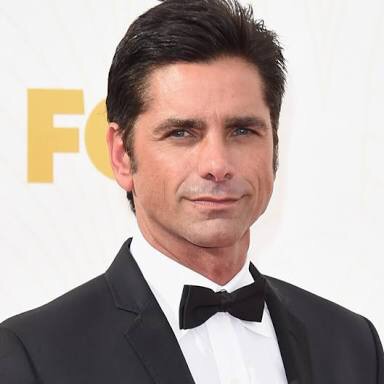
John Stamos to Appear on Who Do You Think You Are?

LOS ANGELES, CA – Beloved Greek-American actor John Stamos will appear on the TLC show Who Do You Think You Are? airing on March 5 at 10 PM. Now in its 7th season, the show traces celebrities’ ancestry and discovers the remarkable family history and heritage of some of the most well-known people in the world.  John Stamos digs into the mystery of how his grandfather became an orphan, and learns of tensions between families that led to a horrible crime.

The celebrities participate in the investigation, traveling to the countries their ancestors left behind, revealing their family stories like a mystery through the documents and historical records the show’s researchers help uncover.

Stamos traveled to Greece to explore his roots for the show. The trailer for the upcoming season shows footage of Stamos observing that, “my family are such proud Greeks. Why did we leave here?”

The family’s original surname was Stamatopoulos, shortened to Stamos, as noted in the actor’s biography, and his father William Stamos, was a restaurateur. On his mother’s side, Stamos is of English and Irish ancestry. Family secrets are revealed in the course of the show and the trailer suggests some dramatic and dark history, including a murdered ancestor.

Who Do You Think You Are? featuring John Stamos and his family history will air on TLC on March 5 at 10 PM, check your local listings for the time in your area. Among the celebrities to appear on the show this season are Courteney Cox, Jessica Biel, Noah Wyle, Julie Bown, Liv Tyler, Smokey Robinson, and Jennifer Grey.

Το «κακό μάτι» και ο Γέροντας Παΐσιος

Η βασκανία

Η ζήλεια, όταν έχει κακότητα, μπορεί να κάνει ζημιά. Αυτή είναι η βασκανία· είναι μια δαιμονική ενέργεια.

– Γέροντα, τη βασκανία την παραδέχεται η Εκκλησία;

– Ναι, υπάρχει και ειδική ευχή (Ο Γέροντας τόνιζε πως μόνο ο ιερέας μπορεί να διαβάζει την ευχή για βασκανία). Όταν κανείς λέει κάτι με φθόνο, τότε πιάνει το «μάτι».

– Πολλοί, Γέροντα, ζητούν «ματάκια» για τα μωρά, για να μην τα ματιάζουν. Κάνει να φορούν τέτοια;

– Όχι, δεν κάνει. Να λέτε στις μητέρες σταυρό να τα φορούν.

– Γέροντα, αν κανείς επαινέσει ένα ωραίο έργο, και αυτοί που το έφτιαξαν δεχθούν τον έπαινο με υπερήφανο λογισμό και γίνει ζημιά, αυτό είναι βασκανία;

– Αυτό δεν είναι βασκανία. Σ’ αυτήν την περίπτωση λειτουργούν οι πνευματικοί νόμοι. Παίρνει τη Χάρη Του ο Θεός από τον άνθρωπο, και τότε γίνεται ζημιά. Βασκανία υπάρχει σε σπάνιες περιπτώσεις. Ιδίως oι άνθρωποι που έχουν ζήλεια και κακότητα – λίγοι είναι τέτοιοι – αυτοί είναι που ματιάζουν. Μια γυναίκα λ.χ. βλέπει ένα παιδάκι χαριτωμένο με την μάνα του και λέει με κακότητα: «Γιατί να μην το είχα εγώ αυτό το παιδί; Γιατί να το δώσει ο Θεός σ’ αύτη;» Τότε το παιδάκι εκείνο μπορεί να πάθει ζημιά- να μην κοιμάται, να κλαίει, να ταλαιπωρείται, γιατί εκείνη το είπε με μια κακότητα. Και αν αρρώσταινε και πέθαινε το παιδί, θα ένιωθε χαρά μέσα της. Άλλος βλέπει ένα μοσχαράκι, το λαχταρά, και αμέσως εκείνο ψοφάει.

Πολλές φορές όμως μπορεί να ταλαιπωρείται το παιδί και να φταίει η ίδια η μάνα. Μπορεί δηλαδή η μάνα να είδε καμιά φορά κανένα αδύνατο παιδάκι και να είπε: «Τί είναι αυτό; Τί σκελετωμένο παιδί!» Να καμάρωνε το δικό της και να κατηγόρησε το ξένο. Και αυτό που είπε με κακία για το ξένο παιδί, πιάνει στο παιδί της. Μετά το παιδί ταλαιπωρείται εξ αιτίας της μάνας, χωρίς να φταίει. Λειώνει-λειώνει το καημένο, για να τιμωρηθεί η μάνα και να καταλάβει το σφάλμα της. Τότε φυσικά το παιδί θα πάει μάρτυρας! Τα κρίματα του Θεού είναι άβυσσος.
(Γέροντος Παϊσίου Αγιορείτου Λόγοι Α΄, Με πόνο και αγάπη για το σύγχρονο άνθρωπο, Ιερόν Ησυχαστήριον «Ευαγγελιστής Ιωάννης ο Θεολόγος» Σουρωτή Θεσσαλονίκης 1998,σ. 109).

Fascinating radio interview with George Michael

Fascinating and funny radio interview with George Michael on his pneumonia battle, music and politics.