Ancient Egyptian mummies discovered in tomb near Luxor

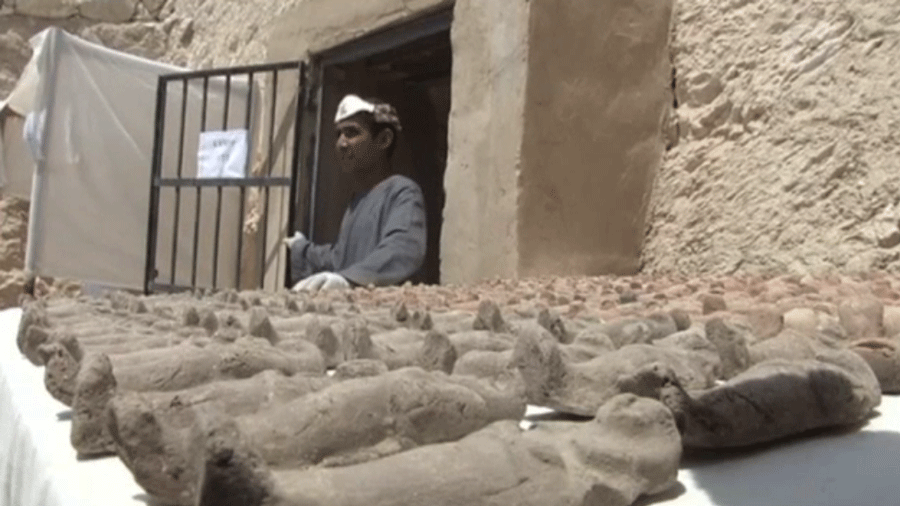
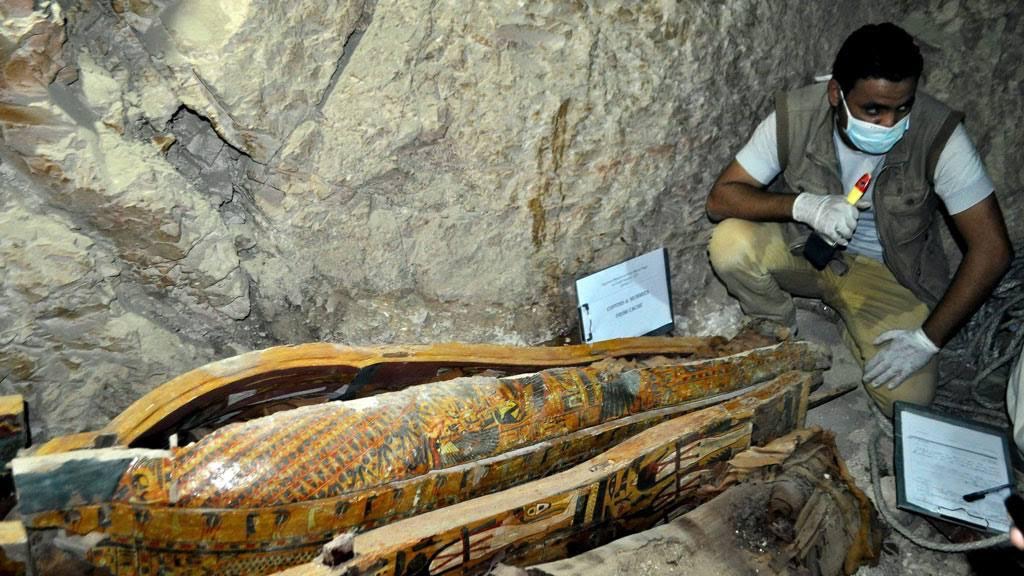
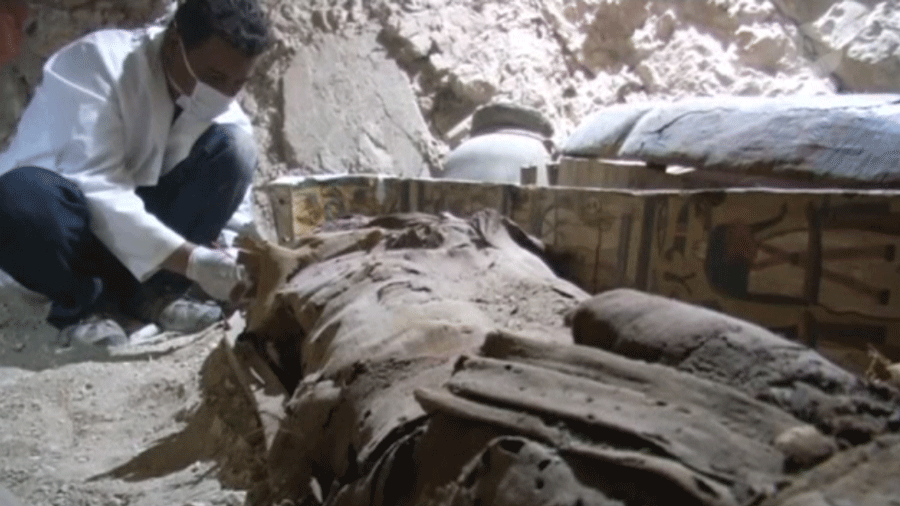
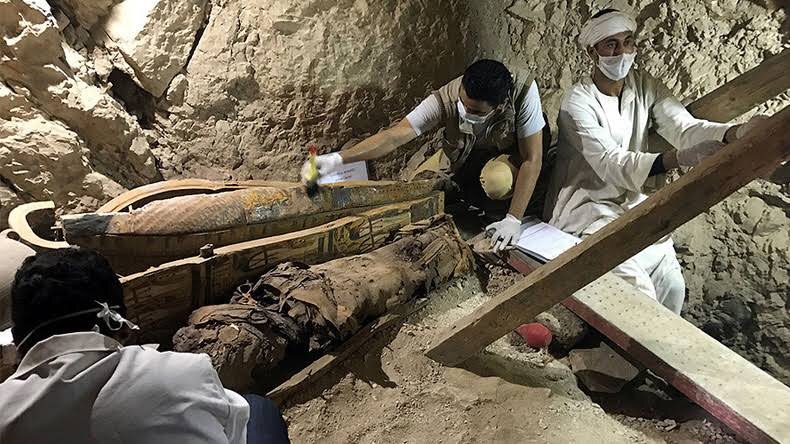
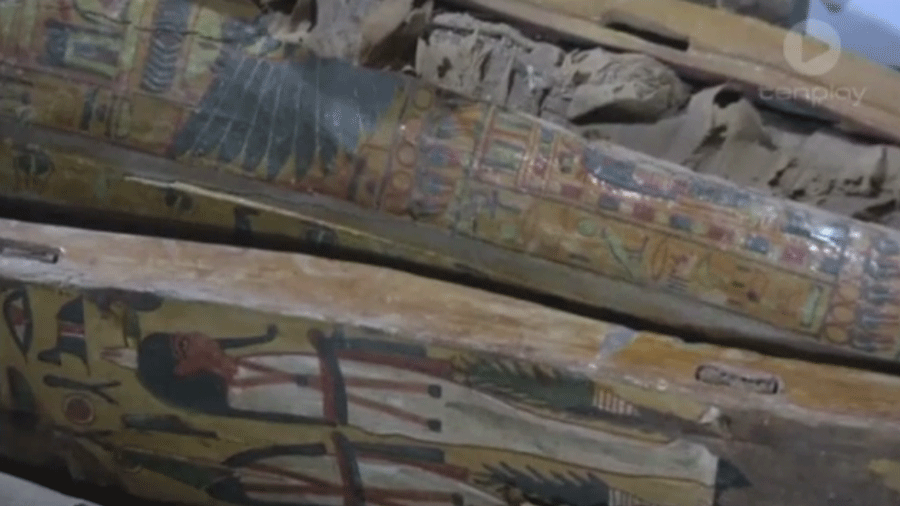
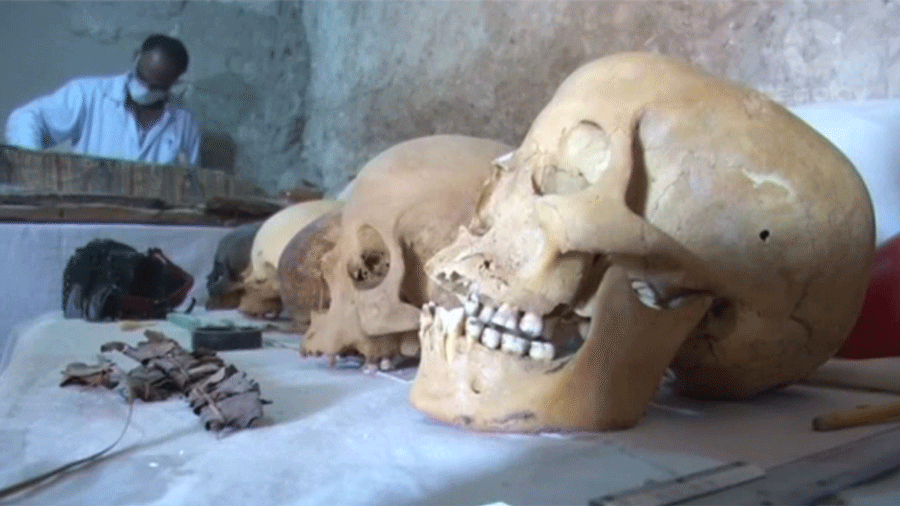
Egyptian archaeologists have discovered several mummies, 10 colourful sarcophagi, and more than 1000 funeral statues in an ancient tomb.

The discovery was made on the west bank of the Nile River in Luxor, near the Valley of the Kings. 

The Antiquities Ministry said the tomb was constructed for Userhat, a judge who lived during the New Kingdom period, from approximately 1500 to 1000 BC.

The tomb contained an open courtyard which lead into two halls, one which held four coffins, and the other housing six.

“There are 10 coffins and eight mummies. The excavation is ongoing,” Mostafa Waziri, the head of the archaeological mission, told AFP.

Waziri said the tomb has been opened to hold more mummies during the 21st Dynasty approximately 3000 years ago, to protect them during a time of tomb-robbing.


Inside one of the rooms, archaeologists found a vast collection of figurines and masks.

“It was a surprise how much was being displayed inside the tomb,” Egypt’s antiquities minister Khaled el-Enany told reporters.

“We found a large number of Ushabti(figurines), more than 1000 of them,” he said.

The coffins were well-preserved, and were found to be painted in red, blue, black, green, and yellow.

Another room inside the ancient tomb was discovered, and is yet to be excavated.

“There is evidence and traces that new mummies could be discovered in the future,” Nevine el-Aref, spokeswoman for the antiquities ministry said.

ISIS Gunmen Attack Historic St. Catherine Greek Orthodox Monastery in Egypt 

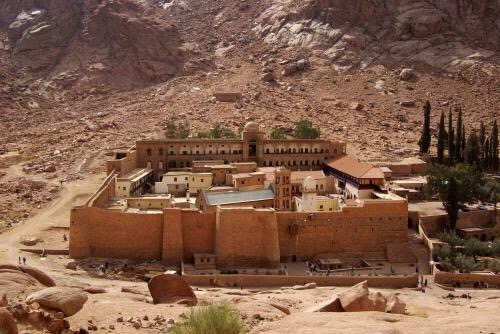
One of the world’s most important Christian sites came under gun attack. The Greek Orthodox Monastery of St. Catherine, built over 1,500 years ago is one of Christianity’s holiest sites.

Gunmen opened fire on an Egyptian police checkpoint near the monastery killing one policeman and wounding four others. The gunmen then retreated and did not reach the monastery compound, which is heavily fortified and guarded by Egyptian police and security forces.

ISIS claimed responsibility for the attack via its news agency.

The attack on the monastery comes just over a week after suicide bombers attacked two Coptic Christian churches in the Nile Delta city of Tanta and the coastal city of Alexandria, killing 45 people on Palm Sunday. 

According to the officials, the gunmen were shooting from an elevated hilltop overlooking the police checkpoint just outside the monastery, which is located in a remote desert and mountainous area in the southern part of the Sinai Peninsula, where, according to scripture, God spoke to the prophet Moses from a burning bush.

The Greek Orthodox monastery was a popular destination, primarily for Orthodox Christian pilgrims, but was closed to the public for security reasons in 2015, leaving only the monks and clergy inside the compound.

According to Orthodox Christian history, in the early 4th century, St. Helena, mother of Constantine the Great, built the Chapel of the Burning Bush at the site where Moses is supposed to have seen the miracle.

The fortified walls were built around the chapel by the Byzantine emperor Justinian (who also commissioned the Hagia Sophia) starting in 527. The Church of the Transfiguration was completed by Justinian’s workers in the 560s, around the time of his death.

In 2002, the area centering on St. Catherine’s Monastery was declared a World Heritage Site by UNESCO because of Mt. Sinai’s importance in three major world religions (Judaism, Christianity and Islam), the natural environment of the area and St. Catherine’s historic architecture and art.


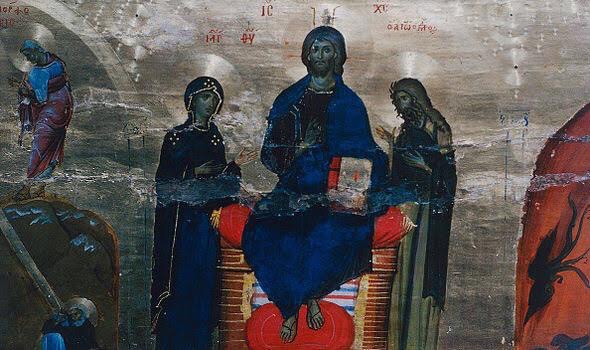
In 628 AD, a delegation from St. Catherine’s Monastery came to Prophet Muhammed and requested his protection. He responded by granting them a charter of rights, which I reproduce below in its entirety. St. Catherine’s Monastery is located at the foot of Mt. Sinai and is the world’s oldest monastery. It possess a huge collection of Christian manuscripts, second only to the Vatican, and is a world heritage site. It also boasts the oldest collection of Christian icons. It is a treasure house of Christian history that has remained safe for 1,400 years under Muslim protection.

The Promise to St. Catherine:

“This is a message from Muhammad ibn Abdullah, as a covenant to those who adopt Christianity, near and far, we are with them.

Verily I, the servants, the helpers, and my followers defend them, because Christians are my citizens; and by Allah! I hold out against anything that displeases them.

No compulsion is to be on them. Neither are their judges to be removed from their jobs nor their monks from their monasteries. No one is to destroy a house of their religion, to damage it, or to carry anything from it to the Muslims’ houses.

Should anyone take any of these, he would spoil God’s covenant and disobey His Prophet. Verily, they are my allies and have my secure charter against all that they hate.

No one is to force them to travel or to oblige them to fight. The Muslims are to fight for them. If a female Christian is married to a Muslim, it is not to take place without her approval. She is not to be prevented from visiting her church to pray. Their churches are to be respected. They are neither to be prevented from repairing them nor the sacredness of their covenants.

No one of the nation (Muslims) is to disobey the covenant till the Last Day (end of the world).”

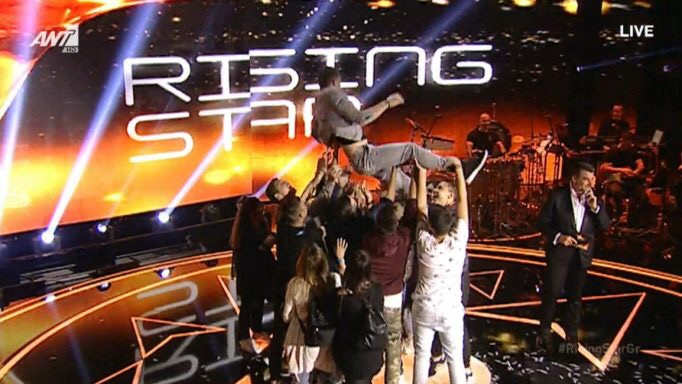
Γιάννης Ξανθόπουλος – Έτσι ξαφνικά – Νικητής Rising Star Greece 17/4/17

Θρίλερ στο φινάλε του show! Τα δεκαδικά ψηφία ανέδειξαν τον νικητή σε μια ψηφοφορία για γερά νεύρα!

Ο Γιάννης Ξανθόπουλος είναι ο μεγάλος νικητής του Rising Star. Ο παίκτης που υπήρξε φαβορί από την αρχή του παιχνιδιού νίκησε στην τελευταία μονομαχία τον Σωτήρη Καρυστινό, σε μια ψηφοφορία πραγματικό θρίλερ! Η νίκη κρίθηκε στον πόντο καθώς το τελικό σκορ ήταν 72,28% για τον Γιάννη Ξανθόπουλο και 72,14% για τον Σωτήρη Καρυστινό!

https://youtu.be/GV5310TBzt4

Rising Star, το πιο πρωτοποριακό και διαδραστικό talent show παγκοσμίως που έχει σπάσει κάθε ρεκόρ ενεργού συμμετοχής των τηλεθεατών στη διαδικασία επιλογής των υποψηφίων, έκανε πρεμιέρα στον ΑΝΤ1! 

Τους υποψήφιους αναλαμβάνουν να αξιολογήσουν 4 κορυφαίοι καλλιτέχνες της ελληνικής μουσικής σκηνής. Ο Αντώνης Ρέμος, η Δέσποινα Βανδή, ο Κώστας Μακεδόνας και ο Χρήστος Μάστορας (Frontman του συγκροτήματος ΜΕΛΙSSES) παίρνουν θέσεις και ετοιμάζονται να μας χαρίσουν δυνατές στιγμές. 

Την παρουσίαση του Rising Star αναλαμβάνει ο Γιώργος Λιάγκας. Οι auditions του Rising Star που πραγματοποιήθηκαν σε Αθήνα, Γιάννενα, Πάτρα, Θεσσαλονίκη, Ηράκλειο Κρήτης και Κύπρο, σημείωσαν ρεκόρ συμμετοχών. Συνολικά, 3500 άτομα έλαβαν μέρος στις auditions με στόχο να κάνουν το όνειρο τους πραγματικότητα. 

Ο μεγάλος νικητής του ελληνικού Rising Star θα λάβει δυο μοναδικά έπαθλα. Ένα πλήρες δισκογραφικό συμβόλαιο με την εταιρία Heaven Music αξίας 35.000€ καθώς και το χρηματικό ποσό των 50.000€. Το Rising Star έχει ανατρέψει τα δεδομένα στα talent shows παγκοσμίως αποτελώντας την απόλυτη καινοτομία στην τηλεοπτική ψυχαγωγία.

Demetra Tsavaris Lecourezos back with new kid’s book on Greece

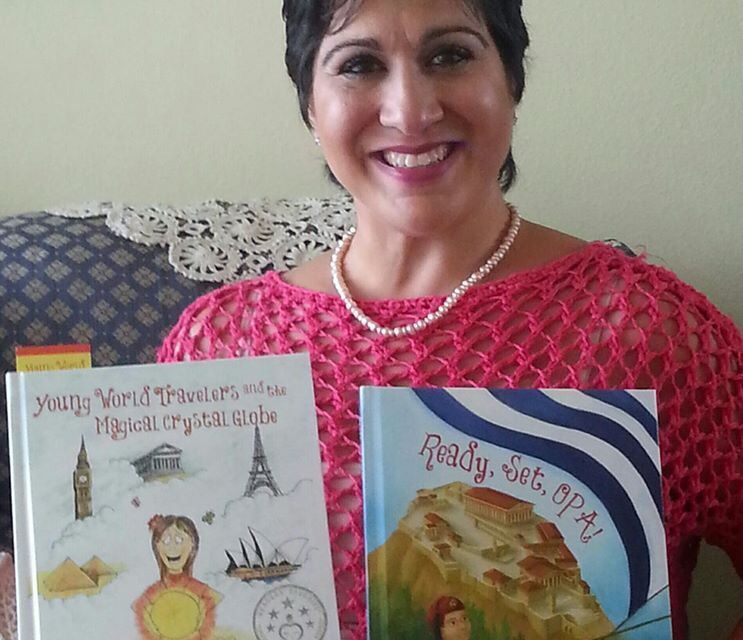
Tarpon Springs – Greek-American author Demetra Tsavaris Lecourezos will be releasing her newest children’s book, “Ready, Set, OPA!” It is set in Greece.

In her interview with a local television station, Tsavaris Lecourezos shared that she never thought that she would write a children’s book, let alone two. Her life-changing moment began with her daughter, Katerina, who is featured in the book as one of the characters. “I wanted to teach her as much as I could. That was my main goal,” Tsavaris Lecourezos said.

A resident of Tarpon Springs, Florida, Tsavaris Lecourezos is embarking on a book tour, where she will teach children all over the country about Greece.

In this new book, she takes her readers on a journey to Greece where they explore such iconic structures as the Parthenon and she will take them back to the Olympic Games all thanks to a magical crystal globe that allows her characters to anywhere in the world, as long as they have imagination. This book is a great way to learn more about Greece’s history and its culture.

Ready, Set, OPA! is the follow-up to her first book, the critically-acclaimed Young World Travelers and The Magical Crystal Globe, where she took her readers on a journey to Queens, New York.

For more information on her new book, Ready, Set, OPA!, check out its official Facebook page, and follow her on Twitter.

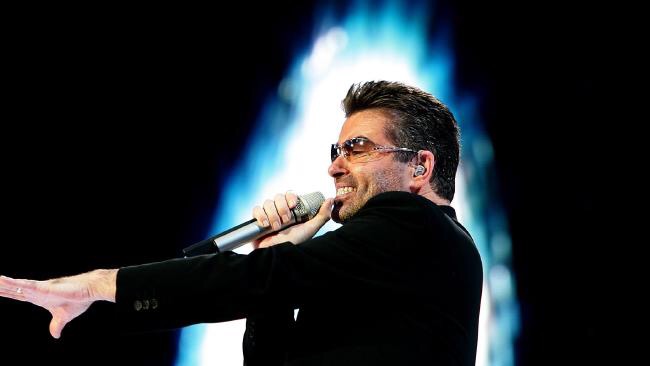
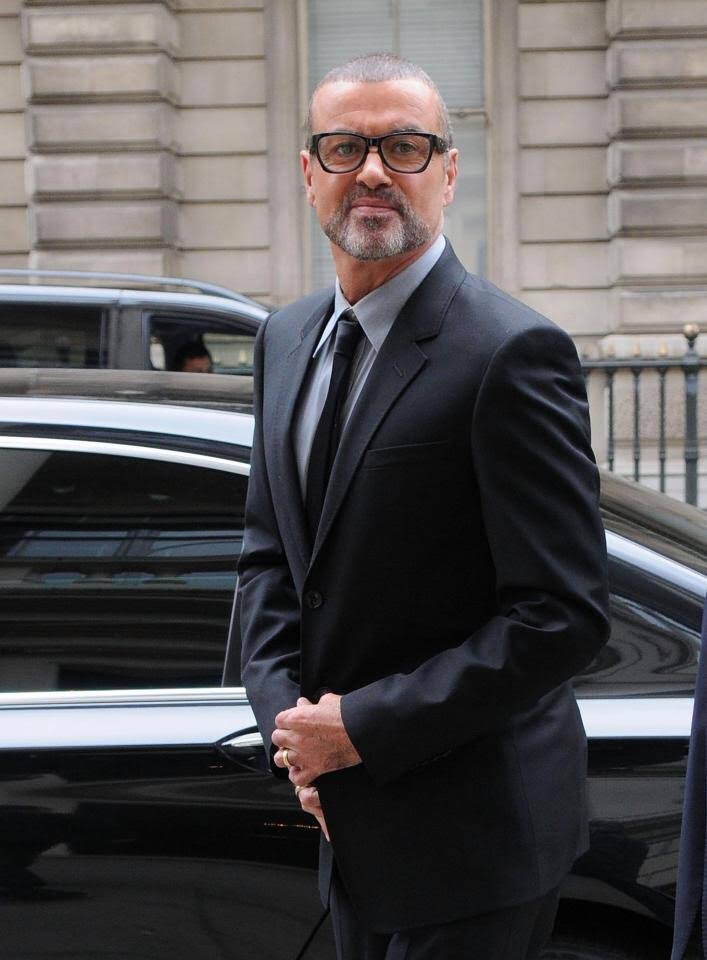
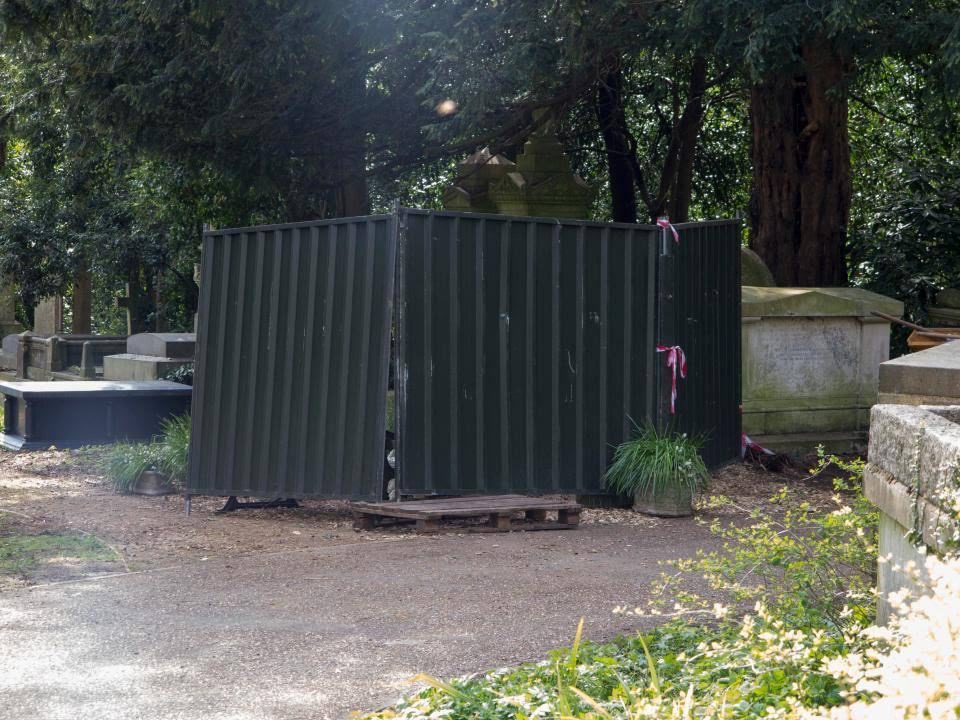
George Michael’s grave is seen for the first time after protective screens are removed from the family plot

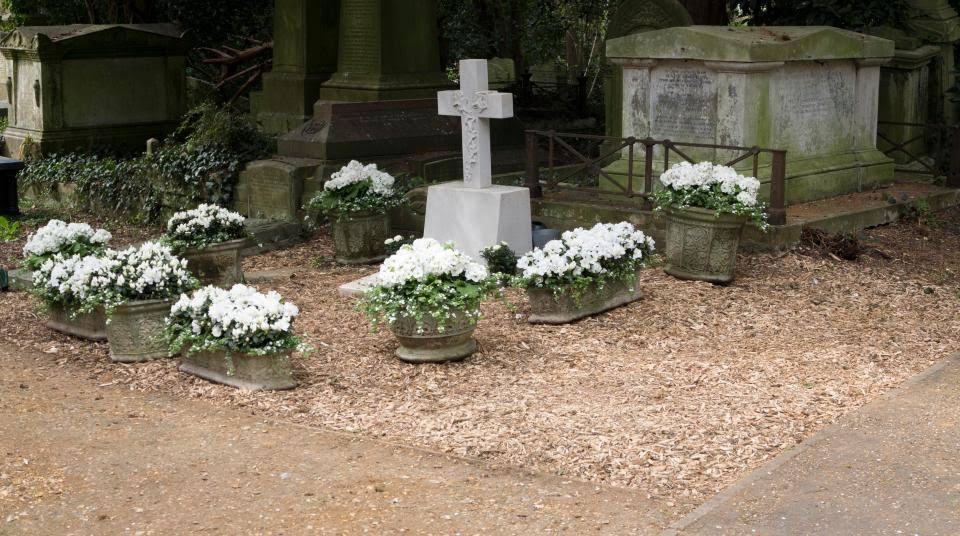
There was no sign of a headstone for the superstar on the family plot in Highgate Cemetery, North London.

GEORGE Michael’s final resting place can be seen for the first time after a protective barrier was taken down.

But there was no sign of a headstone for the superstar among the fresh white flowers on the family plot in Highgate Cemetery, North London.

The star was buried on his family’s plot in Highgate Cemetery, North London

The star was buried on his family’s plot in Highgate Cemetery, North London


His family have kept private their plans for any markings on the star’s grave

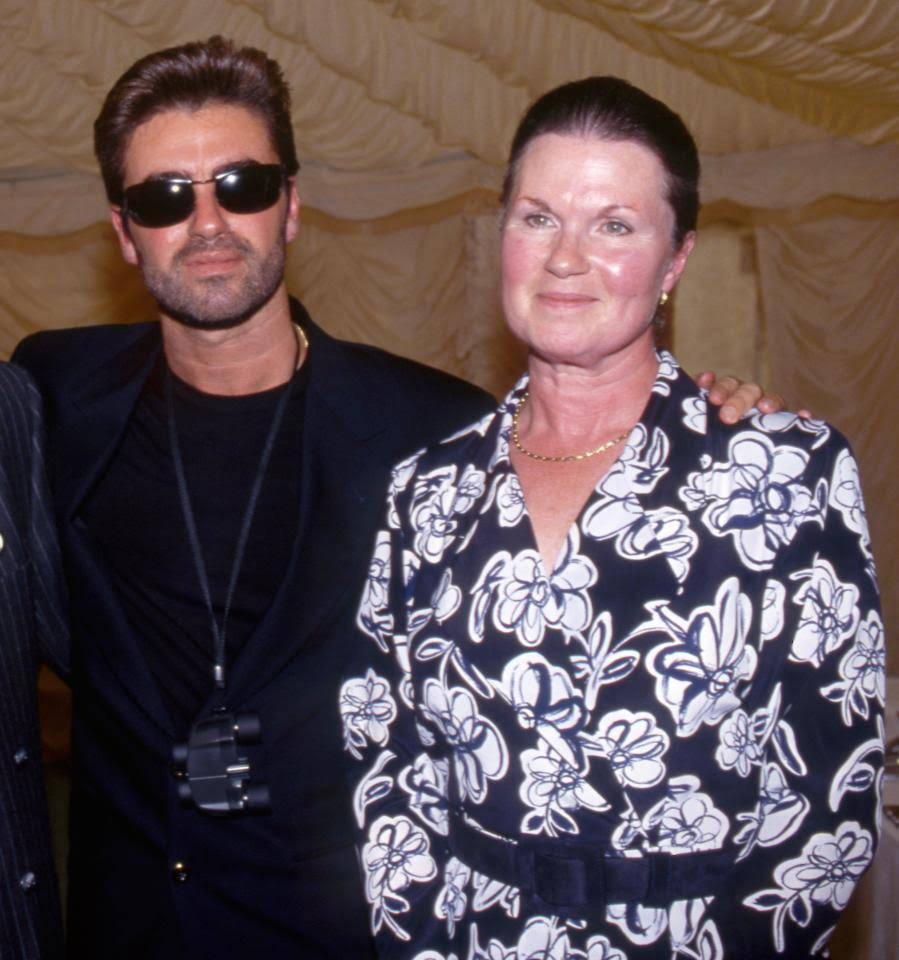
Still in place on the plot was the large white cross headstone for the singer’s beloved mother Lesley – and it is thought he was buried in the same plot alongside her.

His family have kept private their plans for any markings on the star’s grave.

George’s funeral was held on March 29, 94 days after he was found dead in bed on Christmas Day aged 53.


Before then, it was protected with a large green metal barrier to afford privacy


Still in place on the plot was the large white cross headstone for the singer’s beloved mother Lesley

The Missing Australian Soldiers from the Battle of Vevi


Former NT Minister Peter Toyne and Historian Tom Tsamouras will present a lecture entitled ‘The Missing Australian Soldiers from the Battle of Vevi’, on Thursday 20 April, at 7:00pm, at the Ithacan Philanthropic Society as a part of the Greek History and Culture Seminars, offered by the Greek Community of Melbourne.

The first action during the Second World War on Greek soil between the German and Hellenic forces was on the little village of Vevi in the municipality of Florina. This began on 11th April 1941 and marked the first of numerous clashes during which Hellenic and ANZAC forces fought side by side! After the “Battle of Vevi”, a small number of soldiers from the two Australian battalions that fought there, were reported missing in action and their bodies have never been found. Information by locals to Australian Brigadier Keith Rossi in 1981 about the possible grave site of these missing men has led to many people from Greece and Australia researching about the possible grave site of their remains. Tom Tsamouras, a school teacher from Newcastle and Peter Toyne, former MP from the NT, are two researches who have spent years trying to locate the resting place of these men.

Tom Tsamouras was born in Karditsa, Greece in 1962 and migrated with his family to Australia in 1969. He was educated at Hamilton Primary and Merewether High school in Newcastle and graduated from the University of Newcastle in 1983 with a Bachelor of Arts degree. In 1984 he completed a Graduate Diploma in Education through the University of Sydney and in 1986 graduated from the University of New England with a Master of Letters degree. Between 1987 and 1990 he worked in Greece teaching English as a second language. In 1992 he was appointed at Muswellbrook High School as an English/History teacher and in 1993 he transferred to Maitland High School where he teaches English to this day. In 1997 he also joined the network of Symban World Radio and produced a variety of weekly radio programmes in the Greek language until 2012. Today he lives in Newcastle with his wife Irene and three children Alexandra, George and Madeline.

Peter Toyne was born in Melbourne and early career there included 5 years of scientific research into the origins of breast cancer and then a ten year secondary teaching career. He moved to the Northern Territory in 1980 and took up various educational and community development roles in the Central Australian region over the next 16 years- all this time based in bush communities. Some of the significant projects in which he played a prominent role were the establishment of the Warlpiri Media Association, Warlukurlangu Artists, the Tanami Network, Open learning based secondary education, Indigenous adult education, development of Teaching courses through Bachelor College, and numerous smaller enterprises. In 1996 He was elected to the NT Parliament as the Member for Stuart and served for 10 years as opposition spokesperson for education. When the Labor government assumed power in 2001 he became the Attorney General and Justice Minister and later took on the additional responsibility as Minister for Health and Minister for Central Australia. He retired from politics in 2006 and now balances family life, and an active career as an artist and architectural glass designer.

When: Thursday, 20 April 2017, 7:00pm

Where: Ithacan Philanthropic Society (Level 2, 329 Elizabeth St, Melbourne)

Το Αγιο Φως Της Αναστασεως 15/4/2017

Ο κίονας που διερράγη και ανεφλέγη διά του Αγίου Φωτός (1579)


Το Μεγάλο Σάββατο του 1579, σύμφωνα με τα εκκλησιαστικά χρονικά της πόλης των Ιεροσολύμων, οι Τούρκοι κυβερνήτες απαγόρευσαν στον Έλληνα πατριάρχη και στους ορθοδόξους πιστούς να εισέλθουν στον Ναό της Αναστάσεως για την καθιερωμένη τελετή του Αγίου Φωτός.
Τα συγγράμματα που αναφέρονται στο γεγονός δεν προσδιορίζουν το ακριβές έτος. Αναφέρουν, όμως, ότι την περίοδο εκείνη πατριάρχης Ιεροσολύμων ήταν ο Σωφρόνιος, ενώ πατριάρχες Κων/πόλεως, Αλεξανδρείας και Αντιοχείας ήταν αντιστοίχως ο Ιερεμίας, ο Σιλβέστρος και ο Ιωακείμ· τέλος, σουλτάνος της οθωμανικής αυτοκρατορίας ήταν ο Μουράτ Γ΄.2

Αν ανατρέξουμε στους επίσημους καταλόγους (ή στις ιστοσελίδες) των τεσσάρων αυτών Πατριαρχείων, διαπιστώνουμε πως οι τέσσερις ελληνορθόδοξοι πατριάρχες πράγματι διετέλεσαν τα καθήκοντά τους στο δεύτερο μισό του 16ου αιώνα· και αν εξετάσουμε την ακριβή περίοδο πατριαρχίας του καθενός, και την αντίστοιχη περίοδο βασιλείας του σουλτάνου Μουράτ Γ΄, προκύπτει ότι το μοναδικό έτος που συνέπεσε η διοίκηση των πέντε αντρών είναι το 1579.3
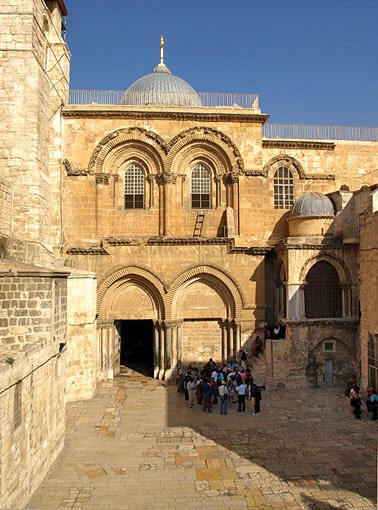

Το προαύλιο και η είσοδος του Ναού της Αναστάσεως.

Σύμφωνα με τις γραπτές πηγές, το Μεγάλο Σάββατο εκείνης της χρονιάς, μια ομάδα Τούρκων στρατιωτών, ύστερα από διαμεσολάβηση των Αρμενίων, απαγόρευσε τη διέλευση των ορθοδόξων στον Ναό της Αναστάσεως. Το πλήθος των πιστών παρέμεινε στο προαύλιο του ναού καθ’ όλη τη διάρκεια της ημέρας, αλλά ακόμη και μετά τη δύση του ηλίου.

Ο Πατριάρχης Σωφρόνιος Δ΄, που διήνυε το πρώτο έτος της πατριαρχίας του, ανέλαβε για πρώτη φορά να φέρει εις πέρας την πιο σημαντική τελετή τoυ έτους, όμως, οι Τούρκοι τού στέρησαν το νόμιμο δικαίωμα.

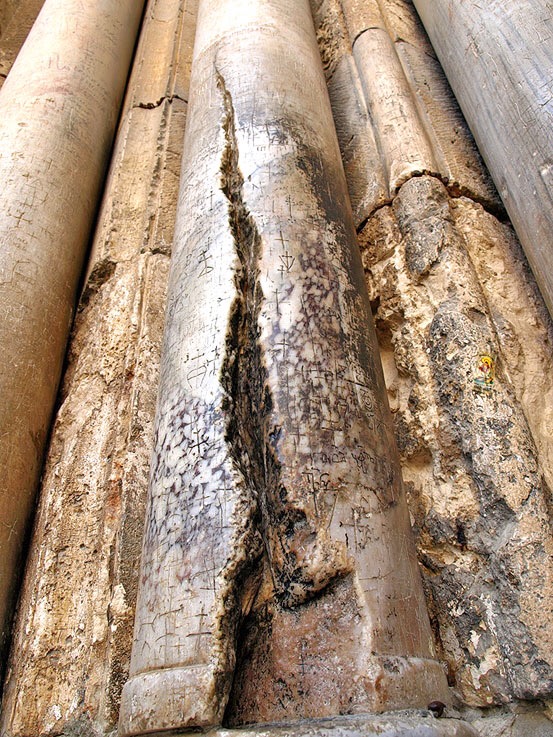
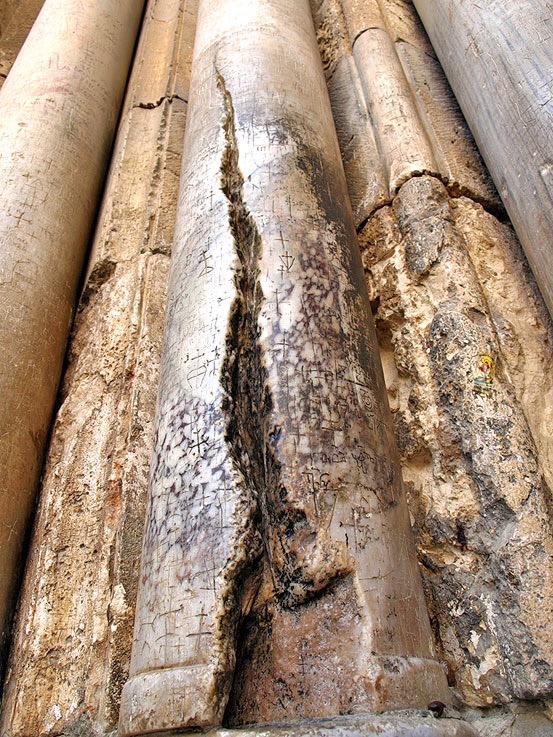
Ο πατριάρχης στεκόταν προσευχόμενος στο αριστερό μέρος της πύλης του ναού, πλησίον ενός κίονα. Και ξαφνικά, ενώ είχε ήδη πέσει η νύχτα, ο κίονας διερράγη και το Άγιο Φως ξεπήδησε από το εσωτερικό του.

Ο πατριάρχης άναψε αμέσως τη λαμπάδα του και μεταλαμπάδευσε το Άγιο Φως στους πιστούς. Μέσα σε λίγα λεπτά, η ιερή φλόγα εξαπλώθηκε σε όλους τους παρευρισκόμενους και το προαύλιο του ναού φωτίστηκε. Οι έκπληκτοι Τούρκοι φρουροί άνοιξαν τότε τις πύλες του ναού και ο πατριάρχης, μαζί με το πλήθος των ορθοδόξων, κατευθύνθηκαν πανηγυρικά προς τον Πανάγιο Τάφο.

Τα γεγονότα εκείνης της ημέρας καταγράφονται σε όλα τα αποκαλούμενα Προσκυνητάρια Ιεροσολύμων, που είναι οδηγοί για τους προσκυνητές των Αγίων Τόπων. 

Το αρχαιότερο απ’ αυτά τα Προσκυνητάρια, στο οποίο αναφέρεται η διάρρηξη του κίονα, περιέχεται σε ένα πολύτιμο χειρόγραφο που βρίσκεται στη Βιβλιοθήκη του Μονάχου. 

Πρόκειται για τον κώδικα Monacensis Graec. 346,4 ο οποίος περιέχει το Προσκυνητάριο του ιερομόναχου Ανανία. Το χειρόγραφο, γραμμένο από τον Κρητικό ιερομόναχο Ακάκιο το 1634, είναι αντίγραφο του αρχικού έργου του ιερομόναχου Ανανία το οποίο εγράφη το 1608, δηλαδή 29 έτη μετά το θαύμα που περιγράφει. Αυτό σημαίνει πως ο Ανανίας είχε τη δυνατότητα να συλλέξει στοιχεία για το θαύμα από ανθρώπους που βίωσαν τα γεγονότα.
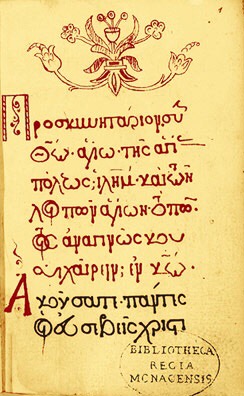
Τo πρώτο φύλλο του κώδικα Gr . 346 της Βιβλιοθήκης του Μονάχου, με τίτλο «Προσκυνητάριον συν Θεώ αγίω της αγίας πόλεως Ιερουσαλήμ και των λοιπών αγίων τόπων».

Το χειρόγραφο της Βιβλιοθήκης του Μονάχου εκδόθηκε για πρώτη φορά το 1890 από τον Παπαδόπουλο-Κεραμέα στην Αγία Πετρούπολη,5 με ταυτόχρονη ρωσική μετάφραση. Σύμφωνα με την καταγραφή του Κρητικού Ακάκιου, ο ιερομόναχος Ανανίας διηγείται με ανορθόγραφο τρόπο τα εξής:

«Έξω δε της Αγίας Πόρτας, πλησίον εις το δυτικόν μέρος, είναι γ΄ κολόναις μαρμαρέναις, και από την μεσινήν κολόναν, λέγουν, ότι ευγήκεν το Άγιον Φως τον παλαιόν καιρόν. Και είναι σχισμένη καμπόσον και φαίνεται έως την σήμερον. Και αυτό το θαύμα το έδειξεν ο θεός τοιουτοτρόπως, επειδή λέγουν, ότι εις τον καιρόν εκείνον δεν άφησαν, εκείνοι οπού όριζαν τον πατριάρχην, να σέβουν [εισέλθουν] μέσα να κάμουν την εορτήν της Λαμπράς, κατά την συνήθειαν. 

Ο δε πατριάρχης εστάθη έξω με τον λαόν εις την αυλήν Μεγάλω Σαββάτω βραδί λυπημένοι. Και εκρατούσαν και τα κηρία εις τα χέρια τους. Και ο πατριάρχης έστεκε πλησίον εις τον θρόνον της αγίας Ελένης, εις μίαν κολόναν κοντά. 

Και τότε λέγουν ότι ευγήκε το Άγιον Φως απ’ εκείνην την κολόναν οπού είπαμεν πως είναι σχισμένη καμπόσον, και υπήγε απάνω εις την κολόνα οπού έστεκεν ο πατριάρχης πλησίον. Και τότε άναψε τα κηρία οπού εκράτει ο πατριάρχης και απεκήνα άναψε και ο λαός από τας χείρας του πατριάρχου κατά την συνήθειαν. 

Τότε λέγει όταν ίδαν αυτό το θαύμα εκείνοι οπού όριζαν, άνοιξαν την αγίαν πόρταν και εσέβηκεν [εισήλθε] ο πατριάρχης με τον λαόν και έκαμαν την εορτήν, κατά το έθος».
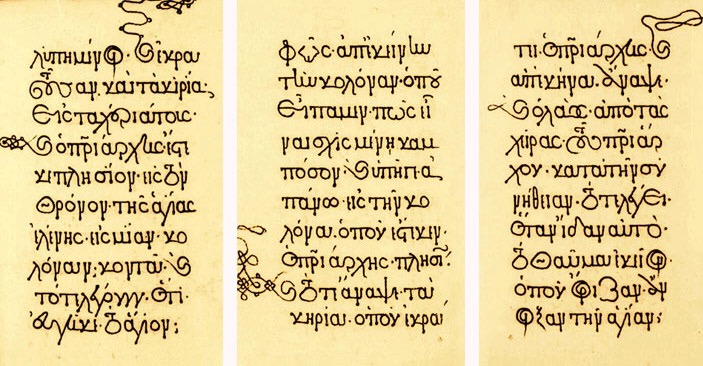
 

Η διήγηση του μοναχού Ανανία περί του κίονα που σχίσθηκε στον κώδικα Monacenis Gr. 346, 1634 μ.Χ. Εικονίζονται τα φύλλα 85a, 85b, 86a . Μόναχο, Bayerische Staatsbibliothek.

Η ίδια διήγηση, με κάποιες επιπλέον πληροφορίες, περιλαμβάνεται σε πολλά Προσκυνητάρια της Ιερουσαλήμ που εκδόθηκαν τους επόμενους αιώνες. 

Η αρχαιότερη έκδοση αυτών των προσκυνηματικών οδηγών συναντάται στη Βιέννη, το 1749, με τίτλο Προσκυνητάριον της αγίας πόλεως Ιερουσαλήμ, γραμμένη από τον αρχιμανδρίτη και φύλακα του αγίου Τάφου, Συμεών. 

Στο έργο επιβεβαιώνεται ότι το σχίσιμο και η ανάφλεξη του κίονα έλαβαν χώρα την ώρα που έπεφτε η νύχτα. Γράφει ο αρχιμανδρίτης Συμεών:

«Τότε ο πατριάρχης εστάθη έξω εις την αυλήν της εκκλησίας, τω αγίω και μεγάλω σαββάτω, με τον λαόν προς εσπέραν, μετά μεγάλης λύπης δεόμενοι του Κυρίου ολοψύχως. 

Και ο πατριάρχης ανέβη εις τον θρόνον της Αγίας Ελένης πλησίον μιας κωλώνας, προσευχομένου δε του πατριάρχου μετά του λαού. Ω της φιλανθρωπίας σου Δέσποτα, εσχίσθη μία κωλώνα και ευγήκε το Άγιο φως έξω, και έδραμεν ο πατριάρχης και άναψε τα κηρία οπού εβάσταζεν εις τας χείρας του, και από τας χείρας αυτού άναψε τα κηρία ο λαός εις αγιασμόν αυτού» (Συμεών, Προσκυνητάριον Αγίας Πόλεως Ιερουσαλήμ, Βιέννη 1749, σ. 19).
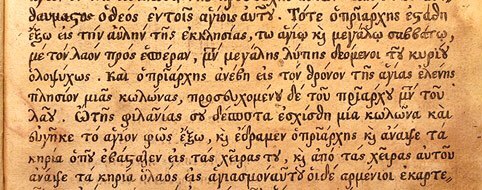

H αναφορά περί του κίονα που σχίσθηκε στο Προσκυνητάριον του Συμεών (Βιέννη, 1749), σ. 19.

Η έκδοση της Βιέννης αναφέρει και ένα ακόμη γεγονός, που σχετίζεται με έναν Άραβα εμίρη, ονόματι Τουνόμ, ο οποίος την ώρα του θαύματος βρισκόταν στην αυλή του Ναού. 

Όταν αντίκρισε την ανάφλεξη του κίονα συνειδητοποίησε την αυθεντικότητα του θαύματος και ομολόγησε στους ομοθρήσκους του τη δύναμη του Ιησού Χριστού. 

Αφού διαπληκτίστηκε μαζί τους, η ομολογία του αυτή στάθηκε αιτία να διαταχθεί η εκτέλεσή του και εν συνεχεία να παραδοθεί το σώμα του στην πυρά.6 Σήμερα θεωρείται επισήμως άγιος μάρτυρας της Ορθοδοξίας, η μνήμη του γιορτάζεται στις 18 Απριλίου και τα λείψανά του βρίσκονται στη μονή της Μεγάλης Παναγίας των Ιεροσολύμων.
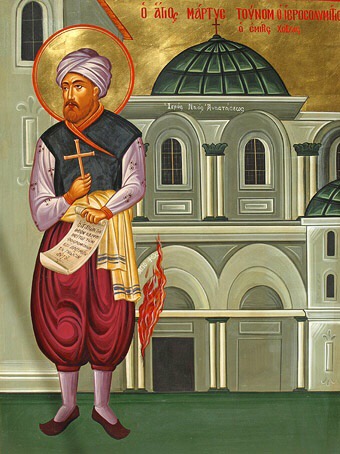

Ο άγιος μάρτυρας Τουνόμ και στο βάθος ο κίονας που ανεφλέγη, σε εικόνα που βρίσκεται στη μονή της Μεγάλης Παναγιάς των Ιεροσολύμων.

Σε διάφορες ιστοσελίδες που υπάρχουν στο διαδίκτυο συναντάται η πληροφορία ότι ο κίονας διερράγη και ανεφλέγη το Μεγάλο Σάββατο του 1579 (ή του 1549), αφού πρώτα χτυπήθηκε από κεραυνό.

Η συγκεκριμένη πληροφορία καταγράφηκε για πρώτη φορά από τον Μολδαβό μοναχό Παρθένιο Αγκέεβ,7 ο οποίος επισκέφθηκε την Ιερουσαλήμ το 1845. Στον δεύτερο τόμο του Χρονικού του, ο μοναχός Παρθένιος αναφέρει τα εξής:

«Αυτός ο κίονας τιμάται από τους Ορθόδοξους καθώς και από τους μη Ορθόδοξους, ακόμη και από τους Αρμένιους. Θα ήθελα να γράψω κάτι σχετικά με αυτό το περιστατικό, για το πως οι Ανατολικοί Ορθόδοξοι χριστιανοί ομοφώνως μιλούν γι’ αυτό και οι ίδιοι Τούρκοι το επιβεβαιώνουν. 

Σε έναν τοίχο υπάρχει μια μαρμάρινη επιγραφή και λένε ότι αυτό το περιστατικό είναι γραμμένο σε αυτή· αλλά δεν μπορέσαμε να το διαβάσουμε επειδή είναι γραμμένο με συριακά γράμματα, στην αραβική γλώσσα. Έτσι, μόνο άκουσα γι’ αυτό και δεν το διάβασα».

Και συνεχίζει λίγο πιο κάτω περιγράφοντας το θαύμα:

«Είχε περάσει ήδη μισή ώρα και περισσότερο, και ακόμη δεν είχε εμφανιστεί το Άγιο Φως. Η ημέρα ήταν καθαρή και όμορφη. Ο πατριάρχης καθόταν στη δεξιά πλευρά. Και ξαφνικά, έπεσε ένα κεραυνός και στην αριστερή πλευρά ο μεσαίος κίονας σχίστηκε και από τη ρωγμή εξήλθε μια φωτιά. Ο πατριάρχης σήκωσε και άναψε τις λαμπάδες του και όλοι οι Ορθόδοξοι άναψαν από τις δικές του».

Ο μοναχός Παρθένιος αναφέρει ότι η συγκεκριμένη ιστορία ήταν χαραγμένη σε μαρμάρινη πλάκα, γραμμένη στην αραβική γλώσσα. Δεν μπορούσε, όμως, να διαβάσει τη διήγηση διότι δεν γνώριζε αραβικά. Απλώς, άκουσε την ιστορία. Κατά συνέπεια, η πληροφορία για τον κατερχόμενο κεραυνό δεν μπορεί να θεωρηθεί απολύτως αξιόπιστη· χωρίς αυτό να σημαίνει ότι είναι αναξιόπιστο το σύνολο της διήγησης. Επιπλέον, η πληροφορία περί του κεραυνού δεν συναντάται σε κάποιο προγενέστερο κείμενο ή χειρόγραφο.

Παρόλα αυτά, η αναφορά του Μολδαβού μοναχού είναι ιδιαίτερα σημαντική διότι επιβεβαιώνει ότι το σχίσιμο και η ανάφλεξη του κίονα ήταν καταγεγραμμένα σε μαρμάρινη επιγραφή με συριακά γράμματα.

Αυτό που έχει σημασία είναι ότι, είτε χτυπήθηκε ο κίονας από κεραυνό είτε διερράγη και ανεφλέγη μόνος του, και στις δύο περιπτώσεις πρόκειται περί θαύματος, διότι ο πατριάρχης που στεκόταν δίπλα του, άναψε τις λαμπάδες του από τη φωτιά που παράχθηκε.

Εάν όμως μια φωτιά ή μια ηλεκτρική εκκένωση διαπέρασαν τον κίονα με τόσο μεγάλη ένταση πριν από 430 χρόνια, τότε τα ίχνη τους πρέπει να είναι ακόμη ορατά. Η ρωγμή μοιάζει πράγματι να είναι καμένη και διαβρωμένη από τη φωτιά· κατά πόσο, όμως, αυτά τα ίχνη της διάβρωσης μπορούν να εξακριβωθούν και να πιστοποιηθούν επιστημονικά;

Το Πάσχα του 2008, η ρωγμή του κίονα αποτέλεσε αντικείμενο μελέτης του Αντρέι Βολκόβ. Ο Ρώσος φυσικός απέστειλε υψηλής ανάλυσης φωτογραφίες της ρωγμής σε έναν συμπατριώτη του ειδικό επιστήμονα, τον καθηγητή Εβγκένι Μιχάηλοβιτς Μορόζοβ,9 ο οποίος θεωρείται ένας από τους κορυφαίους ερευνητές στον κόσμο στο επιστημονικό πεδίο της Μηχανικής των Θραύσεων (Fracture Mechanics) και της Φυσικής της Αντοχής των Υλικών (Physics of Strength of Materials).

Η Μηχανική των Θραύσεων είναι η επιστήμη που ασχολείται με τη μελέτη των θραύσεων και του σχηματισμού ρωγμών στα υλικά. Χρησιμοποιεί μεθόδους αναλυτικής μηχανικής για να υπολογίσει τη δύναμη που ασκείται κατά τον σχηματισμό μιας ρωγμής, καθώς και πειραματικές μεθόδους που υπολογίζουν την αντοχή ενός υλικού στη θραύση και τη ρηγμάτωσή του.
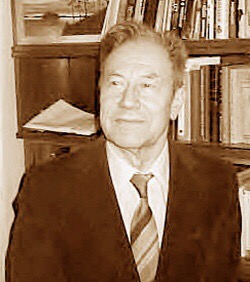
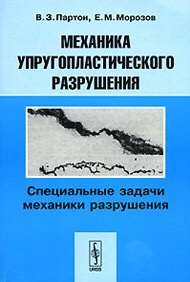
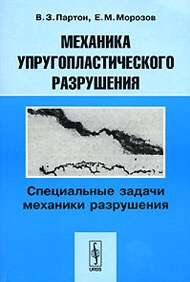
Ο καθηγητής Εβγκένι Μορόζοβ και το τελευταίο επιστημονικό σύγγραμμά του, με τίτλο Ελαστοπλαστική Μηχανική των Θραύσεων, το οποίο παρουσιάζει τα αποτελέσματα της σύγχρονης εργαστηριακής έρευνας σχετικά με την θεωρία των ρωγμών και εξετάζει ζητήματα συμπεριφοράς των σωμάτων που έχουν υποστεί ρωγμές – από τα κριτήρια ανάπτυξής τους μέχρι πιο περίπλοκα προβλήματα της Μηχανικής των Θραύσεων.

Ο καθηγητής Εβγκένι Μορόζοβ, αφού εξέτασε αναλυτικά τις φωτογραφίες της ρωγμής, κατέληξε στο συμπέρασμα ότι αυτή θα μπορούσε να παραχθεί μόνο ως αποτέλεσμα ηλεκτρικής εκκένωσης!

Ο Αντρέι Βολκόβ, ο οποίος συνεργάστηκε με τον Εβγκένι Μορόζοβ για το συγκεκριμένο ζήτημα, αναφέρει τα εξής σε συνέντευξή του στην εφημερίδα Βέρα:

Вот это совпадение, что именно на Пасху, когда Огонь не сошёл, появилась трещина, – разве не чудо? Можно, конечно, усомниться, мол, всё было подстроено и трещину на колонне сделали искусственным путём. Мы обратились за консультацией к Евгению Михайловичу Морозову – он ведущий специалист в области механики разрушения не только в России, но и в мире, автор более 800 научных работ по этой теме. Евгений Михайлович исследовал предоставленные ему подробные снимки трещины и однозначно заключил, что она могла появиться только в результате электрического разряда, такова её структура. О чём это говорит? Что подделать трещину никак не могли: это ж какой электрогенератор нужно иметь, да ещё в XVI веке, когда о существовании электричества понятия не имели!11 

«Αυτή η σύμπτωση, ότι το Πάσχα ακριβώς, όταν δεν κατήλθε το Φως, εμφανίστηκε η ρωγμή – δεν είναι ένα θαύμα; Βεβαίως, μπορεί να πει κανείς, ότι όλα ήταν στημένα και ότι η ρωγμή στον κίονα είχε παραχθεί με τεχνητό τρόπο. Απευθυνθήκαμε για πληροφορίες στον Εβγκένι Μιχάηλοβιτς Μορόζοβ που είναι κορυφαίος ειδικός στον τομέα της Μηχανικής των Θραύσεων όχι μόνο στη Ρωσία, αλλά και σε ολόκληρο τον κόσμο, και έχει γράψει πάνω από 800 επιστημονικά συγγράμματα για το θέμα αυτό. Ο Εβγκένι Μιχάηλοβιτς εξέτασε τις αναλυτικές φωτογραφίες της ρωγμής και δήλωσε ρητά ότι αυτή μπορούσε να εμφανιστεί μόνο ως αποτέλεσμα ηλεκτρικής εκκένωσης, τέτοια είναι η δομή της. Τι σημαίνει αυτό; Ότι ήταν πλήρως αδύνατον να κατασκευάσει κανείς τη ρωγμή αυτή: φανταστείτε, πόσο δυνατό μετασχηματιστή θα έπρεπε να είχε κανείς, και ιδίως τον 16ο αιώνα, όταν οι άνθρωποι δεν είχαν ιδέα για την ύπαρξη της ηλεκτρικής ενέργειας!»

Η επιστημονική άποψη του Εβγκένι Μορόζοβ έχει αναμφισβήτητα μεγάλη βαρύτητα. Ήθελα να έχω όμως και μία δεύτερη γνώμη επί του θέματος. Γι’ αυτό, αποτάθηκα σε έναν από τους κορυφαίους Έλληνες επιστήμονες του κλάδου της Μηχανικής των Θραύσεων, τον καθηγητή του Πανεπιστημίου Αθηνών, Γεώργιο Α. Παπαδόπουλο,12 στον οποίο απέστειλα αναλυτικές φωτογραφίες της ρωγμής.
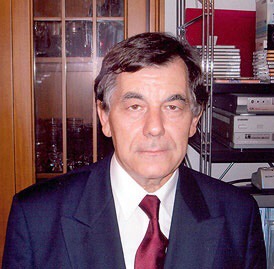
Ο καθηγητής Γεώργιος Α. Παπαδόπουλος.

Ο καθηγητής Παπαδόπουλος, αφού εξέτασε τις φωτογραφίες, αποφάνθηκε ότι η ρωγμή του κίονα παράχθηκε πράγματι από μία ηλεκτρική εκκένωση, η οποία εκδηλώθηκε ταυτοχρόνως με ένα σεισμικό κύμα που είχε κατεύθυνση από κάτω προς τα πάνω!

Αυτή τη συνδυασμένη καταπόνηση του κίονα –ηλεκτρική εκκένωση+σεισμικό κύμα– την θεωρεί ανεξήγητη και γι’ αυτό καταλήγει στο συμπέρασμα ότι «θα μπορούσε κανείς να ομιλεί περί θαύματος και μόνο»!

Από πού προήλθε η εκκένωση, επιστημονικώς, παραμένει άγνωστο.

Ο καθηγητής Παπαδόπουλος, σε απαντητική του επιστολή, μετά από σχετικό αίτημά μου μέσω email, αναφέρει τα εξής:

 «Αγαπητέ κύριε Σκαρλακίδη,

Σας ευχαριστώ για το e-mail σας την 31/1/2010. Πιστεύω να βοηθήσω στο αξιόλογο έργο σας. Επί 35 έτη ασχολούμαι με την Πειραματική Μηχανική των Θραύσεων στο Εργαστήριο Αντοχής των Υλικών του ΕΜΠ και πιστεύω ότι εκεί που δεν υπάρχει επιστημονική εξήγηση υπάρχει Θαύμα.

Δεν έχω κανένα λόγο να αμφισβητήσω το χειρόγραφο της βιβλιοθήκης του Μονάχου του έτους 1634 όπου αναφέρεται ο θαυματουργικός τρόπος σχισίματος του κίονα καθώς και τα επακόλουθα· δηλαδή το ότι ο Έλληνας πατριάρχης άναψε τη δάδα του από το Φως αυτό. Ένα θαύμα δεν νομίζω ότι είναι δυνατόν να αμφισβητηθεί και μάλιστα όταν υπάρχουν σχετικές μαρτυρίες, όπως αναφέρετε.

Παρατηρώντας από τις φωτογραφίες τη ρωγμή θα μπορούσαμε να συμπεράνουμε ότι είναι αποτέλεσμα μιας μικτής καταπόνησης. Συνδυασμός ηλεκτρικής εκκένωσης (πιθανώς ισχυρός κεραυνός) και ισχυρής σεισμικής δόνησης. Η ηλεκτρική εκκένωση, λόγω υψηλής στιγμιαίας θερμοκρασίας, ψαθυροποίησε το υλικό του κίονα κατά μήκος μιας στενής ζώνης (γενέτειρας). Το επιφανειακό σεισμικό κύμα καταπόνησε τον κίονα σε στρεπτική ταλάντωση (κόπωση). Η ταυτόχρονη αυτή καταπόνηση είχε σαν αποτέλεσμα να ξεκινήσει η ρωγμή από τη βάση του κίονα προς τα επάνω με ζικ-ζακ πορεία (όπως φαίνεται στη φωτογραφία η πορεία της ρωγμής δεν είναι ευθύγραμμη) κατά μήκος της ψαθυροποιημένης από την ηλεκτρική εκκένωση ζώνης. Εάν πράγματι συνέβησαν τα ανωτέρω, ανεξήγητο παραμένει κατά την άποψή μου η ταυτόχρονη αυτή μικτή (συνδυασμένη) καταπόνηση του κίονα.

Επομένως, θα μπορούσε κανείς να ομιλεί περί θαύματος και μόνο.

Αγαπητέ κύριε Σκαρλακίδη σας συγχαίρω για την προσπάθειά σας και σας εύχομαι ολόψυχα καλή επιτυχία.

Με εκτίμηση,

Γεώργιος Παπαδόπουλος

Καθηγητής Μηχανικής

Εργαστήριο Αντοχής των Υλικών

Εθνικό Μετσόβειο Πολυτεχνείο
Με το θαυμαστό γεγονός του κίονα που διερράγη και ανεφλέγη ολοκληρώνεται το μακρύ οδοιπορικό μας στο πέρασμα των αιώνων, σχετικά με το θαύμα του Αγίου Φωτός.

Το ταξίδι μας ξεκίνησε περί το έτος 330 περίπου, με την αναφορά της ανάφλεξης της κανδήλας που τοποθετήθηκε στον Τάφο του Χριστού από τον Άγιο Γρηγόριο τον Φωτιστή, και ολοκληρώθηκε στο έτος 1579, με το γεγονός που μόλις εξετάσαμε.

Παρατέθηκαν συνολικά 45 μαρτυρίες, που ο καθένας μπορεί να τις αξιολογήσει κατά τη δική του κρίση. Εξετάζοντας συνοπτικά αυτές τις μαρτυρίες, αξίζει να επισημάνουμε τρία ιδιαίτερα χαρακτηριστικά.

Σε όλες τις διηγήσεις υπάρχει μία κοινή παράμετρος: η αναφορά περί ενός φωτός ή μιας φλόγας-φωτιάς ή μιας αστραπής, η οποία κατέρχεται από τον ουρανό ενώπιον του πλήθους, σε μια εποχή που δεν υπάρχει ούτε ηλεκτρισμός ούτε η δυνατότητα τεχνητής αναπαραγωγής ενός τέτοιου φαινομένου!

Το δεύτερο σημαντικό χαρακτηριστικό είναι η ανάφλεξη της ακοίμητης κανδήλας και η φωταγώγηση ενός άδειου, σκοτεινού και σφραγισμένου Τάφου! Γεγονός που λάμβανε χώρα επί τουλάχιστον έξι αιώνες. Η φωταγώγηση του εσωτερικού του Τάφου δεν πραγματοποιόταν βεβαίως μόνο από τη λάμψη της ακοίμητης κανδήλας, αλλά κυρίως από το Φως που αναδυόταν από το ίδιο το πέτρωμα στο οποίο αποτέθηκε το σώμα του Ιησού.

Το τρίτο σημαντικό χαρακτηριστικό που αναφέρεται σε πολλές διηγήσεις είναι ο συγχρονισμός των δύο ανωτέρω φαινομένων –δηλαδή, η κάθοδος του ουρανίου Φωτός και η ταυτόχρονη ανάφλεξη της κανδήλας και φωταγώγηση του εσωτερικού του Τάφου. Συγχρονισμός που θα μπορούσε να επιτευχθεί μόνο με θεϊκή επενέργεια.

Έχει ήδη αναφερθεί ότι στο παρόν σύγγραμμα δεν περιλαμβάνονται μαρτυρίες μετά το 1579 (αν και υπάρχουν πολλές), αλλά ούτε και νεότερες, αφενός επειδή θα υπάρξει κορεσμός στοιχείων, αφετέρου επειδή για κάτι τέτοιο απαιτείται πολύ μεγάλος χώρος. Επιπλέον, η δομή του συγγράμματος είναι καθαρά ιστορική και ο προσανατολισμός στραμμένος αποκλειστικά στους πρώτους αιώνες που καταγράφεται το θαύμα.

Παρ’ όλα αυτά, κρίθηκε αναγκαίο να συμπεριληφθούν έντεκα νεότερες μαρτυρίες οι οποίες παρουσιάζουν ιδιαίτερο ενδιαφέρον.

Οι δύο πρώτες προέρχονται από δύο αυτόπτες μάρτυρες: τον Μολδαβό μοναχό Παρθένιο (1846) και τον Άγγλο αρχαιολόγο Ουόρεν ο οποίος βίωσε το θαύμα τέσσερις συνεχόμενες χρονιές, την περίοδο 1867-1870. Με αυτές τις δύο διηγήσεις ο συνολικός αριθμός των ιστορικών μαρτυριών ανέρχεται στον αριθμό 45.

Οι επόμενες επτά μαρτυρίες προέρχονται από πέντε Έλληνες πατριάρχες και δύο επισκόπους, οι οποίοι υπήρξαν επικεφαλής της τελετής και περιγράφουν το θαύμα όπως ακριβώς το βίωσαν μέσα στον άγιο Τάφο. Κατ’ αυτόν τον τρόπο θα έχουμε μια πιο ολοκληρωμένη εικόνα για το τι ακριβώς συμβαίνει μέσα στο ίδιο το μνημείο τη στιγμή που εμφανίζεται το Άγιο Φως.

Μια δέκατη νεότερη μαρτυρία, που επίσης παρουσιάζει εξαιρετικό ενδιαφέρον, προέρχεται από τον μοναδικό άνθρωπο που βίωσε το θαύμα μέσα στον Τάφο, χωρίς όμως να έχει δικαίωμα για κάτι τέτοιο. Πρόκειται για τον Έλληνα μοναχό Μητροφάνη ο οποίος, το Μεγάλο Σάββατο του 1926, κρύφτηκε στην οροφή του αγίου Τάφου με σκοπό να βιώσει το θαύμα από κοντά.

Η ενδέκατη και τελευταία νεότερη μαρτυρία είναι του γράφοντος και αφορά στο Μεγάλο Σάββατο του 2008. Ας ξεκινήσουμε με αυτή την προσωπική μαρτυρία.
Παραπομπές:

1. Στο Προσκυνητάριον της αγίας πόλεως Ιερουσαλήμ και πάσης Παλαιστίνης (σ. 49) που εκδόθηκε το 1787 στη Βιέννη, από τον Χρύσανθο Προύσσης, αναφέρεται ότι το γεγονός έγινε: «εις τον καιρόν του μακαριοτάτου αοιδήμου κυρίου Σωφρονίου Πατριάρχου Ιεροσολύμων, Ιερεμίου Πατριάρχου Κωνσταντινουπόλεως, Σιλβέστρου Πατριάρχου Αλεξανδρείας, και Ιωακείμ Αντιοχείας, επί της βασιλείας του Σουλτάν Μουράτ».

2. Ο Τούρκος σουλτάνος Μουράτ Γ΄ (Sultan Mourad Khan ΙΙΙ) κυβέρνησε την περίοδο 1574-1595, ο Ιεροσολύμων Σωφρόνιος Δ΄ πατριαρχεύει την περίοδο 1579-1608, ο Κωνσταντινουπόλεως Ιερεμίας Β΄ την περίοδο 1572-1579, ο Αλεξανδρείας Σίλβεστρος την περίοδο 1569-1590 και ο Αντιοχείας Ιωακείμ Δ΄ την περίοδο 1553-1592. Το μοναδικό κοινό έτος είναι το 1579. 3. G. Zuallardo, Il devotissimo viaggio, Ρώμη 1587, σ. 204.

4. Το χειρόγραφο καταλαμβάνει τον αριθμό 346 στον κατάλογο του Ignaz Hardt, Catalogus codicum manuscriptorum graecorum bibliothecae regiae Bavaricae, τ. 3, Μόναχο 1812, σ. 547-48.

5. Προσκυνητάριον της Ιερουσαλήμ και των λοιπών αγίων τόπων, 1608-1634, επιμ. Α. Παπαδόπουλος–Κεραμεύς, σ. 17.

6. Σχετικά με τον Άραβα εμίρη, στην έκδοση της Βιέννης αναφέρονται τα εξής: «Είναι και τινά καρφία καρφωμένα εις την γην, έμπροσθεν εις το κατόφλοιον της αγίας πόρτας από τον καιρόν εκείνον εις την μνήμην του γενομένου θαύματος, τα οποία λέγουν να έμπιξεν ένας εμίρις, όστις βλέπωντας εκείνο το εξαίσιον θαύμα επίστευσεν ευθύς εις τον Χριστόν, και φωνάζωντας μία είναι η πίστις των χριστιανών, και έμπιξε τα καρφία εκείνα ένα προς ένα εις την πέτραν, ωσάν εις κηρί μαλακόν, και ούτος εμαρτύρησεν υπό πυρός κατακαείς» (Συμεών, Προσκυνητάριον Αγίας Πόλεως Ιερουσαλήμ, Βιέννη 1749, σ. 20).

Το περιστατικό με τα καρφιά αναφέρεται εν συντομία και στο χειρόγραφο του Μονάχου, ως εξής: «Ευρίσκονται δε κάποια καρφία εμπηγμένα κάτω εις την γην έμπροσθα εις την αγίαν πόρταν. Λέγουσιν ότι τα έμπηξαν απ’ εκείνον τον καιρόν» (φ. 87α).

7. Ο μοναχός Παρθένιος γεννήθηκε στο Ιάσιο της Μολδαβίας (σήμερα Ρουμανίας) το 1807.

8. Μετάφρ. από την έκδοση Monk Parthenius, “Holy Week and Pascha in Jerusalem,” Orthodox Life, τόμ. 34, 2 (1984), Νέα Υόρκη, Jordanville. Βλ. επίσης Κ. Μηλιαράς, Άγιον Φως, σελ. 17.

9. Ο Εβγκένι Μορόζοβ (Евгений Михайлович Морозов), γεννηθείς το 1927, είναι Διδάκτωρ Τεχνικών Επιστημών και καθηγητής «Φυσικής της Αντοχής» (Physics of Strength) στο Ινστιτούτο Φυσικής Μηχανικής της Μόσχας. Έχει δημιουργήσει μαθηματικές εξισώσεις, προγράμματα σε Η/Υ (CAE), και έχει αναπτύξει ειδικές θεωρίες σχετικά με τα χαρακτηριστικά της αντίστασης των υλικών στον σχηματισμό ρωγμών και με τα όρια της αντοχής τους. Η ακαδημαϊκή και ερευνητική του σταδιοδρομία άρχισε το 1951 και, μετά από πολλές διακρίσεις και βραβεύσεις, συνεχίζεται μέχρι σήμερα.

10. To σύγγραμμα εγράφη από τον Μορόζοβ και τον Βλαντιμίρ Πάρτον (Vladimir Parton) και έχει τον ρωσικό τίτλο “Механика упругопластического разрушения. Специальные задачи механики разрушения” («Elastoplastic Fracture Mechanics. Special problems of Fracture Mechanics».

11. Eφημερίδα Βέρα, 21 Απριλίου 2009.

12. Ο Γεώργιος Α. Παπαδόπουλος είναι καθηγητής Μηχανικής των Υλικών στο Εθνικό Μετσόβειο Πολυτεχνείο και συγγραφέας αρκετών συγγραμμάτων και επιστημονικών άρθρων στον πεδίο της Μηχανικής των Θραύσεων. Βλ. G.A. Papadopoulos, Fracture Mechanics: The Experimental Method of Caustics and the Det.- criterion of Fracture, Λονδίνο 1993. Βλ. επίσης Γ.Α. Παπαδόπουλος, Πειραματική Μηχανική των Θραύσεων (Οπτικές Μέθοδοι Ανάλυσης των Τάσεων), εκδόσεις Κλειδάριθμος.

Source: skarlakidis.gr

Ευχές για την εορτή του Πάσχα

ΕΚ ΜΕΡΟΥΣ ΤΗΣ ΔΙΕΥΘΥΝΣΗΣ, ΣΑΣ ΕΥΧΟΜΑΣΤΕ ΟΛΟΨΥΧΑ ΧΡΟΝΙΑ ΠΟΛΛΑ ΚΑΙ ΚΑΛΗ ΑΝΑΣΤΑΣΗ, ΜΕ ΥΓΕΙΑ ΚΑΙ ΧΑΡΑ ΣΕ ΟΛΟΥΣ


Τι σημαίνει η λέξη

Το όνομα Χριστός παράγεται από το χριστός = κεχρισμένος, ο φέρων το χρίσμα (στην αρχαία ελληνική από το ρήμα: χρίω). Χρησιμοποιήθηκε ως επιθετικός προσδιορισμός της λέξης Ιησούς (Ιησούς Χριστός).

Άρχικά, η λέξη “χριστός” προσδιόριζε οτιδήποτε έχει επαλειφθεί με μύρο ή αλοιφή και χρησιμοποιήθηκε για να μεταφραστεί η εβραϊκή λέξη masiha= Μεσσίας (μεταφορικά: χριστός, ο αλειμμένος με ειδικό έλαιο, που προέβλεπε ο εβραϊκός νόμος για τους ιερείς).

Έτσι η ελληνοεβραϊκή φράση Ιησούς Χριστός δηλώνει τον κεχρισμένο από το Θεό, τον Σωτήρα (πβ. Ιωάνν. 1,41: ευρήκαμεντον Μεσσίαν, ό εστίν ερμηνευόμενον τον Χριστόν). Η λέξη Ιησούς προέρχεται από την εβραϊκή Yesuah και είναι συντετμημένη μορφή του Yehosuah (μτφ: ο Γιαχβέ είναι σωτηρία). Το όνομα Χρίστος είναι η φυσική κατάληξη της λέξης Χριστός (με αναβιβασμό τόνου)

Η ελληνική λέξη Χριστός (: αλειμμένος) είναι η πιο δημοφιλής λέξη στον πλανήτη, επειδή ονομάστηκε έτσι ο ιδρυτής της Χριστιανικής θρησκείας (Cristo, Christ, Crist, Христос, Kristu…)

Πάσχα
Η λέξη Πάσχα προέρχεται από την αραμαϊκή pascha εβραϊκή pesah που σημαίνει “πέρασμα, διάβαση”.
Η λέξη περιέγραφε “τη δεκάτη πληγή κατά των Αιγυπτίων, όπου, σύμφωνα με τη βιβλική παράδοση ο άγγελος προσπερνούσε τις πόρτες των Ιουδαίων, που ήταν βαμμένες με αίμα αρνιού και δε σκότωνε τα πρωτότοκα παιδιά τους, (πβ, εξοδ 12, 23)” οι Χριστιανοί γιορτάζουν την ανάσταση του Σωτήρα και τη διάβαση από το θάνατο στη ζωή.

Σταυρός
Η λέξη σταυρός αρχικά δήλωνε τον όρθιο πάσσαλο ή οτιδήποτε χρησιμοποιούσαν για να στηρίζουν κάτι. Παράγεται από το ρ, ίστημι θ. -στα. Στα Λατινικά αποδόθηκε και με τη σημασία του in-staurare (: αποκαθιστώ κάτι στην αρχική του θέση). Στην Καινή Διαθήκη αντί για τη λέξη σταυρός χρησιμοποιείται, εναλλακτικά και η λέξη “ξύλον” (π.χ. κρεμάσαντες επί ξύλου, Πραξ. 5,30)

Αβγό ή αυγό
Η ορθή γραφή είναι το αβγό. Από την κράση τά ωά (πληθ. του αρχ. ωόν ) ταωγά (με ανάπτ. μεσοφ. [γ] για αποφυγή της χασμωδίας) tauγa (τροπή του φθόγγου /o/, μεταξύ δύο α, σε ημίφωνο u για αποφυγή της χασμωδίας) μεσαιων. [t-avγa] τ’ αβγά αβγό. (βλ. Γ. Χατζιδάκη, Μεσαιωνικά και Νέα Ελληνικά, τόμος Β΄, σ.322, Ν.Π.Ανδριώτη, Ετυμολογικό Λεγικό της Κοινής Νεοελληνικής, Γ.Μπαμπινιώτη, Λεξικό της Νέας Ελληνικής Γλώσσας,).

Οβελός και οβελίας
Ο οβελός είναι η σιδερένια ράβδος, η σούβλα, στην οποία περνιώνται κομμάτια κρέατος για ψησιμο. Με τη λέξη Οβελίας δηλώνεται το αρνί που ψήνεται στη σούβλα, παρόλο που αρχικά προσδιόριζε οτιδήποτε ψήνεται στη σούβλα. Από τη λέξη οβελός παράγεται και η λέξη οβολός που καλείστε να προσφέρετε στην εκκλήσία ή και αλλού.

Σούβλα
Η σούβλα προέρχεται από τα Λατινικά (subula< suere, συρράπτω, συναρμόζω). Η λέξη από τους πρώτους Χριστιανικούς αιώνας μαρτυρείται ως όργανο βασανιστηρίων και, τελικά, θα επικρατήσει εκτοπίζοντας την ελληνική λέξη “οβελ. Παράγωγα: σουβλάκι, σουβλερός, σουβλί, σουβλιστό.

Μαρία η Μαγδαληνή
Το επίθετο Μαγδαληνή προσδιορίζει την καταγωγή της. Καταγόταν, δηλαδή, από το χωριό Μάγδαλα. Το mighdal, στα εβραικά, σημαίνει “πύργος”.

Θωμάς
Ένας από τους Δώδεκα μαθητές του Χριστού, που έμεινε γνωστός ως άπιστος. Στην αραμαϊκή η λέξη Te’omà σημαίνει ο “δίδυμος”.

Λάζαρος
Eξελληνισμένο αρσενικό όνομα, που προέρχεται από το εβραϊκό «Ελεάζαρ», το οποίο σημαίνει «ο Θεός τον έχει βοηθήσει».

Λάμπρος
Eλληνικό αρσενικό όνομα, που προέρχεται από το επίθετο «λαμπρός» (φωτεινός, ακτινοβόλος), με αναβιβασμό τού τόνου, και έχει την ίδια με αυτό έννοια.

Λαμπρινή
Eλληνικό θηλυκό όνομα, που προέρχεται από το ουσιαστικοποιημένο επίθετο «Λαμπρή» (το Ελληνορθόδοξο Πάσχα), και σημαίνει «αυτή που ανήκει στην Λαμπρή ή σχετίζεται με την Λαμπρή ή προέρχεται από την Λαμπρή».

Πασχάλης
Eξελληνισμένο αρσενικό όνομα, που προέρχεται από την εβραϊκή λέξη «πασάχ» (διάβαση, πέρασμα), και σημαίνει «πασχαλινός, πασχαλιάτικος». Στον θηλυκό τύπο το συναντούμε είτε ως «Πασχαλία» είτε ως «Πασχαλίνα».

Αναστάσιος
Aπό την σύνθεση τής πρόθεσης «ανά» (επάνω, προς τα επάνω) και τού ρήματος «ίστημι» (στήνω, σηκώνω, τοποθετώ) δημιουργείται το ρήμα «ανίστημι», το οποίο σημαίνει «στήνω όρθιο, σηκώνω προς τα επάνω, εγείρω, ανασταίνω». 

Από το ρήμα «ανίστημι» προέρχεται το ουσιαστικό «ανάστασις» (ανάσταση), και από αυτό το κύριο όνομα «Αναστάσιος», που σημαίνει «αυτός που ανήκει στην ανάσταση ή σχετίζεται με την ανάσταση ή προέρχεται από την ανάσταση». Ο θηλυκός τύπος απαντά ως «Αναστασία».

Ανέστης
Aπό την φράση «Χριστός Ανέστη» (ο Χριστός αναστήθηκε), η οποία αποτελεί ελληνορθόδοξο παραδοσιακό χαιρετισμό που επί σαράντα ημέρες, μετά την Λαμπρή, απευθύνουν σε κάθε συνάνθρωπο οι πιστοί, προέρχεται το ελληνικό αρσενικό όνομα «Ανέστης». Ο τύπος «ανέστη» (τρίτο ενικό πρόσωπο αορίστου) ανήκει στο ρήμα «ανίστημι» (βλ. παραπάνω).

Βάιος
Eλληνικό αρσενικό όνομα, που προέρχεται από το υποκοριστικό «βαΐον» (κλαδάκι φοίνικα) τού ουσιαστικού «βάις» (κλαδί φοίνικα). Στον θηλυκό τύπο το συναντούμε ως «Βαΐα». Σύμφωνα με ορισμένους ερευνητές, το ελληνικό ουσιαστικό «βάις» προέρχεται από το κοπτικό «μπάι», ενώ κατ’ άλλους συμβαίνει το αντίστροφο.

Γιατί βάφουμε κόκκινα αβγά το Πάσχα;

Σύμφωνα με την Ορθοδοξία μας βάφουμε κόκκινα αυγά για τους εξής λόγους:
Τα βάφουμε κόκκινα, γιατί συμβολίζουν το Αίμα του Χριστού που έδωσε για την σωτηρία του κόσμου.

Η παράδοση λέει ότι, κάποια μέρα μετά την Ανάσταση του Κυρίου μας, η Αγία Μαρία η Μαγδαληνή πήγε στον Τιβέριο Καίσαρα και του ανακοίνωσε με πολύ θάρρος ότι αναστήθηκε ο Χριστός και όλα τα γεγονότα περί της Ανάστασης του Χριστού.
Εκείνη την ώρα κάποιος κρατούσε δίπλα από τον Καίσαρα ένα καλάθι αυγά. 

Ο Τιβέριος Καίσαρας, βέβαια, έδειξε απορημένος και λέει στην Μαγδαληνή ότι, εάν αυτό που λέει, είναι αλήθεια τότε τα αυγά, από άσπρα που είναι, να γίνουν κόκκινα.

Έξαφνα τα αυγά έγιναν κόκκινα και έμεινε άναυδος ο Καίσαρας. Έτσι κατά την Παράδοση αυτή τα αυγά βάφονται κόκκινα.
Το γεγονός αυτό μαρτυρείται στο Ρωσικό Μοναστήρι της Αγίας Μαρίας της Μαγδαληνής που βρίσκεται στα Ιεροσόλυμα. 

Το Ρωσικό Μοναστήρι της Αγίας Μαρίας της Μαγδαληνής χτίστηκε το 1885 από τον Ρώσο Αυτοκράτορα Αλέξανδρο τον Γ’ και τους αδελφούς του εις μνήμη της μητέρας του αυτοκράτειρας Μαρίας και το οποίο βρίσκεται στη Γεθσημανή.

Μέσα στο Ναό του Μοναστηριού και πάνω από το Ιερό Τέμπλο του Ιερού Βήματος, υπάρχει μεγάλη τοιχογραφία όπου παρουσιάζεται η Μαρία η Μαγδαληνή μπροστά στον Τιβέριο Καίσαρα και του χαρίζει ένα κόκκινο αυγό.

Η Παράδοση θέλει τα αυγά που βάφονται κόκκινα την Μ. Πέμπτη αντέχουν 40 ημέρες εκτός ψυγείου, χωρίς να παρουσιάσουν καμία αλλοίωση;

Η Παράδοση θέλει τα αυγά που βάφονται κόκκινα την Μ. Πέμπτη και τα διαβάζει ο ιερέας την Κυριακή του Πάσχα, αντέχουν 1 χρόνο εκτός ψυγείου, χωρίς να παρουσιάσουν καμία αλλοίωση;

Orthodox Easter in Australia and worldwide

Many Orthodox Christians in Australia celebrate Jesus Christ’s resurrection on Easter Sunday. The Orthodox Christian date for Easter Sunday is often observed at a later date than the Easter date observed by many western churches. The day is known as Pascha, as well as the Sunday of the Resurrection.

Roasted Lamb RackLamb is a popular Easter dish served among many Orthodox Christians in Australia. ©iStockphoto.com/Brett Mulcahy.

Orthodox Easter DayRoasted lamb is served on Easter Day. ©iStockphoto.com/Tatyana Nyshko

What do people do?

Many Orthodox Christians in Australia celebrate Pascha according to the Easter date in the Julian calendar. Easter is the most important event in the church calendar. The Easter Sunday church liturgies are joyous as they celebrate Jesus Christ’s resurrection, according to Christian belief, as well as spiritual victory.

Many Orthodox Christians in Australia fast during Lent prior to Easter. Easter Sunday is a time for families and friends to get together for a festive meal, where meat and dairy products can be eaten again. Lamb and tsourekia (or tsoureki), which is a type of Easter bread, are popular Easter dishes in many Greek Orthodox communities in Australia.

Traditional Easter egg games are also popular. Each person takes a dyed red egg and tries to crack other challengers’ eggs. This game symbolizes Jesus Christ breaking from his tomb. The person whose egg lasts the longest is assured good luck for the rest of the year. Some people bring dyed Easter eggs to church to be blessed at the Easter liturgy.

Special egg painting workshops for pysanky (special type of Easter eggs) are held in some cities, such as Sydney, prior to the Orthodox Easter date. These beautifully decorated eggs are customary in some eastern European countries such as Ukraine. Many people are banned from setting off fireworks during the Easter celebrations. Fireworks can only be used by a licensed pyrotechnician in many places, such as the state of Victoria.

Millions of Orthodox Christians worldwide, including about six million in North America, observe Easter, also known as Pascha, each year. It is estimated that there are more than 250 million Orthodox Christians in the world.

In Lebanon, many Orthodox Christians attend a church liturgy at Easter, whether it is on Sunday morning or midnight liturgy between Holy Saturday and Easter Sunday. On Easter Sunday, many families hold a special lunch consisting of turkey or chicken stuffed with nuts and served with rice. The afternoon is spent visiting friends and family members. Many homes have maamoul (cookies) on a plate with other delicacies such as chick peas covered with sugar and sweet almonds.

In Bulgaria, many worshippers celebrate outside churches after midnight liturgy, carrying candles to symbolize the resurrection of Jesus Christ. Painted eggs are cracked or smashed and richly-painted Orthodox churches are filled with clouds of incense and choir songs.

In Greece, Easter Sunday is also a widely celebrated occasion. Lambs are roasted on a spit and the provision of wine is abundant. The roasted lamb is served in honor of Jesus Christ, who was sacrificed and rose again on Easter. Lamb is the most traditional Greek Easter food. Red-dyed eggs are cracked against each other and the person with the last remaining uncracked egg will have good luck. Easter Sunday is a time of festivity and people eat, chat or dance throughout the night.

On the island of Crete, many villages prepare for a bonfire effigy of Judas Iscariot, who betrayed Jesus Christ, as described in the New Testament of the Bible. In the lead up to the bonfire event, people gather sticks and branches to prepare to burn the effigy.

Around the world, many Orthodox churches, including the Greek and Russian Orthodox churches, hold Easter liturgies during the Easter period according to the Julian calendar. Families unite and join in Orthodox Easter activities, festivities and traditions.

Public life

The Orthodox Christian date for Easter Sunday is not a federal public holiday in Australia. However, it is held on a Sunday, which is a non-school day and non-working day for many Australians. Sunday trading hours still apply in areas where there is Sunday trading, particularly in major cities.

Countries that officially observe the Orthodox Easter period include: Bulgaria, Cyprus, Greece, Lebanon, Republic of Macedonia, Romania and Ukraine. There are no federal Orthodox Easter public holidays in countries such as Australia, Canada, the United Kingdom, and the United States. However, it is a time for families and friends of the Orthodox Christian faith to gather together and to celebrate the Orthodox Easter period.

Easter is not a federal holiday in Jordan, although many Orthodox Christians are pushing to make it an official holiday. There have been petitions calling for the government in Jordan to make Easter an official public holiday. Jordan has a population of about six million people, and about six percent consists of Christians while about 92 percent consists of people of the Sunni Muslim faith.

In Lebanon – a country with a population of nearly 60 percent being Muslim and about 39 percent being Christian – Easter Sunday and Good Friday are public holidays.

Background

Many Orthodox churches base their Easter date on the Julian calendar, which differs from the Gregorian calendar that is used by many western countries. Therefore the Orthodox Easter period often occurs later than the Easter period that falls around the time of the March equinox.

There are different types of Orthodox churches in Australia, including the Coptic Orthodox Church and the Greek Orthodox Church. There are many Greek Orthodox Christians in Australia. The federal government’s 2006 census recorded that there were 109,980 Greece-born people in Australia, with the largest numbers in Victoria, New South Wales, South Australia, and Queensland. The census also showed that 100,460 Greece-born Australians are of the Eastern Orthodox faith.

In 325CE the Council of Nicaea established that Easter would be held on the first Sunday after the first full moon occurring on or after the March equinox. From that point forward, the Easter date depended on the ecclesiastical approximation of March 21 for the March equinox. Easter is delayed one week if the full moon is on Sunday, which decreases the chances of it falling on the same day as the Jewish Passover.

Although the Council of Nicaea established the Easter date for churches around the world, not all Christian churches observe Easter according the Gregorian calendar. Many Orthodox churches still observe Easter in accordance with the Julian calendar.

In the Orthodox circles, tensions exist between New Calendarists – those who use the revised Julian calendar for calculating the feasts of the ecclesiastical year – and Old Calendarists – those who continue to use the traditional Julian calendar. The calendar question reflects the dispute between those who wish to synchronize with the modern Gregorian calendar and those who wish to maintain the traditional ecclesiastical calendar based on the Julian calendar.

There have been a number of proposed Easter date reforms. In 1997 the World Council of Churches proposed a reform to solve the Easter date difference between churches that observe the Gregorian calendar and those that observe the Julian calendar. So far, this reform has not been implemented.

Symbols

The Easter egg is hard-boiled and dyed red to symbolize the blood of Christ. It was an important symbol connected with spring fertility rituals in many early civilizations. Many Greek Orthodox Christians rap their eggs against their friends’ eggs and the owner of the last uncracked egg is considered lucky.

The Orthodox custom of decorating the round Easter bread with red eggs at the four edges of the cross on the bread dates back to around the 12th century. Another important symbol associated with Easter is the lamb. It is often depicted with a banner that bears a cross, and it is known as the Agnus Dei, meaning “Lamb of God” in Latin.

Easter celebrations in Orthodox Christian communities usually include a spit-roast lamb dinner and a display of hard-boiled eggs, dyed red to symbolize the blood of Christ. The egg was an important symbol in the mythologies of many early civilizations and was also connected with the springtime fertility rituals. Many Greeks rap their eggs against their friends’ eggs and the owner of the last uncracked egg is considered lucky. The red eggs are usually prepared on Holy Thursday in countries such as Greece. According to tradition, the Virgin Mary dyed eggs red to celebrate the Resurrection of Christ and to celebrate life. A traditional Easter dinner may consist of red-dyed eggs baked into a braided loaf of bread, spit-roasted, herb-perfumed baby lamb, and assorted vegetables.

One of the most common Christian symbols associated with Easter is the lamb. It is often depicted with a banner that bears a cross, and it is known as the Agnus Dei, meaning “Lamb of God” in Latin. The symbol’s origin relates to the Jewish Passover. In ancient times the Jews sacrificed a lamb in the course of the festival. The early Christians associated the sacrifice of the lamb with Jesus Christ’s sacrifice on the cross. They connected the joyous Passover festival, which celebrates the liberation of Jewish people from years of bondage in Egypt, with the liberation from death represented by the resurrection of Jesus Christ.

Orthodox Good Friday

Millions of Orthodox Christians around the world commemorate Good Friday, also known as “Great Friday”. The atmosphere of the day is solemn and it is observed as a day of mourning to remember the events leading up to Jesus Christ’s crucifixion.

Many Orthodox churches retained the Julian calendar after the Gregorian calendar was introduced in Europe in 1582. Therefore they often follow a different Easter date compared with many western churches. Easter holidays, such as Good Friday, are “moveable feasts” as these dates change according to calendar calculations.

The crucifixion and death of Jesus Christ is remembered on Good Friday. ©iStockphoto.com/Richard Goerg

What do people do?

On Good Friday, many Orthodox Christian churches hold special liturgies with readings from the Gospels of the events leading up to the crucifixion of Jesus Christ. In countries such as the United States, some Orthodox churches hold evening liturgies throughout Holy Week, with some special afternoon liturgies for children on Good Friday. Church activities may include: a family retreat with children’s activities; discussion groups; the wrapping of the red eggs to be distributed on Easter Sunday; and a Lenten lunch. Many adult Orthodox Christians observe Good Friday with fasting, prayer, cleanliness, self-examination, confession and good works.

The Greek Orthodox Archdiocese of America celebrates the Passion of Christ, or the last moments of his life according to the New Testament in the Bible, on Good Friday. This liturgy is long, but its content is dramatic. The liturgy also includes participation in prayers and the historical sequence of the events, as related in the Gospels and hymns.

In Greece, Good Friday is a day of mourning so many people may avoid household chores. A ritual lament called the “Procession of the Epitáphios of Christ” mourns the death of Christ on the cross with a symbolic decorated coffin carried through the streets by the faithful. Families attend their church to decorate the Epitaph (Bier of Christ) with flowers. In the morning of Good Friday, Christ’s burial is reenacted in many churches and in the evening the Epitaph procession takes place.

Public life

Good Friday is officially observed in countries such as Cyprus, Greece, Lebanon and the Republic of Macedonia. Some embassies are closed in these countries on Good Friday but travelers and expats will need to check first with their own embassies. Many public offices, schools and banks will also be closed.

There are no federal Orthodox Easter public holidays in countries such as Australia, Canada, the United Kingdom, and the United States. However, it is a time for families and friends of the Orthodox Christian faith to gather together and to celebrate the Orthodox Easter period.

Background

In the early Church Good Friday was called “Pascha of the Cross” because it marked the beginning of that Passover. It is part of the Easter period which is observed by both Orthodox and western churches alike, although the Easter dates may differ.

The Council of Nicaea established the Easter date for churches around the world in 325CE but not all Christian churches observed Easter according the Gregorian calendar after it was first introduced in 1582. Many Orthodox churches still observe Easter in accordance with the Julian calendar. Therefore the Orthodox Easter period occurs later than the Easter period that falls around the time of the March equinox.

In the Orthodox circles, tensions exist between New Calendarists – those who use the revised Julian calendar for calculating the feasts of the ecclesiastical year – and Old Calendarists – those who continue to use the traditional Julian calendar. There have been a number of proposed Easter date reforms. In 1997 the World Council of Churches proposed a reform to solve the Easter date difference between churches that observe the Gregorian calendar and those that observe the Julian calendar. So far, this reform has not been implemented.

Symbols

Good Friday commemorates the moments leading up to and including the crucifixion of Jesus Christ, as told in the New Testament of the Bible. The most common symbols in observing Good Friday are the cross and crucifix and traditions include the venerations of the cross and the preaching or singing of the Passion of Christ.

In Greece, many flags at homes and government buildings are set at half mast to mark the mournful day. The icon of Christ is taken off the cross in churches and is then wrapped in linen and placed in a great casket covered in flowers symbolizing the tomb of Christ. The bier is then taken through the town or village, with people lamenting the death of Christ.

Orthodox Holy Saturday

Holy Saturday is the day between Jesus Christ’s crucifixion (Good Friday) and his resurrection (Easter Sunday), according to Christian belief. Many Orthodox Christians commemorate the burial of Christ on this day.
Orthodox Holy SaturdayMany Orthodox churches contemplate the mystery of Jesus Christ’s descent into Hades. He was placed in a tomb after he died. ©iStockphoto.com/Tim Kimberley

What do people do?

Holy Communion can be received on Holy Saturday morning in some Orthodox churches in countries such as the United States. Some churches hold a midnight liturgy between Holy Saturday and Easter Sunday.

In Greece, Holy Saturday is filled with the anticipation of celebrating Easter Sunday. In some areas, people begin to gather in the churches and squares in cities, towns and villages by 11pm for the Easter liturgies. Many people carry large white candles and the church bells toll as the priests announce “Christ is Risen!” at midnight between Holy Saturday and Easter Sunday. Fireworks are set off and the each person in the crowd responds with set joyous responses. After this, everybody goes home for a meal – the fasting period is over. If their candles are still burning, a cross is made in the doorway with the soot to protect the house for the coming year.

An Easter liturgy is also held on Saturday night in many Russian Orthodox churches. Worshippers congregate in a darkened church. As midnight approaches, worshippers light candles and church bells announce the resurrection of Christ at midnight. An intensely joyful Orthodox liturgical chant can be heard throughout the streets in some parts of Russia until the conclusion of Easter liturgy at dawn.

In Lebanon, which also observes the Orthodox Easter, it is traditional that on the afternoon of Easter Saturday people visit seven churches to be blessed at each of them. Some people place a piece of dough in a tree on Saturday night, believing it will be blessed by Christ. On Sunday evening they place small pieces of that dough in other food containers so that these will also become blessed.

Many people flock to the Church of the Holy Sepulchre in Jerusalem, which is believed to be the site of Jesus Christ’s burial, on Holy Saturday. They come to this place to experience an annual event, which is deemed as a miracle, known as the Holy Fire. According to many Orthodox Christian sources, this fire occurs annually at the same place and time, and in the same manner. The Holy Fire liturgy is broadcast live in countries such as Greece and Russia.

Public life

The Easter period is officially observed in countries including: Bulgaria, Cyprus, Greece, Lebanon, Republic of Macedonia, Romania and Ukraine. There are no federal Orthodox Holy Saturday public holidays in countries such as Australia, Canada, the United Kingdom, and the United States. However, it is a time for families and friends of the Orthodox Christian faith to gather together and to celebrate the Orthodox Easter period.

Background

Holy Saturday is the day between Jesus’ death and his resurrection. Many Orthodox churches contemplate the mystery of Jesus Christ’s descent into Hades, the world of the dead. According to the story of Christ’s death and resurrection, death is defeated from within. It is the day of watchful expectation when mourning is transformed into joy. Holy Saturday is part of the Easter period observed by both Orthodox and western churches alike, although Easter dates often tend to differ between the churches.

The Council of Nicaea established the Easter date for churches around the world in 325CE but not all Christian churches observed Easter according the Gregorian calendar after it was first introduced in 1582. Many Orthodox churches still observe Easter in accordance with the Julian calendar. Therefore the Orthodox Easter period occurs later than the Easter period that falls around the time of the March equinox.

In the Orthodox circles, tensions exist between New Calendarists – those who use the revised Julian calendar for calculating the feasts of the ecclesiastical year – and Old Calendarists – those who continue to use the traditional Julian calendar. There have been a number of proposed Easter date reforms. In 1997 the World Council of Churches proposed a reform to solve the Easter date difference between churches that observe the Gregorian calendar and those that observe the Julian calendar. So far, this reform has not been implemented.

Symbols

The tomb of Christ is an important symbol on Holy Saturday – it is no ordinary grave because it does not represent a place of corruption, decay and defeat. It is life-giving, a source of power, victory and liberation.

During Holy Saturday it is customary for the clergy and people to hold candles during the singing of the Lamentations and at the procession of the Epitaphios, an icon most often found as a large cloth, embroidered and often richly adorned,. This practice is rooted in ancient Christian burial practices. Candles are lit to symbolize the victory of Christ over death, and to express as well the church’s belief in Christ’s resurrection.

In many Russian Orthodox churches, the darkened church on Holy Saturday symbolizes the despair of a world without faith in Jesus Christ. Historically, the eve of Holy Saturday was considered a haunted time when satanic creatures tormented townsmen. People were afraid to go out after dark, but persevered to attend a liturgy because the church was considered a safe haven. As midnight approaches, candles are lit and, at midnight, church bells ring as a symbol of Christ’s resurrection.

Orthodox Easter Monday

Many Orthodox churches around the world observe Easter Monday, which is the day after the Orthodox Easter Sunday.
Orthodox Easter MondayPainted eggs are an important tradition during the Easter period. ©iStockphoto.com/Bob Drapella

What do people do?

In countries such as Greece, the Orthodox Easter Monday is a much more relaxed day when people can wind down or prepare to resume their work or study schedules. For some, it is a reflection of the events that occurred during Holy Week. Easter Monday is a day to finish leftover Easter meals that were not eaten the day before. The menu may include: lamb, spanokopita (spinach pie), dolmadakia (stuffed vine leaves), and loukoumathes (honey balls).

Easter Monday is also referred to as “Bright Monday” or “New Monday” in many Orthodox churches. “Bright Monday” falls on “Bright Week”, which is a seven-day period that begins on Easter Sunday. For many Orthodox Christians, the fast and the time of mourning is over and it is a time to be joyous and happy.

Public life

Easter Monday is observed as an official holiday in countries including: Bulgaria, Cyprus, Greece, Republic of Macedonia, Romania, and Ukraine. Schools, banks and public offices may be closed on this day. Some embassies are closed in these countries on Easter Monday so travelers will need to confirm with their own embassies.

There are no federal Orthodox Easter public holidays in countries such as Australia, Canada, the United Kingdom, and the United States. However, Easter Monday is a time for families and friends of the Orthodox Christian faith to relax and reflect on the past week.

Background

In 325 CE the Council of Nicaea established the Easter date for churches around the world. However, in 1582 the Gregorian calendar was introduced and many western churches decided to observe the Easter period according to that calendar over the centuries. Many Orthodox churches still observe Easter in accordance with the Julian calendar, therefore they often follow a different Easter date compared with many western churches.

In the Orthodox circles, tensions exist between New Calendarists – those who use the revised Julian calendar for calculating the feasts of the ecclesiastical year – and Old Calendarists – those who continue to use the traditional Julian calendar. There have been a number of proposed Easter date reforms. In 1997 the World Council of Churches proposed a reform to solve the Easter date difference between churches that observe the Gregorian calendar and those that observe the Julian calendar. So far, this reform has not been implemented.

Symbols

One of the most common Orthodox Easter symbols is the dyed red to symbolize the blood of Christ. The egg was an important symbol in the mythologies of many early civilizations and was also connected with the springtime fertility rituals. Many Greek people rap their eggs against their friends’ eggs and the owner of the last uncracked egg is considered lucky. The red eggs are usually prepared on Holy Thursday in countries such as Greece. According to tradition, the Virgin Mary dyed eggs red to celebrate the Resurrection of Christ and to celebrate life.

One of the most common Christian symbols associated with Easter is the lamb. It is often depicted with a banner that bears a cross, and it is known as the Agnus Dei, meaning “Lamb of God” in Latin. The symbol’s origin relates to the Jewish Passover. In ancient times Jewish people sacrificed a lamb in the course of the festival. The early Christians associated the sacrifice of the lamb with Jesus Christ’s sacrifice on the cross. They connected the joyous Passover festival, which celebrates the liberation of Jewish people from years of bondage in Egypt, with the liberation from death represented by the resurrection of Jesus Christ.