Trump’s “Undesirable” Muslims of Today Were Yesteryear’s Greeks: “Pure American. No Rats, No Greeks”


Source: PAPPASPOST

There are some things you might not know about Greek immigration to the United States. This history becomes particularly relevant when watching today’s news and political candidates like Donald Trump, supported by huge and vociferous crowds, call for the complete ban of people from entering the United States based on their race or religion.

This is nothing new. In fact– today’s “undesirable” Muslims (in Donald Trump’s eyes), were yesteryear’s Greeks.

It’s a forgotten history— something that only occasionally comes up by organizations like AHEPA or the occasional historian or sociologist. In fact, many Greek Americans are guilty of not only perpetuating— but also creating— myths of our ancestors coming to this country and being welcomed with open arms.

A look back at history will prove that this usually wasn’t the case for the early Greek immigrants to the United States. Greeks, their race and religion, were seen as “strange” and “dangerous” to America and after decades of open discrimination, Greeks were finally barred— by law— from entering the United States in large numbers.
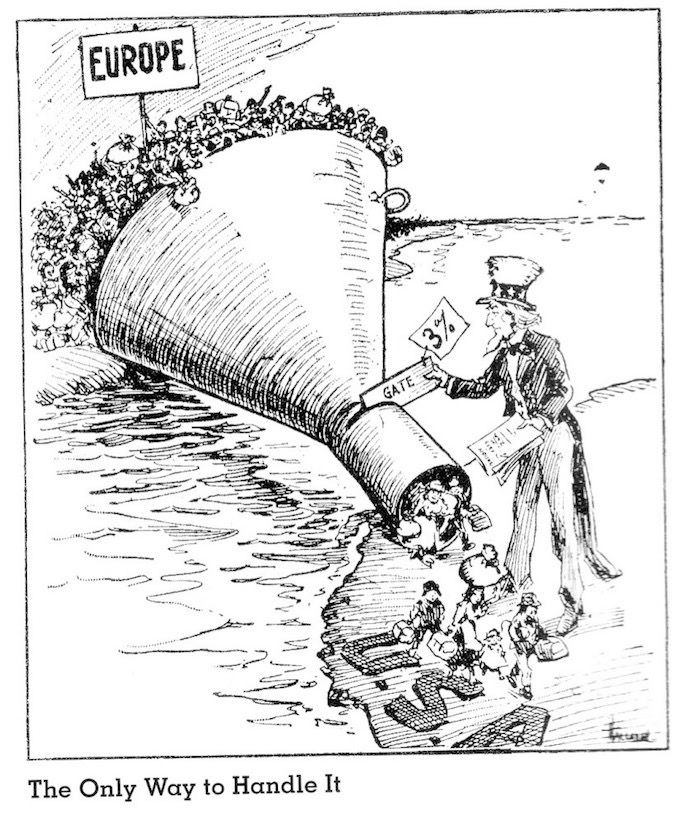
A political cartoon from the early 1900s

The Immigration Act of 1924 imposed harsh restrictions on Greeks and other non-western European immigrant groups. Under that law, only one hundred Greeks per year were allowed entry into the United States as new immigrants.

Much like today, when politicians and activists like Donald Trump use language against a particular ethnic group— like his call to ban all Muslims from entering the United States, the same was the case a hundred years ago. Except then, Greeks were one of the main targets.

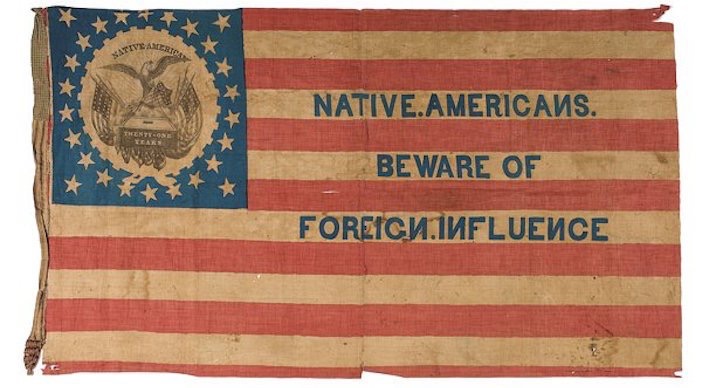
There was a strong, loud and active “nativist” movement that was led by people who believed they were the “true Americans” and the immigrants arriving— mainly Greeks, Italians, Chinese and others who were deemed “different” and even “dangerous” to American ideals, were unfit to come to America.

As early as 1894 a group of men from Harvard University founded the Immigration Restriction League (IRL), proponents of a United States that should be populated with “British, German and Scandinavian stock” and not by “inferior races.” Their biggest targets were Greeks and Italians and the group had a powerful influence with the general public and leaders in the U.S. government in their efforts to keep “undesirables” out of America.

America, the “unrestricted dumping ground” which depicted Greeks and other Eastern Europeans as animals.
The well-known cartoon “The Fool Pied Piper” by Samuel Erhart appeared in 1909 portraying Uncle Sam as the Pied Piper playing a pipe labeled “Lax Immigration Laws” and leading a horde of rats labeled “Jail Bird, Murderer, Thief, Criminal, Crook, Kidnapper, Incendiary, Assassin, Convict, Bandit, Fire Brand, White Slaver, and Degenerate” toward America. Some rats carry signs that read “Black Hand,” referring to the Italian Mafia. In the background, rulers from France, Russia, Germany, Italy, Austria-Hungary, Turkey and Greece celebrate the departure of the fleeing rats.

At the beginning of the 1900s tens of thousands of Greek immigrant men began arriving in the United States, fleeing famine and war back home. The 1897 Balkan Wars were especially brutal and tens of thousands of Greek men headed for safer and more prosperous shores. Between 1900 and 1920, according to official U.S. government records, more than 350,000 Greeks immigrated to the United States— 95 percent of the immigrants were men.

In his epic research and meticulous writing, the late Charles Moskos noted in his book “Greek Americans: Struggles and Success” that from 1900 to 1915 close to one out of four men in Greece departed for America. That’s almost 25 per cent of the entire male population of the country.

Greek men arriving at Ellis Island in 1911
Greeks scattered throughout the United States. Many settled in mill towns like Lowell, Massachusetts while others went west, taking hard jobs in coal, copper and salt mines. Tens of thousands also settled in Chicago and other Midwest urban centers.

Chicago Greeks arriving during this wave started selling food from pushcarts and lunch wagons in the busy city streets. The Greeks were met with fierce resistance and discrimination— even at an official level. Under the administration of Mayor Carter H. Harrison II, bowing to pressure from “native” Americans, the city passed an ordinance targeted 100% against the Greek food merchants, prohibiting the sale of food on the streets and effectively shutting down thousands of small Greek-immigrant-run businesses.

In South Omaha, Nebraska in February 1909— three thousand Greek families fled their homes in that city’s Greektown neighborhood after an organized community-wide effort to burn down Greek homes and businesses engulfed the city.
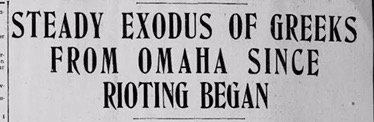
A Greek man was arrested and involved in a deadly altercation with a “white” police officer. His charge— being in the company of a “white” woman who was teaching him English. The destruction that followed— tens of millions of dollars in damage to property— and an entire ethnic community banished— disappeared, fleeing for their lives overnight— has gone down as one of the ugliest racist and discriminatory incidents in all of American history.

The New York Times carried an article about the riot stating that 3,000 “American” men looted Greek homes and businesses, beat Greek men, women and children, and burnt down every building in the area. The entire population of Greeks in South Omaha were warned to leave the city within one day, or risk the ongoing wrath of the mob. Within a few days, all the Greeks living in South Omaha fled the city, moving to Council Bluffs, Sioux City and Salt Lake City.
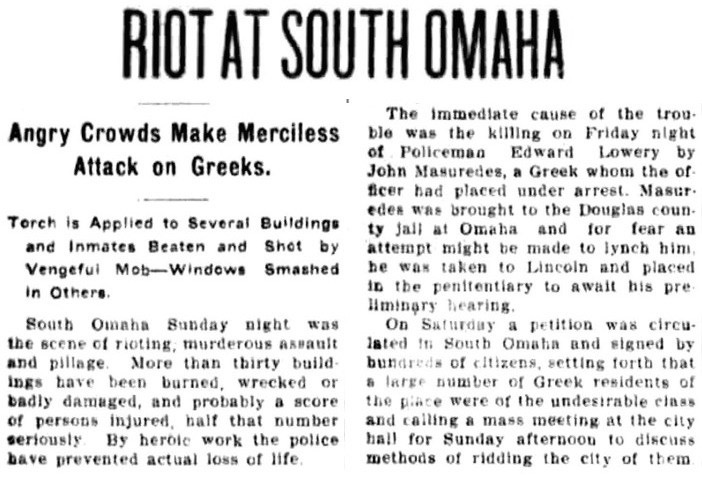
The Omaha Daily News, justifying the exodus of the Greeks wrote, “Their quarters have been unsanitary; they have insulted women… Herded together in lodging houses and living cheaply, Greeks are a menace to the American laboring man.”

“Pure American. No Rats, No Greeks”

In the west, numerous restaurants owned by native born Americans posted signs in their windows that said ‘Operated by an American” or “Pure American. No Rats, No Greeks.”

In places such as Idaho, Greeks could not live in certain neighborhoods and were restricted from using public parks.

In 1909, the Rhode Island legislature debated a bill that would have banned non-citizens from fishing for lobsters. It was aimed at Greeks by “native” locals who felt Greeks were crowding native Americans out of a profitable trade and gaining too much control over the industry in the region.

In 1911, a Greek immigrant who hauled trash from various restaurants was warned to “get out of the garbage business or we will kill all of you Greeks.”
A violent uprising took place against Greek lumberman in Grays Harbor, Washington in 1912 where hundreds of Greeks were forcibly expelled from the town by boat and train.

Violent uprisings— often led by the U.S. military and national guard also took place in mining towns like Bingham, Utah and of course, Ludlow, Colorado, where newly naturalized community activist Louis Tikas was gunned down by a member of the U.S. National Guard during what has been called the “Ludlow Massacre”.

These incidents were fueled by anti-immigrant, anti-foreigner elements that were prevalent in America at the time.

In 1916, a Phoenix, Arizona labor journal accused Greek businesses of imperiling the future of local merchants, informing readers that Greeks “are a menace to YOU!”

Official movements by citizen groups and the government were bolstered by openly racist groups like the Ku Klux Klan, which specifically targeted Greeks, amongst the numerous other “undesirable” groups, including African Americans, Jews and Catholics.

But as the story goes— despite this open discrimination, racial antagonism and even an entire government mechanism working against this community, the Greeks in this country prospered, organized and became an active and vibrant part of its fabric.

A look at calls for closed borders today by politicians and activists— and complete bans on certain groups entering the nation based on race, nationality or religion, are nothing new. In fact, they’re a big part of American history. Fortunately, though, we have the mistakes of the past to draw on so that we don’t repeat these same mistakes in the future.


Η ιστορία του τραγουδιού «Μισιρλού» από τη Σμύρνη που κατέκτησε το Hollywood

The song was first performed by the ”Michalis Patrinos rebetiko band” in Athens, Greece in 1927. . Patrinos, who originally lived in Smyrna, named the song Mısırlı or Misirlou which means specifically a Muslim Egyptian girl, as opposed to Egyptian Christians who were referred to as ‘Aigyptioi’ in Greek.Initially, the song was composed as a Greek (Asia Minor) tsifteteli dance, in the rebetiko style of music, at a slower tempo and a different key than the orientalized performances that most are familiar with today. This was the style of the first known recording by Michalis Patrinos in Greece, circa 1930 (which was circulated in the United States by Titos Dimitriadis’ Orthophonic label) a second recording was made by Patrinos in New York, in 1931.

In 1941, Nick Roubanis, a Greek-American music instructor, released a jazz instrumental arrangement of the song, crediting himself as the composer. Since his claim was never legally challenged, he is still officially credited as the composer today worldwide, except in Greece where credit is variably given to either Roubanis or Patrinos. Subsequently S. Russell, N. Wise, and M. Leeds wrote English lyrics to the song. Roubanis is also credited with fine-tuning the key and the melody, giving it the oriental sound that it is associated with today. The song soon became an “exotica” standard among the light swing (lounge) bands of the day.

In 1944 maestro Clovis el-Hajj, an Arabic Lebanese musician, performed this song and called it “amal.” This is the only Arabic version of this song.

The song was rearranged as a solo instrumental guitar piece by Dick Dale in 1962.

The Beach Boys recorded a Dale-inspired “Miserlou” for the 1963 album Surfin’ USA, forever making “Miserlou” a staple of American pop culture. 

Hundreds of recordings have been made to date, by performers as diverse as Agent Orange and Connie Francis.

In 1994, Dale’s version of “Miserlou” was used on the soundtrack of the motion picture ”Pulp Fiction”.

More recently, the song was selected by the Athens 2004 Organizing Committee as one of the most influential Greek songs of all time, and was heard in venues and at the closing ceremony-it was performed by Anna Vissi .

In 2006, his version once again found popularity, this time as the basis of The Black Eyed Peas’ single “Pump It.”

Also in 2006, a cover of Dale’s version was included as a playable song in the rhythm game Guitar Hero II.

Ο Αμερικανός εθνομουσικολόγος Ρίτσαρντ Σπότσγουντ, στη μελέτη του «Ethnic Music on records. Volume ΙΙΙ. Easter Europe. 1893-1942» (1990) υποστηρίζει ότι o ρεμπέτης Τέτος Δημητριάδης (ψευδώνυμα: Τάκης Νικολάου, Νώντας Σγουρός) ηχογράφησε πρώτη φορά το 1927 στην Αμερική τη «Μισιρλού» και όχι ο Ελληνοαμερικανός Νικ Ρουμπάνης, ο οποίος το παρουσίασε το 1941 σε τζαζ εκδοχή, αναφέροντας τον εαυτό του ως συνθέτη.

Ο Τέτος (Θεόδοτος) Δημητριάδης ήταν κιθαρίστας, συνθέτης, στιχουργός και τραγουδιστής από ιστορική οικογένεια της Κωνσταντινούπολης (αδελφός του διακεκριμένου σκιτσογράφου μας Φωκίωνα Δημητριάδη). Σταδιοδρόμησε στις ΗΠΑ του Μεσοπολέμου και είναι γνωστός από την εκεί δισκογραφία του. Στο διάστημα 1929-1935 πραγματοποίησε αρκετά ταξίδια στην Ελλάδα για να ηχογραφήσει ως εκπρόσωπος της αμερικανικής Εταιρείας RCA Victor (και της θυγατρικής της Orthophonic) φημισμένους ρεμπέτες, λαϊκούς οργανοπαίκτες, και κλασικούς τραγουδιστές της εποχής.

Ο Τέτος, μαζί με την αδελφή του Τασία Δημητριάδου, στο διάστημα 1922-42 κατέγραψαν σε δίσκους 78 στροφών 300 περίπου ελληνικά επιθεωρησιακά “σουξέ” και δεκάδες επιθεωρησιακά ντοκουμέντα, διασώζοντάς τα.

Το 1963, οι Beach Boys συμπεριέλαβαν στο άλμπουμ τους «Surfin’ USA» μια εκτέλεση της «Μισιρλούς» παρόμοια με αυτή του Ντέιλ, κάνοντάς την έτσι αναπόσπαστο κομμάτι της surf παράδοσης και της αμερικανικής ποπ κουλτούρας. 

Το 1994, η ευφυΐα που ακούει στο όνομα Κουέντιν Ταραντίνο, ερωτεύτηκε παράφορα τη μελωδία και αποφάσισε να ντύσει με την αλά Ντέιλ «Μισιρλού» την Ούμα Θέρμαν, στην ταινία του «Pulp Fiction», καθιερώνοντας το τραγούδι ως παγκόσμια καλτ λατρεία. 

Το 2004, το κομμάτι επιλέχθηκε από την Οργανωτική Επιτροπή των Ολυμπιακών Αγώνων της Αθήνας, ως ένα από τα πιο γνωστά ελληνικά τραγούδια όλων των εποχών. Τον Μάρτιο του 2005, το περιοδικό «Q Magazine» κατέταξε την εκδοχή του Ντέιλ στο νούμερο 89, στη λίστα του με τα 100 Σπουδαιότερα Κομμάτια Παιγμένα σε Κιθάρα. Το 2006, η εκτέλεση του Ντέιλ αναβιώνει ξανά, μέσω του τραγουδιού «Pump It» των Black Eyed Peas. Μετά από όλη της αυτή τη διαδρομή, η «Μισιρλού» είναι σήμερα εξαιρετικά δημοφιλής σε τέσσερα εντελώς διαφορετικά είδη μουσικής: στο ρεμπέτικο, στη λαϊκή μουσική της Μέσης Ανατολής, στην εβραϊκή μουσική, που παίζεται σε γάμους και γιορτές (Κλεζμέρ) και στο surf ροκ.

Kostarelos: three generations of cheesemakers


Meet Nikos & Kyriakos Kostarelos who are not only upholding a family legacy but taking their cheesemaking business to a whole new level

The Kostarelos family cheesemaking business began in 1937 in the keen hands of Kyriakos Kostarelos. Today, brothers Kyriakos and Nikos, are the equally capable third generation, who have stepped up to continue the legacy.

Striking the perfect balance between old and new production techniques, they are successfully producing a large variety of high quality dairy products, that are attracting the attention of those who are serious about cheese.

The secret to their success is largely tied to observing old Greek farming techniques, using small herds that freely roam around the meadows of Karistos south of Evia, to achieve the similar tastes and characteristics that their ancestors once did. Renowned for their feta cheeses, yoghurts, goat’s cheese Graviera and creamy “Tsalafouti”, a soft creamy cheese made of goat’s milk, they have also adjusted the amount of fat in some of their products to suit a contemporary diet.

You can taste their products in Athens at the recently opened flagship store in upmarket Kolonaki, a very on trend eat in deli with a delicious menu of sandwiches, salads and soups, assembled by well-known Greek chef Chrysanthos Karamolegos. Their artisanal coffee and desserts are also worth stopping by for.

This video forms part of a series developed by LoveGreece.com that is inspired by the dynamism and creativity of the Greek entrepreneurial spirit. Founded in 2013, the initiative aims to boost and promote Greece’s image abroad by profiling talented and successful entrepreneurs and professionals. With their ethos and vision, these pioneering Greeks are an important part of Greece worth sharing with the world. Powered by Gina Mamidaki, founder of the G & A Mamidakis Foundation.

Αυτές είναι οι 6 ελληνικές ράτσες σκύλων

Είκοσι χρόνια φυλακή στον ηγούμενο της παλιάς Αδελφότητας Εσφιγμένου Αυτές είναι οι 7 χώρες που απαγόρευσε ο Τραμπ να μπαίνουν στην Αμερική Σπάνια θα τους δεις στην βόλτα σου. Ακόμη και αν είσαι εξοικειωμένος με το φουντωτό και χαριτωμένο κοκόνι ενδεχομένως να μην γνωρίζεις ότι πρόκειται αναγνωρισμένη ελληνική φυλή σκύλου. Ναι, υπάρχουν και ράτσες σκύλων αμιγώς ελληνικές και θα έχεις την δυνατότητα να τους δεις από κοντά. 

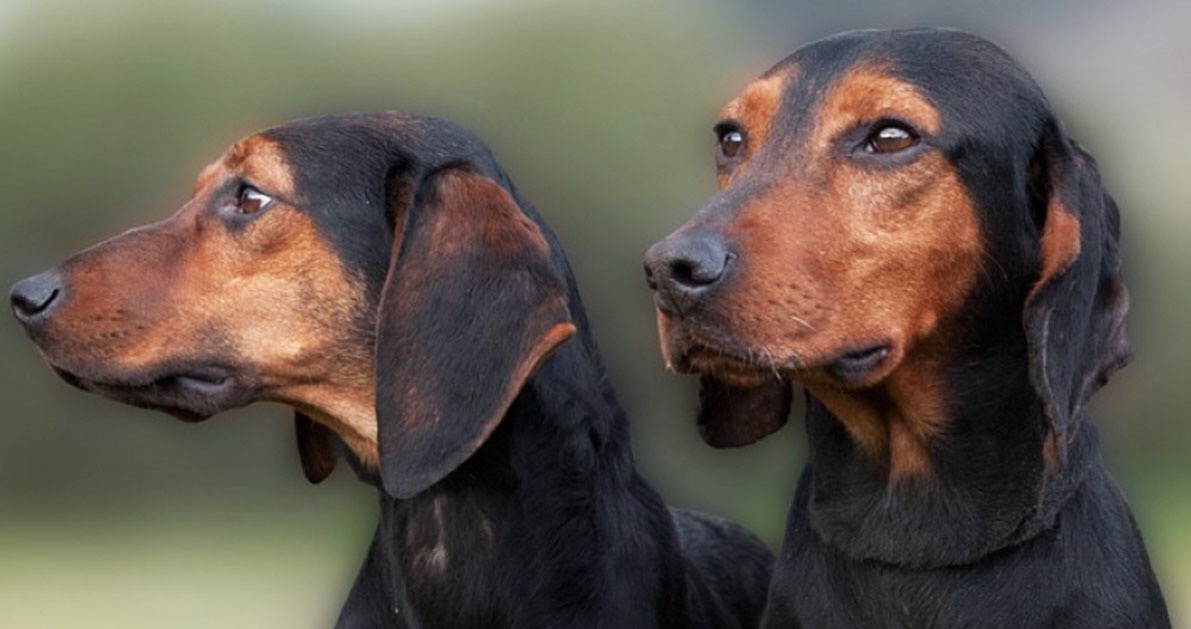
Ενδεχομένως, να τους έχεις ήδη δει τα Σαββατοκύριακα στην εξοχή, όπου παρατηρείς έναν σκύλο να έλκεται από της «ζωής το άγνωστο». Τον διεθνώς αναγνωρισμένο ως ελληνική φυλή, εδώ και 18 χρόνια, ελληνικό ιχνηλάτη. Ο φιλικός ιχνηλάτης μάλιστα παρουσιάζεται σε διεθνείς εκθέσεις σκύλων στο εξωτερικό, προβάλλοντας παγκοσμίως την Κυνολογική δραστηριότητα της χώρας μας. Οι έξι ελληνικές φυλές, οι περισσότερες άγνωστες στο ευρύ κοινό.
Ελληνικός Ποιμενικός 


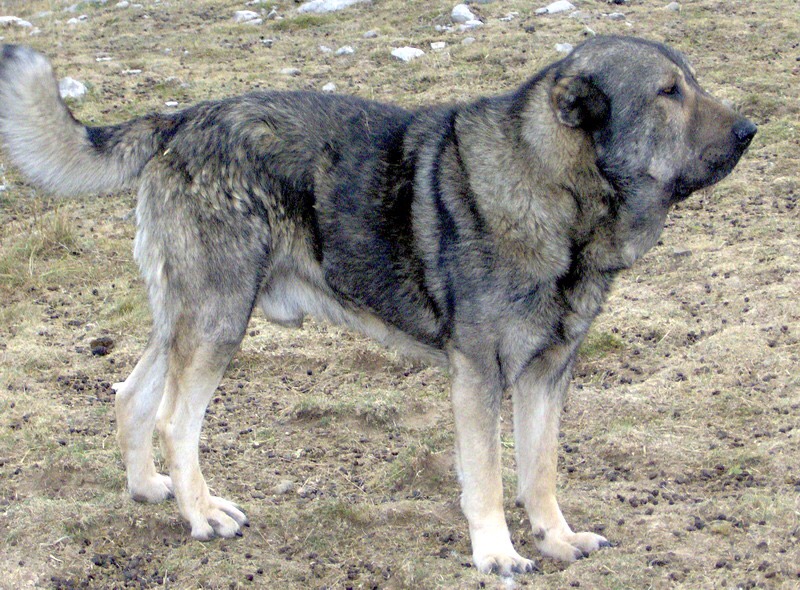
Ο «Survivor». Ικανός να κινείται όλη την ημέρα, υπό ακραία αντίξοες καιρικές συνθήκες, ο Ελληνικός Ποιμενικός συναντάται για πρώτη φορά στην αρχαιότητα ως Ποιμενικός Μολοσσός. Στο διάβα των αιώνων εξελίχθηκε στο σημερινό γενετικό κράμα του. Ένας σκύλος ατρόμητος, με άρτια σωματική διάπλαση έχει ελάχιστες απαιτήσεις για τροφή και αποτελεί την καλύτερη προστασία για τα κοπάδια των αιγοπροβάτων. Μόνιμα σε εγρήγορση, σχεδόν πάντα έτοιμος να καλπάσει με την αέρινη κίνηση του και να πέσει στην… φωτιά ενός καυγά για να προστατέψει τον ζωτικό του χώρο. Όπως και μάχεται συνεχώς για να αποδείξει ότι αξίζει την πρωτοκαθεδρία σε μια αγέλη σκύλων, αυτός ο εντυπωσιακός σκύλος, που έχει ελάχιστες απαιτήσεις σε τροφή. 
Ελληνικός Ιχνηλάτης 


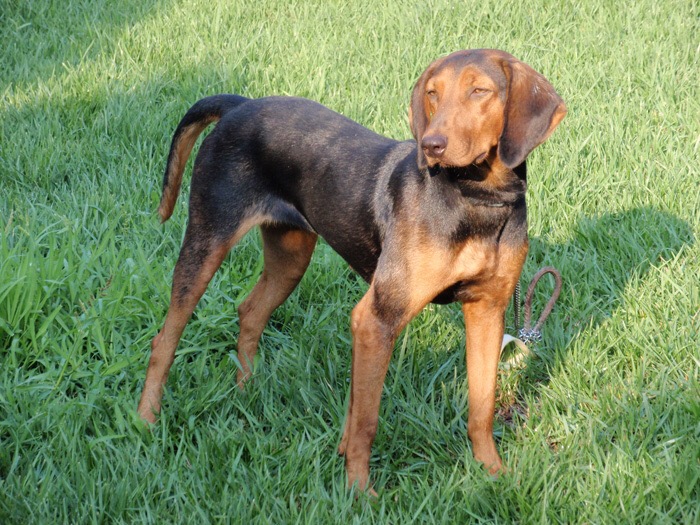
Ακούραστος, θα μπορούσε να ανταγωνιστεί τους Κενυάτες δρομείς μεγάλων αποστάσεων στους Ολυμπιακούς Αγώνες και να τους νικήσει. Δρομέας με εξαιρετικά λεπτή όσφρηση και μεγάλη αντοχή, κυνηγά ακούραστα είτε μόνος είτε κατά κοπάδια και προσαρμόζεται απολύτως σε όλα τα εδάφη, ακόμη και τα πλέον απρόσιτα. Με φωνή ηχηρή και αρμονική αυτός ο οξύνους σκύλος μεσαίων διαστάσεων και κοντό τρίχωμα κόκκινου της φωτιάς πολλές φορές είναι ιδιαίτερα δυνατός και ζωηρός. , δυνατός, ρωμαλέος, ζωηρός και οξύνους. Μπορεί να φτάσει μέχρι και τα 55 εκατοστά ύψος ενώ είναι ιδιαίτερα φιλικός και δεν αναζητά μπελάδες.
Κρητικός Λαγωνικός/Ιχνηλάτης 


Η μορφή του εμφανίζεται σε αρχαιολογικά ευρήματα ηλικίας 5 χιλιάδων ετών στην ιδιαίτερη πατρίδα του, την Κρήτη. Έργα τέχνης που απεικονίζουν τον Κρητικό σκύλο δίωξης εμφανίζονται ήδη από τους προϊστορικούς οικισμούς της μεγαλονήσου που προηγήθηκαν του Μινωικού πολιτισμού. Νευρώδης, αθλητικός και ταχύς ο κρητικός λαγωνικός συνηθίζει να κυνηγά λαγούς και αγριοκούνελα χάρη στην οξύτατη όραση και όσφρηση του. Ανθεκτικός και αποτελεσματικός σε όλα τα εδάφη και ιδιαίτερα τα βραχώδη και δύσβατα όπου αναδεικνύονται οι ικανότητές του στην αναρρίχηση, ερευνά, όπου βρίσκει και καταδιώκει το θήραμα με ορμητικότητα και εξαιρετική ευελιξία, ικανός ακόμη και να το συλλάβει. Λιτοδίαιτος οργανισμός με ισχυρή κράση και ζωηρή ιδιοσυγκρασία, είναι ικανός για πολύωρη εργασία ακόμα και στις πιο απόκρημνες ορεινές περιοχές της πατρίδας του. Εναργής, ευφυής, ευγενής και ήπιος, συντροφικός και καλότροπος στο σπίτι ο κρητικός λαγωνικός είναι πλασμένος για την καταδίωξη και μόνο μέσα από αυτήν αναδεικνύεται σωματικά και διανοητικά. 
Κοκόνι 


Ακόμη μια ελληνική φυλή σκύλου με αρχαία καταγωγή. Άπειρες αναπαραστάσεις σε αγγεία, αγάλματα, ειδώλια και νομίσματα φανερώνουν την ύπαρξή του και την τόσο κοντινή σχέση του με την αρχαία ελληνική οικογένεια. Από αναφορές σε κείμενα και γκραβούρες ο σκύλος αυτός εμφανίζεται από την αρχαιότητα μέχρι και σήμερα σε μια αδιάσπαστη συνέχεια σε όλο τον Ελλαδικό χώρο. Είναι από τις πλέον χαριτωμένες ελληνικές φυλές. Μικρόσωμος σκύλος με κορμό μακρύτερο από ότι το ύψος του, τρίχωμα κοντό στο πρόσωπο. Είναι χαρακτηριστικό ότι το μήκος σώματος του είναι μακρύτερο του ύψους του. Πολύ ζωηρό σκυλάκι κάνει ιδανική παρέα σε παιδιά, μιας και είναι χαρούμενος και εύστροφος, ενώ θα αποτελέσει μια πιστή παρέα στον ιδιοκτήτη του στο διάβα των ετών. 
Λευκό Ελληνικό Τσοπανόσκυλο 


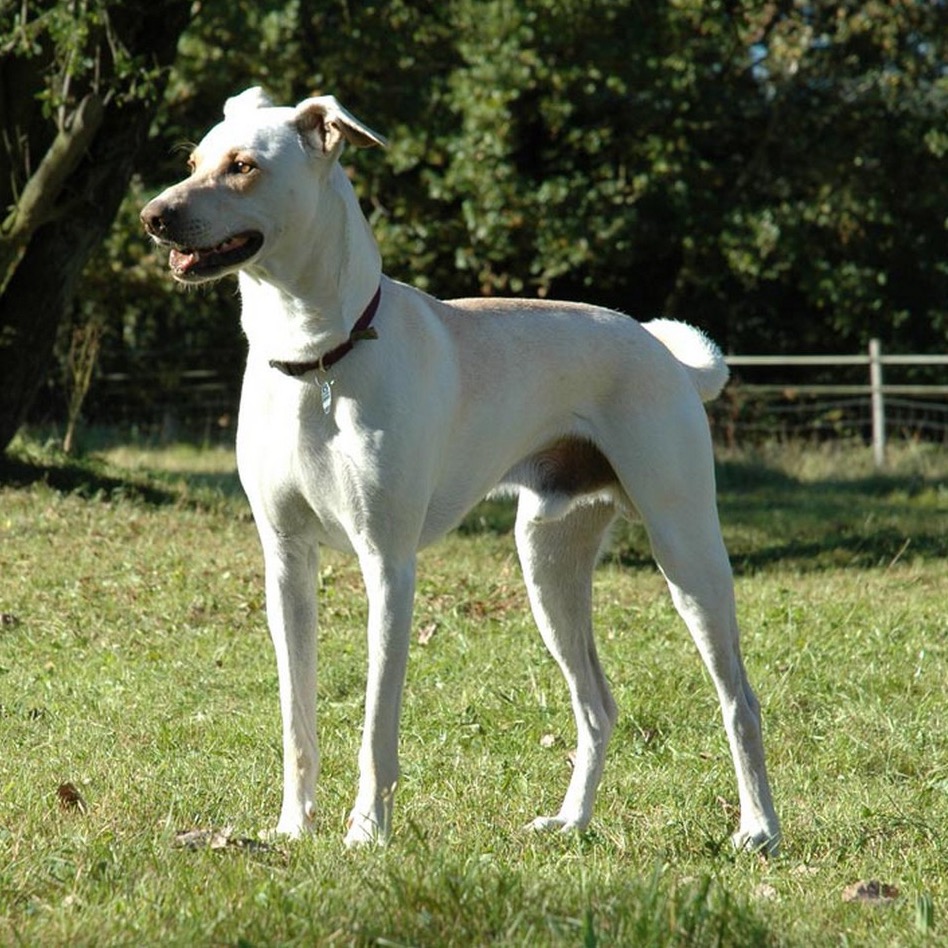
Η αριστοκρατική του εμφάνιση «κλέβει» την παράσταση. Δυνατό και πολύ έξυπνο το λευκό ελληνικό τσοπανόσκυλο αποτελεί τον ιδανικό φύλακα κοπαδιών. Είναι ιδιαίτερα φιλικός με τους ανθρώπους του περιβάλλοντος του, στους οποίους εμφανίζει ένα άλλο πρόσωπο από αυτό, που επιφυλάσσει στους εισβολείς του χώρου, που εποπτεύει. Δεν είναι ιδιαίτερα βαρύς, έχει σχετικά μακριά άκρα, είναι ευλύγιστος και γρήγορος. Το λευκό Ελληνικό Τσοπανόσκυλο, όπως μαρτυρά και το όνομα του, εξυπηρετεί τους σκοπούς των βοσκών, στους οποίους προσφέρουν και μια μοναδική αίσθηση συντροφικότητας. 
Μολοσσός της Ηπείρου 


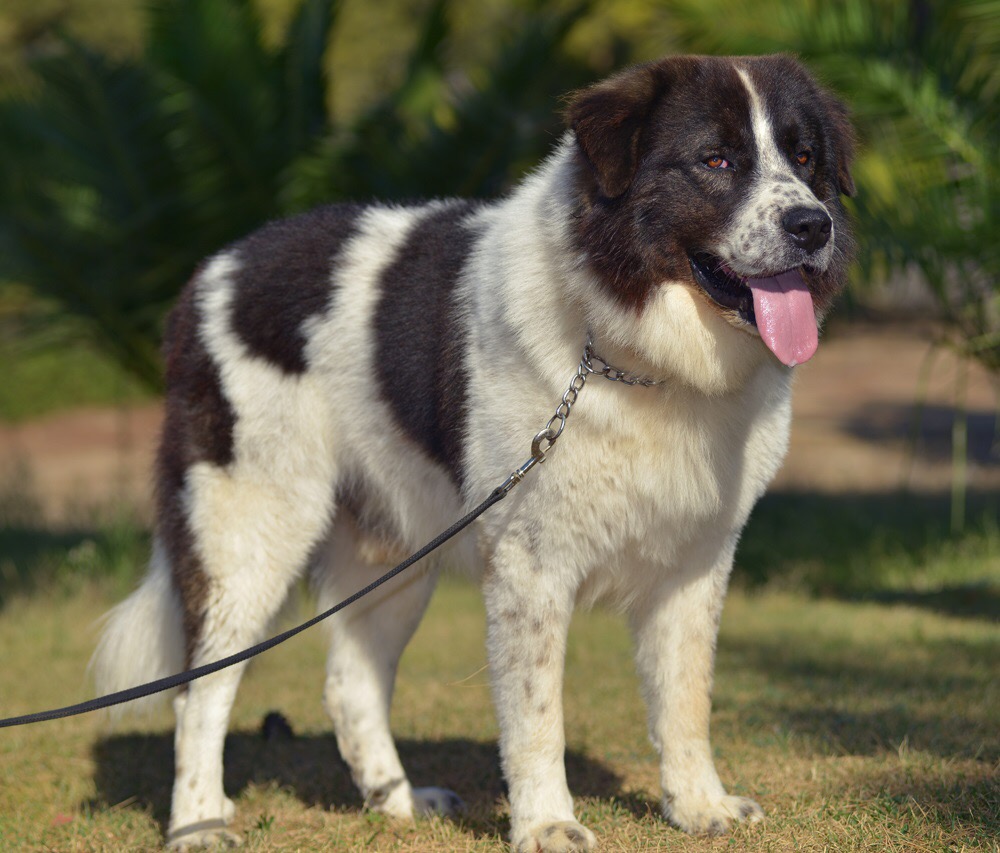
Με καταγωγή από την Ήπειρο και αυτός ο ελληνικής φυλής σκύλος είναι προορισμένος για την φύλαξη και την προστασία μεγάλων κοπαδιών από μεγάλα αγρίμια όπως το τσακάλι, ο λύκος και οι αρκούδες. Ένας ρόλος, τον οποίο επιτελεί εδώ κι χιλιάδες χρόνια. Το μέγεθος του είναι μεγάλο, είναι συμπαγής και δυνατός. Έξυπνος, πιστός, αφοσιωμένος και δεμένος με το κοπάδι και τον κύριό του, φιλικός στους ανθρώπους του περιβάλλοντός του και ικανός όταν χρειαστεί να προστατέψει το κοπάδι ή την ιδιοκτησία που φυλάει.

Sydney’s Wooden Streets 1880-1900 – Part 1 of 5

Woodblock paving was used to surface Sydney’s streets from the 1880s until the 1930s. The paving here is a recreation of what Sydney’s streets looked like at the time. 

Sandstone paving had proved unsuccessful because it crumbled under the wheels of carts. Australian hardwoods were found to be a durable substitute and were so successful they were used on streets in London and Paris.

At the northern end of George Street, near Dawes Point, original woodblocks, largely still in place beneath the bitumen surface, have been left buried for future generations.

George Michael’s funeral delayed as body has yet to be released by coroner


Waiting for the toxicology results means that the inquest into the star’s death – as well as his funeral – has been delayed, it was announced

The mystery surrounding George Michael ‘s death draws as as a coroner wait for the important results from toxicology tests.

Waiting for the results means that the inquest into the star’s death – as well as his funeral – has been delayed, it was announced today.

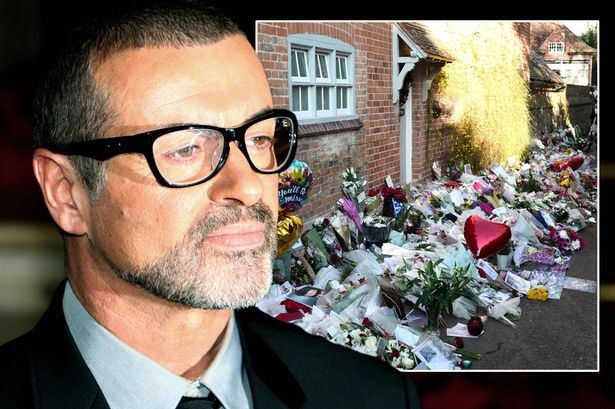
Hundreds of floral tributes and trinkets that were left outside his countryside mansion have been lovingly moved to a grassy verge with a sign posted on the front door requesting that gifts were not blocking the entrance.

George’s inquest and funeral have been delayed (Photo: Rex Features)
Senior coroner for Oxfordshire, Darren Salter, has yet to open an inquest into the pop star’s death on Christmas Day and Thames Valley Police have said they were still awaiting the results of toxicology tests on his body organs to ascertain if drug ingestion had played a factor in the singer’s death.

Speculation has mounted that the 53-year-old, who was known to have used crack cocaine and heroin in the past, may have turned to narcotics in his final days.

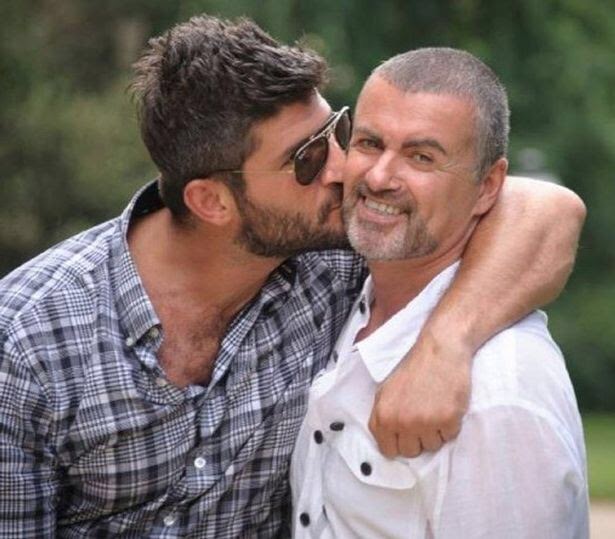
Police said the death was still being treated as “non-suspicious” although interviews have been carried out in the weeks since, with his Australian boyfriend Fadi Fawaz spoken to twice.


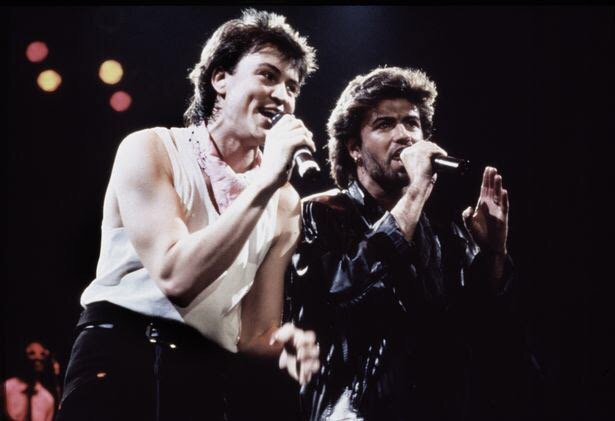
George on stage with Paul Young in 1985 (Photo: Getty)

The mystery surrounding George Michael ‘s death draws as as a coroner wait for the important results from toxicology tests.

Waiting for the results means that the inquest into the star’s death – as well as his funeral – has been delayed, it was announced today.

Hundreds of floral tributes and trinkets that were left outside his countryside mansion have been lovingly moved to a grassy verge with a sign posted on the front door requesting that gifts were not blocking the entrance.

‘He kept people out’: George Michael refused to confide in friends with his problems, claims former rival Boy George

Senior coroner for Oxfordshire, Darren Salter, has yet to open an inquest into the pop star’s death on Christmas Day and Thames Valley Police have said they were still awaiting the results of toxicology tests on his body organs to ascertain if drug ingestion had played a factor in the singer’s death.

Speculation has mounted that the 53-year-old, who was known to have used crack cocaine and heroin in the past, may have turned to narcotics in his final days.

Police said the death was still being treated as “non-suspicious” although interviews have been carried out in the weeks since, with his Australian boyfriend Fadi Fawaz spoken to twice.

A funeral cannot take place until George’s body has been released by the coroner, following the opening of the inquest and it was not yet known whether it would take place at the quaint parish church beside his riverside house in Goring-on-Thames, Oxon, or in London, where he also had a home in Highgate.

Today tourists and fans continued to snap selfies outside their idol’s home, and a wall beside the house was lined with scented candles and tributes.


George was found dead by his partner Fadi Fawaz (Photo: Twitter/@fadifawaz)

Fading bouquets that lined the grassy verge beside his house were moved from where they had blocked the entrance in the initial days after the death.

Metallic balloons and laminated messages and photos from around the world were still accumulating as devotees paid tribute to the Greek singer, who rose to fame with Wham! before launching a solo career.

Two Greek Australians launch the first series of Greek-themed stories

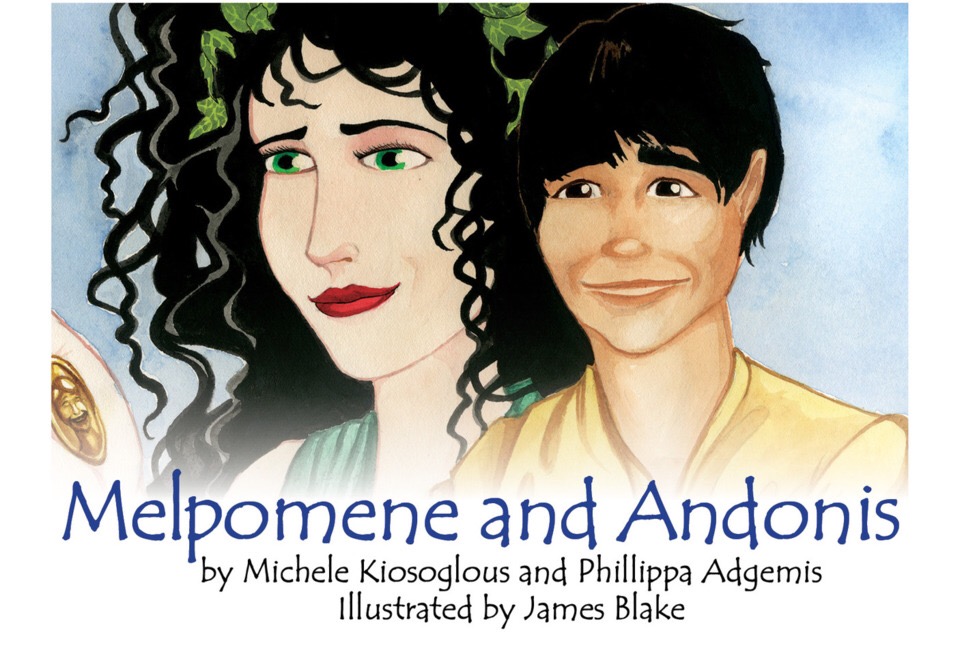
Michele Kiosoglous and Phillippa Adgemis invite you to the Australian Launch of their first children’s book, MELPOMENE and ANDONIS, in the series, Stories of Megisti Kastellorizo.

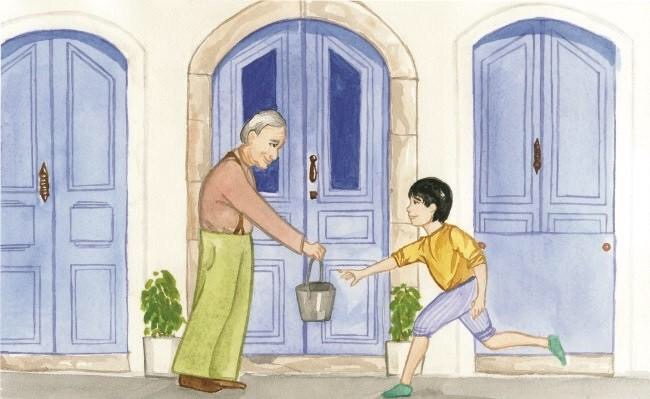
The story is set on the island of Kastellorizo and is about the Muse of Tragedy and Song, who together with a young local boy, have a memorable adventure and learn an important lesson.

We are delighted that Mr. George Papadopoulos LLM, AM founding member of the Ethnic Communities Council of Australia, Chairman of the Ethnic Affairs Commission of Australia and a person, with a life long commitment to ethnic advisory and the Greek Community will be launching our book at the Victorian Association’s Kastellorizian House, Dorcas Street, South Melbourne.

As per the invitation, the Australian launch will be held in Melbourne on Friday 3 February 2017 at 8pm. We would be delighted to see you there & share a muse cocktail; We invite guests to RSVP for catering purposes. 

For those who cannot attend the Australian launch in Melbourne, the European launch will be held on Kastellorizo, 10 July 2017 at Drasi. 

Books will also be available after the Melbourne launch online for those who cannot attend.

Looking forward to seeing you!

Michele and Phillippa
This series of children’s picture books will also be available for purchase via the official website http://www.storiesofmegistikastellorizo.com

Σοκαριστικό! Κόρη Έλληνα πρωταγωνιστή Παντελη Ζερβος θάφτηκε ζωντανή

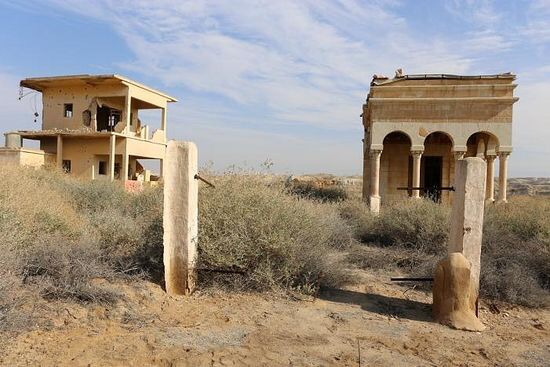
ABANDONED CHURCHES NEAR SITE OF CHRIST’S BAPTISM MAY OPEN AGAIN


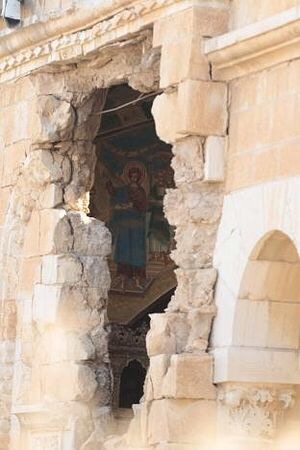
“Ghost” churches near the Jordan River, where St. John the Forerunner baptized the Lord Jesus Christ, could be reopened to pilgrims as part of an effort to remove booby-traps and land mines, reports Reuters.
Thousands of mines litter the river banks which once served as a war zone between Israel and Jordan. Following its 1967 capture of the West Bank, Israel booby-trapped some of the area’s seven now-abandoned Orthodox and Catholic churches as protection against Jordanian incursions.

The two nations made peace in 1994, but mine clearing took several years to begin. The Halo Trust, a Scottish-based charity, is now looking to raise $4 million to clear the expected 4,500 mines on the western side of the river. The mined area is only half a mile from an already cleared site at Qasr al-Yahud (about a half hour drive from Jerusalem), where Christian pilgrims already come in great numbers. The foundation says it will need two years to clear the area, making it safe to open the churches once again, and that its work is supported by Israeli, Jordanian, and Palestinian authorities.


It is unclear precisely where the Gospel’s referenced “Bethany beyond the Jordan” is to be found, both nations claiming it is on their side of the river. The first evidence of a monastery near the place of the Lord’s Baptism dates to the sixth century, when it was mentioned that a monastery was erected by the orders of Byzantine emperor Anastasius I (491-518), according to Sedmitza.

The Jordanian side was declared a UNESCO World Heritage Site in 2015, after opening in 2002. The Israeli site opened in 2011, and receives more visitors, although its churches have remained closed.

“Every year these places attract more than 450,000 tourists and pilgrims from all over the world, and we are confident that the local economy will flourish after the mine clearance on the territory of the churches, and their restoration,” said Ronen Shimoni, the Halo Trust’s mine clearance project manager.

The team tasked with clearing the mines consists of thirty-five to forty “sappers,” most coming from Georgia.

Two Greek filmmakers headed to the Oscars


Yorgos Lanthimos’s dystopian drama “The Lobster” was nominated on Tuesday in the Best Original Screenplay category of the 89th Oscars, making it the second time the 43-year-old filmmaker looks forward to bringing home one of the coveted gold statuettes.

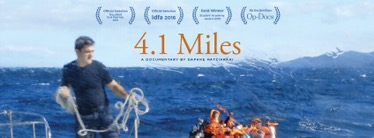
The award-winning filmmaker is joined in the ranks of Oscar hopefuls by another Greek, Daphne Matziaraki, whose “4.1 Miles” was selected for the Best Short Documentary category.

“The Lobster” stars Colin Farrell and Rachel Weisz as two people looking for love in a world where you are turned into an animal if you fail to make a romantic attachment.

This is Lanthimos’s second Oscar nomination after his “Dogtooth” vied for Best Foreign Language Film in 2011.

Matziaraki’s portrait of a coast guard grappling with the refugee crisis on the Greek island of Lesvos, meanwhile, has already won the top prize in the Academy’s “Student Oscars” in Los Angeles in September. 

Award-winning filmmaker Daphne Matziaraki’s “4.1 Miles” was nominated in the Best Short Documentary category. 4.1 Miles shows a day in the life of a Hellenic Coast Guard captain, caught in the middle of the refugee crisis on the Greek island of Lesvos. Matziarakis already won the top prize in the Academy’s “Student Oscars” in Los Angeles in September. 


When I returned home to Greece last fall to make a film about the refugee crisis, I discovered a situation I had never imagined possible. The turquoise sea that surrounds the beautiful Greek island of Lesbos, just 4.1 miles from the Turkish coast, is these days a deadly gantlet, choked with terrified adults and small children on flimsy, dangerous boats. I had never seen people escaping war before, and neither had the island’s residents. I couldn’t believe there was no support for these families to safely escape whatever conflict had caused them to flee. The scene was haunting.

Regardless of the hardship Greeks have endured from the financial crisis, for a long time my home country has by and large been a peaceful, safe and easy place to live. But now Greece is facing a new crisis, one that threatens to undo years of stability, as we struggle to absorb the thousands of desperate migrants who pour across our borders every day. A peak of nearly 5,000 entered Greece each day last year, mainly fleeing conflicts in the Middle East.

The Greek Coast Guard, especially when I was there, has been completely unprepared to deal with the constant flow of rescues necessary to save refugees from drowning as they attempt to cross to Europe from Turkey. When I was there filming, Lesbos had about 40 local coast guard officers, who before the refugee crisis generally spent their time conducting routine border patrols. Most didn’t have CPR training. Their vessels didn’t have thermal cameras or any equipment necessary for tremendous emergencies.

Suddenly, the crew was charged with keeping the small bit of water they patrolled from becoming a mass grave. Each day, thousands of refugees crossed the water on tiny, dangerous inflatable rafts. Most of the passengers, sometimes including whoever was operating the boat, had never seen the sea. Often a motor would stall and passengers would be stranded for hours, floating tenuously on a cold, volatile sea. Or the bottom of a dinghy would simply tear away and all the passengers would be cast into the water. The coast guard felt completely abandoned, they told me, as if the world had left them to handle a huge humanitarian crisis — or allow thousands to drown offshore.

I followed a coast guard captain for three weeks as he pulled family after family, child after child, from the ocean and saved their lives. All the ones in this film were shot on a single day, October 28, 2015. Two additional rescues happened that same day but were not included.

The problem is far from over. Many of the refugees come from Syria, where Russia is intensifying bombings that are killing thousands of civilians and devastating Syrian cities. The United States is planning to respond. According to the Greek Coast Guard, thousands of families with children are lining up along Turkish shores to make the unsafe crossing to Greece.

In making this film, I was struck by the fine lines that separate us, the moments when our paths cross fleetingly, and we look at one another for the first time and sometimes for the last. This film shows that crucial moment between life and death, where regardless of political beliefs, fears or preparation, some people will go beyond themselves to save a stranger.

And it raises questions about our collective responsibility — the choices we all make for ourselves, and for others. We don’t all confront the refugee crisis with the same immediacy as the coast guard captain portrayed here. But as our world becomes more interconnected, and more violent, we do all face a choice — would we act as he does, to save the life of stranger? Or would we turn away?