RANKED: The 30 poorest countries in the world


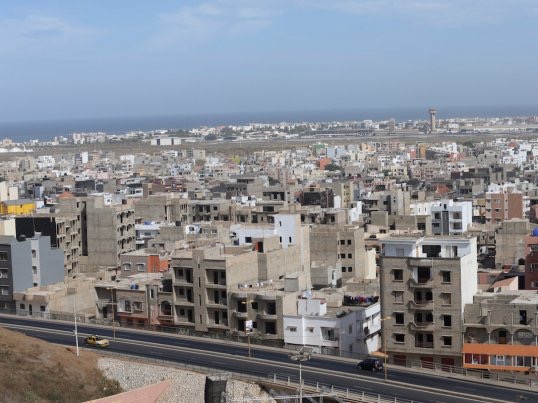
A cityscape of Dakar is seen from the top of African Renaissance hill, Senegal December 19, 2016.

The ranking of the world’s poorest countries is once again dominated by African countries, according to an analysis by Global Finance Magazine.

The ranking was published in February 2017 and based on data from the International Monetary Fund.

The magazine ranked the world’s countries according to their gross domestic product (GDP) based on purchasing power parity (PPP) per capita.

The PPP takes into account the relative cost of living and the inflation rates of the countries to compare living standards among the different nations.

Most of the countries populating the top of this ranking are under authoritarian regimes where corruption is rampant. This a big deterrent to foreign investors, even if some of those countries have huge amounts of natural resources. 

The GDP per capita listed represents the amount of wealth produced in 2016 and is expressed in international dollars.
Here are the bottom 25 (and here’s the full study):

30. Senegal — GDP per capita: $2,578 (£2,102)

29. Yemen — GDP per capita: $2,521 (£2,056)

28. Nepal — GDP per capita: $2,480 (£2,022)

27. Mali — GDP per capita: $2,264 (£1,846)

26. Benin — GDP per capita: $2,184 (£1,781)

25. Uganda — GDP per capita: £2,066 (£1,685)

24. Solomon Islands — GDP per capita: $1,995 (£1,627)

23. Afghanistan — GDP per capita: $1,957 (£1,596)

22. Zimbabwe — $1,953 (£1,593)

21. Ethiopia — GDP per capita: $1,916 (£1,562)

20. Rwanda — GDP per capita: $1,905 (£1,553)

19. Kiribati — GDP per capita: $1,820 (£1,484)

18. Burkina Faso — GDP per capita: $1,790 (£1,460)

17. Haiti — GDP per capita: $1,784 (£1,455)

16. South Sudan — $1,670 (£1,362)

15. The Gambia — GDP per capita: $1,664 (£1,357)

14. Sierra Leone — GDP per capita: $1,651 (£1,346)

13. Guinea-Bissau — GDP per capita: $1,568 (£1,279)

12. Togo — GDP per capita: $1,545 ($1,260)

11. Comoros — GDP per capita: $1,529 (£1,247)

10. Madagascar — GDP per capita: $1,504 (£1,226)

9. Eritrea — GDP per capita: $1,321 (£1,077)

8. Guinea — GDP per capita: $1,271 (£1,036)

7. Mozambique — GDP per capita: $1,228 (£1,001)

6. Malawi — GDP per capita: $1,139 (£929)

5. Niger — GDP per capita: $1,113 (£907)

4. Liberia — GDP per capita: $882 (£719)

3. Burundi — GDP per capita: $818 (£667)

2. Democratic Republic of Congo — GDP per capita: $784 (£639)

1. Central African Republic — GDP per capita: $656 (£535)

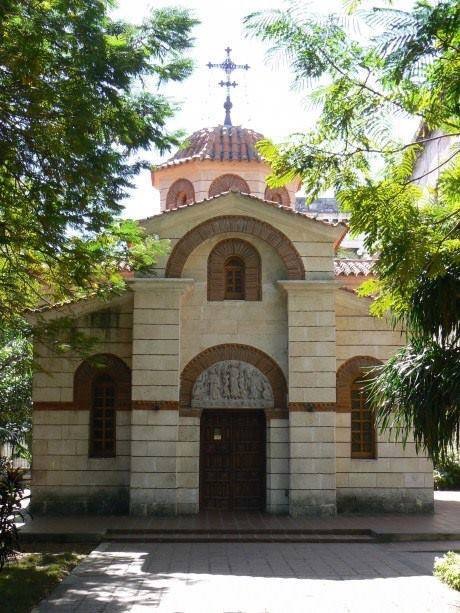
St. Nikolaos Greek Orthodox Church in Havana
The story of St Nicholas of Myra Greek Orthodox Church in Havana, Cuba; the first Church built by Fidel Castro’s government and the only Church in over 50 years.

The Cuban Revolution overthrew the Batista regime on January 1st 1959. During Fidel Castro’s 49 year reign as Cuban Prime Minister and then President, there had not been any new churches in Cuba. 

Except one.

“A Beacon in Havana” is a short documentary that examines how the Saint Nicholas of Myra Greek Orthodox Church in Havana, Cuba came to be. The documentary looks into the role of the Church in Cuban society and Greek Orthodoxy in Cuba today.

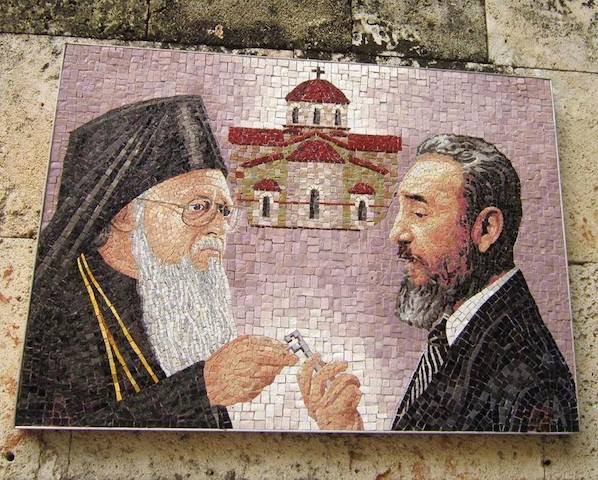
Mosaic depicting the handover of the keys by Fidel Castro to Patriarch Bartholomew

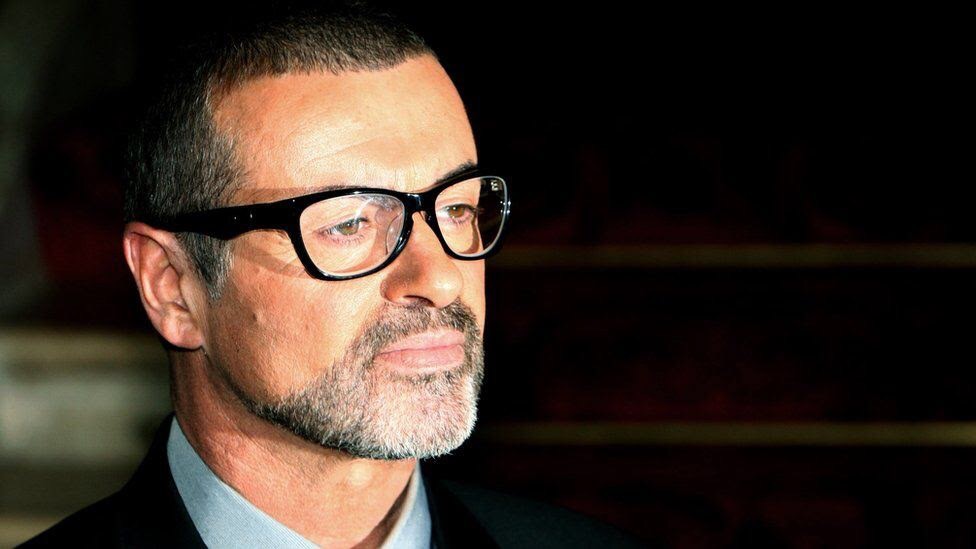
George Michael died as a result of heart and liver disease, a coroner has confirmed


It has taken 10 weeks for George Michael’s cause of death to emerge

George Michael died as a result of heart and liver disease, a coroner has confirmed.

The pop star was suffering from dilated cardiomyopathy with myocarditis and fatty liver, according to Darren Salter, senior coroner for Oxfordshire.

The singer died aged 53 on Christmas Day at his home in Goring-on-Thames, Oxfordshire.

Because there was a “natural cause of death”, the coroner said there was no need for an inquest.

Thames Valley Police originally said his death was unexplained but not suspicious and an initial post-mortem examination was “inconclusive”.


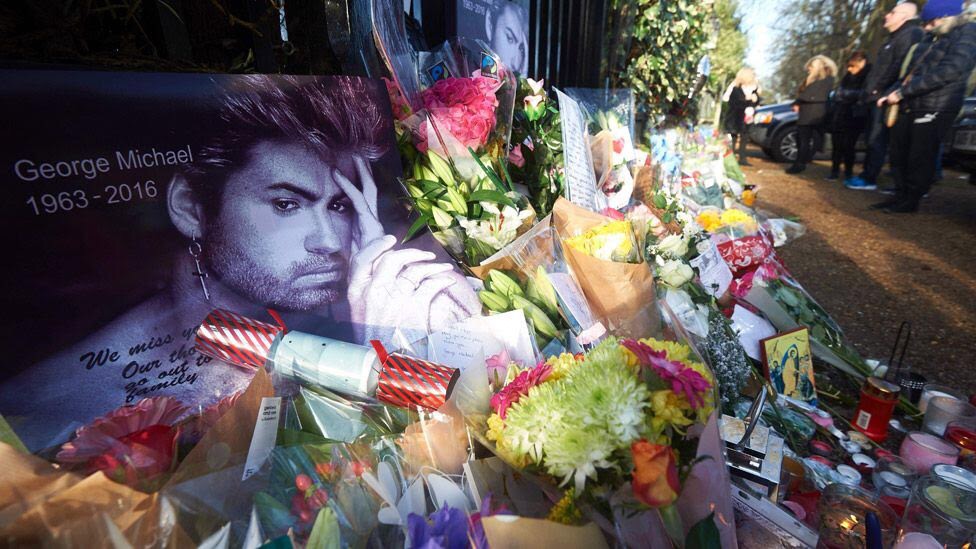
George Michael’s death came as a shock to his millions of fans

On Tuesday, the coroner said in a statement: “Inquiries into the death of George Michael have been concluded and the final post-mortem report received.

“As there is a confirmed natural cause of death, being dilated cardiomyopathy with myocarditis and fatty liver, the investigation is being discontinued and there is no need for an inquest or any further enquiries.

“No further updates will be provided and the family requests the media and public respect their privacy.”

The medical terms used on death certificates outline the cause of death, but not all the risk factors that have led up to it.

George Michael’s lists three conditions: dilated cardiomyopathy, myocarditis and fatty liver.

This means his heart was enlarged, weakened and inflamed. The muscle wasn’t doing the job of pumping blood as well as it should have.

His liver was also abnormal, containing unhealthy collections of fat. There are many possible causes for this – heavy alcohol use is one.

At the weekend, the singer’s former partner Kenny Goss was quoted as saying: “I think his body just gave up. All these years, it was just weak.”

He told The Sunday Mirror: “We just want closure, we want the funeral to happen, it’s been a long time now.”


George Michael was at home in Goring-on-Thames when he died on Boxing Day

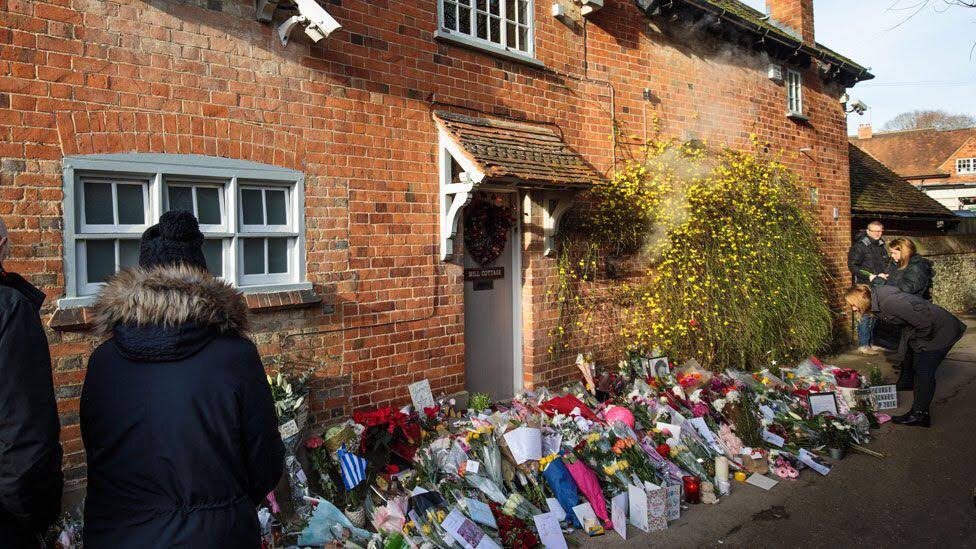
Fans also left tributes outside Michael’s London home after his death

Fadi Fawaz, the singer’s partner at the time of his death, told the Telegraph in late December he had found the star “lying peacefully in bed”.

After the cause of death was revealed on Tuesday, Fawaz responded to weeks of speculation by posting a photo of himself with Michael on Twitter along with the words: “The Truth is out…”

Following the coroner’s statement, Thames Valley Police said it had closed its investigation into Michael’s death.

“As the cause of death was natural, no further action is proposed or required,” it said.

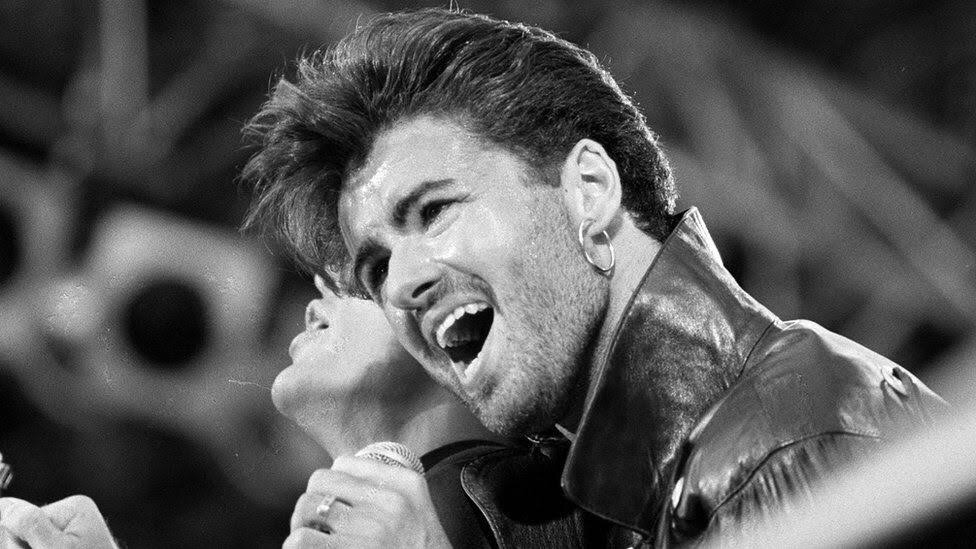
Michael made his name with pop group Wham! in the 1980s and went on to enjoy huge success as a solo performer.

Ζώα στους Δρόμους – Greek Drivers videos

Η τροχαία άφαντη ως συνήθως, κάτω από καμιά σκιά να γράφει μηχανάκια, ή σε καμιά μεγάλη διασταύρωση να ψάχνει απλά για χαρτιά όποιον τύχει και περνάει… Επειδή υπάρχουν πολλά ζώα εκεί έξω χωρίς να υπάρχει αστυνόμευση, με συνέπεια να έχουν αποθρασυνθεί, θα ακολουθήσουν και άλλα πολλά βίντεο.

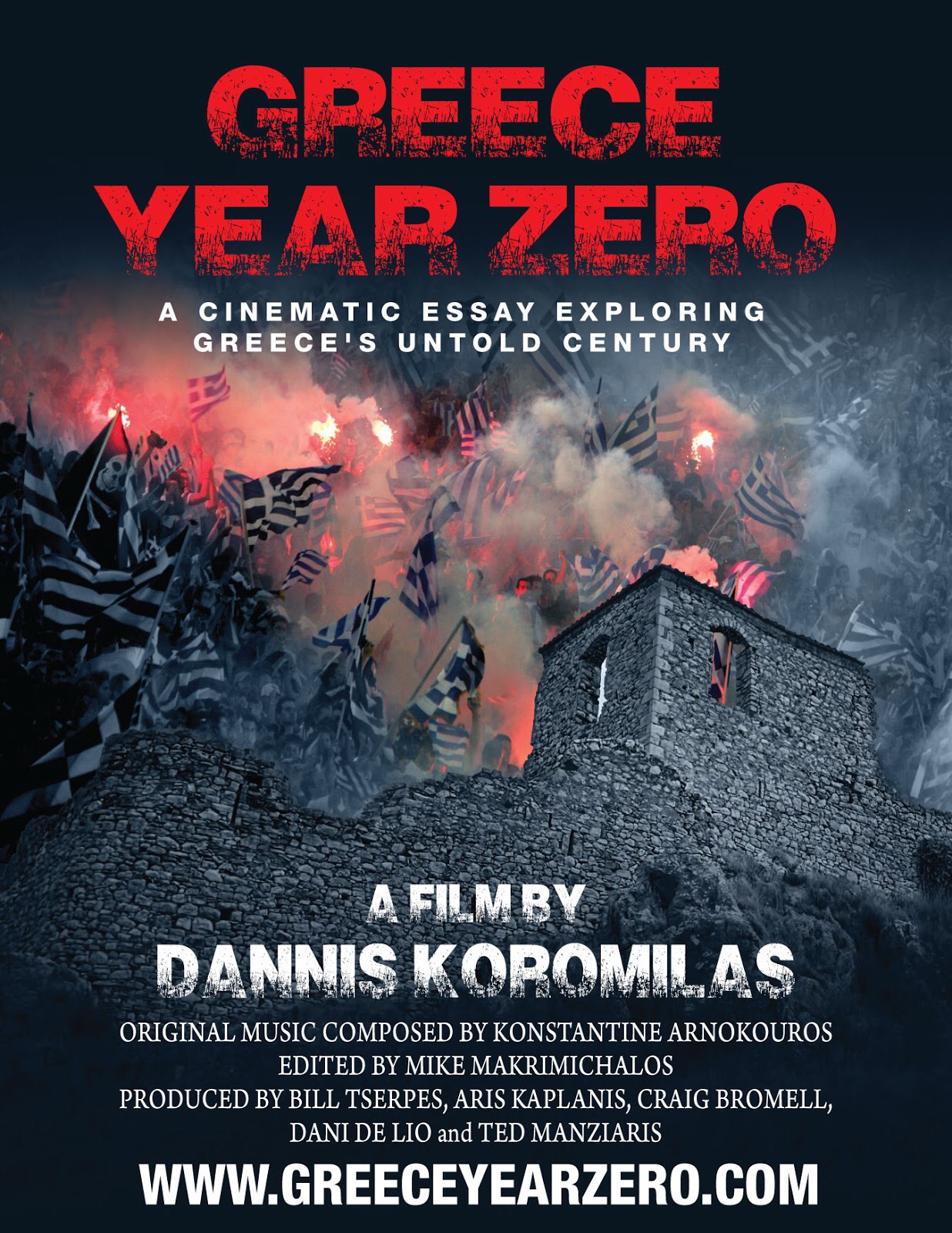
GREECE YEAR ZERO is a cinematic essay with the theme of Greece

GREECE YEAR ZERO is a cinematic essay with the theme of Greece in turmoil in the last century. Created with a startling wealth of previously unseen archival footage, GREECE YEAR ZERO is a haunting essay film with a searching tonality throughout. It is a film loaded with astonishing historical revelations.. Never seen before material and images about the largely unknown Greek Famine of 1941-43 have been boldly unearthed from London and Athens. My mission through this film is to cover the darkest hours of Greece in the last 100 years.This is my first film and magic trick of my career; to collapse a century into under 77 minutes and prove how vital Greece was to the sanctity of Europe and the world 70 years ago.

It’s a project years in the making that has been very hard to keep secret given my passion for this story. We have all become like brothers through the process. I have seen the film and I became quite emotional about it. When I think back, what inspires me the most in my photography is cinema. The film is scheduled for a Fall 2016 release and I can’t wait to attend one of the openings. I hope all of you have a chance to see it as it provides a different lens on the history of Greece.

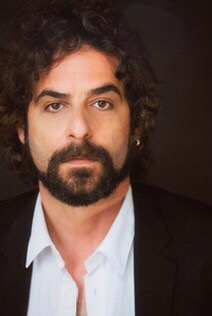
Director: Dannis Koromilas

Writer: Dannis Koromilas

Stars: Alex Karzis, Vasilis Vasilikos


Alex Karzis

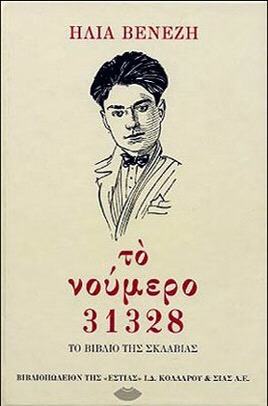
TO NOUMERO 31328: The book of slavery by Elias Venezis and film


To Noumero 31328: The book of Slavery, is an autobiographical testimony written by Elias Venezis detailing the author’s experience as a prisoner enslaved in a work battalion during the Greek Genocide. 

In 1978, the story line of the book was adapted into a film titled ‘1922’ directed by Nikos Koundouros. The film was controversially banned in Greece until 1982 by the Greek Government due to pressure from the Turkish Foreign Ministry who complained that the film would ruin Greek-Turkish relations.

Elias Venezis (born Elias Mellos) was born in 1904 in Ayvalık (Κυδωνίες) in Asia Minor and died in Athens in 1973. 

In September 1922 at the age of 18, Venezis was arrested, taken prisoner and enslaved in a labor battalion. The prisoners were marched into the interior, but few arrived at the destination since most of them were either killed on the way or died of the hardships. 

Of the 3,000 conscripted into his labor brigade only 23 survived. Each prisoner was assigned an identifying number and 31328 was the number assigned to Venezis.

In chapter 18, Venezis recounts when a group of prisoners were taken to a ravine just out of Magnesia (today Manisa) where they were ordered to hide the remains of tens of thousands of Christians who had been slaughtered during the final phase of the genocide. Having endured the depths of human suffering themselves, the prisoners made light of the situation. Venezis wrote:

One morning they took about 60 prisoners out to do a job at a place just outside of Magnesia (today Manisa). Opposite the railroad tracks near Sipilos is the end point of a large ravine. They call it Kirtik-Dere.

Inside this ravine it was estimated that they’d killed about forty thousand Christians from Smyrna (Izmir) and Magnesia during the early days of the Smyrna Holocaust; males and females. The bodies had melted over winter and the water of the gorge which descended from above pushed the corpses further down. Our job all day was to push the corpses back in so that they couldn’t be seen. 

-What are you holding? a prisoner asked.

The other prisoner looked at what was in his fellow prisoner’s arms, and as he walked began counting:

-Two heads, five tibias, six jawbones.

-Male or female?

-They look male.

-Comrade, you haven’t caught much today!

-Why?

The other man boastfully showed him what was in his own arms.

-Look here! One, two, three pelvic bones! And they all appear to be female…


Nikos Koundouros

Greek film and television director Nikos Koundouros passed away on Wednesday, at the age of 90. Koundouros had been admitted to hospital with respiratory complaints in recent weeks.

Born in Athens in December 1926, to a family originally hailing from Crete, Koundouros was counted among the most notable modern Greek directors, while his 1956 film “The Ogre of Athens” is considered by many to be the best Greek film of that decade.

He represented Greek cinema at a number of foreign film festivals in the 50s and 60s, winning the the Silver Bear for his film “Young Aprodites” in the 13th Berlin film festival, as well as top prize in the Thessaloniki Film Festival, in 1963. His work has been repeatedly broadcast on British and French television and there are copies of his films in many important film museums around the world.

Filmography

Enchanted City (1954)

Dracon (1956)

The outlaws (1958)

The river (1960)

Young Aphrodites (1963)

Vortex (1967)

The song of fire (1975)

1922 (1978)

Brothel (1984)

Byron, Ballad for a possessed (1992)

The photographers (1998)

The Ship (2011)/IBNA

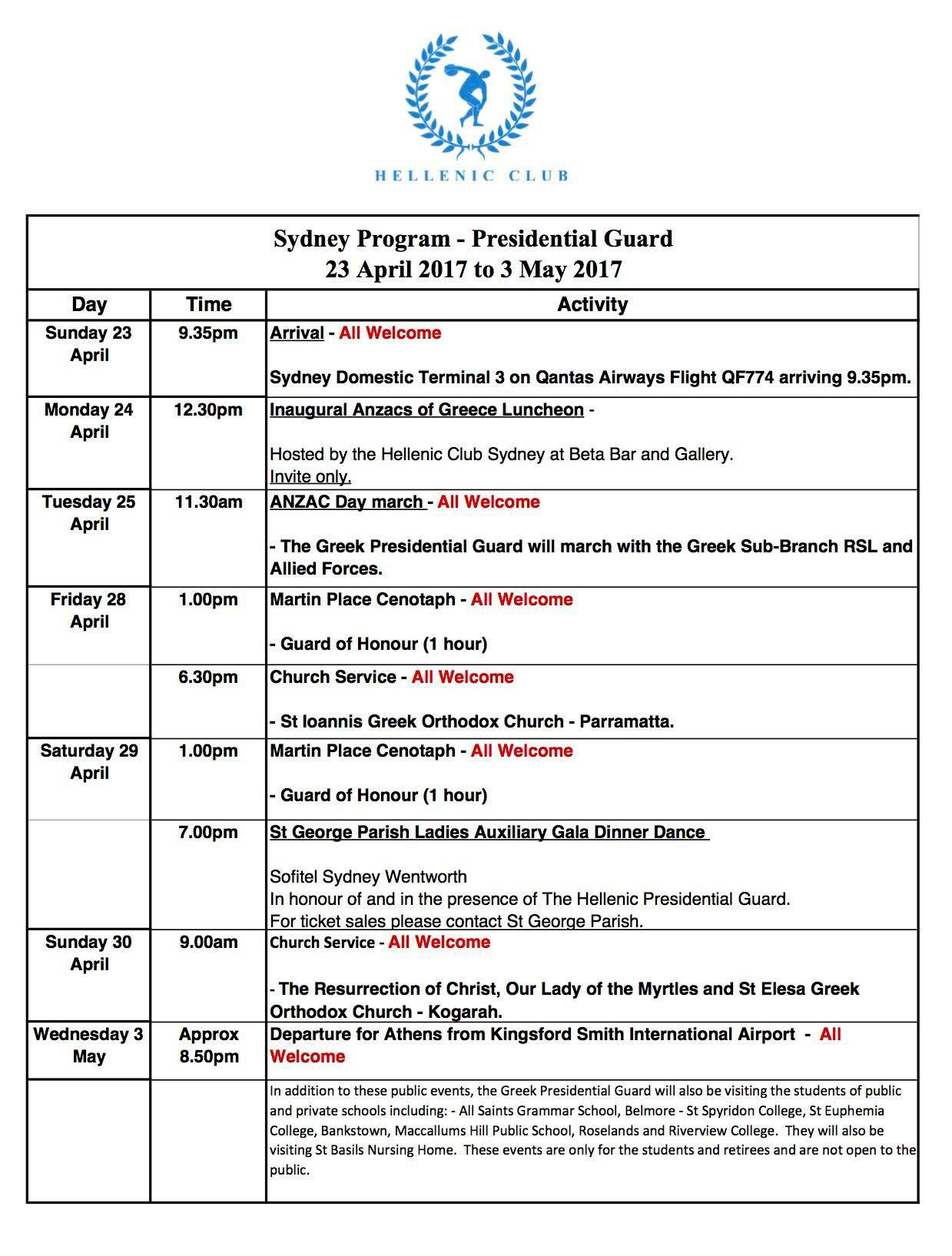
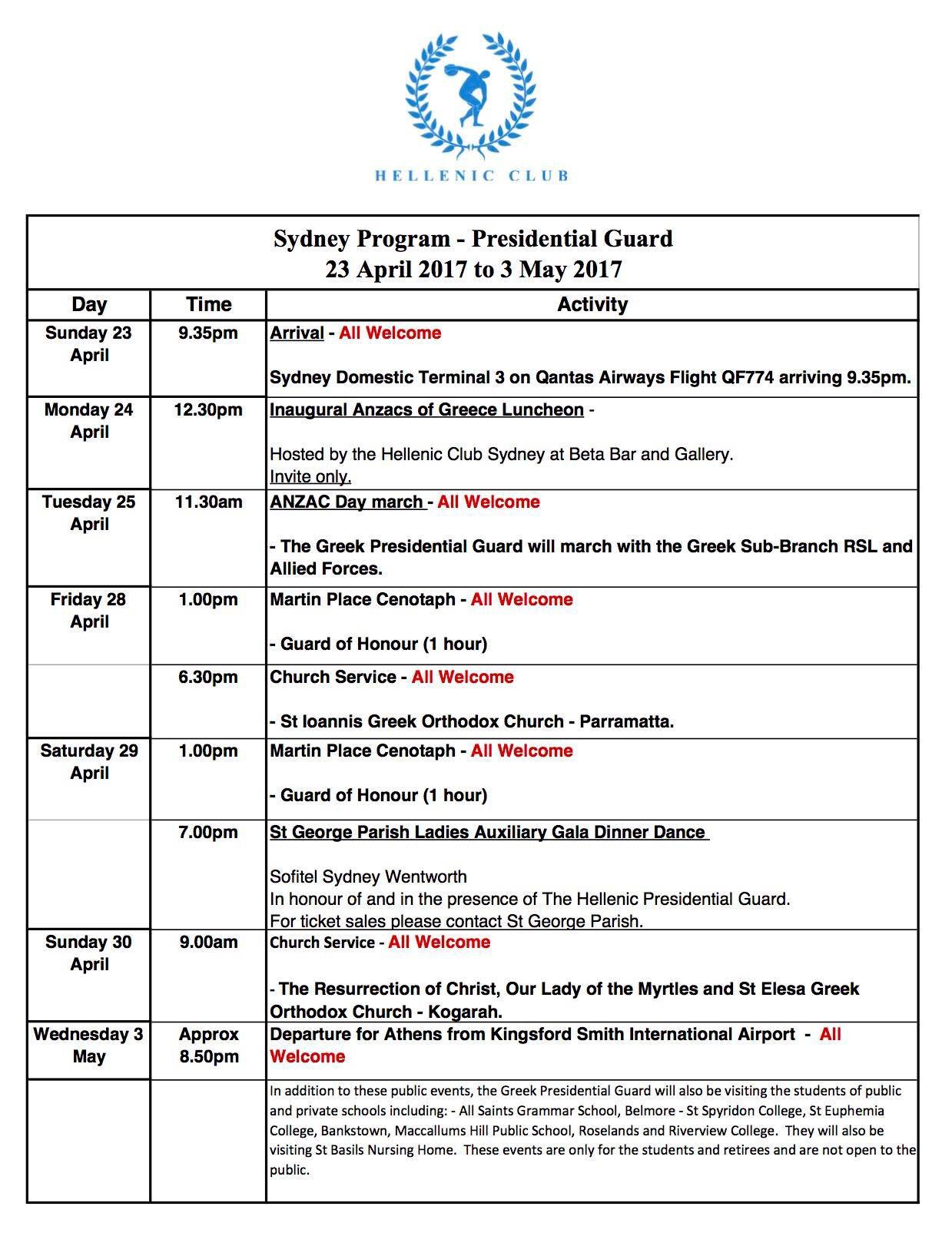
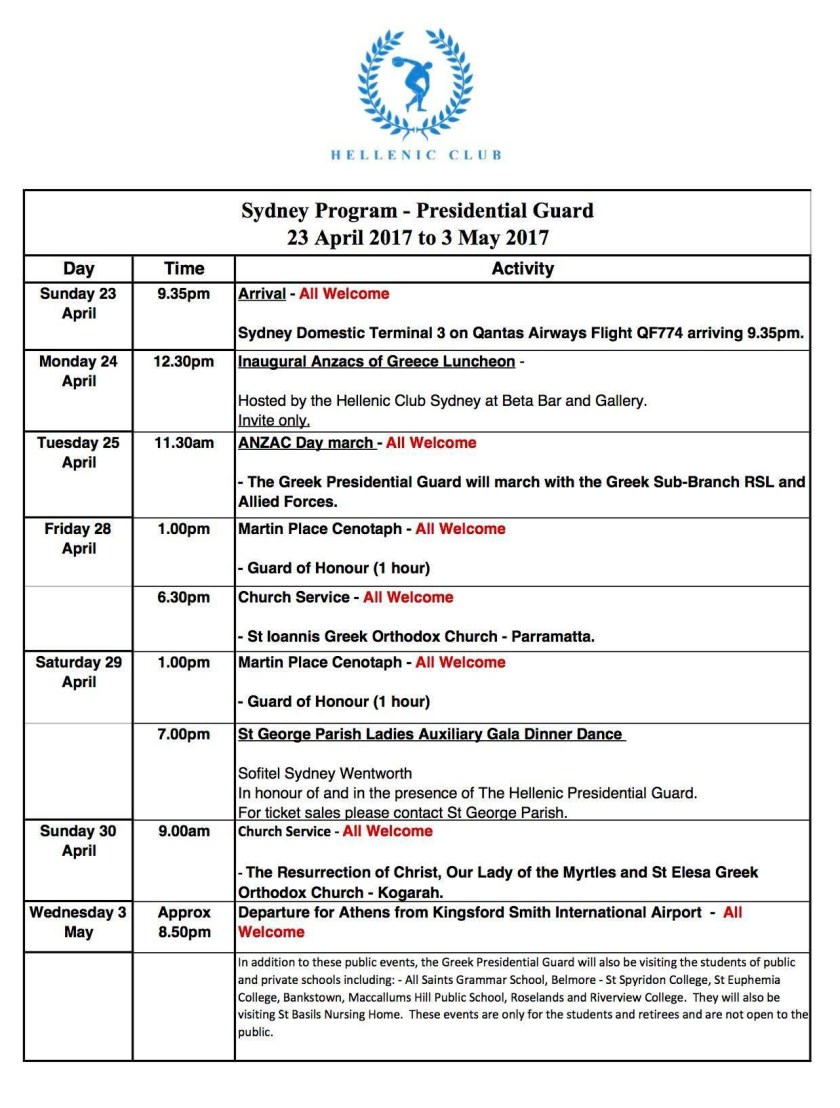
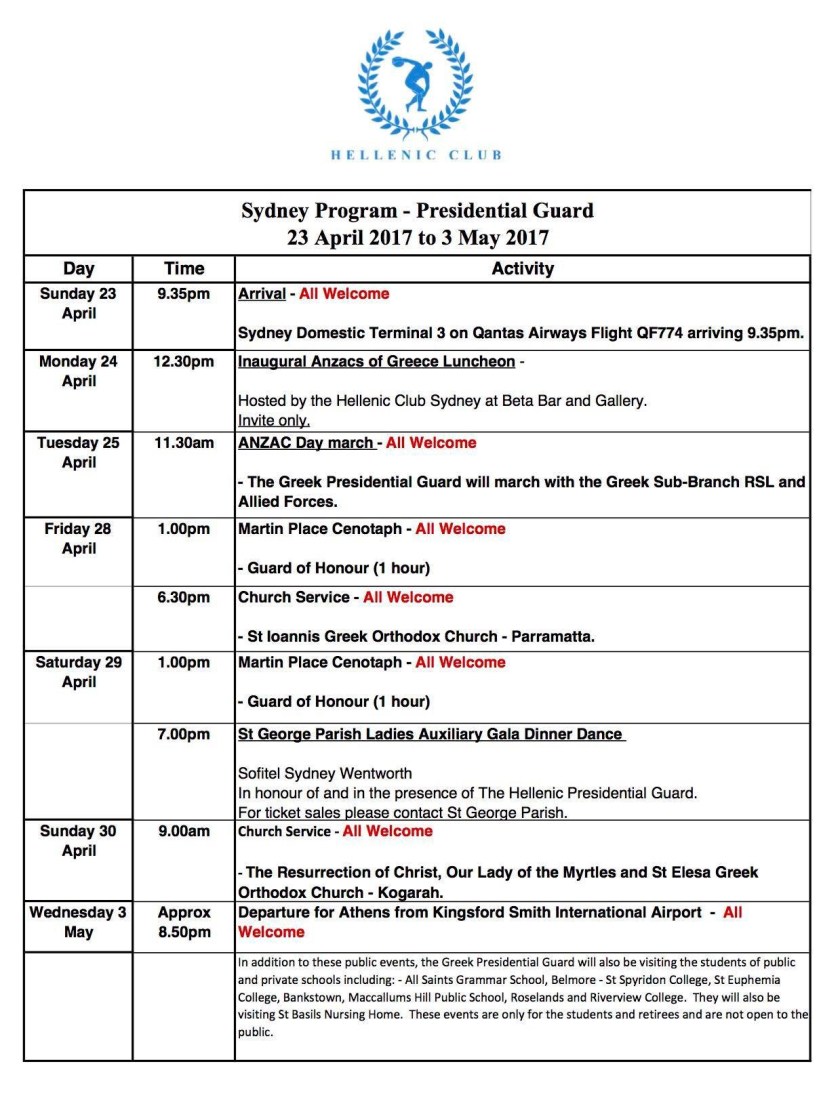
Nine Evzones are coming to Australia scheduled from 12 to 23 April in Adelaide and from 23 April to 2 May 2017 in Sydney

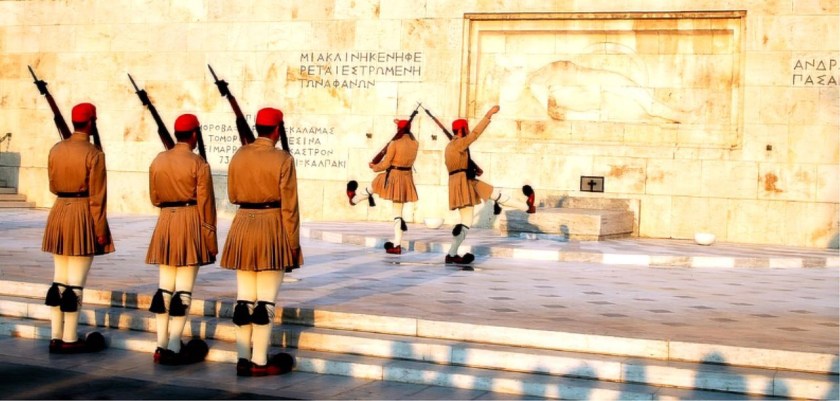
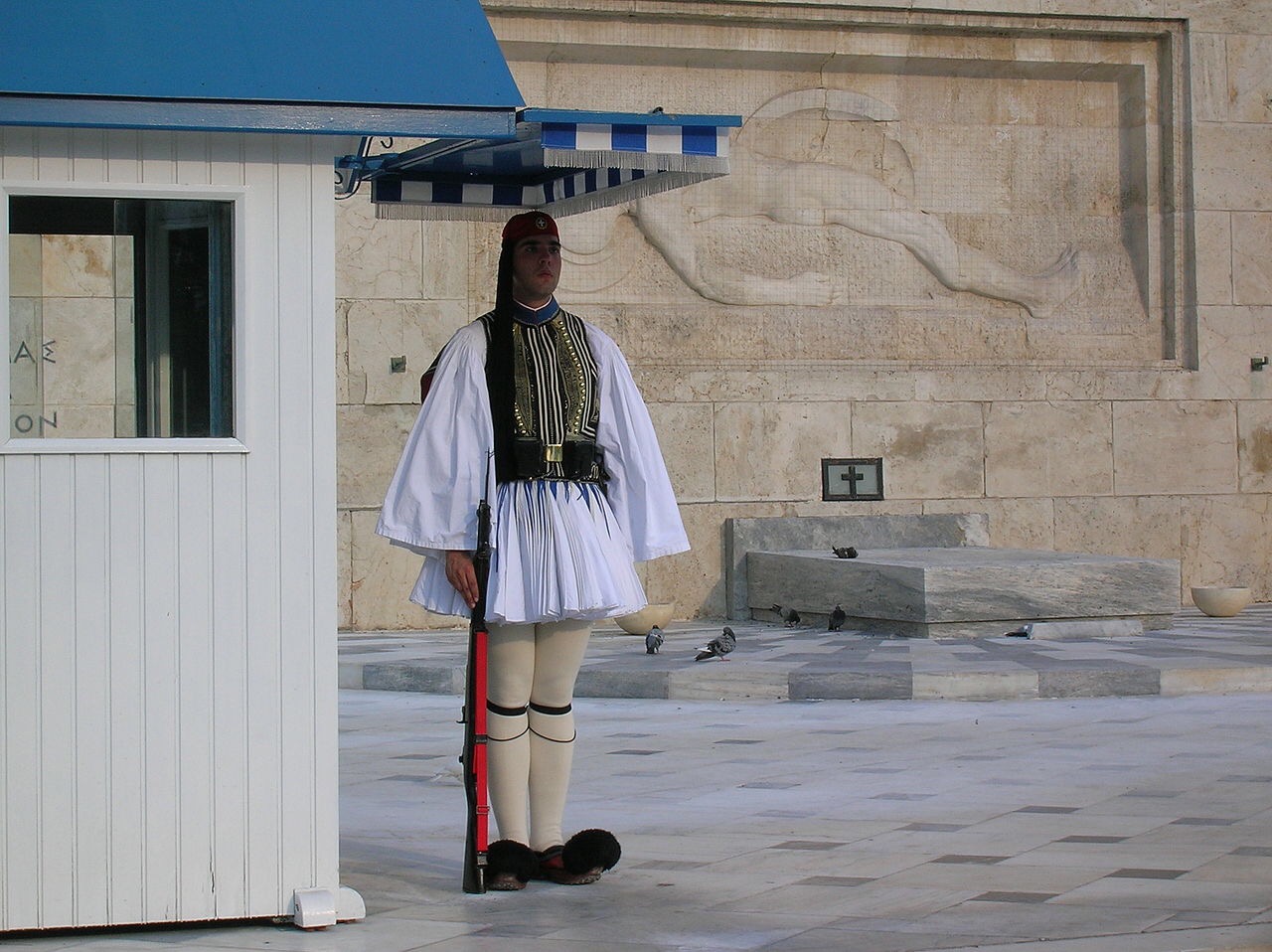
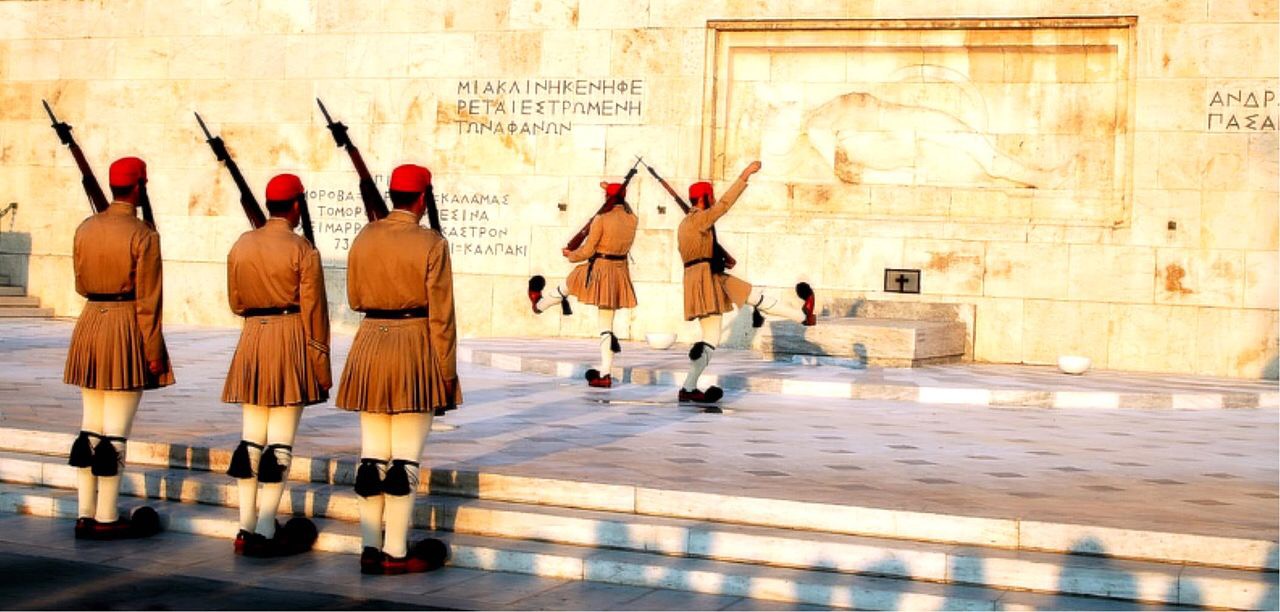
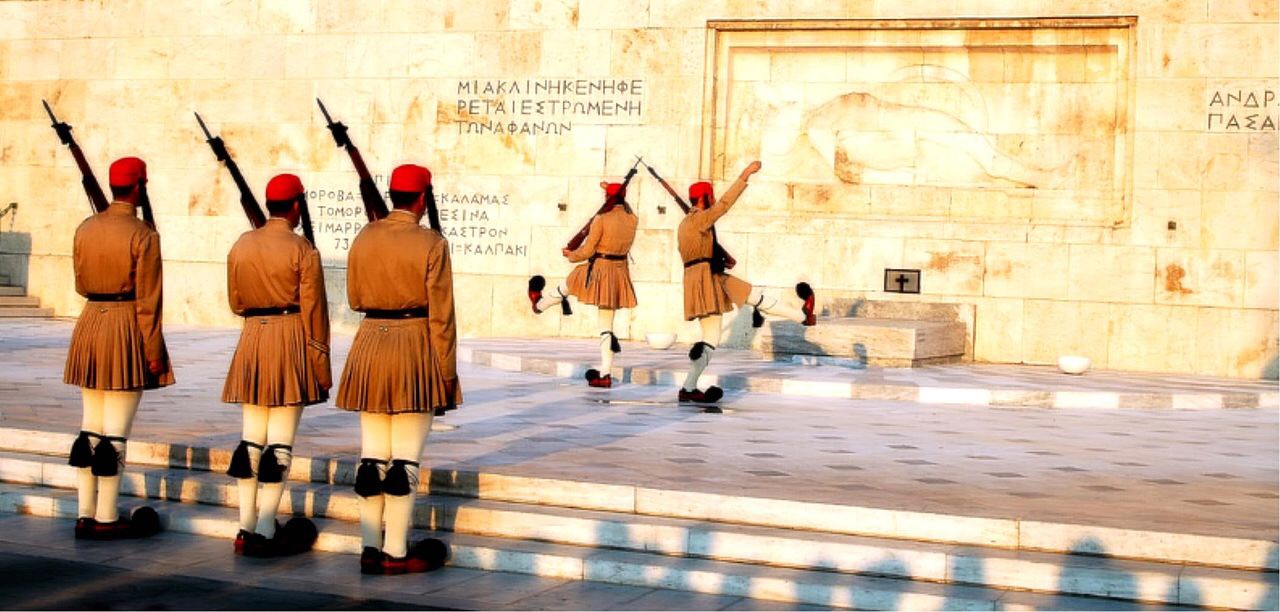
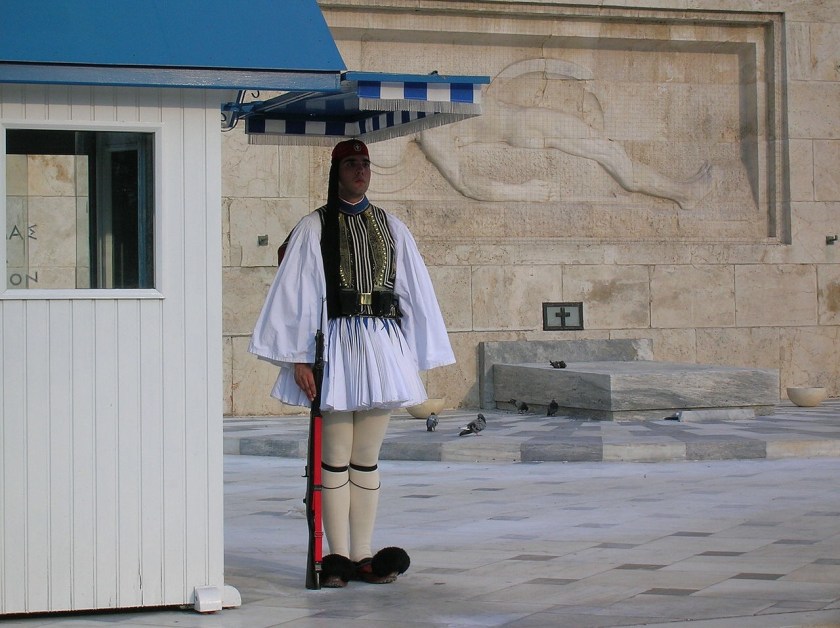
 Evzone guarding the Tomb of the Unknown Soldier in Athens wearing the full dress uniform.


9 Evzones, soldiers of the Greek Presidential Guard, arrive in Adelaide and Sydney to participate in ceremonies marking Anzac Day and the 76th anniversary of the Battle of Crete.


Evzones

The Evzones, or Evzoni (Greek: Εύζωνες, Εύζωνοι, pronounced [evˈzones, evˈzoni]), is the name of several historical elite light infantry and mountain units of the Greek Army. 

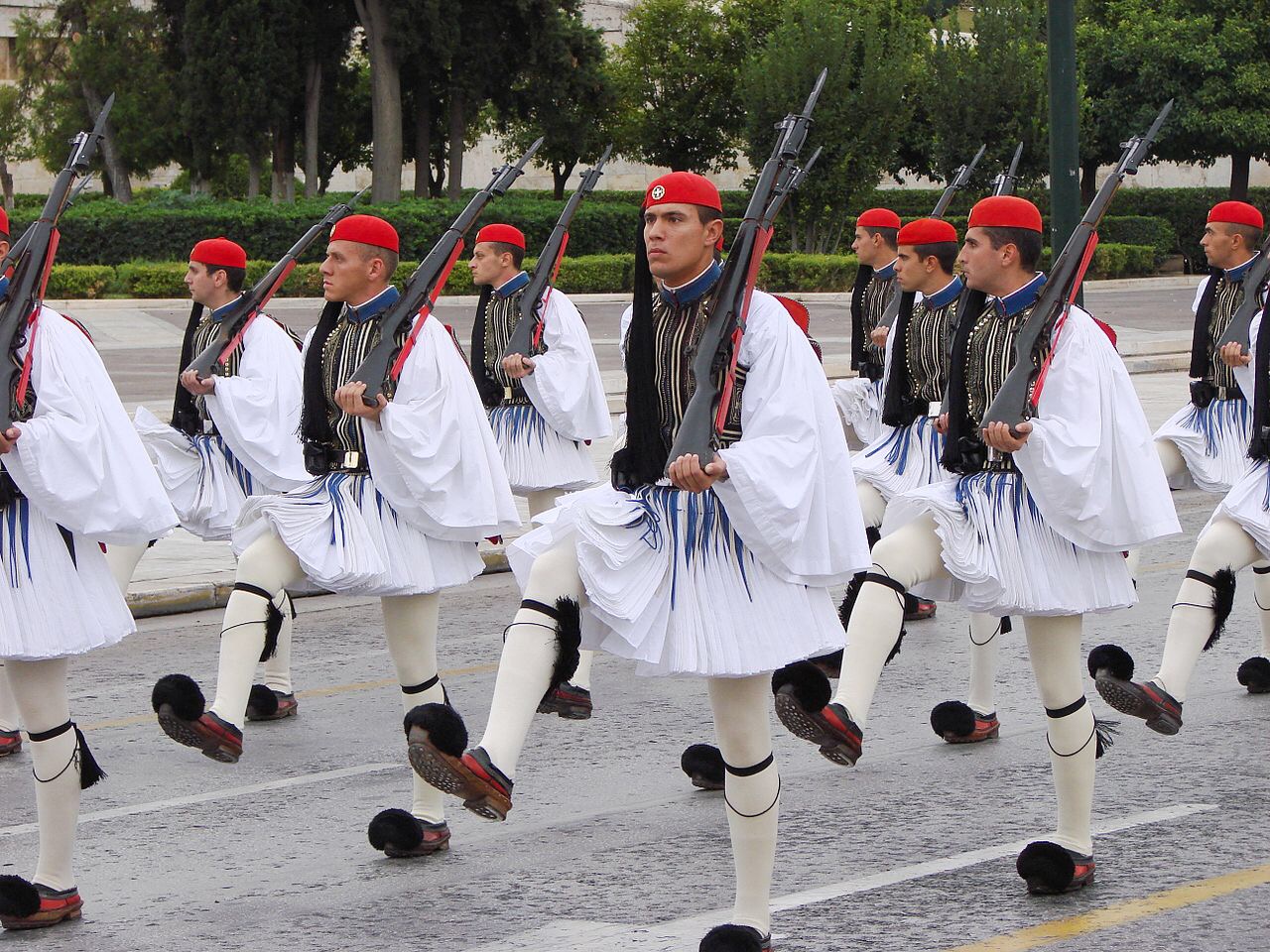
Today, it refers to the members of the Presidential Guard (Greek: Προεδρική Φρουρά; Proedrikí Frourá), an elite ceremonial unit that guards the Greek Tomb of the Unknown Soldier (Greek: Μνημείο του Άγνωστου Στρατιώτη; Mnimeío tou Άgnostou Stratiόti), the Presidential Mansion and the gate of Evzones camp in Athens. An Evzone (Greek: Εύζωνας) is also known, colloquially, as a Tsoliás (Greek: Τσολιάς, Τσολιάδες; pl. Tsoliádes).

Though the Presidential Guard is a primarily ceremonial unit, all Evzones are volunteers drawn from the Hellenic Army’s Infantry Corps. Prospective Evzones are initially identified at the Infantry Recruit Training Centres during Basic Training; there is a minimum height requirement of 1.87 m (6′ 1.3″) to join.

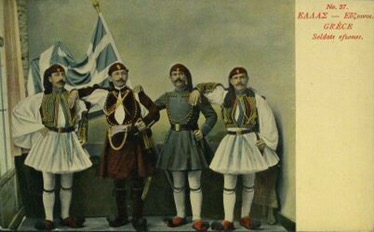
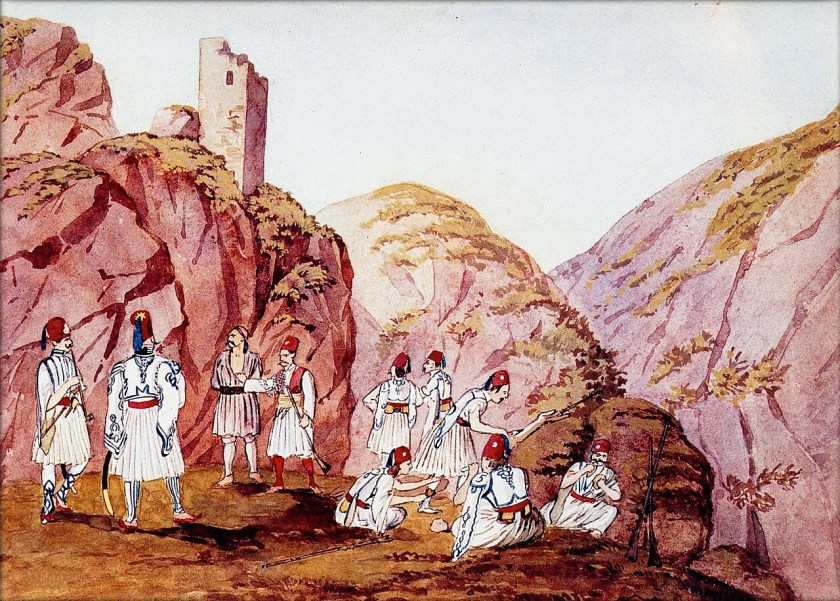
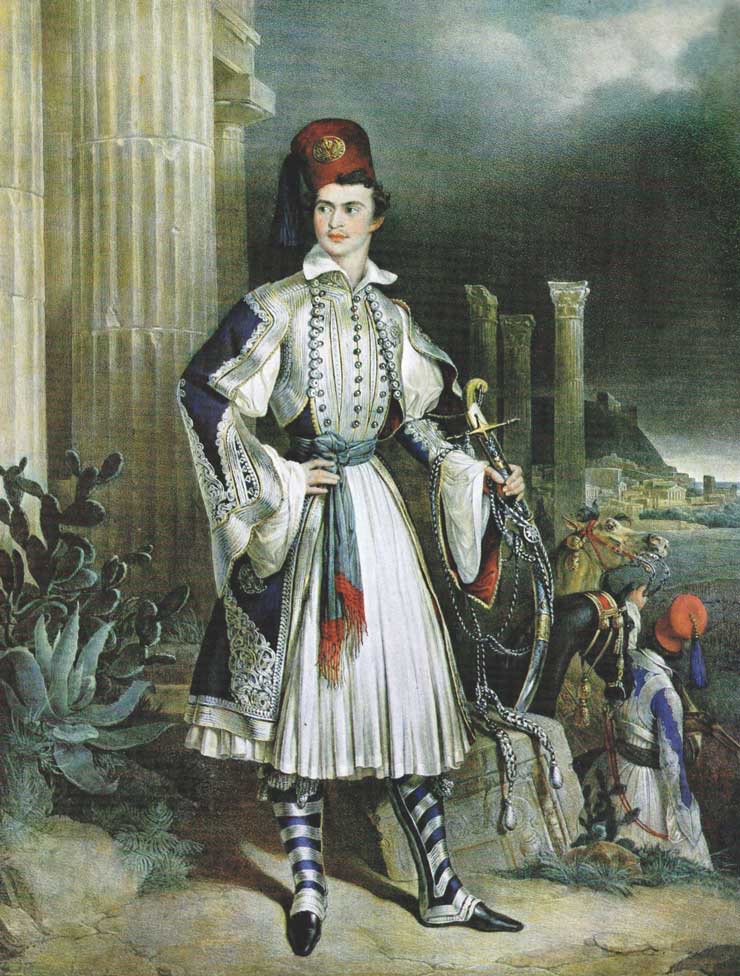
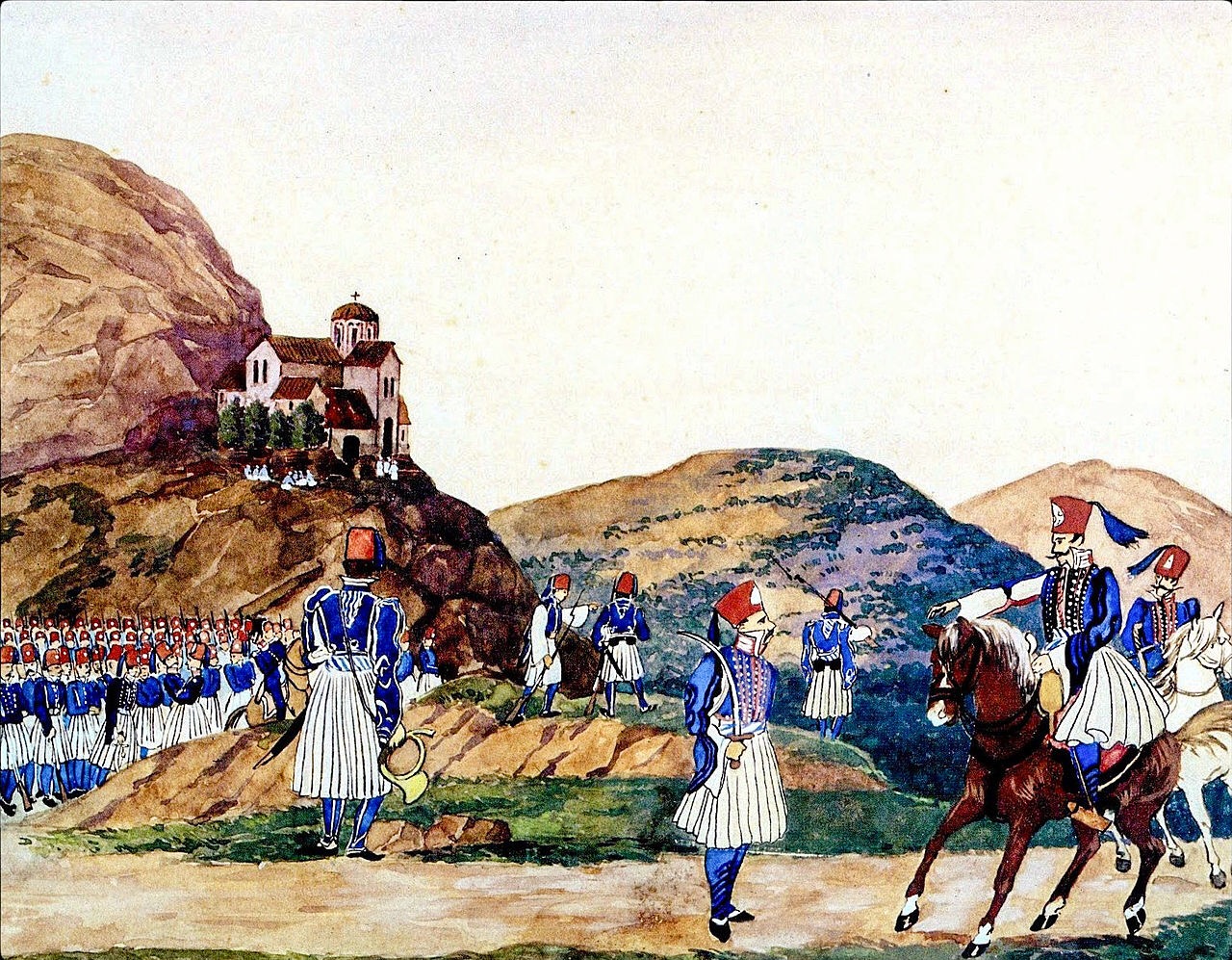
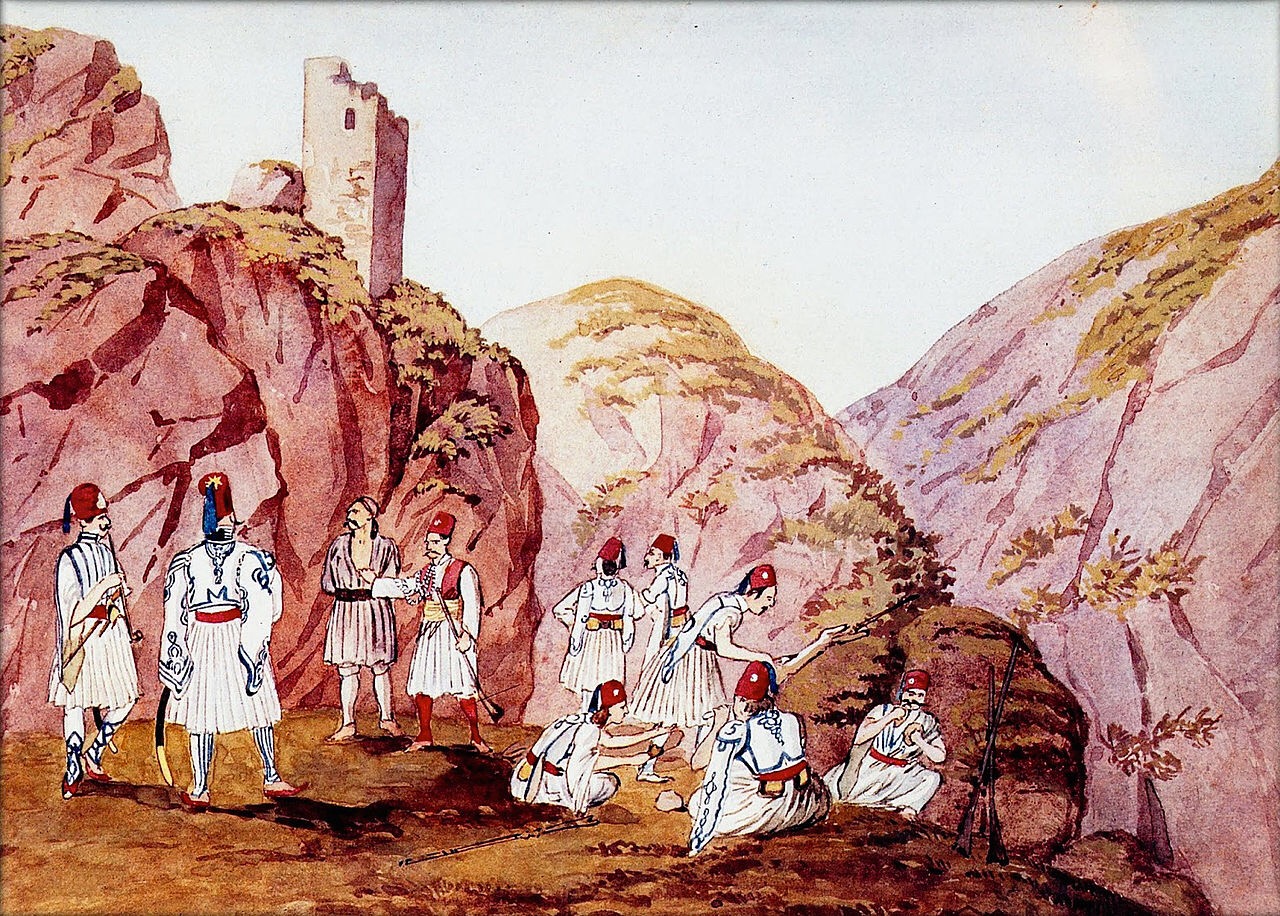
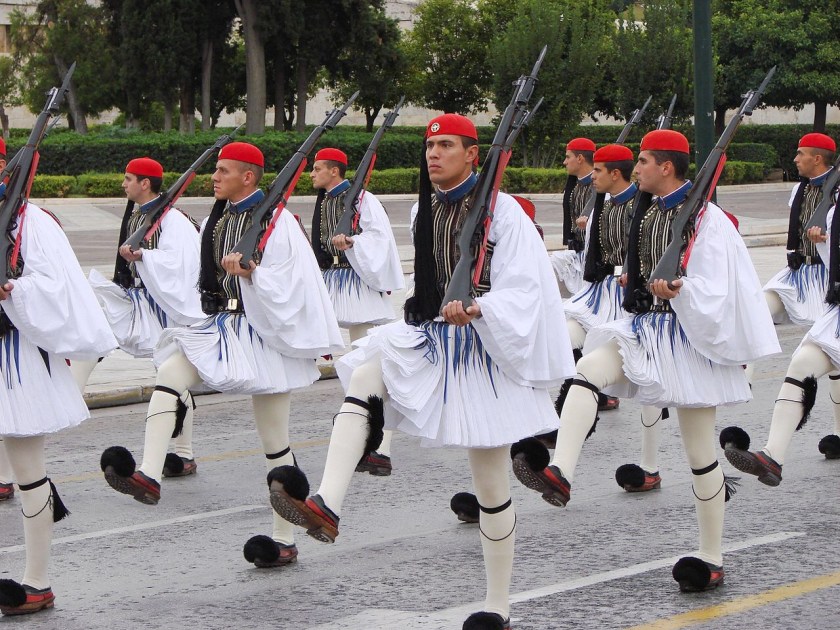
The unit is known for its uniform, which has evolved from the clothes worn by the klephts who fought the Ottoman occupation of Greece. The most visible item of this uniform is the fustanella, a kilt-like garment. Their distinctive dress turned them into a popular image for the Greek soldier, especially among foreigners.


History

In 1833, after the arrival of King Otto, the Greek Army was organized along new lines. The Bavarian soldiers that had come with Otto formed the majority of the “European” Line Infantry battalions (Greek: Τάγματα Γραμμής; Tágmata Grammís). 

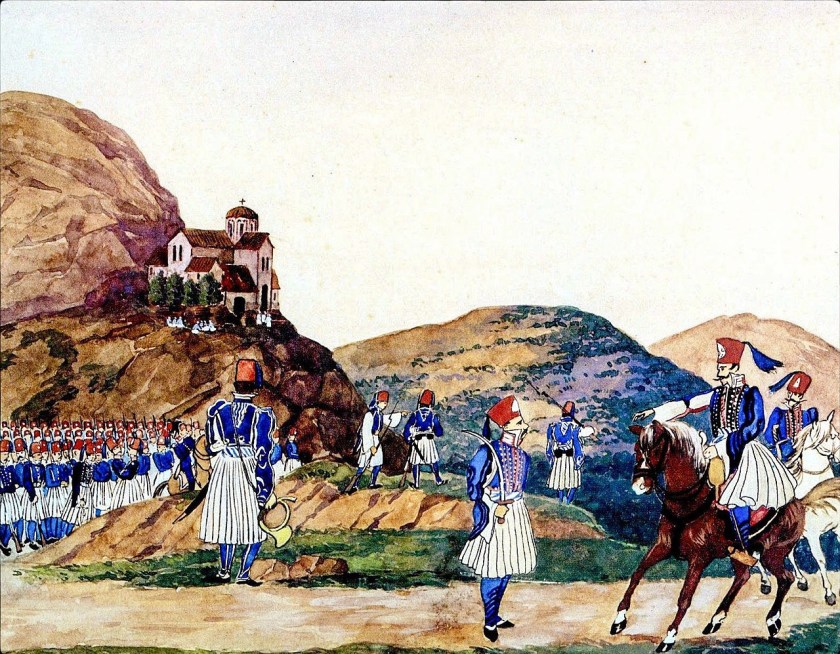
Each of these units included one rifle company, designated as “Skirmishers” (Greek: Λόχος Ακροβολιστών; Lókhos Akrovolistón) or “Evzone” (Greek: Λόχος Ευζώνων; Lókhos Evzónon). In addition, ten light “Skirmisher” battalions (Greek: Τάγματα Ακροβολιστών; Tágmata Akrovolistón) were formed from Greeks, dressed in a uniform based on the garb of the klephts of the War of Independence (1821–1829). 

In 1836 these battalions were reduced to four, and eight “Mountain Guard” battalions (Greek: Τάγματα Οροφυλακής; Tágmata Orofylakís) were formed in their stead; they were grouped into four regiments in 1843. These units were primarily engaged in patrolling the frontier, combating insurgents and hunting down the many brigands that infested the countryside. 

The Mountain Guard was incorporated in the strengthened “Skirmisher” battalions in 1854.
In December 1867, the first four elite “Evzone” light battalions were formed, of four companies each (soon expanded to five), with the task of guarding the frontier. 

On 12 December 1868, the Royal Guard detachment, initially named Agema (Άγημα), later the Palace Guard (Ανακτορική Φρουρά; Anaktorikí Frourá), composed of two Evzone infantry companies and a cavalry troop, was formed. 

In 1880-1881, the Evzone units were expanded to nine battalions. They participated in the disastrous 1897 war with Turkey as elements of the regular infantry divisions. In the aftermath of the war, through various reorganizations, the number of Evzone battalions varied from eight to six, operating either independently or divided between the infantry divisions, and were among the first units to be equipped with machine guns. 

At the time of the Balkan Wars, eight Evzone battalions were in existence. They operated independently on the vanguard or the flanks of the army. They distinguished themselves for their fighting spirit suffering high casualties, especially among officers. 

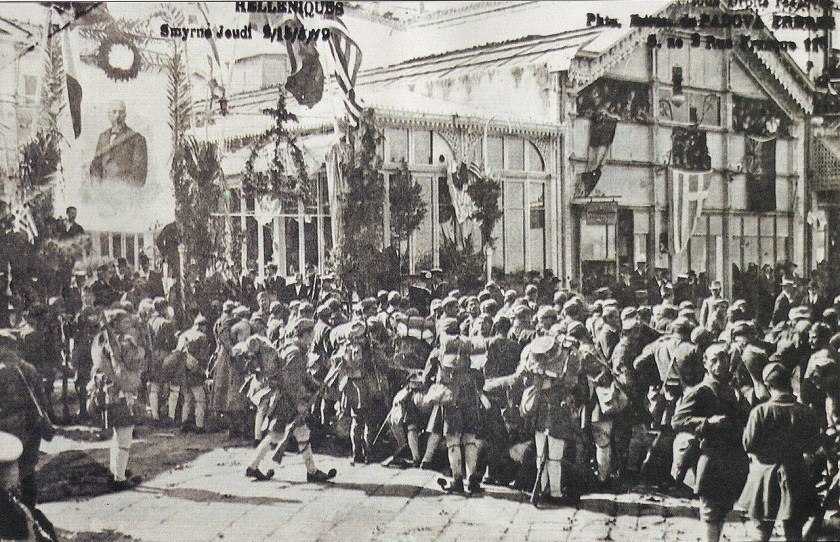
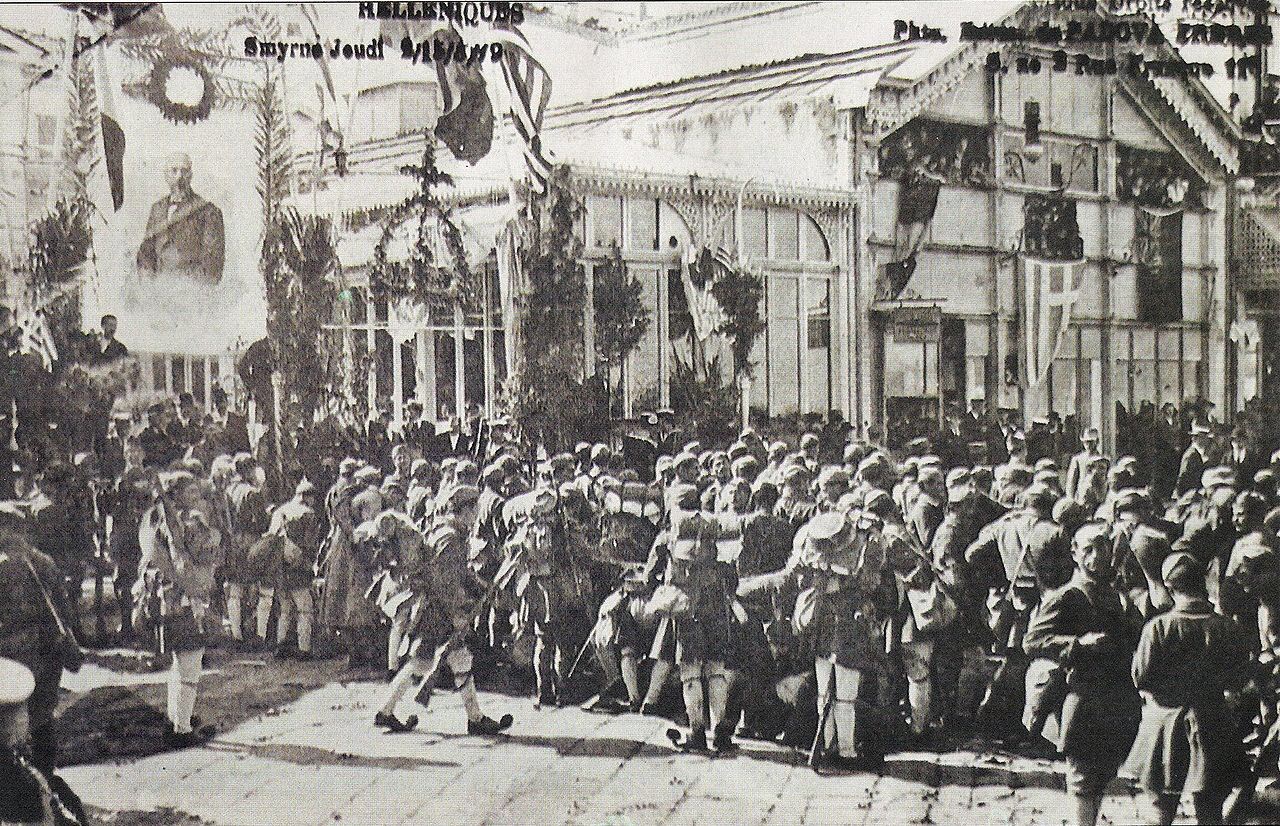
Subsequently the Evzone units were increased to five regiments, which fought with distinction as elite shock troops in the First World War, the Asia Minor Campaign and the Greco-Italian War.

During the German invasion in 1941, a memorable event is said to have occurred: on April 27, as the German Army was entering Athens, the Germans ascended to the Acropolis of Athens and ordered the young Evzone who was guarding the flag post, Konstantinos Koukidis (q.v.), to haul the Greek flag down and replace it with the swastika flag. The young soldier did so, but refused to hand over the Greek flag to the Germans, and instead wrapped himself in it and fell off the Acropolis to his death.

After the occupation of the country, in 1943, the collaborationist government raised a number of “Security Battalions” (Τάγματα Ασφαλείας), which were dressed in the Evzone uniform and participated in operations against the EAM-ELAS partisans.

They were derisively known as Germanotsoliades (“German Evzones”) or Tagmatasfalites (“Security Battalionists”), and were disbanded after liberation in 1944.

After the war, the reconstituted Hellenic Army did not re-establish the Evzone regiments, their elite status and role being assumed by the newly established Mountain Raiding Companies. The traditions and distinctions of the Evzones are, however, maintained by a special ceremonial unit, which has served under several names: Palace Guard (Greek: Ανακτορική Φρουρά), Flag Guard (Greek: Φρουρά Σημαίας), Tomb of the Unknown Soldier Guard (Greek: Φρουρά Μνημείου Αγνώστου Στρατιώτη), Royal Guard (Greek: Βασιλική Φρουρά) and after 1974, with the abolition of the monarchy, the Presidential Guard (Greek: Προεδρική Φρουρά). Several regular Army Infantry units have been given the numbers and names of the post-1913 Evzone Regiments, however, these names are only honorific.


Present

Today the Evzones form the Presidential Guard, a battalion composed of 2 Evzone companies and 1 command company. They operate out of the Georgios Tzavelas barracks (named to honor Georgios Tzavelas, a chieftain and hero of the Greek Revolution of 1821) on Herodou Attikou Street, just behind the Parliament building.

The Guard takes precedence in all military parades. Their march style consists of normal march time, and at intervals, for several paces, striking the ground forcefully with the right foot.

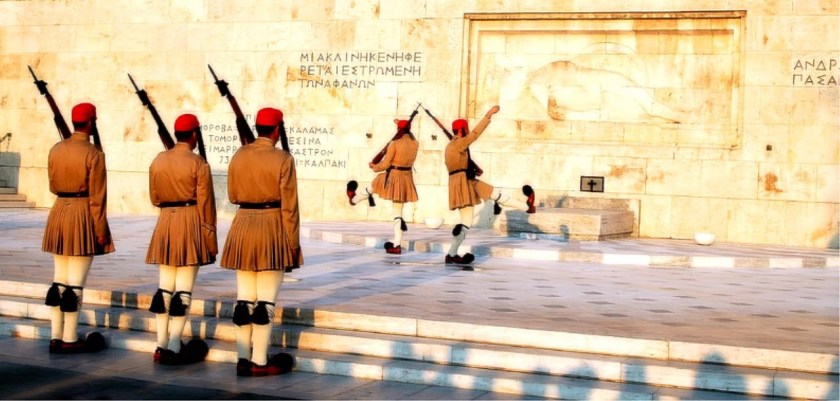
Their standard marching music is the “Evzonaki” (“little Evzone”) (Greek: Ευζωνάκι) march, played at 48 beats/min. They guard the Tomb of the Unknown Soldier round the clock. Guards on duty perform their movements in a very slow and highly stylized manner. 

They switch positions with each other every fifteen minutes and remain completely motionless and at attention in the meantime. Since the Guards are required to be totally still at all times, there is one Evzone in normal fatigues uniform and police surveillance to ensure that no one approaches or harasses the Guards while on duty. 

The “little changes” take place every hour on the hour, and involve the two incoming and two outgoing sentries, and a supervising “Corporal of the Change”.

The Grand Change takes place at 11 am on Sunday mornings, and involves the whole Guard with its officers and a military band, all marching from the Guard Barracks to the Tomb for the Change, and back. 

The Grand Change is a popular Sunday morning spectacle for Athenians and tourists alike.

During a demonstration in front of the Parliament in 2001, a Molotov cocktail was thrown at one of the guardhouses. The wooden construction was engulfed in flames. 

The Evzone on guard next to it remained in place until an officer gave him the order to move. With a scorched and partly smoking uniform on one side, the Evzone did so.

In January 2010, a makeshift bomb was placed 20 meters from where the Evzones guard the Tomb of the Unknown Soldier, at Syntagma Square. Although the police informed the Evzones of the imminent threat, the Guards refused to leave their posts and remained on guard while the bomb exploded.


Former units

The historical units were numbered and known as Τάγμα Ευζώνων (“Evzone Battalion”) or Σύνταγμα Ευζώνων (“Evzone Regiment”). The first Evzone Regiment was formed in 1912, shortly before the outbreak of the Balkan Wars. The “traditional” and well-known Evzone regiments, which fought in World War I, the Asia Minor Campaign, and World War II, were formed after the Balkan Wars by the Royal Decree of 23 December 1913. Since the regiments were distinctive, elite units, they had dual numbers—the first, numbering them in the Evzones order of seniority, the second, in the overall infantry hierarchy. Thus the 5/42 Evzone Regiment was the 5th Evzone regiment, but also the 42nd infantry regiment.

1/38 Evzone Regiment, the former 1st Evzone Regiment, based in Karditsa and recruited in Thessaly

2/39 Evzone Regiment, based in Missolonghi and recruited in Aetolia-Acarnania

3/40 Evzone Regiment, based in Arta and recruited in Epirus

4/41 Evzone Regiment, based in Veroia and recruited in western Macedonia

5/42 Evzone Regiment, based in Lamia and recruited in Central Greece


Uniform Edit

In 1833, the uniform of the Evzones (as in all infantry companies of the line battalions) was in the unpopular Bavarian style of blue trousers, tailcoats and shako. As light infantry the Evzones were distinguished only by green braid and plumes. 

In 1837, a new uniform was created based on the traditional fustanella style worn by the klephts, armatoli, and many of the famous fighters of the Greek War of Independence. At first, it was only issued to the native light infantry battalions, but its popularity led to its adoption as the official uniform of the Evzones in 1867. After a few minor changes over the years, it became the familiar uniform seen today.


89th Academy Award Oscars 2017: See The Full Winners List


Here is a complete list of nominees.


BEST PICTURE

“Arrival”

“Fences”

“Hacksaw Ridge”

“Hell or High Water”

“Hidden Figures”

“La La Land”

“Lion”

“Manchester by the Sea”

“Moonlight” WINNER


ACTOR IN A LEADING ROLE

Casey Affleck in “Manchester by the Sea” (WINNER)

Andrew Garfield in “Hacksaw Ridge”

Ryan Gosling in “La La Land”

Viggo Mortensen in “Captain Fantastic”

Denzel Washington in “Fences”


ACTOR IN A SUPPORTING ROLE

Jeff Bridges in “Hell or High Water”

Mahershala Ali in “Moonlight” (WINNER)

Lucas Hedges in “Manchester by the Sea”

Dev Patel in “Lion”

Michael Shannon in “Nocturnal Animals”


ACTRESS IN A LEADING ROLE

Isabelle Huppert in “Elle”

Ruth Negga in “Loving”

Natalie Portman in “Jackie”

Emma Stone in “La La Land” (WINNER)

Meryl Streep in “Florence Foster Jenkins”


ACTRESS IN A SUPPORTING ROLE

Nicole Kidman in “Lion”

Viola Davis in “Fences” WINNER

Naomie Harris in “Moonlight”

Octavia Spencer in “Hidden Figures”

Michelle Williams in “Manchester by the Sea”


ANIMATED FEATURE FILM

“Kubo and the Two Strings”

“Moana”

“My Life as a Zucchini”

“The Red Turtle”

“Zootopia” (WINNER)


CINEMATOGRAPHY

“Arrival”

“La La Land” (WINNER)

“Lion”

“Moonlight”

“Silence”


COSTUME DESIGN

“Allied”

“Fantastic Beasts and Where to Find Them” (WINNER)

“Florence Foster Jenkins”

“Jackie”

“La La Land”

“Fantastic”


DIRECTING

“Arrival” – Denis Villeneuve

“Hacksaw Ridge” – Mel Gibson

“La La Land” – Damien Chazelle (WINNER)

“Manchester by the Sea” – Kenneth Lonergan

“Moonlight” – Barry Jenkins


DOCUMENTARY (FEATURE)

“Fire at Sea”

“I Am Not Your Negro”

“Life, Animated”

“O.J.: Made in America” (WINNER)

“13th”


DOCUMENTARY (SHORT SUBJECT)

“Extremis”

“4.1 Miles”

“Joe’s Violin”

“Watani: My Homeland”

“The White Helmets” (WINNER)


FILM EDITING

“Arrival”

“Hacksaw Ridge” (WINNER)

“Hell or High Water”

“La La Land”

“Moonlight”


FOREIGN LANGUAGE FILM

“Land of Mine”

“A Man Called Ove”

“The Salesman” (WINNER)

“Tanna”

“Toni Erdmann”


MAKEUP AND HAIRSTYLING

“A Man Called Ove”

“Star Trek Beyond”

“Suicide Squad” (WINNER)


MUSIC (ORIGINAL SCORE)

“Jackie”

“La La Land” (WINNER)

“Lion”

“Moonlight”

“Passengers”

MUSIC (ORIGINAL SONG)

“Audition (The Fools Who Dream)” from “La La Land”

“Can’t Stop The Feeling” from “Trolls”

“City Of Stars” from “La La Land” (WINNER)

“The Empty Chair” from “Jim: The James Foley Story”

“How Far I’ll Go” from “Moana”


PRODUCTION DESIGN

“Arrival”

“Fantastic Beasts and Where to Find Them”

“Hail, Caesar!”

“La La Land” (WINNER)

“Passengers”


ANIMATED SHORT FILM

“Blind Vaysha”

“Borrowed Time”

“Pear Cider and Cigarettes”

“Pearl”

“Piper” (WINNER)

LIVE ACTION SHORT FILM

“Ennemis Intérieurs”

“La Femme et le TGV”

“Silent Nights”

“Sing” (WINNER)

“Timecode”

SOUND EDITING

“Arrival” (WINNER)

“Deepwater Horizon”

“Hacksaw Ridge”

“La La Land”

“Sully”

SOUND MIXING

“Arrival”

“Hacksaw Ridge” (WINNER)

“La La Land”

“Rogue One: A Star Wars Story”

“13 Hours: The Secret Soldiers of Benghazi”


VISUAL EFFECTS

“Deepwater Horizon”

“Doctor Strange”

“The Jungle Book” (WINNER)

“Kubo and the Two Strings”

“Rogue One: A Star Wars Story”

WRITING (ADAPTED SCREENPLAY)

“Arrival”

“Fences

“Hidden Figures”

“Lion”

“Moonlight” (WINNER)


WRITING (ORIGINAL SCREENPLAY)

“Hell or High Water”

“La La Land”

“The Lobster”

“Manchester by the Sea” (WINNER)

“20th Century Women”

Χαμιδιέ Το Χωριό Των Ελληνοφώνων Ελλήνων Κρητικών Στη Συρία

Το χωριό Χαμιδιέ (στα σύνορα Συρίας και Λιβάνου) δημιουργήθηκε στα τέλη του 19ου αιώνα κατόπιν εντολής του σουλτάνου Αμπντούλ Χαμίτ, ο οποίος για άγνωστους λόγους έστειλε εκεί Ελληνες από την Κρήτη, οι οποίοι μέχρι σήμερα διατηρούν της κρητική διάλεκτο και χρησιμοποιούν τις μαντινάδες,,, Οι πρόγονοι αυτών των Έλλήνων Κρητικών ,που ζούν τώρα στη Συρία,είχαν εξοριστεί και εκδιωχθεί από την Κρήτη επί τουρκοκρατίας.

Το πρώτο Σουβλαντζίδικο στο Βιετνάμ

A Greek owner George Tsakogias from the first shop souvlaki in Vietnam.