DNA test reveals 80 markers for inherited cancer risk

Source: BBC

This chip was used to identify genetic markers

More than 80 genetic markers that can increase the risk of developing breast, prostate or ovarian cancer have been found in the largest study of its kind.

The DNA of 200,000 people – half of them with cancer and half without – was compared, revealing an individual’s inherited risk of the diseases.

British scientists, who led the research, believe it could lead to a DNA screening test within five years.

They also hope it will boost knowledge of how the cancers develop.

The research was led by scientists at the University of Cambridge and the Institute of Cancer Research (ICR) in London and funded by Cancer Research UK (CRUK) and the Wellcome Trust.

The main findings are published in five articles in the journal Nature Genetics.

Study author Prof Doug Easton said: “We’re on the verge of being able to use our knowledge of these genetic variations to develop test that could complement breast cancer screening and take us a step closer to having an effective prostate cancer screening programme.”

Inherited cancer risk

The scientists looked for common genetic variations – known as single nucleotide polymorphisms (Snps) – linked to the three cancers.

Each alteration raised the risk of cancer by a small amount. However, a small minority of men with lots of the markers could see their risk of prostate cancer increase more than fourfold and for women the breast cancer risk increase threefold.

By contrast, the test can also identify those with a smaller than average risk of developing the cancers.

A woman’s lifetime risk of breast cancer is one in eight, but among the 1% with lots of these newly identified genetic variations the risk rises to one in two.

The test could also help the one in 300 woman who carry a faulty gene known as BRCA1 or BRCA2. Two-thirds of them will develop breast cancer before the age of 80 and 45% who carry BRCA1 will get ovarian cancer.

At present the options to reduce their risks are limited – a double mastectomy or having their ovaries removed.

By combining the gene test for BRCA1 and BRCA2 with this extra genetic information, women who have a high number of the newly identified markers could find they have a nearly 100% risk of getting breast cancer.

In contrast, those with the protective versions of the genetic changes could see their risk drop to as low as 20%.

Dr Antonis Antoniou, CRUK senior fellow at the University of Cambridge, said: “Our research puts us on the verge of being able to give women a much more accurate picture of how likely they are to develop breast or ovarian cancer and would help to guide them about the most appropriate type and time of prevention or monitoring options for them.”

Prostate

For men, the lifetime risk of developing prostate cancer is one in eight. But for 1% who carry a significant number of genetic alterations, the risk rises to one in two.

Unlike for breast cancer, there is no screening programme for the disease.

The prostate-specific antigen or PSA test, looks for protein markers in the blood and high levels may be an indicator or prostate cancer. But it is unreliable.

Furthermore, about two-thirds of men who get prostate cancer have a slow-growing “indolent” form of the disease that will not kill them.

Treatment options include prostate removal, radiotherapy and hormone treatment, But for every life saved through treatment for prostate cancer, it is thought that between 12 to 48 men are treated unnecessarily. Many patients opt for “watchful waiting”, monitoring the cancer.

Sixteen of the 23 newly identified genetic markers are associated with aggressive forms of the disease so may help clinicians and patients decide on the best form of treatment.

Prof Ros Eeles, from the ICR, said: “These results are the single biggest leap forward in finding the genetic causes of prostate cancer.

“If further studies show such men benefit from regular screening, we could have a big impact on the number of people dying from the disease, which is still far too high.”

Δολοφονική επίθεση σε φοιτητή στην Μυτιλήνη

Βάναυση δολοφονική επίθεση, προκαλώντας του, σύμφωνα με την γνωμάτευση των ιατρών του Νοσοκομείου της Μυτιλήνης, κρανιοεγκεφαλικές κακώσεις αλλα και πολύωρο σόκ, δέχτηκε φοιτητής στο Πανεπιστήμιο Αιγαίου.

Αυτά ήταν δυστυχώς, τα αποτελέσματα του ξυλοδαρμού που δέχτηκε από υποψήφιο δημοτικό σύμβουλο, πρώην τομεάρχη ΔΑΠ Αιγαίου, πρώην υπεύθυνο ΔΑΠ Μυτιλήνης και πρώην πρόεδρο Σ.Φ. Κοινωνιολογίας… ο πρώην αναπληρωτής Γραμματέας ΠΑΣΠ Μυτιλήνης τις πρώτες πρωινές ώρες, χτυπώντας τον με γκλοπ στο κεφάλι, μέσα στο ίδιο του το σπίτι.

Ο συγκεκριμένος, μαζί με αλλα τέσσερα άτομα, ενεργά μέλη της ΔΑΠ-ΝΔΦΚ Μυτιλήνης, εφάρμοσαν πρακτικές Χρυσής Αυγής, προχωρώντας σε αποτρόπαιες πράξεις που δεν συνάδουν με την ακαδημαϊκή κοινότητα ούτε τον φοιτητικό συνδικαλισμό.

Ο εν λόγω απείλησε δε, μέλη της παράταξής μας, πως αν προβούμε σε δημοσιοποίηση του γεγονότος θα χρησιμοποιήσουν μπράβους με σκοπό φυσικά την βλάβη της σωματικής μας ακεραιότητας. Θέλοντας να προστατέψουμε τους εαυτούς μας, την ίδια ώρα που το συμβάν παίρνει τον δρόμο της δικαιοσύνης, δημοσιοποιούμε την συγκεκριμένη επιστολή για να τονίσουμε πως η Δημοκρατία και το δικαίωμα στο διαφορετικό είναι απαράδεκτο να τίθεται σε αμφισβήτηση, με όπλο την ωμή βία.

Οι μάχες δίνονται με προτάσεις και όχι επιθέσεις που στόχο έχουν τον εκφοβισμό και τον τραυματισμό συμφοιτητών μας. Τα συγκεκριμένα άτομα μας αποδεικνύουν ποια είναι και τι είδους μεθόδους εφαρμόζουν όλα αυτά τα χρόνια.

Ζητάμε από την τοπική οργάνωση της Νέας Δημοκρατίας, την ΟΝΝΕΔ, από τους φοιτητικούς συλλόγους και τις Πρυτανικές Αρχές, τον πολιτικό κόσμο του συνταγματικού τόξου αλλα και την ίδια, ΔΑΠ-ΝΔΦΚ Μυτιλήνης, να καταδικάσουν το συμβάν.

Πρέπει όλοι οι προοδευτικοί νέοι να καταδικάσουν το γεγονός και όλοι μαζί να αποδοκιμάσουμε τις φασίζουσες συμπεριφορές, αποδεικνύοντας ότι η Δημοκρατία δεν πρόκειται να απειληθεί από κανέναν και ποτέ.

Δηλώνουμε απερίφραστα πως θα συνεχίσουμε τον αγώνα μας με κάθε κόστος.

SOURCE: Π.Α.Σ.Π ΜΥΤΙΛΗΝΗΣ

Alexander the Great: 2000 years of treasures sets summer attendance record at Australian Museum

20130326-093543.jpg

Exclusive in Australia to the Australian Museum in Sydney

MEDIA RELEASE

Alexander the Great: 2000 years of treasures sets summer attendance record at Australian Museum

Must close 28 April 2013 – All sessions now on sale

Australian Museum’s blockbuster exhibition Alexander the Great: 2000 Years of treasures must close its doors on Sunday 28 April after setting attendance records for the museum over summer.

“I urge people to take the opportunity to see these treasures for 28 April as they will not travel to Australia again in our lifetime,” says Frank Howarth, Director of the Australian Museum.

The Alexander the Great exhibition is principal attraction for the State Hermitage during the summer tourist season so the objects must be returned to their home in St Petersburg.

“As we close the doors, a team of Russian curators and couriers will begin to prepare and pack the objects for passage back to the State Hermitage,” says Elizabeth Cowell, the exhibition’s Project Manager.

“While we’ll be pleased to see our friends from St Petersburg again it will be very sad to say goodbye to Alexander and to this exquisite collection.”

Anticipating a busy final month – which includes Easter and school holidays – Frank Howarth has a word of advice as to the best time to view the exhibition: “Mornings are most popular, so anyone keen to avoid the crowds should try the afternoon, between 2 and 5pm.”

http://www.alexandersydney.com.au

Exhibition Ticket prices:
Adult $24 / Child (5 to 15 yrs) $12
Family (2 adults + 2 children) $60 / Concession $18/ Children under 5 years free

Note: additional booking fees may apply
Join the Australian Museum Members and receive free entry to this exhibition.

Tickets available at the museum, but to avoid the queues pre-purchase tickets at http://www.ticketmaster.com.au or by calling 136 100

Cyprus wins bailout deal, avoids bankruptcy after talks save banking system from collapse

Source: News

Cyprus in last-ditch bailout talks

Cyprus President Nicos Anastasiades entered emergency talks with creditors seeking to avert bankruptcy.

CYPRUS has secured a package of rescue loans in tense, last-ditch negotiations, two EU diplomats said, saving the country from a banking system collapse and bankruptcy.

The cash-strapped island nation needs a 10 billion euro ($13 billion) bailout to recapitalise its ailing lenders and keep the government afloat. The European Central Bank had threatened to cut crucial emergency assistance to the country’s banks by Tuesday without an agreement.

The finance ministers of the 17-nation eurozone accepted the plan reached in 10 hours of negotiations in Brussels between Cypriot officials and the so-called troika of creditors: the International Monetary Fund, the European Commission and the ECB.

Under the plan, Cyprus’ second-largest bank, Laiki, will be restructured and holders of bank deposits of more than 100,000 euros will have to take losses, the diplomats said.

They spoke on condition of anonymity pending the official announcement. It was not immediately clear whether the holders of large deposits in the remaining Cypriot banks would equally be forced to take losses.

The diplomats also did not elaborate on how much large deposit holders would lose. Making them take a hit is expected to net several billion euros, reducing the amount of rescue loans the country needs.

Cypriots pessimistic over bailout future

With Cyprus’ banks on the verge of collapse, residents in the capital are pessimistic over the future of their economy. Jessica Gray report…

Without a deal by Monday night, the tiny Mediterranean island nation of about 1 million would have faced the prospect of bankruptcy, which could force it to abandon the euro currency and spur turmoil in the eurozone of 300 million people.

To secure a rescue loan package, Nicosia had to find ways to raise 5.8 billion euros so it could qualify for the 10 billion euro bailout package.

The bulk of that money is now being raised by forcing losses on large deposit holders as well as bond holders in Laiki bank, which will be split into a bad bank of toxic assets and a remaining viable core business.

But Cyprus resisted pressure by creditors to also unwind the country’s largest lender, Bank of Cyprus, the diplomat said.

A plan agreed to in marathon negotiations earlier this month called for a one-time levy on all bank depositors in Cypriot banks. But the proposal ignited fierce anger among Cypriots because it also targeted small savers. It failed to win a single vote in the Cypriot Parliament.

Cypriot President Nicos Anastasiades

Cypriot president Nicos Anastasiades warned he may be forced to quit as he battles Brussels bailout bosses.

Under the new agreement, average savers’ deposits with all Cypriot banks of up to 100,000 euros will be guaranteed by the state in accordance with the EU’s deposit insurance guarantee, the diplomat said.

In an illustration of the depth of the fear of a banking collapse, Cyprus’ central bank on Sunday imposed a daily withdrawal limit of 100 euros ($130) from ATMs of the country’s two largest banks to prevent a bank run by depositors worried about their savings.

Cypriot banks have been closed this past week while officials worked on a rescue plan, and they are not due to reopen until Tuesday.

Cash has been available through ATMs, but long lines formed and many machines have quickly run out of cash.

The international creditors, led by the IMF, were seeking a fundamental restructuring of the outsized financial system, which is worth up to eight times the country’s gross domestic product of about 18 billion euros. They say the country’s business model of attracting foreign investors, among them many Russians, with low taxes and lax financial regulation has backfired and must be upended.

Cyprus Financial Crisis

A banking bust in Cyprus sent savers on to the streets in protest last week and sparked fears of another European crisis.

They also insisted that Cyprus couldn’t receive more loans because that would make its debt burden unsustainably high.

After the eurozone’s finance ministers’ approval, the ECB is expected to continue providing liquidity to the Cypriot banks, avoiding an imminent collapse.

Several national parliaments in eurozone countries such as Germany then must also approve the bailout deal, which might take another few weeks

During more than 10 hours of talks with bosses from the ECB, IMF and the EU, President Nicos Anastasiades had fought for the survival of the island’s No. 1 lender, the Bank of Cyprus.

The deal hammered out would see the bank, which carries one third of all holdings, survive.

But this would come at a massive price for investors, which one senior EU source said could be as high as 40 per cent.

Another senior EU source said there would be no levy – a major U-turn from last week’s collapsed deal to clobber all savers on the island.

But Cyprus’s second bank, Laiki, would be wound up as part of the agreement, he added.

Smaller account-holders will be covered by the EU’s deposit guarantee legislation, which runs to the 100,000-euro threshold, while those above that level face a hefty haircut.

The negotiations were aimed at pulling together some seven billion euros, mainly from the Cypriot banking sector, to unlock a 10-billion-euro ($A12.51 billion) loans package from eurozone partners and the International Monetary Fund.

A major sticking point throughout the talks was a European Central Bank demand for the Bank of Cyprus to pay a nine-billion-euro bill due to Frankfurt.

Earlier, hundreds of Cypriot demonstrators have rallied outside EU offices and the presidential palace in Nicosia, calling on the government to defy international pressure to take a “criminal” bailout.

As they awaited the result of last-ditch talks in Brussels, the protesters slammed  Anastasiades and the so-called troika of the European Union, the International Monetary Fund (IMF) and the European Central Bank (ECB).

About 500 members of the communist Akel Party gathered outside the offices of the European Commission chanting: “Don’t bow, people of Cyprus, stand up for your rights,” and “Troika prints euros and buys nations”.

“This is the Third World War in an economic form and we will stand up to it with all of our strength,” protester Marina Charalambous said.

Another protester, Anda Dimitriou, said: “Cypriots are proud people, very hardworking people. Europe’s stance is unacceptable and criminal.”

Athina Kariati, said Cyprus had to fight efforts to make it accept conditions including a “haircut” for bank depositors.

“They are going to let people starve in order to save the large capital,” she said. “Right now we have to save our economy completely, refuse to pay the debt and nationalise the banks,” she said.

Party member Andreas, a pensioner who declined to give his surname, said the troika were “not considering the people of Cyprus, but only figures and money”.

“Their main concern is about Cypriot banks and that goes against the basic principle of the EU, guarding people’s wellbeing,” he said.

Akel, which has 19 seats in the 56-member parliament, had refused to sign a bailout agreement on the terms on offer while it was in power before Anastasiades’s election last month.

“Anastasiades is responsible for this,” said Charles Vassiliou, another Akel member.

“He listens to the troika. Akel would have handled the situation very differently. We would never have put Cyprus hostage to the troika. We would have quit the eurozone and gone back to the (Cyprus) pound.”

Some demonstrators were gloomily fatalistic about Cyprus eventually being forced to abandon the European single currency that it adopted in 2008.

“We are bankrupt,” said Starvros Georgiou.

“Sooner or later we will return to the pound with tremendous consequences.”

The other protest at the presidential palace involved around 200 people, mostly bank workers whose jobs and pensions are on the line.

They held a banner saying: “We will not become slaves of the 21st century.”

A female protester who declined to give her name compared the crisis to 1974, the year that Turkish troops occupied the island’s northern third in response to an Athens-engineered coup in Nicosia aimed at union with Greece.

“Everything is pre-planned because the government wants to follow the troika. Everything is sold and betrayed as back in 1974,” she said angrily.

“How can there be a light at the end of the tunnel when a government doesn’t know how to negotiate, only because they want to follow troika. Anastasiades is committed to (German Chancellor Angela) Merkel.”

Negotiations in Brussels among Eurogroup finance ministers on Cyprus were put back by at least two hours on Sunday as talks dragged on between Anastasiades and EU and IMF chiefs


A day to celebrate for antipodean Greeks

Source: SMH

20130325-142017.jpg
Prime Minister Julia Gillard attending the Greek Independence Day celebrations. Photo: Edwina Pickles

Prime Minister Julia Gillard on Sunday joined thousands of Australians celebrating Greece’s independence from the Ottoman Empire in 1828.
About 3000 people attended the Sydney event, including many families who had come towatch their children’s church or school group perform traditional Greek dances and songs.

Ms Gillard said it was “a day of seriousness and also of enjoyment”.

“[It is] a day to commemorate great patriots and a day to celebrate what they won and what their descendants have built around the world,’’ she said.
Chrys Rontziokos, 40,who emigrated to Australia in 1966, said it was a great chance to catch up with others.

‘‘Everyone gets together on this day, people we haven’t seen for a very long time,’’ she said.

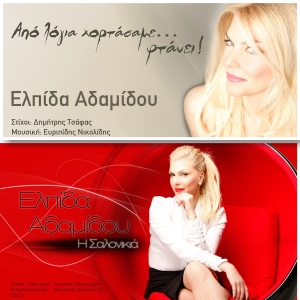
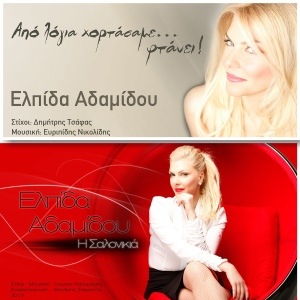
Ακούστε τa νεα τραγουδια της ΕΛΠΙΔΑΣ ΑΔΑΜΙΔΟΥ

ΔΕΛΤΙΟ ΤΥΠΟΥ

ΕΛΠΙΔΑ ΑΔΑΜΙΔΟΥ

1.AΠΟ ΛΟΓΙΑ ΧΟΡΤΑΣΑΜΕ ΦΤΑΝΕΙ- 2.Η ΣΑΛΟΝΙΚΙΑ

Η πανέμορφη Σαλονικιά Ελπίδα Αδαμίδου, μία γνήσια λαϊκή φωνή, μετά τον πρώτο της προσωπικό δίσκο, με τίτλο “Δεν είμαι όνειρο”,που κυκλοφόρησε το καλοκαίρι του 2011, έρχεται με δύο νέα τραγούδια, προπομπούς της δεύτερης δισκογραφίας της για το 2013.

«Από λόγια χορτάσαμε, φτάνει», σε στίχους Δημήτρη Τσάφα και μουσική Ευριπίδη Νικολίδη, ένα λαικό τραγούδι, που θα αγγίξει τις καρδιές πολλών από εμάς και «Η Σαλονικιά» σε στίχους και μουσική Λουκά Καλομοίρη, μία σύγχρονη ρούμπα γραμμένη με «σαλονικιώτικη» διάλεκτο, που μας ξεσηκώνει να χορέψουμε, τραγουδώντας δυνατά…«Δε με λες…»

Η Ελπίδα Αδαμίδου, που σπούδασε χρηματο-οικονομικά, εργάστηκε ως τραπεζικός υπάλληλος, για πολλά χρόνια τραγουδώντας παράλληλα σε νυχτερινά κέντρα στη Θεσσαλονίκη, στην Αθήνα και σε διάφορες πόλεις της Ελλάδας.

‘Εχοντας στο ενεργητικό της συνεργασίες με μεγάλα ονόματα της ελληνικής μουσικής σκηνής, και με γνώμονα τον επαγγελματισμό, τη συνέπειά της αλλά και το βορειο-ελλαδίτικο ταμπεραμέντο της, αποτελεί την “ελπίδα” μας, για το καλό ελληνικό τραγούδι !!!

Δειτε στο youtube τα VIDEO CLIP Στο link

Ακούστε τa νεα τραγουδια της ΕΛΠΙΔΑΣ ΑΔΑΜΙΔΟΥ

1.AΠΟ ΛΟΓΙΑ ΧΟΡΤΑΣΑΜΕ ΦΤΑΝΕΙ- 2.Η ΣΑΛΟΝΙΚΙΑ

ΚAΛΗ ΑΚΡΟΑΣΗ

20130324-010754.jpg

20130324-010804.jpg

W.H.I.A President John Pandazopoulos’ Statement on the International Day for the elimination of Racial Discrimination

20130323-133457.jpg

ΠΑΓΚΟΣΜΙΑ ΔΙΑΚΟΙΝΟΒΟΥΛΕΥΤΙΚΗ ΕΝΩΣΗ ΕΛΛΗΝΙΣΜΟΥ (Πα.Δ.Ε.Ε)
WORLD ΗΕLLENIC INTER-PARLIAMENTARY ASSOCIATION
(W.H.I.A)

W.H.I.A President John Pandazopoulos’ Statement on the International Day for the elimination of Racial Discrimination

“It is important in these economically difficult times that we value basic human rights-respect and tolerance for all irrespective of race, ethnicity, religion or country of origin. These are values that have ensured the survival and progress of the Hellenic diaspora. As a diaspora we have had to fight racism, intolerance and prejudice. As a result many of our Hellenic community leaders have been pioneers in racial equality, anti-discrimination, racial and religion tolerance and promotion of multiculturalism. These endeavours have strengthened our community under an understanding that our culture and religion are not barriers to our progress with an understanding that we are also citizens of the countries in which we live in accepting our responsibilities to be good hard working citizens that support the laws and institutions of the lands in which we live.
As a result we have been able to flourish with our churches, community centers, schools and Greek language publications. These have not weakened the nations in which we live but instead have made them stronger through everyone working in the interests of our nations, through linking us with other parts of the world and broadening our minds. These have all been good for our countries and also been good for Greece and Cyprus.

The diaspora now has a more significant role to play in support of Greece and Cyprus as they undertake their difficult economic tasks. This environment of multiculturalism, tolerance and mutual respect allows us to talk openly about how we can support the economic growth of Greece and Cyprus through trade, investment and tourism. It is important that this and Greece’s economic recovery is not undermined by the emergence of extremism in Greece which turns away tourists, investment and trade.

As Hellenic heritage legislators we TOTALLY oppose such extremism and do not welcome any of this BAD POLITICS in Greece or it coming to any of the countries in which we live. We have members from a diverse range of political beliefs but we are all united against extremism, racism, intolerance and violence. These are the same reasons that we became involved in politics in the first place – to support our communities and to build the institutions that allow and sustain diversity, tolerance and mutual respect. It is no surprise that many of our members have been Ministers responsible for Multiculturalism and Citizenship, spokespersons for their Party’s or Chairs of Parliamentary Committee’s on multiculturalism.

Today we remember the struggles for equality from pioneers of diverse backgrounds many being Greek. Those that changed the rules to make it better for us and future generations. It is also a day to remember our role in maintaining this which can be fragile particularly in difficult economic times.”

ΑΠΟΚΛΕΙΣΤΙΚΑ το νέο CD του Βασίλη Σαλέα και του Βασίλη Παπαδόπουλου “Ελλάδα γειά σου”

Στίχοι: Βασίλης Παπαδόπουλος
Μουσική: Βασίλης Σαλέας

ΑΠΟΚΛΕΙΣΤΙΚΑ το νέο CD του Βασίλη Σαλέα και του Βασίλη Παπαδόπουλου “Ελλάδα γειά σου”.

Σαράντης Σαλέας – Ο Πετεινός

Βαγγέλης Κονιτόπουλος – Φιλιά Σε Όλα Τα Νησιά

Evdokia – Pame Sto Xwrio Mas:

Nikos Aliagas – O Lagos

Eleni Vitali – Paidi Mou Splaxno Mou

Manolis Mitsias – Pente Poulia Sta Sirmata

Glykeria – O Platanos

Antonis Vardis – H Fysi Ekdikeitai

Sarantis Saleas – Pateras Gio Symvouleve

Dionysis Savvopoulos – Ferte Mou Mia Variopoula

Themis Adamantidis – Paratata Koritsi Mou

Xristos Dantis – Ena Kokkino Foustani

Antonis Remos – Veggalika Polyxroma

Vasilis Papakonstantinou – Ax Re Mariw

Dionysis Savvopoulos – Ellada Geia Sou

Tolis Voskopoulos – Na Zisete

Τραγουδούν: Διονύσης Σαββόπουλος, Βασίλης Παπακωνσταντίνου, Αντώνης Ρέμος, Τόλης Βοσκόπουλος, Ελένη Βιτάλη, Μανώλης Μητσιάς, Γλυκερία, Αντώνης Βαρδής, Σαράντης Σαλέας, Θέμης Αδαμαντίδης, Νίκος Αλιάγας, Ευδοκία, Βαγγέλης Κονιτόπουλος Πατριωτικά, χαρούμενα, αλλά και συγκινητικά τραγούδια δια στόματος μεγάλων καλλιτεχνών, σε στίχους του Βασίλη Παπαδόπουλου και σε μουσική του Βασίλη Σαλέα.

Κάθε χρόνο στις 25 Μαρτίου τιμούμε και γιορτάζουμε τον ξεσηκωμό των υπόδουλων Ελλήνων κατά του Τούρκου δυνάστη για ελευθερία και αυτοδιάθεση.

Εκ των πραγμάτων είναι η πιο σημαντική ημερομηνία στην ιστορία της Νεώτερης Ελλάδας, ως αφετηρία της εθνικής παλιγγενεσίας.

Με αφορμή τον μεγάλο αυτό εθνικό εορτασμό, η εφημερίδα χαρίζει στους αναγνώστες της τραγούδια που ξυπνούν το ελληνικό αίσθημα και τονώνουν το ηθικό φρόνιμα, την αγάπη προς την πατρίδα και τους προγόνους μας, σε αυτούς τους δύσκολους καιρούς, που όλοι οι Έλληνες δοκιμάζονται. Κορυφαίοι καλλιτέχνες όπως οι Δ.Σαβόπουλος, Β.Παπακωνσταντίνου, Α.Ρέμος, Ε.Βιτάλη, Τ.Βοσκόπουλος, Μ.Μητσιάς, Α.Βαρδής, Γλυκερία, Χ.Δάντης, Θ.Αδαμαντίδης και αρκετοί άλλοι συνθέτουν ένα εκρηκτικό μουσικό CD με 18 τραγούδια.

«Ελλάδα σ’αγαπάμε, για σένα τραγουδάμε, παντού όπου κι αν πάμε, μαζί σε κουβαλάμε».

Με αυτό το στίχο υπογράφουν αυτό το CD που έχει τίτλο «Ελλάδα γειά σου» ο Βασίλης Σαλέας και ο Βασίλης Παπαδόπουλος λέγοντας ότι ήταν ένα όνειρο ζωής η έκδοσή του.

Escape and Evasion in Enemy-Occupied Crete 1941-43 28 March 2013

Talk by historian Ian Frazer, former Lecturer at Otago Univesity and co-author of ‘On the run – Anzac escape and evasion in enemy-occupied Crete’.
In the Battle of Crete in May 1941, the 2/7th Australian Infantry Battalion, fought with much honour, including a last-ditch stand at ‘42nd Street’ in the final days of the battle.

Fighting in the rear-guard, they were denied evacuation at the last minute and forced to capitulate.

Large numbers went on the run as evaders and escapers.

Some managed to escape Crete by themselves; many more were rescued by the British secret services.

This story, which spanned more than two years after May 1941 is not so well-known.

It was another outstanding chapter in the history of the Battalion.

This talk is a tribute those soldiers and the brave Cretan families who gave them shelter and eventually helped them escape

Thursday 28 March – 5.30pm arrival for 6pm start.

Light refreshments served between 5.30pm and 6pm. Talk begins promptly at 6pm.

Dr.Olga Sarantopoulos: Intervention on unfavourable treatment of repatriated Expatriates​ ​ ​​​

ΣΥΜΒΟΥΛΙΟ ΑΠΟΔΗΜΟΥ ΕΛΛΗΝΙΣΜΟΥ (ΣΑΕ)

WORLD COUNCIL OF HELLENES ABROAD (SAE)

Δρ. Όλγα Σαραντοπούλου – Γραμματέας ΣΑΕ

Dr.Olga Sarantopoulos: Intervention on
unfavourable treatment of repatriated Expatriates​ ​ ​​​

​Vienna, 21st of March 2013

Dr.Olga Sarantopoulos, Secretary of the World Council of Hellenes Abroad (SAE) addressed a new intervention-letter to the Minister of Finance of Greece, Mr. J. Stournaras, following the government’s decision to change the existing law and to vote an article which provides that the pension payments to repatriated Expatriates will be only made, if the beneficiaries (repatriated Expatriates) are permanently and legally residing in Greece for the last 20 years.

In particular, according to Article 1 of the law 4093, it is provided that the monthly pension of uninsured elderly as described in the law 1296/1982 (A’128 ), is to be paid – if among other conditions – the beneficiaries “Reside permanently and legally in Greece for the last 20 years before applying for retirement and are still living in the country during their retirement. ”

This is the fourth intervention in series of Dr.Olga Sarantopoulos on issues relating to taxation of expatriates.

In her letter, Ms. Sarantopoulos notes that the issue affects thousands repatriated Expatriates, especially former residents of the countries of the former Soviet Union and the Northern Epirus, who will suffer financially and socially since they do not fulfill the term of twenty years. They risk to loose their only source of income. Based on the information available from the competent Organization of Repatriated Greeks in Greece, 95% of these people do not meet this requirement.

“These people are experiencing the measure as another prosecution against them,” as stated in the letter.

The Secretary SAE underlines that the economic and fiscal policies of the government should not only be tax-collecting oriented, but should essentially maintain the social ties of the country. “It is unthinkable to condemn people whose sole income is a meager pension, just because some people decided to extend the time limit of residing in Greece, as a precondition for their retirement.”