Where Australia’s immigrants were born in rollover map

This map reveals the top three birthplaces for immigrants in suburbs and towns across Australia.

You can also access a map revealing birthplaces excluding English and New Zealand immigrants.

Rollover suburbs with your mouse for detailed info.

Zoom and drag for a view of other cities and the nation as a whole, or click on the following links:


https://a.tiles.mapbox.com/v4/sbsonline.ie9aojc4.html?access_token=pk.eyJ1Ijoic2Jzb25saW5lIiwiYSI6IklRMkRCVVEifQ.ldQz-kg5lTylBG6J4HoXbg


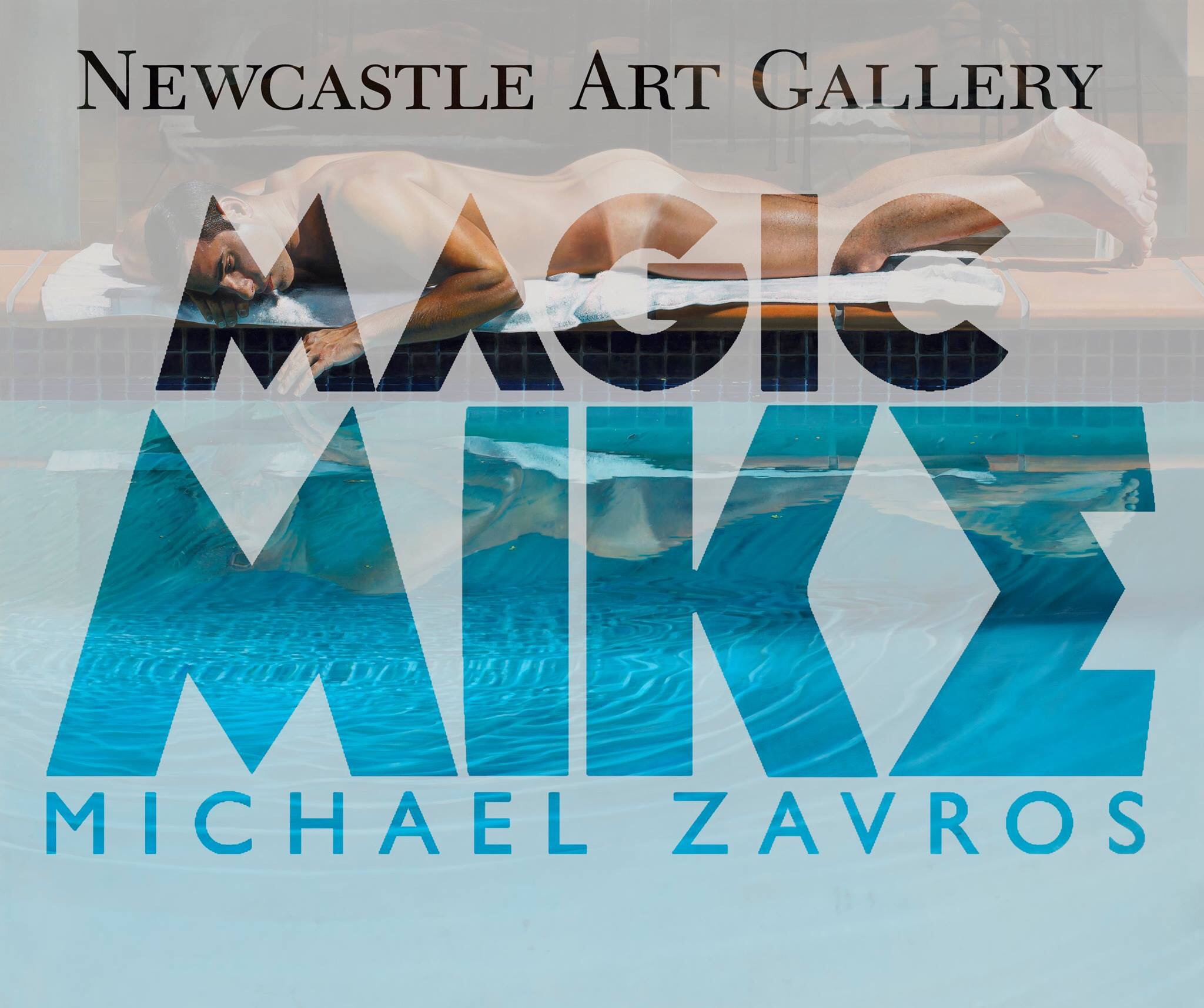
Michael Zavros puts some muscle into art


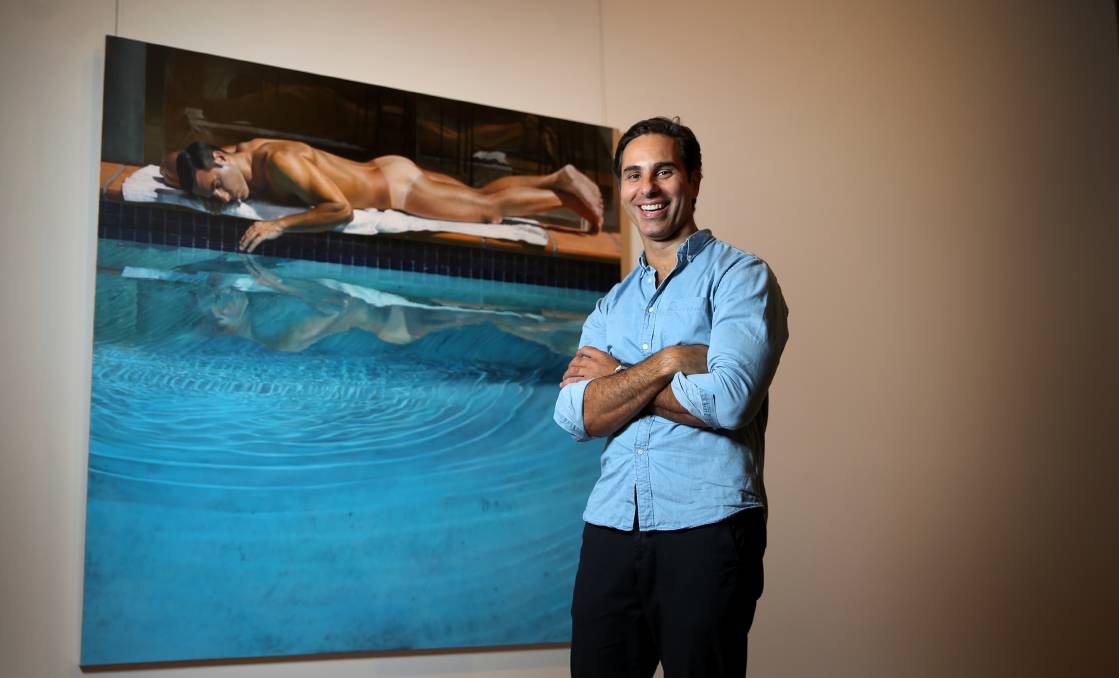
BOLD REFLECTION: Artist Michael Zavros, standing in front of his painted image in The Sunbather, at Newcastle Art Gallery. Picture: Marina Neil

Standing in front of a painting with its creator can be awkward at the best of times. But standing in front of The Sunbather in Newcastle Art Gallery with Michael Zavros, I’m lost for words.


Actually, I’m not. I just don’t think it would be appropriate to say, “nice bum”.  

Through what they paint, artists have the ability to reveal some inner truth about the human condition. With The Sunbather, Michael Zavros has revealed his bottom.

“In the privacy of my studio, when I’m not really thinking about an audience for the work, I can do these things,” Zavros explains of his revelatory self-portrait. ‘Yet I’m confronted with this painting, and it just shocks me. ‘Did I make that? And did this gallery actually buy that?’

“I’m suddenly able to see it from a completely different perspective.”

The painting shows Zavros lying naked by a pool, and he is staring at his own reflection. The Sunbather references art history, from David Hockney to Caravaggio, but ultimately your eyes are drawn not to the past but to that buff and tanned body.  

“I think I made it for those reasons, I can talk about Hockney, and about narcissism and role play and those sorts of things,” muses the artist. “But then I just think, ‘Wow, that’s a very audacious thing to do’.

In the flesh, Michael Zavros is not audacious. The 42-year-old is considered, picking his words as carefully as he applies paint to his hyper-realist pictures of beauty. 

Yet Zavros has a reputation for audacity, at least in his public life. For an exhibition at the Melbourne Art Fair at the time of his 40th birthday, Zavros hired the Stenmark twins, who are male models, to hand out chocolates embossed with his monogram. He is often photographed at glamorous openings and awards nights. Zavros himself has won a swag of awards, including the Doug Moran National Portrait Prize, the richest of its type in the world. He is also keenly sought after for commissions, having painted portraits of former Governor-General Dame Quentin Bryce for the National Portrait Gallery and Victoria Cross recipient Ben Roberts-Smith for the Australian War Memorial. 

“He’s a rock star in contemporary art,” says Lauretta Morton, the manager of Newcastle Art Gallery. “There’s a public side to him, and there’s the quiet side to him at home. He’s a very serious kind of guy.” 

The public and the private, the performer and the painter, often collide on the canvas. His technique is applauded, but the paintings’ flashiness can blind the viewer to what’s going on under the surface, or the skin, of his images.  

“What’s interesting for me with that kind of [hyper-realist] painting is that there is something completely pointless about it … and it makes it kind of romantic and ridiculous,” Zavros says. “There is on the surface a kind of disconnect, I suppose, but while I talk about something that seems to be pointless, it’s incredibly meaningful to me. What I make and why I do it is significant.”

In The Sunbather, Zavros is baring not just his body but his soul to explore vanity and self-obsession. 

“In some ways, this is as ancient as the Greeks, the idealised human body, but I think in the past few centuries that has become repressed and often seen in bad terms for us men. But I think that’s changed. 

“I think social media has really accelerated that. It fascinates me, but I can’t really see the end point with all this. I think that’s scary. I have young kids, and I think about their lives and what they are starting to want to project.”

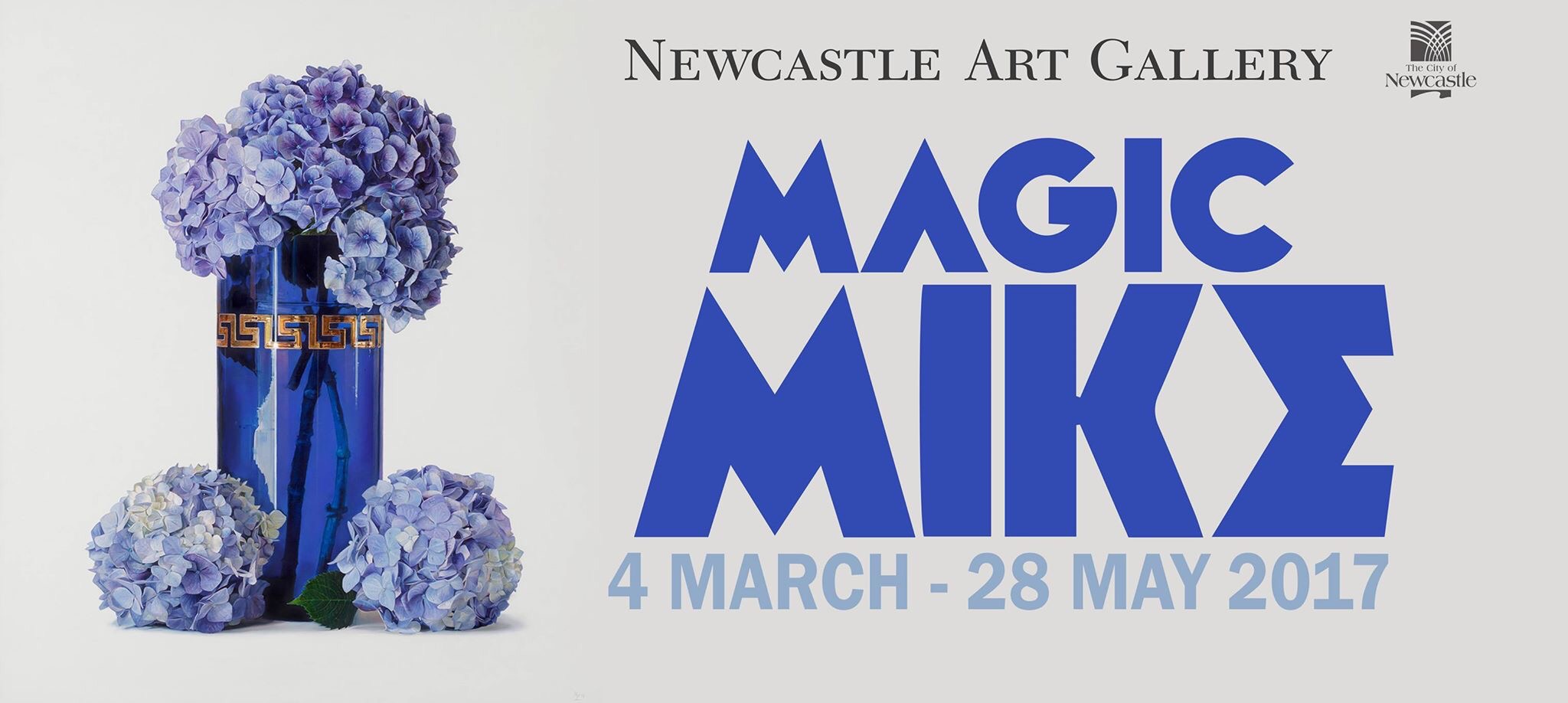
Vanity, and the effort required to create and maintain beauty, is a focus of Zavros’ exhibition at Newcastle Art Gallery, which opens March 4. It’s titled Magic Mike, a cheeky reference to his own name, and to a Hollywood film about a troupe of male strippers, which, Zavros admits, he hasn’t watched all the way through.

Lauretta Morton first raised the possibility of an exhibition with Zavros in 2015. She has known him since they worked together on a group exhibition at the gallery in 2004, Auto Fetish, looking at Newcastle’s car culture. More recently, she had negotiated with him to buy The Sunbather and another work, The Mermaid, for Newcastle’s collection.

When Morton visited Zavros at his family home and studio in Brisbane last year, he suggested Magic Mike. And, to bring the paintings to life, he proposed setting up a gym in the gallery.   

“At first, I thought, ‘Are you mad?’,” laughs Morton.

But the gym equipment is being installed, and a group of “well-structured male performers” will be working out in front of the paintings. Morton reckons the mingling of art and muscle will appeal to gallery goers.

“Newcastle has such a huge gym culture,” she says. “When you think about it, there’s a gym on just about every corner. There’s no milk bars anymore, just gyms!”

“Basically these guys will be working out among the art,” explains Zavros. “I’m interested in surprising people, or encouraging people to think about something that wouldn’t normally happen inside a gallery.”

The artist sees a link between the act of painting and working out in a gym. “It has this pointless, showy quality to it that someone can be incredibly dedicated to, much like painting,” he says. “It’s this very careful process, a long process.” 

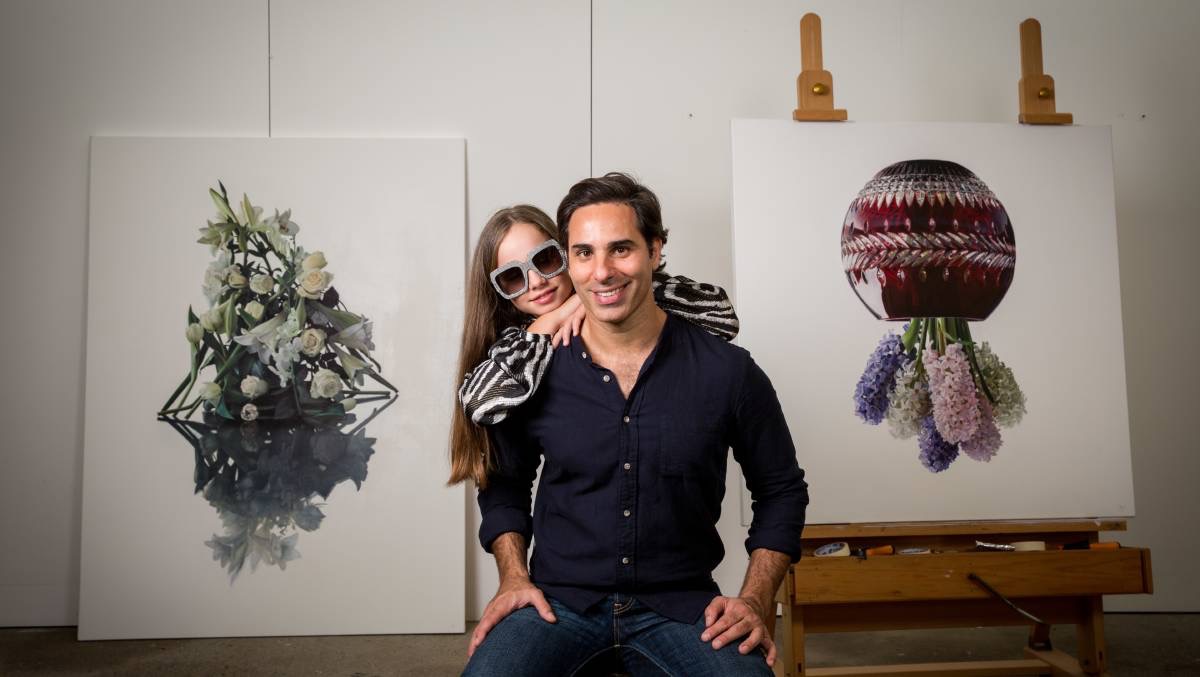
FAMILY PORTRAIT: Michael Zavros in his Brisbane studio last year with daughter, and frequent portrait subject, Phoebe. Picture: Paul Harris 

FAMILY PORTRAIT: Michael Zavros in his Brisbane studio last year with daughter, and frequent portrait subject, Phoebe. Picture: Paul Harris

In painting youth, Zavros often depicts his 11-year-old daughter, Phoebe. She is the subject in the disconcertingly intense The Mermaid, in which she is floating in the pool that her father used for his self-portrait in The Sunbather. Given she is approaching her teenage years, and body image is a major issue for many adolescents, I ask how comfortable both he and Phoebe are about her being painted. 

“She likes it, she likes the work we do,” says the father of three. “It’s that curious thing where you want to guide them and help them and kind of protect them and then let them be themselves. It’s such a different line to negotiate.”

Michael Zavros reckons to paint the subject of vanity, he only has to look in the mirror.  

“I’m definitely vain, but even that’s waning,” Zavros says. “As a parent, you just don’t get the chance to be self-focused, you don’t think about those things so much.        

“When I work out, or I run or I swim now, it’s much less about trying to look good. The older I get, the more I’m a parent, I don’t have time to think about those sorts of things. But it really keeps me sane to run and swim, to do something physical.” 

Two Aussies to contest Eurovision 2017


Australian-born and raised singer Anya Nissen has won a Danish competition to represent that country in the Eurovision Song Contest.

Two Australians will be competing in this year’s Eurovision Song Contest after NSW-born Anya Nissen beat nine other finalists for the right to represent Denmark. After narrowly finishing second last year in Denmark’s Eurovision selection competition – the Danish Melodi Grand Prix – Nissen triumphed on Saturday in the city of Herning with her song Where I Am.

Nissen, 21, brought up on her Danish parents’ farm west of Sydney, won The Voice on Australian TV in 2014 when she was coached by Black Eyed Peas star Will.i.am.

The Eurovision news site, ESCDAILY.com, says she was asked by SBS to go to Eurovision in 2015. But eventually SBS chose Guy Sebastian instead.

In May in the Ukrainian capital of Kiev, Nissen will be vying against the yet-to-be-announced Australian entrant and others in the Eurovision contest.

Last May in Stockholm, Australian singer Dami Im came second overall and won the jury vote with her song Sound of Silence, paving the way for Australia to be represented again this year.

Sebastian, Australia’s first entrant in the contest, came fifth in Vienna in 2015 with his song Tonight Again.

The Australian artist chasing Eurovision glory at the world’s biggest song contest is about to be announced, on Tuesday 7 March.  

For the first time ever, Australia’s artist and song will both be revealed at the same time in an intimate live performance at a secret location in Melbourne – hosted by SBS’s Eurovision commentator, host, expert and enthusiast Julia Zemiro.

The artist reveal will be broadcast LIVE on SBS Facebook from 5.30pm. Stay tuned to the SBS Facebook page for updates and a countdown to the announcement moment!

Who will it be? Will a group, male solo, or female solo take the stage?  

Is the song Australians will be belting out in their living rooms an upbeat party anthem, or emotional power ballad? 

All will be revealed… Tuesday 7 March.

The Eurovision Song Contest semi-finals will take place on 9 May and 11 May, with the Grand Final taking place on 13 May 2017.

TripAdvisor best beaches in the world including Australia and Greece


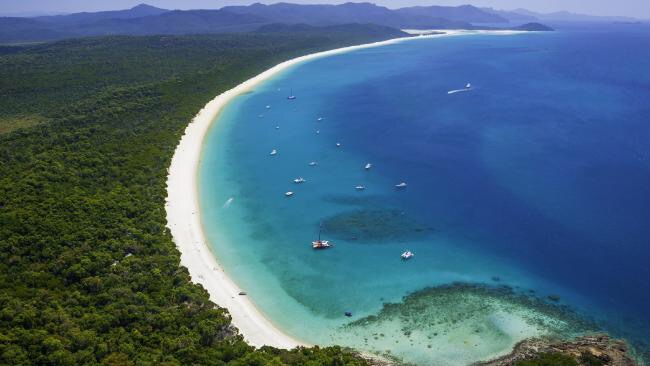
Nothing beats Whitehaven Beach in the Whitsundays.

When it comes to jaw-dropping beaches — Australia doesn’t muck around.

We’re home to some of the most beautiful stretches of coastline in the world so judging which one is best is no easy job.

TripAdvisor has analysed millions of reviews to release its best beaches in Australia list for its 2017 Travellers’ Choice awards with some surprising (and not so surprising) results.

No stranger to awards, Whitehaven Beach once again claimed first place. This stunning stretch of sand in the Whitsundays topped the list for the fourth year running with many Queensland beaches dominating the top 10.

“Our reefs, islands and beaches are signature experiences and a drawcard for millions of visitors each year,” says Leanne Coddington, chief executive of Tourism and Events Queensland.

So what about the surprises?

For the first time ever, The Strand at Townsville landed itself in the top 10. Popular with families, it secured ninth spot on the list. The lesser-known Emily Bay on Norfolk Island also squeezed in at tenth spot.

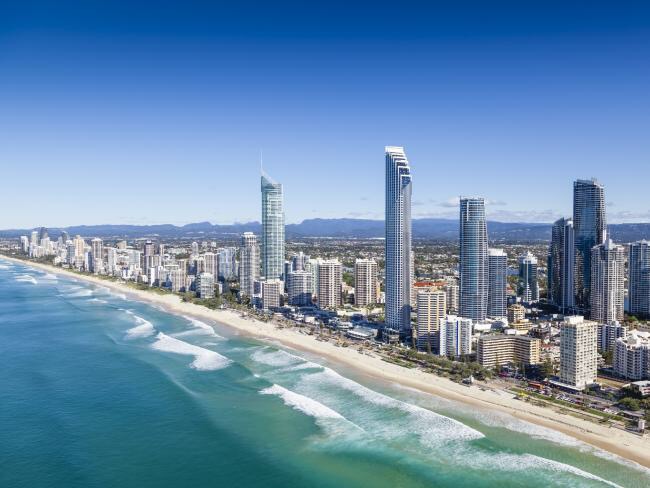
Closely behind Whitehaven Beach was Surfers Paradise Beach followed by Noosa Main Beach and Manly Beach — our iconic Bondi Beach was a noticeable omission.

“Aussies love the beach so for those planning their next sandy getaway, TripAdvisor has identified from millions of traveller reviews, the best beaches throughout the world as well as those right here in our back yard,” said Joanne Kershaw, spokesperson for TripAdvisor.

Planning your next beach holiday? Here’s a look at the top 10 around the country.

1. WHITEHAVEN BEACH, QLD

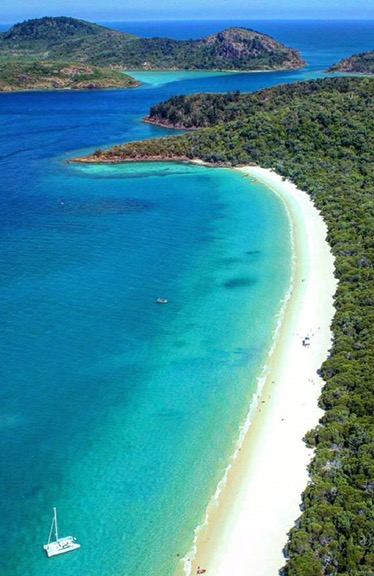
Stretching over seven kilometres its white sand, blue waters and green headlands makes it one of the most photographed beaches in Australia.

“Best beach, purest white sand, and bluest water I have ever seen”, said a TripAdvisor reviewer.

It’s not hard to see why Whitehaven Beach tops the list.


It’s not hard to see why Whitehaven Beach tops the list. Source: News Corp Australia

2. SURFERS PARADISE BEACH, QLD

This ‘slice of paradise’ is also one of Australia’s most famous thanks to this endless stretch of coastline dotted with high-rise apartments.

“Beautiful white sandy beach that goes on forever. It is very clean and well patrolled,” said a TripAdvisor reviewer.

Surfer’s Paradise — the original Aussie beach holiday.


Surfer’s Paradise — the original Aussie beach holiday. Source: Supplied
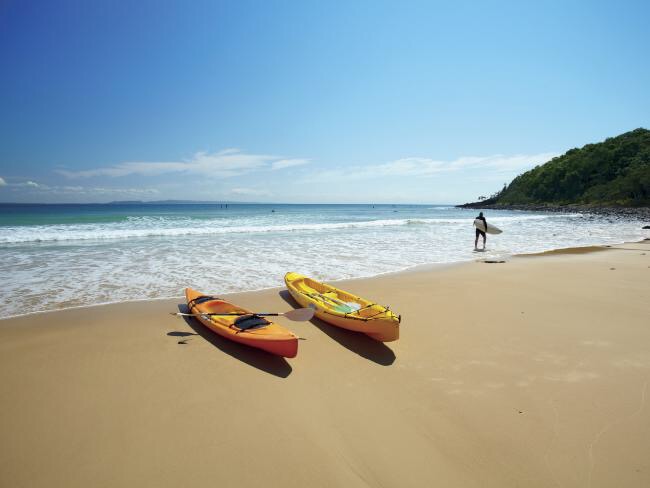
3. NOOSA MAIN BEACH, QLD

You’ll find most of Sydney and Melbourne here in winter thanks to its family-friendly beach, good surf spots and boutique shopping.

Noosa Main Beach is surrounded by national park and perfect swimming spots.


Noosa Main Beach is surrounded by national park and perfect swimming spots. Source: Tourism Events Queensland
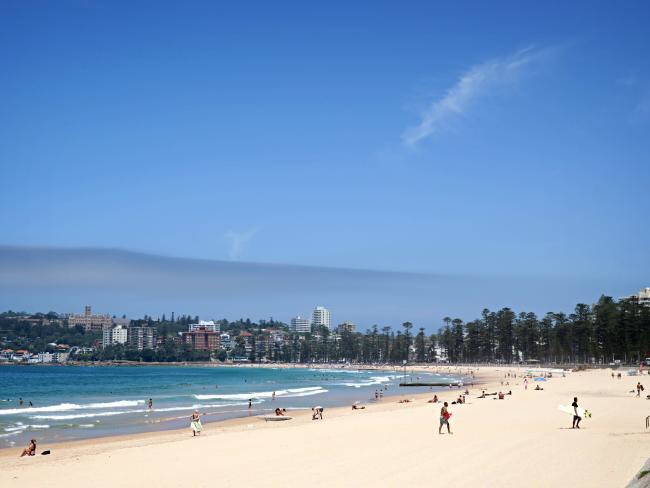
4. MANLY BEACH, NSW

Manly Beach was the first beach in Australia to allow daylight swimming and surfing back in 1903 and was one of the pioneer beaches for surf and beach culture.

“A short walk from the ferry with tons of shops, bars, and wonderful food options,” shared a TripAdvisor traveller.

Manly Beach has always embraced the surf lifestyle.


Manly Beach has always embraced the surf lifestyle. Source: News Corp Australia
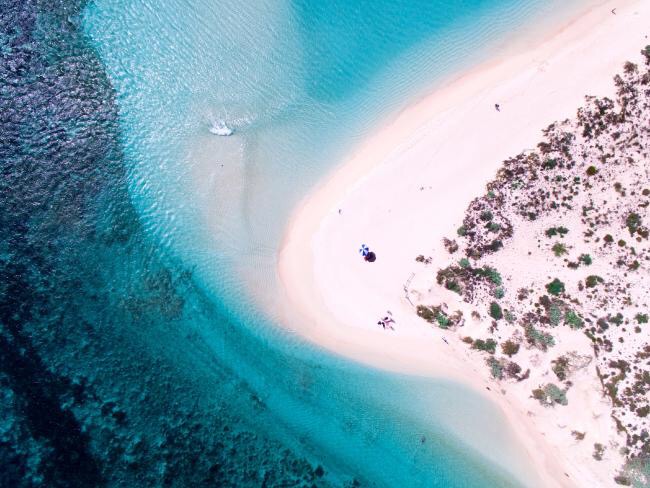
5. TURQUOISE BAY, WA

Located with metres of Australia’s famous Ningaloo Reef, it’s also one of Western Australia’s most beautiful.

“A beautiful beach, golden sands, family friendly, and easy snorkelling. Totally unspoilt, it lived up to its name,” commented a TripAdvisor reviewer.

Turquoise Bay on the Coral Coast of WA.


Turquoise Bay on the Coral Coast of WA. Source:Supplied
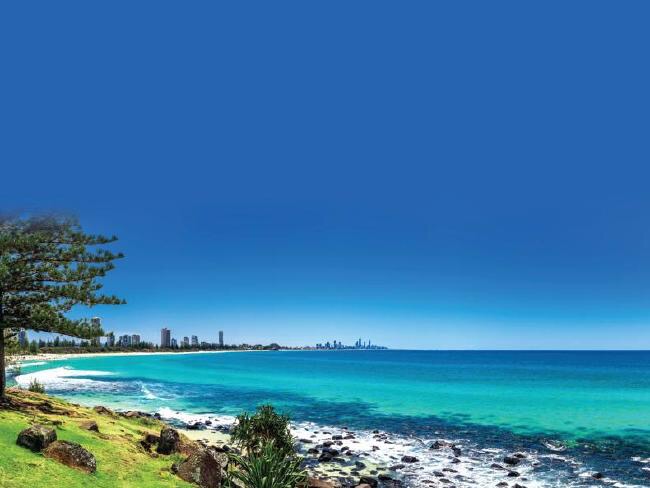
6. BURLEIGH HEADS BEACH, QLD

Known for its awesome surfing conditions you can also head to the nearby Burleigh Head National Park, popular for its many beautiful walking trails and wildlife.

The blue waters of Burleigh Heads.


The blue waters of Burleigh Heads. Source:Supplied
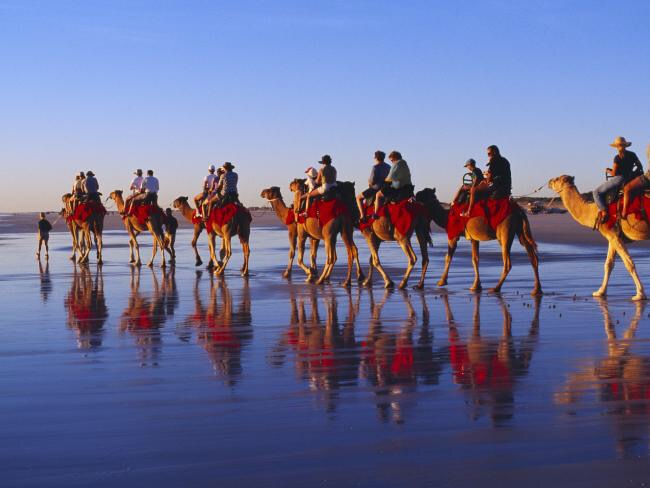
7. CABLE BEACH, WA

Most photos of this stretch of sand will feature the famous camel back beach rides. Stretching over 22 kilometres of pristine sand it also has spectacular sunsets over the Indian Ocean.

Camel rides and sunsets at Cable Beach.


Camel rides and sunsets at Cable Beach. Source:Supplied
8. MOOLOOLABA BEACH, QLD

Located on Queensland’s Sunshine Coast, its popular for its safe water conditions thanks to its north-facing position. Top that with sapphire coloured waters and white sand and its summer holiday heaven.


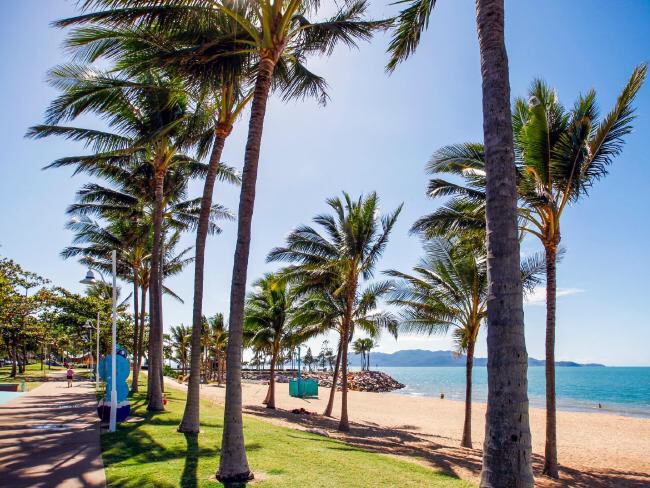
9. THE STRAND, QLD

Townsville is slowly making a name for itself as an up and coming Queensland destination. TigerAir even announced a new route from Melbourne to Townsville for those wanting to escape the winter months.

“This location has something for everyone, lots of playgrounds, picnic areas, bench for relaxing and spectacular views of the island and ocean,” according to a TripAdvisor user.

The Strand a surprising addition.


The Strand a surprising addition. Source:Supplied
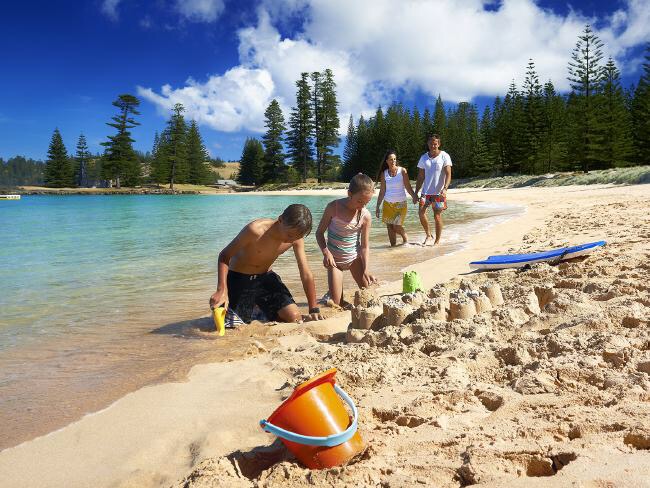
10. EMILY BAY, NORFOLK ISLAND

Set amongst the world heritage area of Kingston, the sheltered reefed lagoon is home to a variety of fish and coral reefs. The beach is also family friendly and offers a great day out for family activities and adventures.


Family friendly Emily Bay at Norfolk Island. Picture: Supplied


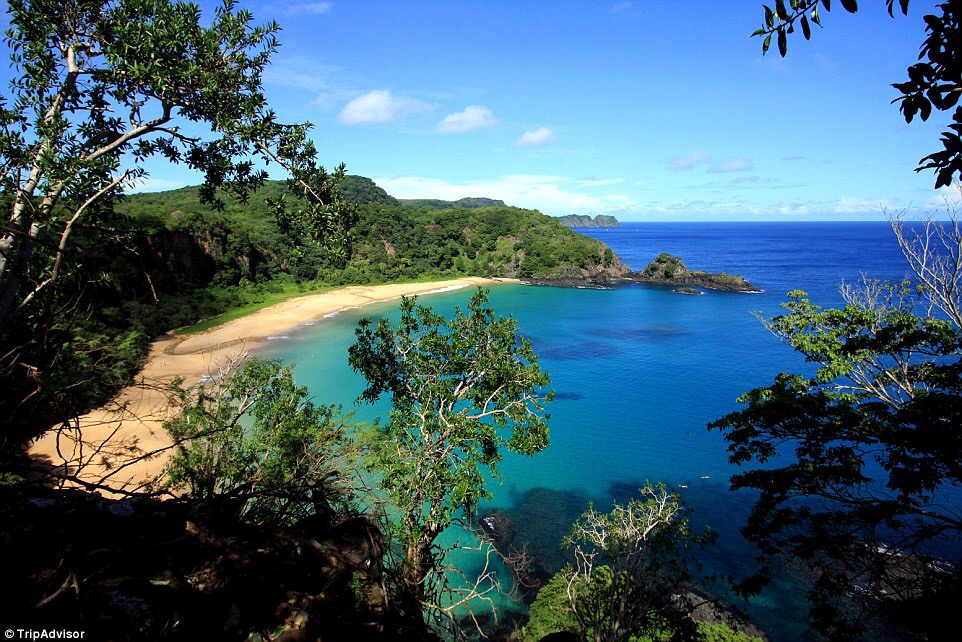
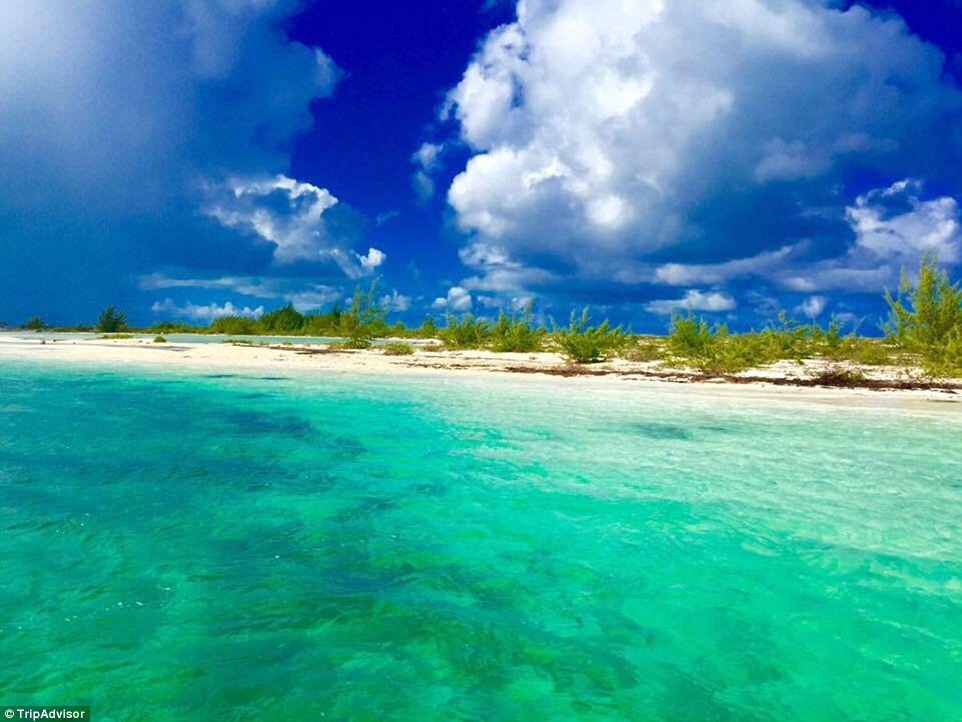
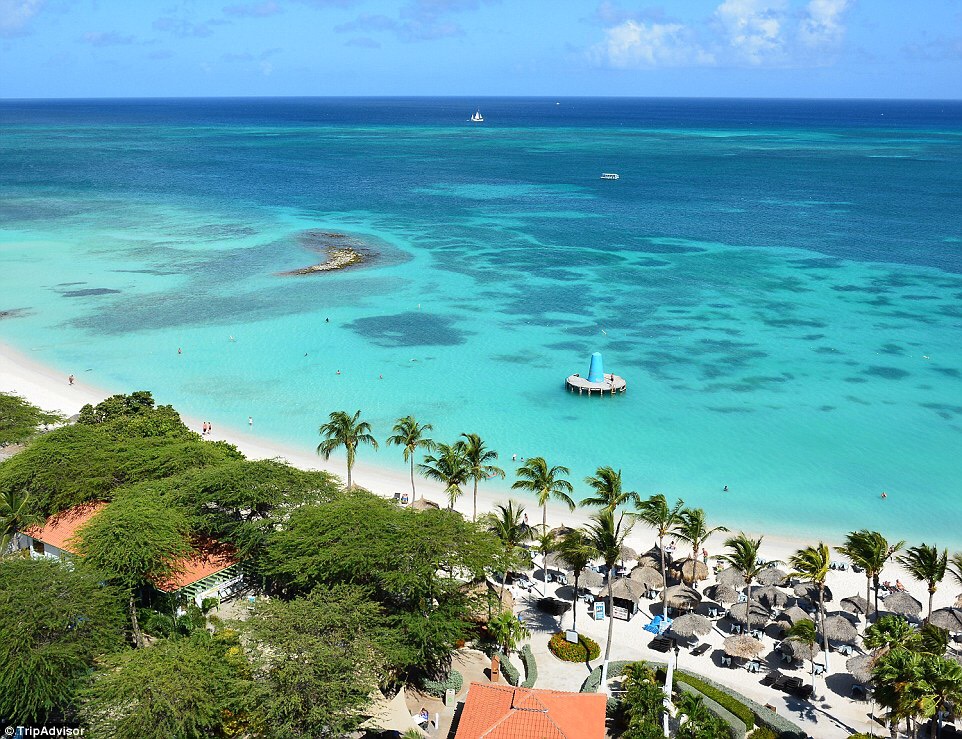
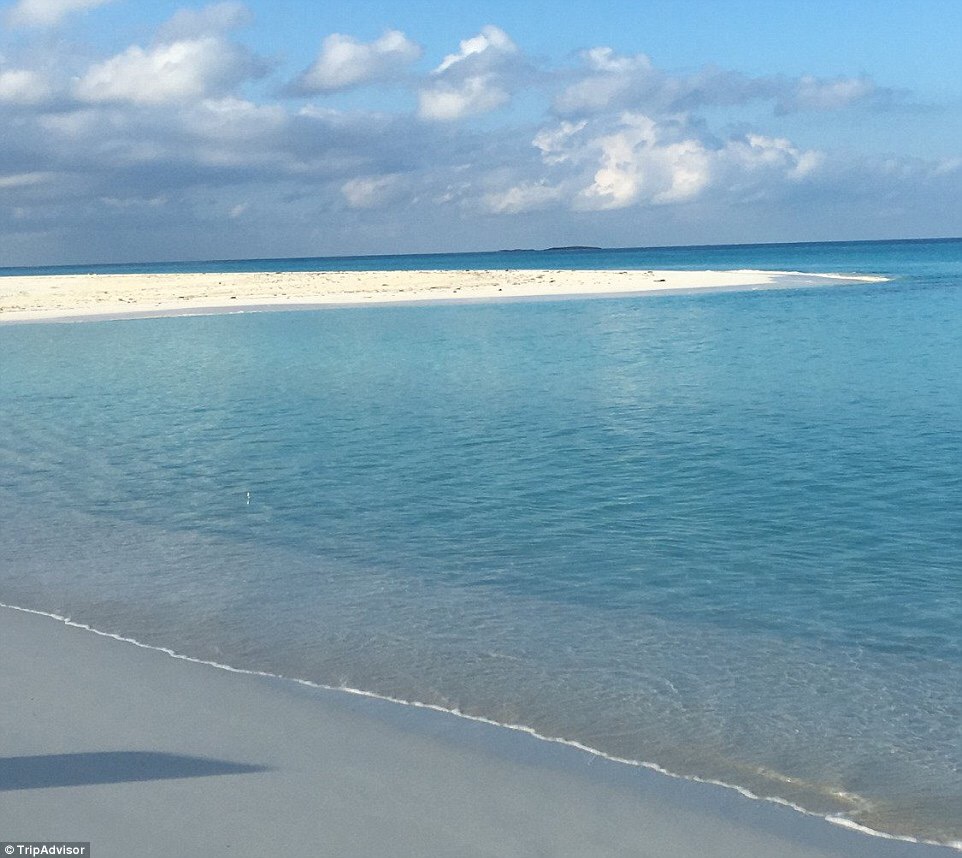
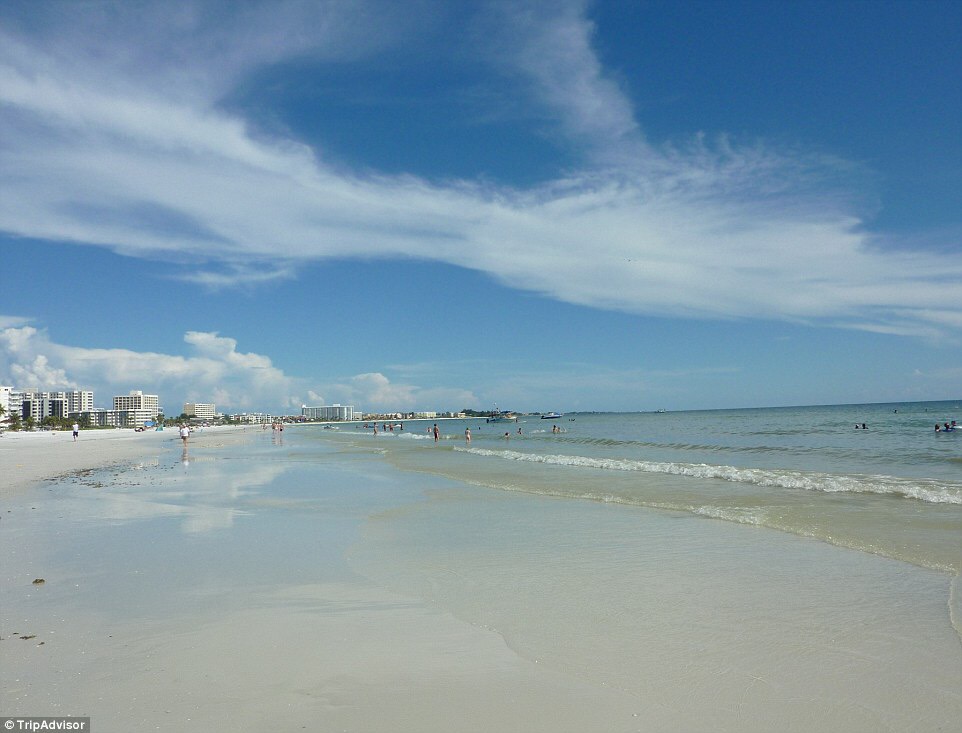
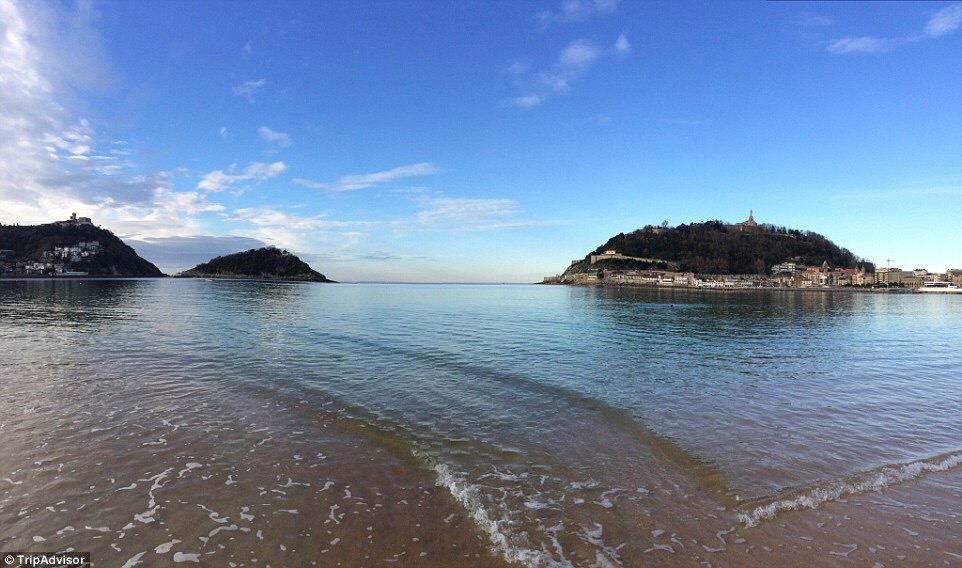
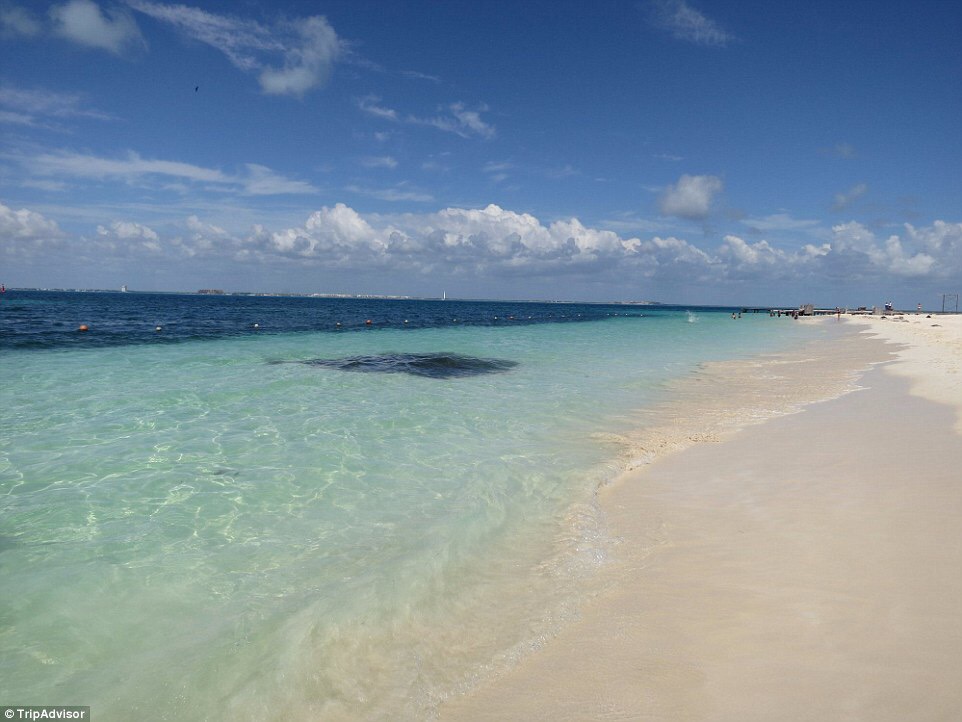
WORLD’S BEST BEACHES

1. Baia do Sancho, Fernando de Noronha, Brazil


2. Grace Bay, Providenciales, Turks and Caicos


3. Eagle Beach, Palm — Eagle Beach, Aruba


4. Playa Paraiso, Cayo Largo, Cuba


5. Siesta Beach, Siesta Key, United States


6. La Concha Beach, San Sebastian, Spain


7. Playa Norte, Isla Mujeres, Mexico


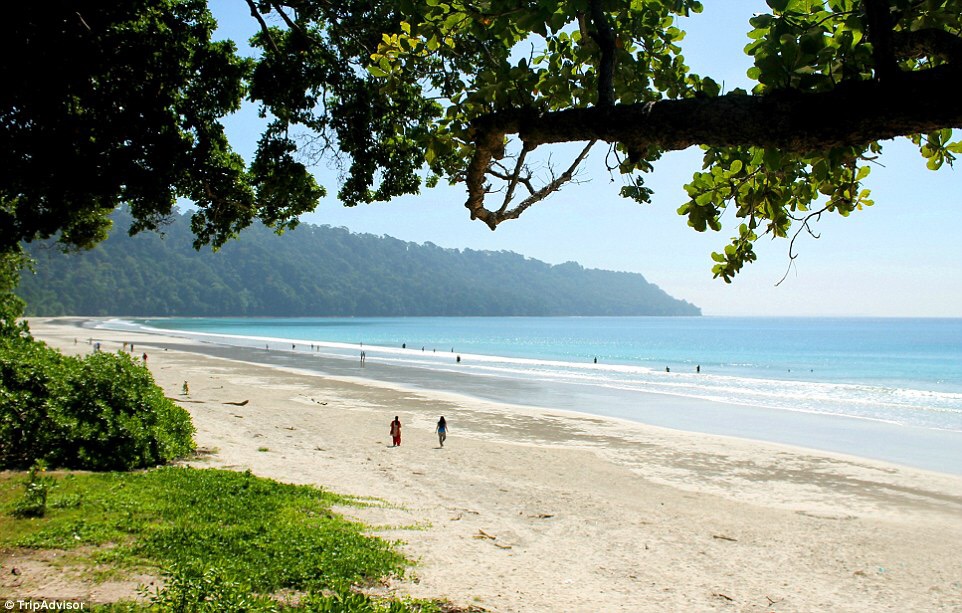
8. Radhanagar Beach, Havelock Island, India


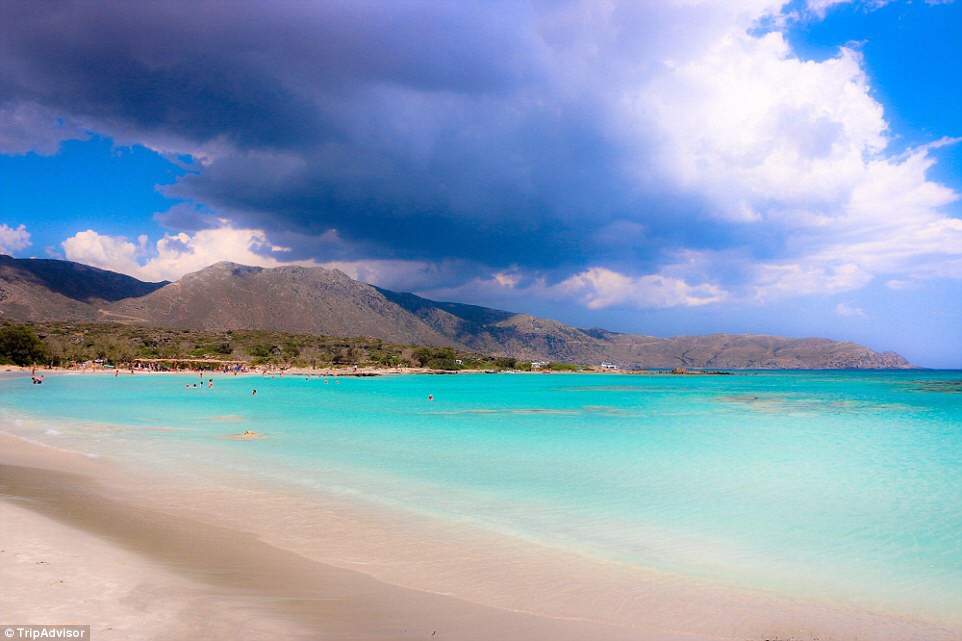
9. Elafonissi Beach, Crete, Greece


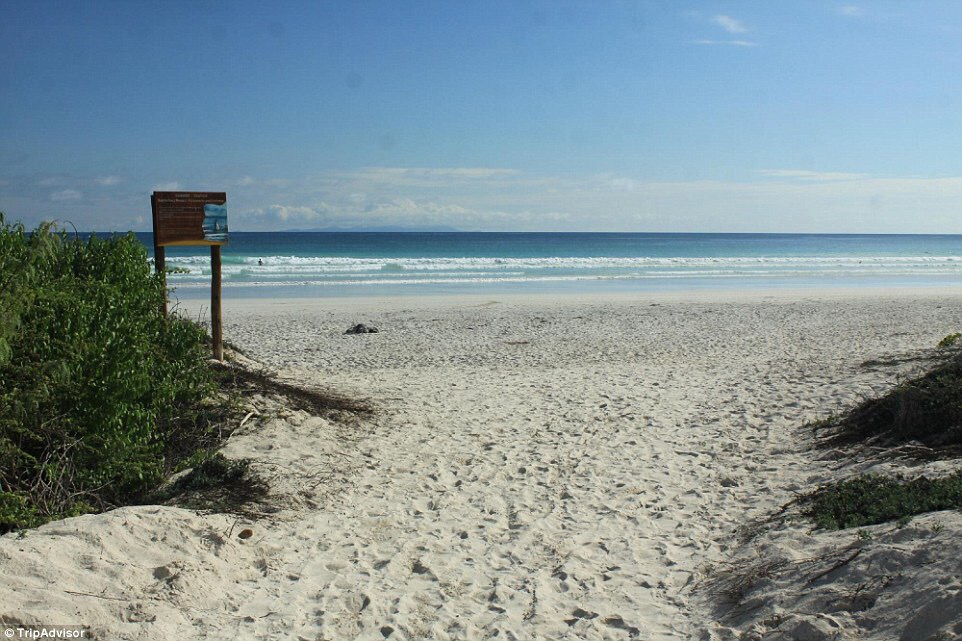
10. Galapagos Beach at Tortuga Bay, Galápagos Islands, Ecuador

 TOP 10 BEACHES IN EUROPE

1. La Concha Beach, San Sebastian – Donostia, Spain

2. Elafonissi Beach, Crete, Greece

3. La Cote des Basques, Biarritz, France

4. Fig Tree Bay, Protaras, Cyprus

5. Spiaggia dei Conigli, Lampedusa, Sicily, Italy

6. Playa de Ses Illetes, Formentera, Spain

7. Balos Beach and Lagoon, Kissamos, Crete, Greece

8. Kleftiko Beach, Milos, Greece

9. Weymouth Beach, Weymouth, United Kingdom

10. Playa de Muro Beach, Playa de Muro, Spain

On this day: Australia switches from pounds to dollars


ON THE MORNING of 14 February 1966, Australia’s shops, banks and ticket offices opened their doors and ushered in the age of decimal currency. Curious citizens formed long queues to exchange their pounds and pennies for brand-new dollars and cents.

Changeover Day, or ‘C-Day’, went off without a hitch The Sydney Morning Herald reported; “The smoothness of the change, the efficiency of business people and the good humour of the public delighted Decimal Currency Board officials”. Perhaps the biggest hiccup came with six-year-old Kim Taylor, who became the first Australian child to swallow a decimal coin.

The decision to change from the awkward and unwieldy system of pounds, shillings and pennies had been a long-time coming. The idea of a decimal currency – that is, a system based on the number 10 – had been brewing for over 100 years, but Mother England put her foot down: pounds and the base-12 system were a proud tradition.

That is, until Robert Menzies made an election promise in 1958 to seriously consider decimalisation. The argument for switching was simple: under the Imperial system, one Australian pound was divided into 20 shillings, which in turn was comprised of 12 pence each. This made financial transactions slower and more complicated.

“The economic benefits had become undeniable,” says Peter Rees, author of Inside the Vault: The History and Art of Australian Coinage. “It would be simpler for Australian trade. There were only a handful of non-decimal countries, so it made sense economically.”

It would also make the everyday shoppers’ life substantially easier. Remember, this was before tills could add up for you, so all addition had to be figured out mentally. Give it a go: let’s say you are buying four pounds of potatoes, which cost three shillings and 11 pence per pound. How much do you pay in total? You probably need a pen and paper to figure this out (the answer is 15 shillings and eight pence).

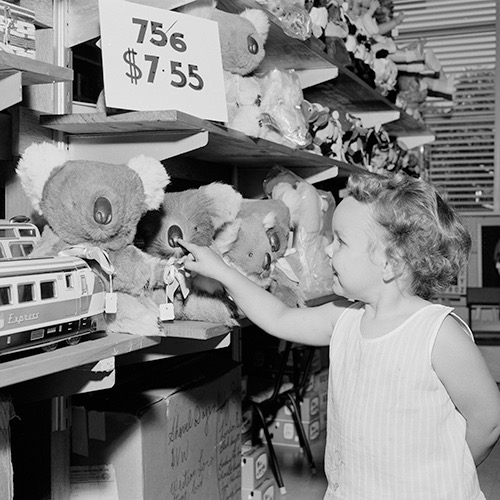
Both currencies could be used during the transition period; here, the cost of the soft toy is shown in both dollars and shillings. (Credit: National Archives of Australia)

Royal vs. dollar: a naming controversy

The only argument for actually keeping the pound centred on the nation’s symbolic kinship with Britain. Menzies, a staunch monarchist, had a solution: he believed the new currency should be named the ‘royal’.

The Currency Act 1963 set ‘C-Day’ for 14 February 1966, followed by a two year transition period where both pounds and dollars could be used. A competition to crowdsource a name for the new currency was launched, attracting thousands of creative suggestions. Neither ‘Coiny McCoinface’ nor ‘Dollarydoos’ were submitted, but the suggestions did encompass some quintessential Australiana: Boomer, Roo, Digger, Oz, Austral, Kanga, Dinkum and even Ming (Menzies’ nickname).

Menzies overruled these ideas in favour of ‘royal’, to the great dismay of the public. His choice proved so overwhelmingly unpopular that the Government had to backtrack a few months later. “The correspondence of politicians at the time shows they were horrified at the backlash,” says Peter. Indeed, then-treasurer Harold Holt called it “a terrible mistake”. The name ‘dollar’ was chosen instead – a great relief for the Australian people.

Coins and banknotes for a new Australia

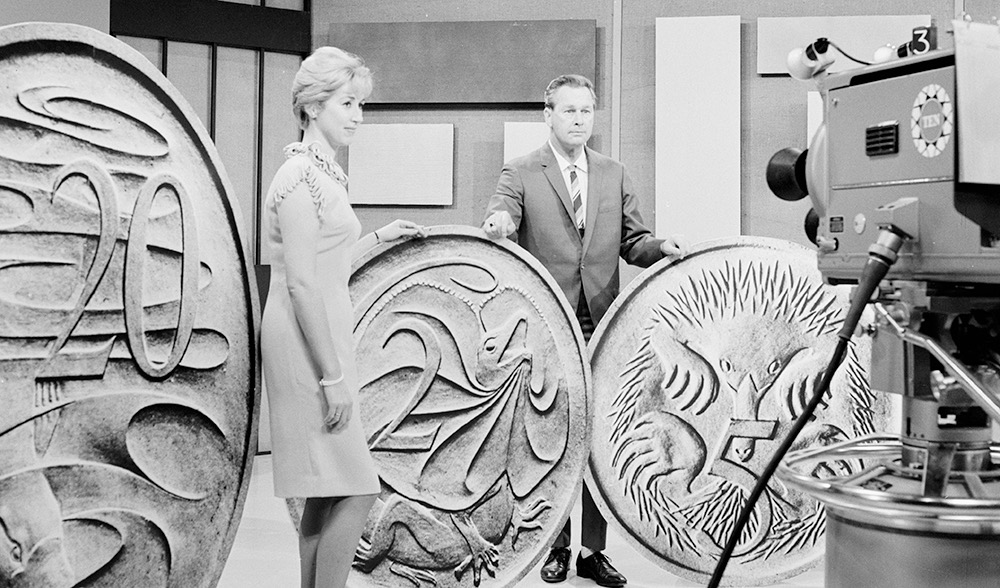
New notes and coins were designed. Coins featured Australian wildlife, while notes reflected Australia’s history and contributions to the world. In preparation for the big switch, a stockpile of one billion coins was minted and transported all over Australia by police-escorted trucks in ‘Operation Fastbuck’. Bank machinery, parking meters, cash registers and petrol pumps all had to be converted.

Meanwhile, a large-scale public awareness campaign brought cartoon Dollar Bill to the fore of every Australian’s mind. With a catchy jingle based on ‘Click go the shears’, Dollar Bill reassured and educated the masses about the incoming decimal system. The campaign worked a charm, according to Peter, “There wasn’t really any resistance. People took to it very quickly and there was a general air of optimism and positivity”.

The cartoon character Dollar Bill helped Australians learn about the new decimal system. (Credit: NFSA Films/YouTube)


Throughout the two-year phasing-out period, citizens could use either the old or new currency to pay for goods and services, and any change they received would be dollars and cents. A conversion rate was set: £1 was equivalent to $2. The Reserve Bank gradually withdrew the old money, while some of the old coins were recycled to make new ones by the Royal Australian Mint.

The adoption of a decimal currency was about more than just finances – it also reflected Australia’s developing identity. “The change evoked the spirit of the 60s and the self-confidence of emerging post-war Australia,” says Peter. “The designs captured Australia’s imagination and reflected a growing awareness that we had our own interesting wildlife and history.”

After C-Day, Australia’s logistical and PR success in decimalisation had far-reaching effects. “The changeover was so successful that Australia’s preparation efforts formed the basis of public education campaigns in Britain and New Zealand, who had also been flirting with the idea of decimalisation,” explains Peter. It also paved the way for metrification in the 1970s – that is, the official conversion of measurements from the imperial system (ounces, inches) to the metric system (grams, metres).

There is perhaps only one loss resulting from this momentous day: the coin in the Christmas pudding. It was a long-standing tradition to bake a silver coin into the pudding, which brought luck to whoever found it in their serving. Cooking the new-fangled coins turned them a ghastly green, thanks to their copper and nickel content.

Sydney’s Wooden Streets 1880-1900 – Part 1 of 5

Woodblock paving was used to surface Sydney’s streets from the 1880s until the 1930s. The paving here is a recreation of what Sydney’s streets looked like at the time. 

Sandstone paving had proved unsuccessful because it crumbled under the wheels of carts. Australian hardwoods were found to be a durable substitute and were so successful they were used on streets in London and Paris.

At the northern end of George Street, near Dawes Point, original woodblocks, largely still in place beneath the bitumen surface, have been left buried for future generations.

MAJOR CHANGES TO FEDERAL LAWS FROM JANUARY 1:

BACKPACKER TAX

Working holiday-makers will have to pay 15 per cent tax from the first dollar they earn and forgo 65 per cent of any superannuation earned when they leave the country. They can no longer claim any tax-free threshold.

PENSIONS

The amount of assets (excluding the family home) someone can have before pensions are hit is increasing but pensions will cut out more quickly for those with assets exceeding $375,000 for homeowner couples, $450,000 for single non-homeowners, and $575,000 for non-homeowner couples.

EDUCATION

– New VET student loan program begins, replacing the old VET FEE-HELP scheme. Students can get loans up to $5000, $10,000 or $15,000 depending on costs for a limited range of vocational courses.

– Industry Skills Fund, offering grants to help small businesses train staff, closes.

– The period students from regional and remote areas have to work to get the Youth Allowance is cut from 18 months to 14 months.

– Extra funding to schools for students with disabilities.

– Six research block grant schemes for universities is consolidated into two simpler programs.

AGRICULTURE

– Changes to the way levies for cattle, goat, lamb and sheep slaughters are split between R&D and marketing.

– New melon levy of $0.004 per kilo for R&D and Plant Health Australia membership.

HEALTH

– Mepolizumab (trade name: Nucala) for the treatment of severe asthma listed on the Pharmaceutical Benefits Scheme.

– Price cut for PBS prescriptions of Thiamine hydrochloride, used for treating vitamin B1 deficiency.

– Changes to Child Dental Benefits Schedule give children aged between two and 17 access to basic dental services, capped at $700 over two years.

– Increase to amount paid to pharmacists dispensing medicines to Remote Area Aboriginal Health Services.

CHILDCARE

– Trial program offering subsidies on nanny fees closes to new applications.

EMPLOYMENT

– New trial of a Launch into Work program offering training, work experience, and mentoring to prepare disadvantaged job seekers for employment.

ENVIRONMENT

– Green Army program ends, no new projects accepted.

– New grants available for councils, community and environmental groups to improve local parks.

AGED CARE

– Changes to aged-care provider funding, including increasing supplements for rural, remote and specialty services.

– Specialist dementia care units in 31 regions to be set up.

– Rental income from former family home of aged-care residents will be treated the same as pension income tests and the aged-care means test.

WELFARE

– Tougher compliance measures for people receiving welfare payments, including more data matching with tax office information about income.

– All newly arrived migrants have to wait two years before becoming eligible for a range of welfare payments, even if they are family of Australian citizens or permanent residents.

PASSPORTS

– $20 increase to adult passport fees and $10 for children and seniors.

– $54 increase for priority processing of passport applications.
AROUND THE STATES:
NSW

EDUCATION

– Community preschools which enrol four or five-year-old children for at least 600 hours a year will receive a funding boost. Average fees are expected to drop to $22 a day.

– Public schools teachers receive a 2.5 per cent pay rise under a three-year deal struck between their union and the Education Department.

TRANSPORT

– Fares on non-government operated ferry services, such as the Manly Fast Ferry, will rise in line with inflation.

– Toll charges on the Cross City Tunnel, Eastern Distributor, Hills M2 and Lane Cove Tunnel will increase slightly.

ENVIRONMENT

– “Feed-in tariffs” of 60 or 20 cents per kilowatt per paid to households for providing power generated by their solar panels into the electricity grid end as the state government’s solar bonus wraps up.

PROPERTY

– The tax-free threshold for land tax payments rises from $482,000 to $549,000. The second bracket lifts from $2,947,000 to $3,357,000.

– An extra land tax surcharge of 0.75 per cent will come into effect for foreign residential real estate buyers.
VICTORIA

POLICE

– Police will now have the power to impound or crush a miniaturised motorbike, known as a monkey bike, if ridden on roads, footpaths or carparks. Offenders can be fined up to $3109.

– Increases to the maximum penalty for refusing a roadside drug test.

TRANSPORT

– Prices will jump for all public transport users while concession card holders will get a mere 90 cents wiped off their weekend tickets.

CHILD SAFETY

– All organisations working with children will need to meet new Child Safe Standards, with tougher screening for employees and stronger processes to help children at risk report suspected child abuse.

ELECTRICITY

– The state’s five electricity distributers will lower tariffs by up to 3.31 per cent in some areas that could shave about $51 off an annual power bill. However some power companies will raise prices by up to 10 per cent.
PROPERTY

– People who do not live in the property they own will have their absentee land tax surcharges increased from 0.5 per cent to 1.5 per cent.

AGRICULTURE

– All sheep and goats born on or after January 1 will have to be tagged with the National Livestock Identification System to help trace diseases to their source and quickly contain outbreaks.
QUEENSLAND

SMOKE ALARMS

– All homes will be fitted with interconnected, photoelectric smoke alarms under a 10-year rollout of changes recommended by a coroner following a fatal house fire that claimed 11 lives at Slacks Creek, south of Brisbane, in August 2011.

TRANSPORT

– Fuel sellers will be required to meet targets for the sale of ethanol-blended petrol and bio-based diesel.

POWER

– Electricity rebates will help 157,000 extra families with a health care card save $330 a year.
EDUCATION
– Prep will become compulsory.
TASMANIA

FREIGHT

– Weekly international freight flight from Hobart to Ningbo (China) carrying milk, meat, seafood, fruit and vegetables.

PROPERTY

– Domestic structures like carports, decks and sheds will no longer require building or plumbing permits as long as the work is done by licensed tradespeople.

TRANSPORT

– Government-run Metro buses will introduce urban zone fares costing between $2.64 and $6.90 for an adult. Student concession bus fares rise 10 cents to $1.70.

EDUCATION

– New fees subsidy structure for TasTAFE students.
SOUTH AUSTRALIA

457 VISAS

– Migrant families arriving in SA on 457 visas will have to pay a public education contribution fees of $5100 for each primary school-aged student and $6100 for high school pupils.
WESTERN AUSTRALIA

FIRST HOME BUYERS

– Grants for new homes up to a value of $750,000 will be lifted from $10,000 to $15,000 for one year

WELFARE

– Metropolitan income limits for eligibility to the Keystart loan scheme increased by $20,000 – a couple who would previously only be eligible if their combined income was below $95,000 could now earn $115,000 and a single person, $90,000.
NORTHERN TERRITORY

Aquatic biosecurity powers will be strengthened and Aboriginal marine rangers will be able to become fisheries inspectors under changes to the Fisheries Act.

Source: News.com.au
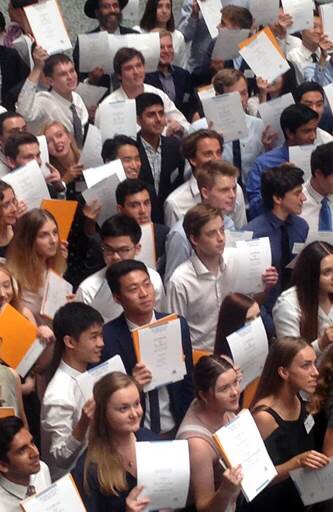
HSC results 2016: Parramatta students top the state: The full list of First In Course


THE top achievers for the HSC have been announced across 74 schools.

One hundred and twenty nine First In Course certificates were handed out this afternoon, with 34 going to government schools and 40 going to Catholic and Independent schools.

Eleven students from the Parramatta and Cumberland areas placed first in the state in an HSC subject.

Jamie Lipsham, 18, from Cerdon College in Merrylands, took out first in entertainment industry examination, which she said has helped her realise what she would like to study after high school.

“I want to study a double degree in sound design when I go to university, so having this course available has meant I could see what it was like, and I really liked it.

“I was so stocked when I found out I was first,” she said.

“I think a lot of the students would say that having a fun class, with great teachers helps get good results, that’s what happened for me.”

Trent Hugler from Parramatta High School claimed first in ancient history, Mona Al-Sulaiman from Al-Faisal College in Auburn was first in Arabic continuers, and Jimin Cha, from The King’s School placed first in Chinese continuers.

“It feels like a weight off my mind,” Jimin said.

“I can say that I did my job for my school and my teachers by doing well.”

Sydney Grammar School was awarded seven certificates, while Fort St High School had four students receive the honour.

Faces of the future. Some of the 129 students who topped their subjects in the 2016 HSC course.

James Ruse Agricultural High School also had four, while Sydney Girls High School had three students receive certificates.

James Ruse High School in Carlingford had four students receiving awards including first in chemistry, Rohan Krishnaswamy; first in mathematics extension 2, Kevin Xian; first in economics, Spencer Hu; and first in information processes and technology, Albert Fung.

Other top students include Alessandro Sobral, first in studies of religion 1 from Parramatta Marist; Cindy Li, first in English as a second language from Carlingford High School and Maryam Mehrabani, first in Persian background speakers from Arthur Phillip High School.

Education Minister Adrian Piccoli said: “This is a proud day for all the students who archived a First in Course result, as well as for families and their teachers,” he said.

“It is an incredible achievement.”

DOWNLOAD THE FULL FIRST IN COURSE LIST HERE

He used the opportunity to point to reforms being introduced from next year which will require Year 9 students to achieve a Band 8 in NAPLAN to be able to sit the HSC.

THE 2016 HSC ALL-ROUND ACHIEVERS LIST (PDF)

“It’s always about preparation, can we help students be better prepared for their HSC … Yes we can,” he said.

“It’s about making sure students have the fundamentals in early high school, if you have that preparation right … The stress on you is going to be less.”

The top achievers for the HSC have been announced across 74 schools.

One standout was 16-year-old Finnegan Waugh who sat the HSC maths exam in Year 11 and managed to top the subject.

The St Joseph’s College, Hunters Hill, student was described as “incredibly bright”.

“Throughout the course Finn was always humble, polite, hardworking and generous to his peers,” his teacher Magdy Habib said.

Hunter students top Higher School Certificate 2016

Three Hunter students have received first place in the state in their subjects
HUNTER students have outsmarted thousands across the state to receive first place in a range of HSC subjects.

Alexander Young from Newcastle Grammar topped the state in Music 1.

Hannah O’Callaghan from All Saints College St Mary’s Campus received first place in Studies of Religion 1.

Olivia Cowie from Maitland Grossman High came equal first in the Entertainment Industry exam.

The students were awarded at a ceremony in Sydney on Wednesday.

Students will receive their HSC results online, by email and through text from 6am on Thursday.

Students will receive their Australian Tertiary Admission Rank from 6am on Friday.

Source: SMH

Australia’s 50 highest paid jobs revealed in Tax Office data

December 2, 2016

There are big bucks to be made if you’re lucky enough to nab one of these jobs.

ORDINARY Australians are struggling to make ends meet as wage growth stagnates and the cost of living soars but the one per cent are living large.

And while the true rich listers have their earnings tied up in complex company structures, the tax returns of the nation’s top salary earners reveal that they are living very comfortably indeed.

With high rates of underemployment, many ordinary workers would need to add an extra zero to their pay packet to match these earnings.

The latest Tax Office data reveals that male neurosurgeons have the best-paid job in the country, taking home a whopping $577,674 a year.

For women, it’s judges who lead the pack with $355,844, confirming the age-old cliche that studying law or medicine is the ticket to a life of comfort.

The gender pay gap is writ large in the results, with female neurosurgeons taking home just 56 per cent of their male counterparts’ salary, despite being the second-highest-paid professional women.

Medical specialists dominate the list of the 50 highest paid men’s jobs, with investment bankers, MPs, chief executives, dentists, company secretaries and mining engineers also making the list.

The worst-paid jobs involved manual labour and traineeships, many of them in industries that tend to employ part-time workers including fruit pickers, farm overseers, leaflet or newspaper deliverers, crossing supervisors, fast food cooks, dishwashers and kitchen hands.

Men and women in these positions reported earnings of a measly $13,307 to $20,575 a year.

Ordinary Aussies are struggling to make ends meet as wage growth stagnates and the cost of living soars.

Ordinary Aussies are struggling to make ends meet as wage growth stagnates and the cost of living soars.Source:Supplied

AUSTRALIA’S 50 BEST-PAID JOBS

Men

Neurosurgeon $577,674

Ophthalmologist $552,947

Cardiologist $453,253

Plastic and reconstructive surgeon $448,530

Gynaecologist; Obstetrician $446,507

Otorhinolaryngologist $445,939

Orthopedic surgeon $439,629

Urologist $433,792

Vascular surgeon $417,524

Gastroenterologist $415,192

Diagnostic and interventional radiologist $386,003

Dermatologist $383,880

Judge — law $381,323

Anaesthetist $370,492

Cardiothoracic surgeon $358,043

Surgeon — general $357,996

Specialist physicians — other $344,860

Radiation oncologist $336,994

Medical oncologist $322,178

Securities and finance dealer $320,452

Thoracic medicine specialist $315,444

Specialist physician — general medicine $315,114

Intensive care specialist $308,033

Renal medicine specialist $298,681

Neurologist $298,543

Financial investment manager $288,790

Investment broker $286,530

Paediatric surgeon $282,508

Clinical haematologist $271,738

Futures trader $264,830

Endocrinologist $258,972

Cricketer $257,527

Rheumatologist $256,933

Dental specialist $253,442

Magistrate $246,737

Equities analyst; Investment dealer $245,826

Paediatrician $239,405

Stock exchange dealer; Stockbroker $238,192

Psychiatrist $234,557

Emergency medicine specialist $232,595

Member of Parliament $232,093

Pathologist $224,378

Company secretary — corporate governance $218,432

State governor $212,652

Actuary $196,144

Sports physician $187,468

Petroleum engineer $185,808

Chief executive officer; Executive director; Managing director; Public servant — secretary or

deputy secretary $181,849

Mining production manager $179,439

For women, it’s judges who lead the pack with $355,844 a year.

For women, it’s judges who lead the pack with $355,844 a year.Source:News Limited

Women

Judge — law $355,844

Neurosurgeon $323,682

Plastic and reconstructive surgeon $281,608

Futures trader $281,600

Vascular surgeon $271,529

Gynaecologist; Obstetrician $264,628

Gastroenterologist $260,925

Magistrate $260,161

Anaesthetist $243,582

Ophthalmologist $217,242

Cardiologist $215,920

Urologist $213,094

Surgeon — general $210,796

Medical oncologist $208,612

Specialist physicians — other $207,599

Specialist physician — general medicine $207,225

Otorhinolaryngologist $200,136

Dermatologist $195,030

Diagnostic and interventional radiologist $180,695

Cardiothoracic surgeon $175,500

Paediatric surgeon $175,314

Endocrinologist $174,542

Member of Parliament $173,331

Rheumatologist $169,409

Intensive care specialist $169,369

Emergency medicine specialist $165,786

Orthopedic surgeon $159,479

Neurologist $155,217

Renal medicine specialist $155,133

Psychiatrist $152,437

Clinical haematologist $147,970

Paediatrician $147,347

Securities and finance dealer $145,208

Dental specialist $140,505

Actuary $136,819

Radiation oncologist $135,678

Financial investment manager $134,481

Petroleum engineer $133,315

Mining production manager $133,061

General medical practitioner $129,834

Thoracic medicine specialist $127,645

Stockbroker $124,433

Paving plant operator $123,281

Mining engineer $119,564

Tribunal member $119,219

Occupational medicine specialist; Public health physician; Sports physician $118,310

Geophysicist $117,575

General medical practitioner $184,639

Chief executive officer; Executive director; Managing director; Public servant — secretary or

deputy secretary $116,855

Metallurgist $110,359

Engineering manager $116,732

Source: news.com.au