Documentary Tells Little-known Story of Nazis Murdering the Jews of Kastoria [trailer]

A screening of the documentary titled Trezoros: The Lost Jews of Kastoria Greece is taking place the week of November 25 through December 1, at the Laemmle Music Hall Theater in Los Angeles.

Directed by Lawrence Russo and co-directed and produced by Larry Confino, the documentary chronicles the little-known story of the destruction of what was once a thriving Sephardic Jewish community in Greece in the town of Kastoria, where Christians and Jews lived side-by-side for over 2,000 years.

The tapestry of the town of Kastoria was forever changed when the invasion of the Axis forces took over Greece and eventually sent the Jewish population to its death at Nazi concentration camps.

The survivors themselves tells their stories in Trezoros which is accompanied by never-before-seen archival footage of the devastating events during World War II.

Official Website: trezoros.com/
Screening Venue: laemmle.com/films/41019

Background to Greek migration

The earliest records held by State Records relating to Greek people arriving in NSW are the convict indents for seven sailors from Hydra convicted at Malta in 1828 for piracy and transported for various terms. The sailors arrived in Sydney on 27 August 1829 on the Norfolk (2) (see Reel 398 or fiche 6720).

In 1837 they all received Absolute Pardons (see NSW Government Gazette, 21 December 1836) and the Imperial Government agreed to cover the cost of their passage back to England so they might return to Greece. Two of them — Androni Tu Malonis and Ghicas Bulgaris — remained in the colony while the other five men returned to Greece. Androni Tu Malonis and Ghicas Bulgaris were among the first Greeks to be naturalised.

The correspondence relating to their pardons and the arrangements for the passage of the five men to England are in the Colonial Secretary’s Correspondence, 1837 [4/2354.1].

The Despatch from the Secretary of State to Governor Bourke concerning the pardons is in Despatches received from the Secretary of State, 1836 [4/1301 No 174].

Other types of records where there may be references to Greek immigrants include records relating to the oyster-culture and trawling industries in NSW (see Archives Investigator under Agency No. 1847, Fisheries Branch). The record series Files relating to licences for theatres and public halls includes files relating to the Greek Orthodox Church Hall (St Raphels School), Liverpool and Greek Orthodox Church Community Hall, Bankstown. For more information consult Archives Investigator.

Early Greek convicts

img_0158


The World’s Billionaires 2016 – Forbes

Rank Name Net Worth Age Source Country of Citizenship


#1 Bill Gates $75 B 61 Microsoft United States
#2 Amancio Ortega $67 B 80 Zara Spain
#3 Warren Buffett $60.8 B 86 Berkshire Hathaway United States
#4 Carlos Slim Helu $50 B 76 telecom Mexico
#5 Jeff Bezos $45.2 B 52 Amazon.com United States
#6 Mark Zuckerberg $44.6 B 32 Facebook United States
#7 Larry Ellison $43.6 B 72 Oracle United States
#8 Michael Bloomberg $40 B 74 Bloomberg LP United States
#9 Charles Koch $39.6 B 81 diversified United States
#9 David Koch $39.6 B 76 diversified United States

#11 Liliane Bettencourt $36.1 B 94 L’Oreal France
#12 Larry Page $35.2 B 43 Google United States
#13 Sergey Brin $34.4 B 43 Google United States
#14 Bernard Arnault $34 B 67 LVMH France
#15 Jim Walton $33.6 B 68 Wal-Mart United States
#16 Alice Walton $32.3 B 67 Wal-Mart United States
#17 S. Robson Walton $31.9 B 72 Wal-Mart United States
#18 Wang Jianlin $28.7 B 62 real estate China
#19 Jorge Paulo Lemann $27.8 B 77 beer Brazil
#20 Li Ka-shing $27.1 B 88 diversified Hong Kong

#21 Beate Heister & Karl Albrecht Jr. $25.9 B – supermarkets Germany
#22 Sheldon Adelson $25.2 B 83 casinos United States
#23 George Soros $24.9 B 86 hedge funds United States
#24 Phil Knight $24.4 B 78 Nike United States
#25 David Thomson $23.8 B 59 media Canada
#26 Steve Ballmer $23.5 B 60 Microsoft United States
#27 Forrest Mars, Jr. $23.4 B 85 candy United States
#27 Jacqueline Mars $23.4 B 77 candy United States
#27 John Mars $23.4 B 81 candy United States
#30 Maria Franca Fissolo $22.1 B 98 Nutella, Chocolates Italy

#31 Lee Shau Kee $21.5 B 88 real estate Hong Kong
#32 Stefan Persson $20.8 B 69 H&M Sweden
#33 Jack Ma $20.5 B 52 e-commerce China
#34 Theo Albrecht, Jr. $20.3 B 65 Aldi, Trader Joe’s Germany
#35 Michael Dell $19.8 B 51 Dell United States
#36 Mukesh Ambani $19.3 B 59 petrochemicals, oil & gas India
#37 Leonardo Del Vecchio $18.7 B 81 eyeglasses Italy
#38 Susanne Klatten $18.5 B 54 BMW, pharmaceuticals Germany
#39 Georg Schaeffler $18.1 B 52 automotive Germany
#40 Paul Allen $17.5 B 63 Microsoft, investments United States

#41 Prince Alwaleed Bin Talal Alsaud $17.3 B 61 investments Saudi Arabia
#42 Joseph Safra $17.2 B 77 banking Brazil
#43 Carl Icahn $17 B 80 investments United States
#44 Laurene Powell Jobs $16.7 B 53 Apple, Disney United States
#44 Dilip Shanghvi $16.7 B 61 pharmaceuticals India
#46 Ma Huateng $16.6 B 45 internet services China
#47 Dieter Schwarz $16.4 B 77 retail Germany
#48 Ray Dalio $15.6 B 67 hedge funds United States
#48 Stefan Quandt $15.6 B 50 BMW Germany
#50 James Simons $15.5 B 78 hedge funds United States

#51 Aliko Dangote $15.4 B 59 cement, sugar, flour Nigeria
#51 Michael Otto $15.4 B 73 retail, real estate Germany
#53 Len Blavatnik $15.3 B 59 diversified United States
#54 Donald Bren $15.1 B 84 real estate United States
#55 Azim Premji $15 B 71 software services India
#56 Serge Dassault $14.7 B 91 aviation France
#57 Tadashi Yanai $14.6 B 67 retail Japan
#58 Cheng Yu-tung $14.5 B 91 diversified Hong Kong
#58 Hinduja family $14.5 B – Hinduja Group United Kingdom
#60 Leonid Mikhelson $14.4 B 61 gas, chemicals Russia

#60 David & Simon Reuben $14.4 B 73 investments, real estate United Kingdom
#62 Stefano Pessina $13.4 B 75 drugstores Italy
#63 Mikhail Fridman $13.3 B 52 oil, banking, telecom Russia
#64 Dietrich Mateschitz $13.2 B 72 Red Bull Austria
#65 Abigail Johnson $13.1 B 54 money management United States
#65 Kjeld Kirk Kristiansen $13.1 B 68 Lego Denmark
#65 Joseph Lau $13.1 B 65 real estate Hong Kong
#68 Gerald Cavendish Grosvenor $13 B 64 real estate United Kingdom
#68 Thomas & Raymond Kwok $13 B – real estate Hong Kong
#68 Marcel Herrmann Telles $13 B 66 beer Brazil

#71 Henry Sy $12.9 B 92 SM Investments Corporation Philippines
#72 Steve Cohen $12.7 B 60 hedge funds United States
#73 Pallonji Mistry $12.5 B 87 construction Ireland
#73 Hans Rausing $12.5 B 90 packaging Sweden
#73 Alisher Usmanov $12.5 B 63 steel, telecom, investments Russia
#76 Charlene de Carvalho-Heineken $12.3 B 62 Heineken Netherlands
#77 Charles Ergen $12.2 B 63 satellite TV United States
#78 Ronald Perelman $12.1 B 73 leveraged buyouts United States
#78 Vladimir Potanin $12.1 B 55 metals Russia
#80 Stephen Ross $12 B 76 real estate United States

#81 Patrick Soon-Shiong $11.9 B 64 pharmaceuticals United States
#82 Masayoshi Son $11.7 B 59 internet, telecom Japan
#82 Heinz Hermann Thiele $11.7 B 75 brakes Germany
#84 Francois Pinault $11.5 B 80 retail France
#85 David Tepper $11.4 B 59 hedge funds United States
#85 Gennady Timchenko $11.4 B 64 oil & gas Russia
#87 Carlos Alberto Sicupira $11.3 B 68 beer Brazil
#88 Shiv Nadar $11.1 B 71 software services India
#88 Thomas Peterffy $11.1 B 72 discount brokerage United States
#90 Robin Li $11 B 48 internet search China

#90 Alain Wertheimer $11 B 68 Chanel France
#90 Gerard Wertheimer $11 B 65 Chanel France
#93 Alexey Mordashov $10.9 B 51 steel, investments Russia
#94 Elon Musk $10.7 B 45 Tesla Motors United States
#94 Charoen Sirivadhanabhakdi $10.7 B 72 beverages Thailand
#96 Petr Kellner $10.6 B 52 banking, insurance Czech Republic
#96 Rupert Murdoch $10.6 B 85 media United States
#98 Viktor Vekselberg $10.5 B 59 metals, energy Russia
#99 Lukas Walton $10.4 B 30 Wal-Mart United States
#100 Eric Schmidt $10.2 B 61 Google United States

#101 Iris Fontbona $10.1 B 73 mining Chile
#101 Massimiliana Landini Aleotti $10.1 B 73 pharmaceuticals Italy
#103 Mike Adenuga $10 B 63 telecom, oil Nigeria
#103 Klaus-Michael Kuehne $10 B 79 shipping Germany
#103 Robert Kuok $10 B 93 palm oil/shipping/real estate Malaysia
#103 Samuel Newhouse, Jr. $10 B 89 media United States
#107 Lei Jun $9.8 B 46 smartphones China
#108 Philip Anschutz $9.7 B 76 investments United States
#108 Jim Kennedy $9.7 B 69 media United States
#108 Blair Parry-Okeden $9.7 B 66 media United States

#108 John Paulson $9.7 B 60 hedge funds United States
#112 Lee Kun-Hee $9.6 B 74 Samsung South Korea
#113 Hasso Plattner $9.5 B 72 software Germany
#113 Stephen Schwarzman $9.5 B 69 investments United States
#115 Andrew Beal $9.4 B 64 banks, real estate United States
#116 Vladimir Lisin $9.3 B 60 steel, transport Russia
#116 John Menard, Jr. $9.3 B 76 retail United States
#116 Donald Newhouse $9.3 B 86 media United States
#116 Udo & Harald Tschira $9.3 B – Software Germany
#116 Galen Weston $9.3 B 76 retail Canada

#121 German Larrea Mota Velasco $9.2 B 63 mining Mexico
#122 He Xiangjian $9 B 74 home appliances China
#122 Leonard Lauder $9 B 79 Estee Lauder United States
#124 Vagit Alekperov $8.9 B 66 oil Russia
#124 Dustin Moskovitz $8.9 B 32 Facebook United States
#124 Luis Carlos Sarmiento $8.9 B 83 banking Colombia
#127 Gina Rinehart $8.8 B 62 mining Australia
#128 German Khan $8.7 B 55 oil, banking, telecom Russia
#129 Ernesto Bertarelli $8.6 B 51 biotech, investments Switzerland
#129 Hui Ka Yan $8.6 B 58 real estate China

#129 Jan Koum $8.6 B 40 WhatsApp United States
#129 Xavier Niel $8.6 B 49 internet, telecom France
#133 John Fredriksen $8.5 B 71 shipping Cyprus
#133 Cyrus Poonawalla $8.5 B 75 vaccines India
#135 Gianluigi & Rafaela Aponte $8.4 B – shipping Switzerland
#135 Lakshmi Mittal $8.4 B 66 steel India
#135 Eyal Ofer $8.4 B 66 real estate, shipping Israel
#138 Mohammed Al Amoudi $8.3 B 70 oil, diversified Saudi Arabia
#139 Hank & Doug Meijer $8.2 B – supermarkets United States
#139 Andrey Melnichenko $8.2 B 44 coal, fertilizers Russia

#141 William Ding $8.1 B 45 online games China
#141 R. Budi Hartono $8.1 B 75 banking, tobacco Indonesia
#141 Reinhold Wuerth $8.1 B 81 fasteners Germany
#144 James Goodnight $8 B 73 software United States
#144 Johann Graf $8 B 69 gambling Austria
#146 Michael Hartono $7.9 B 77 tobacco, banking Indonesia
#146 Dietmar Hopp $7.9 B 76 software Germany
#148 Stanley Kroenke $7.7 B 69 sports, real estate United States
#148 Dmitry Rybolovlev $7.7 B 50 fertilizer Russia
#148 Suh Kyung-Bae $7.7 B 53 cosmetics South Korea

#151 Roman Abramovich $7.6 B 50 steel, investments Russia
#151 Emmanuel Besnier $7.6 B 46 cheese France
#151 Lui Che Woo $7.6 B 87 casinos Hong Kong
#151 Robert & Philip Ng $7.6 B – real estate Singapore
#151 Mikhail Prokhorov $7.6 B 51 investments Russia
#151 August von Finck $7.6 B 86 investments Germany
#157 Ken Griffin $7.5 B 48 hedge funds United States
#158 Ananda Krishnan $7.4 B 78 telecom Malaysia
#159 Eli Broad $7.3 B 83 investments United States
#159 Thomas Frist, Jr. $7.3 B 78 health care United States

#159 Herbert Kohler, Jr. $7.3 B 77 plumbing fixtures United States
#159 Harry Triguboff $7.3 B 83 property Australia
#163 Edward Johnson, III. $7.2 B 86 money management United States
#163 Pierre Omidyar $7.2 B 49 eBay United States
#163 Takemitsu Takizaki $7.2 B 71 sensors Japan
#163 Wang Wenyin $7.2 B 48 mining, copper products China
#167 Micky Arison $7.1 B 67 Carnival Cruises United States
#167 George Kaiser $7.1 B 74 oil & gas, banking United States
#167 Les Wexner $7.1 B 79 retail United States
#170 Alberto Bailleres Gonzalez $6.9 B 85 mining Mexico

#171 Dhanin Chearavanont $6.8 B 77 diversified Thailand
#171 Margarita Louis-Dreyfus $6.8 B 54 commodities Switzerland
#173 Alexei Kuzmichev $6.7 B 54 oil, banking, telecom Russia
#174 Nicky Oppenheimer $6.6 B 71 diamonds South Africa
#174 Peter Woo $6.6 B 70 real estate Hong Kong
#176 Jean-Claude Decaux $6.5 B 78 advertising France
#176 David Geffen $6.5 B 73 entertainment United States
#178 James Chambers $6.4 B 59 Media United States
#178 Walter Droege $6.4 B 64 Consulting Germany
#178 Graeme Hart $6.4 B 61 investments New Zealand

#178 Sandra Ortega Mera $6.4 B 48 Zara Spain
#178 Katharine Rayner $6.4 B 71 media United States
#178 Margaretta Taylor $6.4 B 74 media United States
#184 John Grayken $6.3 B 60 private equity Ireland
#184 Uday Kotak $6.3 B 57 banking India
#184 Liu Qiangdong $6.3 B 42 e-commerce China
#184 John Malone $6.3 B 75 cable television United States
#188 Silvio Berlusconi $6.2 B 80 media Italy
#188 Garrett Camp $6.2 B 38 Uber Technologies Canada
#188 Curt Engelhorn $6.2 B 90 pharmaceuticals Germany

#188 Travis Kalanick $6.2 B 40 Uber Technologies United States
#188 Walter Kwok $6.2 B 66 real estate Hong Kong
#188 Eduardo Saverin $6.2 B 34 Facebook Brazil
#188 Xu Shihui $6.2 B 58 snacks, beverages China
#188 Zong Qinghou $6.2 B 71 beverages China
#196 Giorgio Armani $6.1 B 82 Armani Italy
#196 Kumar Birla $6.1 B 49 commodities India
#196 Eva Gonda de Rivera $6.1 B – beverages Mexico
#196 Wolfgang Marguerre $6.1 B 75 pharmaceuticals Germany
#196 Hansjoerg Wyss $6.1 B 81 medical devices Switzerland

#201 Jay Y. Lee $6 B 48 Samsung South Korea
#201 Gordon Moore $6 B 87 Intel United States
#201 Frederik Paulsen $6 B 66 health care Sweden
#201 Tsai Eng-Meng $6 B 59 food, beverages Taiwan
#205 Patrick Drahi $5.9 B 52 telecom France
#205 Philip & Cristina Green $5.9 B 64 fashion retail United Kingdom
#205 Mikhail Gutseriev $5.9 B 58 oil, real estate Russia
#205 Shahid Khan $5.9 B 66 auto parts United States
#205 Richard LeFrak $5.9 B 71 real estate United States
#205 Tom & Judy Love $5.9 B 79 retail & gas stations United States

The richest Greeks in the world for 2016

Forbes presents for another year its list with the richest people in the world. This years list features 1,810 billionaires, down from a record 1,826 a year ago. Their aggregate net worth was $6.48 trillion, $570 billion less than last year. It was also the first time since 2010 that the average net worth of a billionaire dropped – it is now $3.6 billion, $300 million less than last year. 10 Greeks are featured in the list.

See the Greeks in the Forbes 2016 World’s Billionaires:

1.Jim Davis

This year Jim Davis is on 286th place with 4.9 billion dollars while last year he was on 481 place (446 in 2014’s list). His fortune is estimated at $ 3,7 billion, while last year he had 3,4 billion. His parents moved to USA when his was a little boy. He is the owner of «New Balance».

2.John Catsimatidis

On this year’s list he is on 477 place with a fortune of 3,4 billion. Last year he was on 557 place (551 in 2014’s list).

3.John Paul DeJoria

On 559 place we find John Paul DeJoria. His fortune is estimated at $2,9 billion (551 place at 2014’s list with $3 billion). He was born to immigrant parents, a Greek mother and an Italian father. His main income source is John Paul Mitchell Systems, his hair products company. Actually, before building his business empire, he used to be a homeless guy living in his car.

4.Philip Niarchos

On place 688 we find Philip Niarchos with an estimated fortune of $2,5 billion (737 place at 2015’s list). He has in his art collection some of the most valuable paintings in the world.

5.Dean Metropoulos

Dean Metropoulos is 722 place with a fortune of $2,4 billion (he was on 1284 place at 2014’s list with $1,3 billion). He is the owner of Pabst Brewing, which produces more than 24 brands of beer and drinks. His family moved to USA when he was 9 years old. Read more about Dean Metropoulos here.

6.Spiros Latsis

This year he is on 906 place with a fortune of 2 billion. Last year he was on 782 place with $2,4 billion (506 place at 2014’s list with $3.2 billion). He was born in Athens and he is the son of Giannis Latsis.

7.George Argyros

He is on 1011 plce with a fortune estimated at 1,8 billion dollars. Last year he was on 979 place with a fortune estimated at $2 billion (731 place at 2014’s list with $2,4 billion). He deals with real estate and investments and had served as U.S. ambassador to Spain.

8.Alexander Spanos

He is on 1067 place with 1,7 billion dollars. Last year he was on place 1500 with 1.3 billion dollars (place 1465 at 2014’s list with $1,1 billion). He is the owner of San Diego Chargers.

9.Peter Peterson

Peter Peterson is on place 1121 with a fortune of 1,6 billion dollars. Last year he was on place 1054 with a fortune of $1,8 billion (796 place at 2014’s list with 2,2 billion dollars). He’s a businessman, banker, author and politician and has prominently served as the United States Secretary of Commerce from February 29, 1972 to February 1, 1973 under President Nixon. Currently he’s considered to be the most influential persona in the country.

10. Filaretos Kaltsidis

Until 2015 he was the richest Greek in the world and the 369 richest person in the world with a fortune of 4,4 billion dollars. This year he is on 1198 place with a dramatic fortune lose, as he now has 1,5 billion dollars. In 2014 list he was on 234 with total fortune of $6 billion. He holds both Greek and Russian citizenships. Kaltsidis’s Eurocement Holding AG is Russia’s largest producer of cement, with annual production capacity of 38 MT, expected to raise up to 50 MT in the near future according to corporate plan.

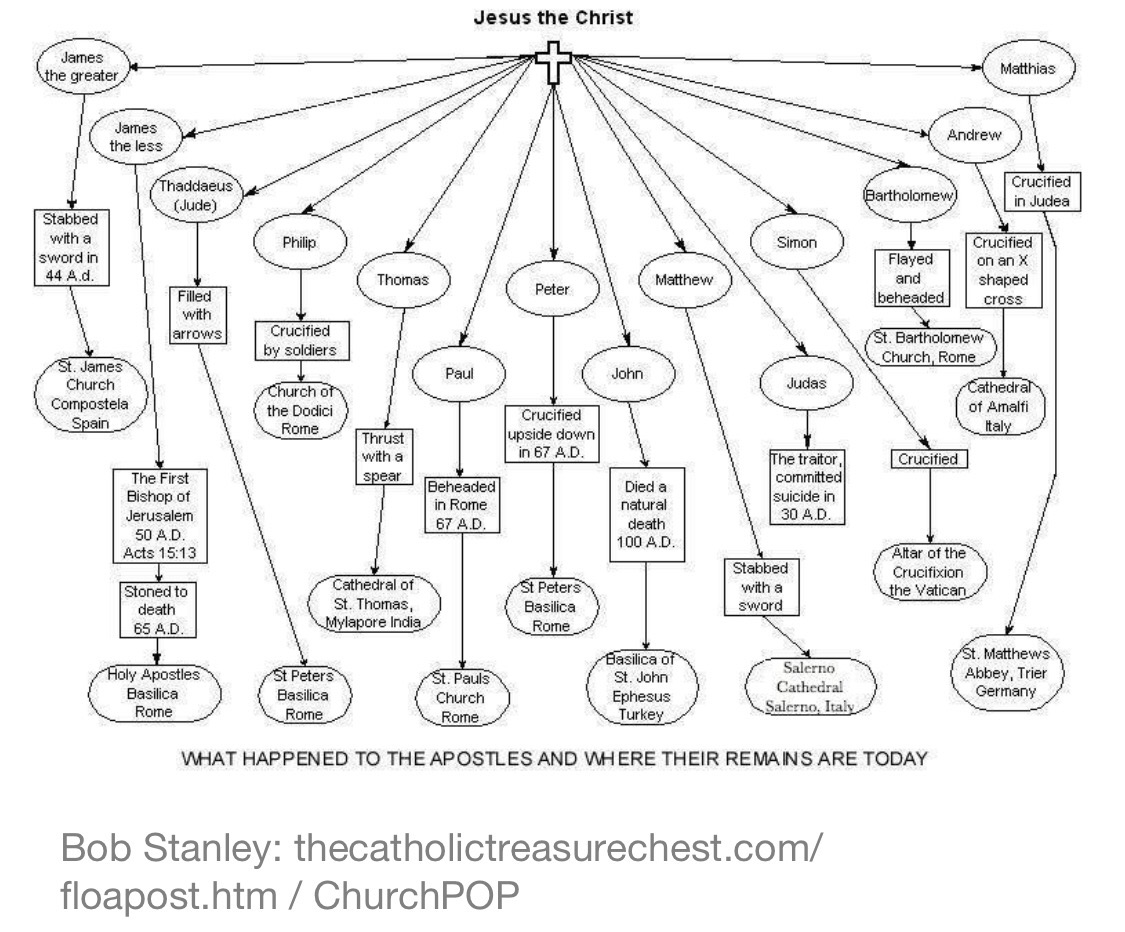
How All the Apostles Died & Where You Can Find Their Remains Today


DIAGRAM BELOW SHOWS YOU MORE

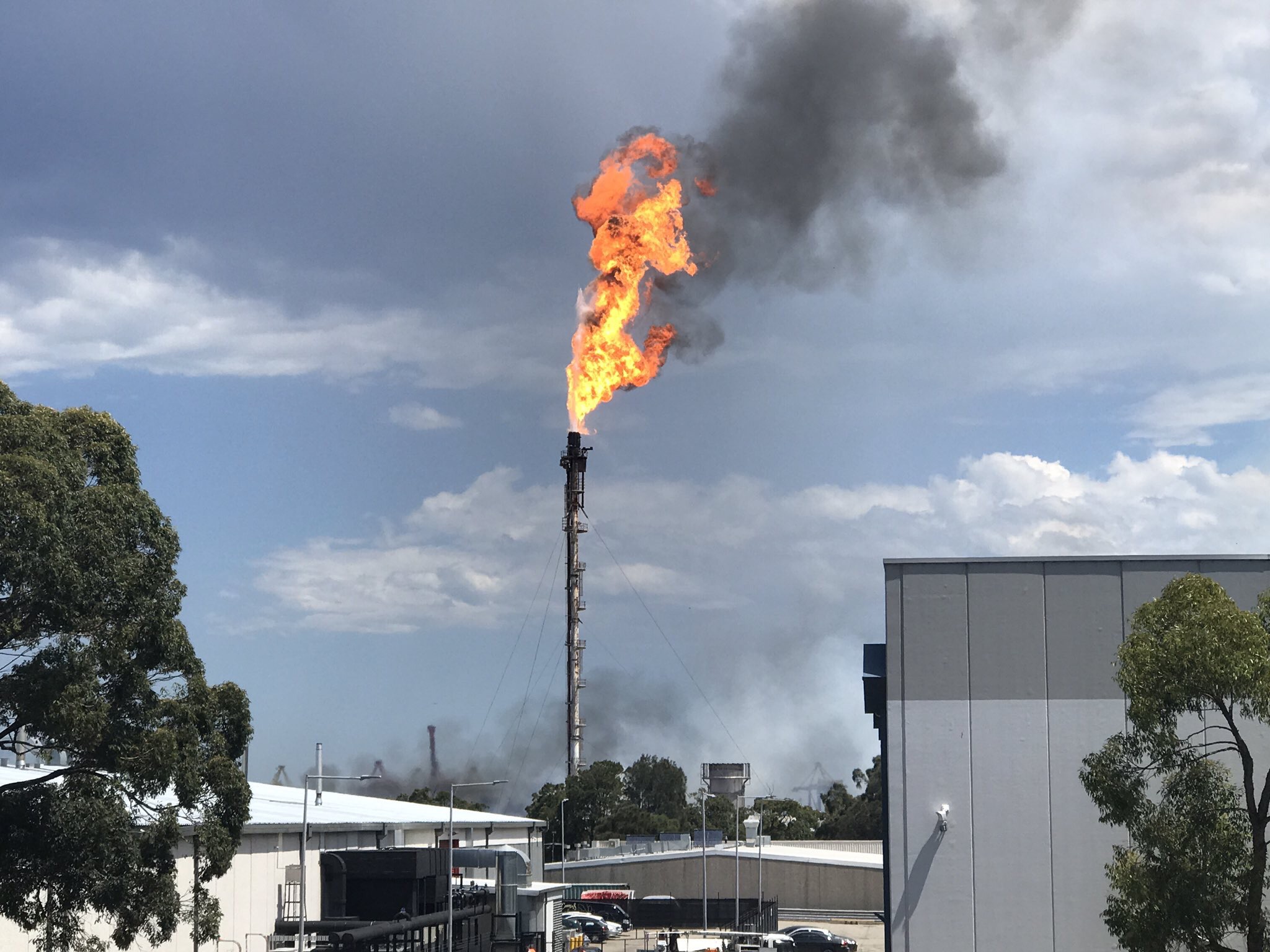
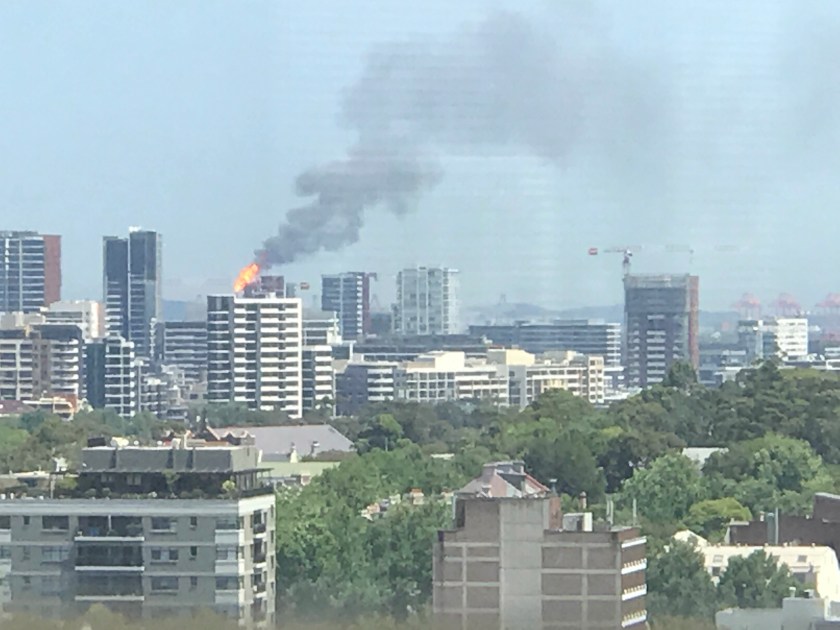
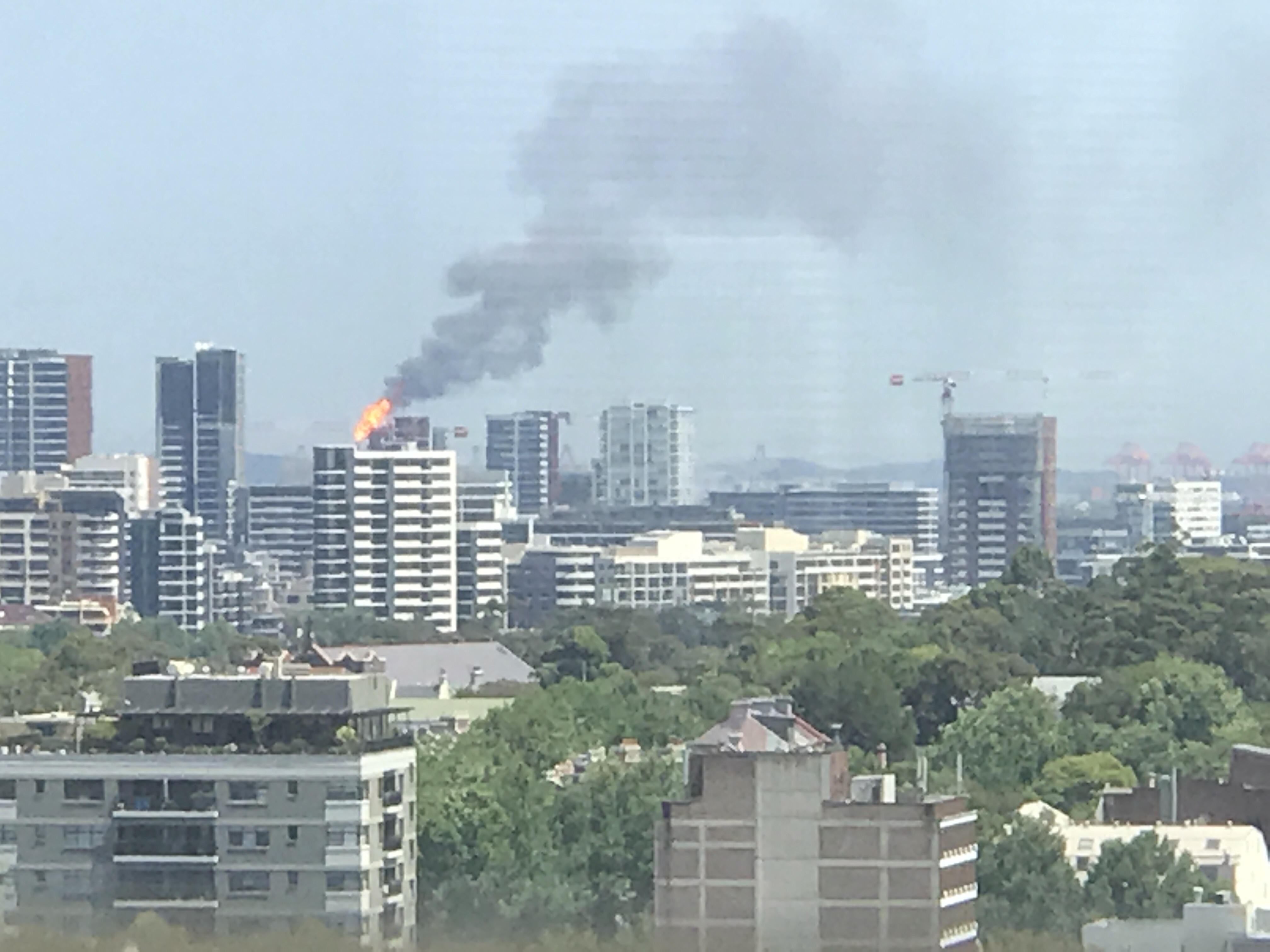
Big fire spotted in south Sydney near Pagewood in Sydney

Emergency services are responding to a fire near Pagewood. The flame is coming from an industrial stack, but the cause unknown.

A HUGE industrial fire has sent gigantic flames and plumes of smoke into the air across Sydney’s south.

NSW fire service said the flames are believed to be coming from a factory in Pagewood near Botany, in a “flare burn” to clear out the chimneys.

VIDEO

Nick Georgalis: Meet the richest Greek Australian under 40

The son of Greek migrants is raising the bar on a mission to reshape the future of Canberra

According to The Business Review Weekly’s (BRW) Young Rich List for 2016, Greek Australian businessman Nick Georgalis is among the nation’s wealthiest young entrepreneurs, ranking at number 17 with assets worth an astonishing $144 million dollars.

Although this is the third time the entrepreneur has been featured on the prestigious list, what really stands out is that the 40-year-old businessman has managed to double his assets in just 12 months, climbing from 36th place to number 17, reaching a new milestone with a $72 million increase in his asset value.

The founder and managing director of Canberra-based construction giant Geocon is also the highest-achieving Greek Australian and the driving force behind some of the most exciting and ground-breaking residential, commercial and retail projects within the ACT.

Born and raised in Canberra, the son of Greek migrants from the area around Kalambaka, in the municipality of Trikala in Thessaly, started his career as a real estate agent and remains passionate about the construction and building industry.

In an exclusive interview with Neos Kosmos, Georgalis talks about his journey towards success, his future plans and his dream in creating a progressive and vibrant future for Canberra.

How does it feel to be included in the BRW Young Rich List for 2016?
It is always rewarding to be recognised for hard work but this accomplishment represents the enormous network of support that has been created through Geocon and how our projects are contributing to the growth of Canberra in the years to follow.

How would you describe Geocon today?
Geocon is Canberra’s powerhouse integrated property enterprise with capabilities across development, construction, hospitality management and investment. Our hallmark is architecturally stunning buildings that deliver a new standard of contemporary living. We set the benchmark for high-rise residential and hotel accommodation in Canberra, and we continue to raise the bar.

Founded on a strong entrepreneurial culture, we believe in continually breaking new ground. From our earliest days in construction, to the formation of Geocon a decade ago, we are passionate about our city and building its future. We deliver a level of amenity and quality inclusions that is unparalleled in Canberra and we are leaders in sustainability, client service, project execution and pricing. At Geocon, exceptional is the norm.

When did you start your business and to what would you attribute the secret of your success?
I started this business in 2007 with a turnover of $5 million and five people working in my business. Today we have 220 people and a turnover of $200 – $250 million per annum. We are the developer, the builder and the hoteliers and don’t rely on contracting out any of those components of what we do. As I always say, I am quite fortunate that the best in the business want to work for Geocon and be part of our story.

Tell us a little more about your new project and any other new projects coming up.
The Wayfarer project in Belconnen that we are currently working on is, at 27 stories, the tallest tower in Canberra, with 331 apartments and a value of $145 million. This project is close to sold out and completing in December this year.

We currently have three projects under construction − Wayfarer in Belconnen with 331 apartments, Southport in Tuggeranong with 360 apartments and Infinity in Gungahlin with 424 apartments, totalling more than 1,100 apartments under construction. All these projects are the tallest towers in each area. There is a pipeline of 2,000 apartments and hotels rooms on top of what is currently under construction, with a value in excess of $1 billion dollars that will be delivered over the next few years in Canberra.

The most exciting project is our Section 200 project in the Belconnen town centre, with 1,300 apartments, hotel, retail, commercial and car park that will be released next year. Again, we will be pushing the height limit in Canberra on this project and hoping to commence construction mid-2017.

How hard was it to get to where you are at today and which elements make your business so successful ten years later?
We are still a very young business. We are only ten years old and it hasn’t been easy to get to where we are today, nor will it be easy to keep delivering the ambitious projects we are currently delivering and have in the pipeline.

I have always been quite fortunate in attracting the best talent across all sectors of industry to work with me. Having hard working and committed people working alongside me makes the journey much easier.

How many people do you have working with you at the moment?
Geocon and Abode Hotels currently have 220 direct employees, and by 2020 we are anticipating to have about 450 direct employees. At any one time we have over 1,000 people working across our projects as contractors on top of this.

What advice would you give to young entrepreneurs taking their first steps in business today?
The most valuable thing a business has is its people. You will find that most businesses are not factories that rely on machinery to deliver their product but need people to do this. So, keep investing in your people and look after them. Surround yourself with good, hard-working, committed people who share your vision.

How connected are you with Greece and your heritage and cultural identity?
My mother and father are both immigrants to Australia and moved here in the ’70s when they were both young. They started a family here and brought with them the strong culture that all Greeks inherit and share with their families, so we always stay quite close and connected to Greek culture and its origins. My children have all been to Greece recently and I was able to share with them the experiences I also had when I was a young boy.

Source: NeosKosmos

Greek-Australian Scientist Publishes Study Highlighting Exercises That Can Save Your Life

heart attack

According to international research headed by Professor Emmanuel Stamatakis, a Greek-Australian scientist at Sydney University, tennis, swimming and aerobics are the three best sports for health. On the contrary, he notes, football and jogging are less beneficial and do not keep away the possibility of early death.

Details on his research were recently published in the British magazine British Journal of Sports Medicine and was compiled of analyzed data from over 80,300 people with an average age of 52. The study monitored the participants for nine years during which 8,790 died from several different reasons.

The study showed that the danger of death from health related causes decreased 47 percent in the group of individuals who engaged in playing tennis, squash or badminton and that tennis in particular reduces the chances of death from a cardiac disease by 56 percent.

Those individuals who opt to swim can expect a 28 percent decrease in dying from health related causes, which is similar to what individuals who participate in aerobics can expect as the study showed a 46 percent decrease.

Professor Stamatakis is a graduate from the Sports Science School of the University of Thessaloniki, which he completed in 1995. In 2002 he attended Bristol University where he completed his Ph.D, followed by teaching at the Epidemiology and Public Health Department of London University College. In 2013 he became a Professor at the University of Sydney, where he still teaches today.

Source: ANA-MPA

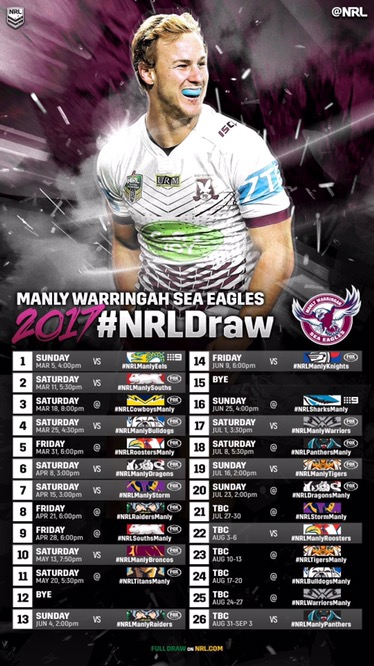
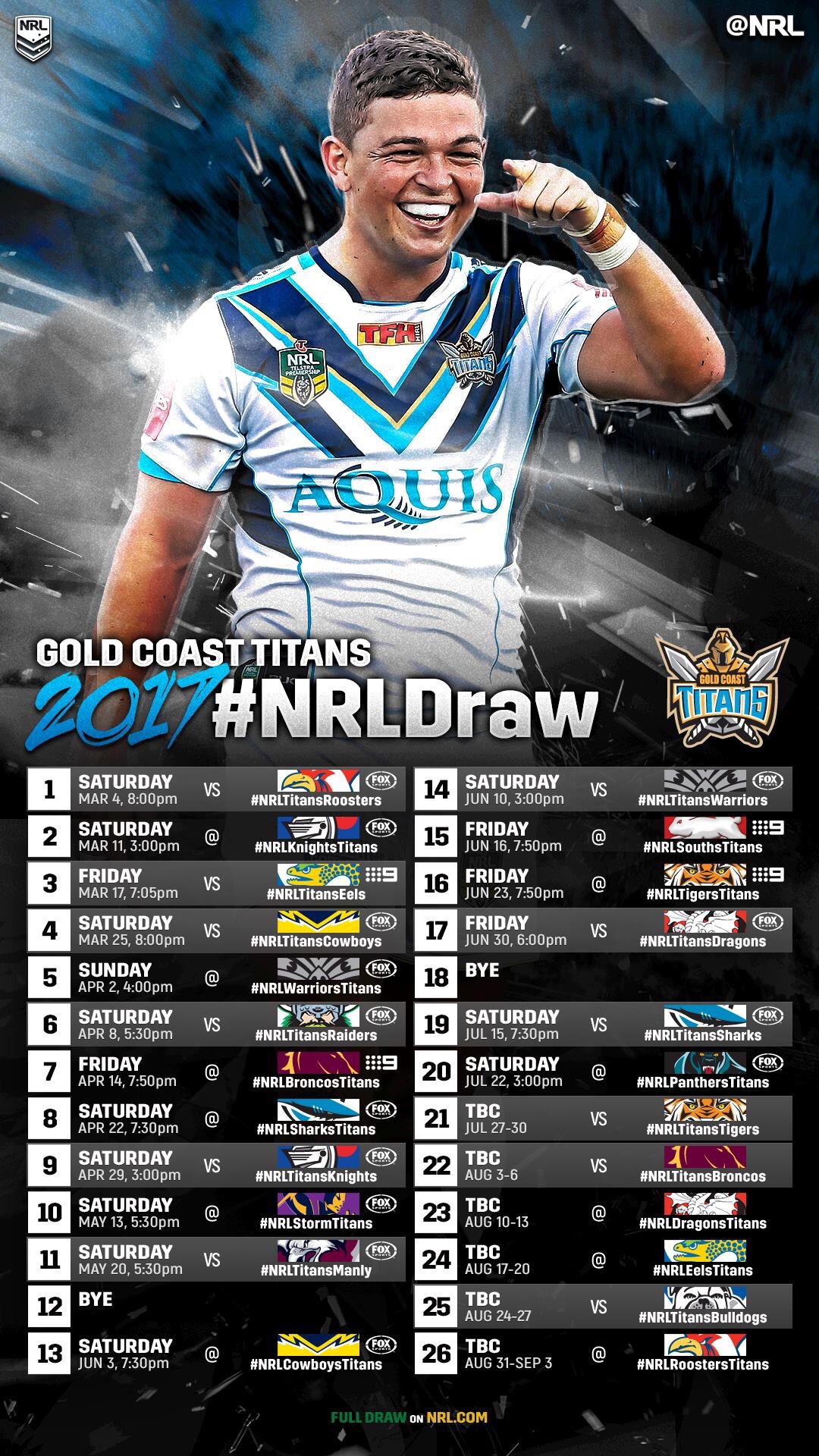
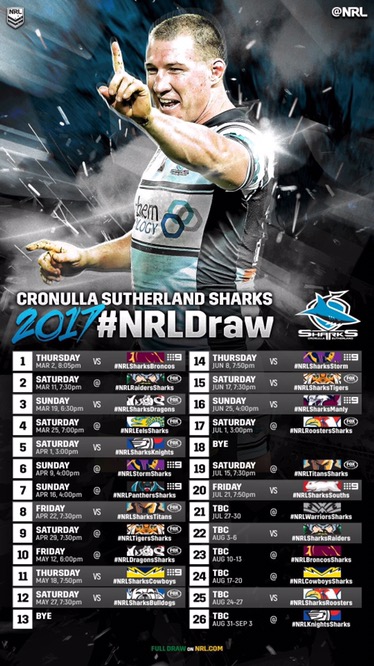
NRL DRAW TEAMS FOR 2017


Greece: Europe’s Newest Wine Country

by Bruce Schoenfeld
In Greece—between the Peloponnese, Macedonia, and the shores of Crete—T+L finds welcoming people, seductively simple food, and unforgettable Greek wines.

I might have fallen as hard for Plyto in a tasting room or over dinner at home, but the setting of our first encounter made it inevitable. I was on a sloop, sailing past the stone bastions of Spinalonga, the mysterious Venetian fortress off Crete’s northern coast. Friends I’d met just that afternoon had laid out meats and cheeses beside canapés that looked like miniature sculptures. The sea was shimmering, the sky a shade of El Greco blue.

Then came wine, from a grape variety I hadn’t encountered in two decades of seeking out the stuff around the world. Not only did Plyto have historic importance—found only on Crete, it was rescued from near extinction by a determined vine grower in the 1980’s—but its thirst-quenching, green-apple bite also made it the perfect beverage for a perfect moment.

But that’s Greece. You can visit more famous wineries elsewhere, and drink bottles far more renowned (and certainly more expensive) while eating elaborate meals in your fanciest clothes, yet I’ve found few places where exploring wine regions is more fun. Almost everywhere I went during my two-week journey, I found panoramic vistas, intriguing wines, and hospitality on an Olympian scale. (Driving in Macedonia, I stopped for gas, walked inside to pay, and found a family of five eating homemade lentil soup that they insisted I sample.) It isn’t all rustic tavernas and glorified pensiones, either. That sloop belonged to Elounda’s Blue Palace, a sumptuous, 251-room hotel on a hillside overlooking Spinalonga that ranks for sheer magnificence with anyplace I’ve ever stayed.

You’ve heard that wine tastes better where it’s produced, but that truism is especially valid in Greece. Greek food is famously simple: no elaborate postmodern constructions or complex sauces here. That leaves space for the wines to show themselves. And a palate needs steady exposure to get accustomed to the singular flavors of the country’s grapes. At home, compared with Pinot Noirs and Cabernets, Greek wines can seem rustic, unsubtle, even strange. But calibrate your taste to their sturdy architecture and you’ll start daydreaming about which to have with dinner.

America’s boom in fine Greek restaurants has helped lift the profile of Greek wine. “We’ve been making it for four thousand years, but still hardly anyone knows it,” lamented Yiannis Paraskevopoulos of Gaia Wines, which has wineries in the Peloponnese and on Santorini. But nobody needs to be sold on the charms of traveling in Greece. Though the financial crisis has cast a shroud over the tourism industry—and credit card machines, which create a record of a meal or hotel stay for tax purposes, seem to be “broken” at every turn—Greeks couldn’t treat a visitor badly if they tried. Here are three regions that combine delicious food and surpassing natural beauty with memorable hotels, and wines that might even make you fall in love.

The Peloponnese

Renaissance painters perceived Arcadia as a pastoral utopia. But as I gazed at jagged peaks and steep-walled valleys from the doorway of the tiny chapel in the Domaine Tselepos vineyard, or climbed a mountain road toward the Semeli winery’s eight-room inn past yellow and purple wildflowers and imposing rock escarpments, this fabled region of the Peloponnese had a distinctly primordial cast. Though much of modern civilization evolved here, it seemed only a thin veneer.

The Peloponnese, a peninsula of more than 8,000 square miles that fills the southern third of mainland Greece, has a rich history that dates to ancient times. Pan, the god of nature, is said to have sprung from the Arcadian forests. Sparta clashed with Athens on its plains, and Greek independence was fomented in its villages in the 1820’s. So it’s no accident that most of the grapes planted in the region are wholly and unabashedly Greek. “There are two approaches in Greece, international or indigenous varieties,” Paraskevopoulos said. “Here in the Peloponnese, we chose the second one. The hard one.”

In Mantineia, in the Arcadian hills near Tripoli, Moschofilero (mos-koe-fee-le-row) makes gorgeously transparent white wines. The best of them taste of the chilly summer nights that make the slow-ripening grapes among the last to be picked in all of Europe. Domaine Spiropoulos shares a plateau there with ancient ruins. An Athenian dentist started the winery on ancestral farmland in the 1980’s, working weekends to inculcate his son, Apostolos, in the culture of growing grapes and making wine.

At 39, Apostolos Spiropoulos now runs the estate. He throws dinner parties in the flower-filled courtyard, guides tours of the organically certified vineyards, and serves a bracing, unoaked version of Moschofilero that has the spine of a great Riesling. Taste it at the winery, then drink it by the bottle in the garden of the Taverna Klimataria Piteros, in Tripoli, alongside baked rooster, hand-cut pasta with a wisp of cinnamon, and bitter greens that coax sweet fruit out of the steel and flint.

In the valley below Mantineia sits Nemea, a red-grape region that extends almost to the edges of the port town of Nauplia (often spelled Nafplio or Nafplion). The dominant grape there, Agiorgitiko (ah-your-yee-ti-ko), can make a friendly but almost characterless wine that, in the wrong hands, is soft to the point of flabbiness. But the winemaker George Skouras does for that variety what The Simpsons did for cartoons, adding complexity without losing the spark that provides the fun. He started in 1986, applying lessons learned in enology school to the varieties of the region. Without realizing it, he’d joined a rising generation of winemakers around Greece who were attempting the same. “It became a movement,” he said. “Almost a revolution.”

Now Domaine Skouras makes some 700,000 bottles a year, while welcoming the waves of visitors who stop in at its showpiece facility, a 90-minute drive from Athens. What they find is a range of wines that use precision rather than power to seduce. “We’re a European winery, unabashedly,” Skouras said. What he meant became clear when he poured me his Grande Cuvée, made from Agiorgitiko grown in volcanic soil. I was startled to learn that this wine—so composed, so well bred—can be found stateside for less than $29 a bottle. Later, at one of the many restaurants that ring the Nauplia harbor, I drank a Skouras rosé that looked pink and fruity like bubble gum, but smelled like fresh-cut flowers.

Nauplia resembles a less tidy version of St.-Tropez, without the glitter. It has a latticework of cobblestoned streets, a few hotels with aspirations and many more pensiones with colored shutters and earnest breakfasts, and enough good eating for a week’s stay. I had my best meal there at Savouras, where customers are led to a vast wooden filing cabinet, the drawers of which are pulled open to reveal the day’s catch on ice. Prices are far from cheap—my grilled snapper weighed in at $55—but the only fresher fish you’ll find, I’m convinced, is on the boat that caught it.

Macedonia

Greek Macedonia isn’t a country; that’s the cumbersomely named (by UN decree) FYROM—former Yugoslav Republic of Macedonia—that borders it to the north. But geopolitics aside, perhaps it ought to be: this oblong region has the diversity of nations ten times its size. Fishing villages and beaches speckle the coastline; spits of land protrude into the Aegean like spiny fingers. Hilltop villages look out over forests roamed by chocolate-colored bears. Thessaloníki, Greece’s second-largest city, climbs the hills that rise from its harbor like a denser, even stronger-flavored Genoa or Trieste, while the understated beach resorts around it cater to an international crowd. The food, architecture, and language of the region reflect centuries of influence by Turks, Serbs, and Bulgars.

“Our goal is to get the city to understand and be proud of its past,” Yiannis Boutaris, Thessaloníki’s mayor, told me when we met over coffee and whiskey at a local café. A newcomer to politics after a life in wine, Boutaris can be understood best as Greece’s Robert Mondavi. Like Mondavi, he quarreled with his family, then left its industrial winery to compete against worldwide producers on quality, not volume. That’s where the parallel ends. Ever the iconoclast, Boutaris ceded control of his wine business to his son in order to serve as the only big-city mayor I know of who has a tattoo of a lizard crawling up his hand.

Thessaloníki’s forgotten past includes its connection to wine, which has been made nearby for centuries. Strolling its streets, reveling in the splendor of Greek and Roman ruins, Ottoman temples, and remnants of a once thriving Jewish presence, I encountered a jam of outdoor cafés, one pushed against the next, overflowing with men (and occasionally women) talking, playing cards or backgammon, and drinking coffee or ouzo, but rarely wine. As the hub of a wheel that leads to viticultural areas to the west, northwest, northeast, and south, the city is the ideal base for a tasting tour. Yet you’ll find more accomplished Greek wine on tables in midtown Manhattan.

Outside Thessaloníki, that heritage becomes evident. An hour to the west is Naoussa, where Boutaris started his Kir-Yianni winery. Here the clay soils and mountain breezes, along with water so pure that nobody bothers to buy it bottled, create ideal growing conditions for Xinomavro (zeeno-mav-ro), Greece’s most intriguing red grape. It’s an antisocial variety that greets you with a rush of fruit, then turns its back and bares its fangs. Still, as made by Kir-Yianni or the tiny Karydas Estate, a winery in a house near where Aristotle purportedly once tutored Alexander, Xinomavro shows a crystalline depth that recalls Italy’s Nebbiolo.

From there, I drove farther west and several hundred feet up to Amyndeo, the coolest wine region in Greece. In his zealously tended vineyards, Alpha Estate’s Angelos Iatridis grows a painter’s palette of varieties, from the indigenous Malagousia and Mavrodafne to Syrah, Pinot Noir, even Barbera. It’s an intriguing blend of the local and the international, and so was the dinner we shared at Kontosoros, in the neighboring town of Xino Nero. Many Greek meals are basic affairs, which made Kontosoros a particular find. Meatballs with saffron; pork tenderloin beside frumenty pasta of wheat and yogurt; and a salad of wax beans, capers, pistachios, and scallions were composed with the artfulness—and imagination—that elsewhere might earn chef Nikolaos Kontosoros a cooking show. It was the best meal I had in Greece.

The counterpoint to that ambitious food, and to the Alpine feel of Amyndeo and surrounding towns such as the delightful fairyland village of Nymfeo, was the fried mullet, grilled octopus, and other marine delights I devoured during my alfresco lunch at Agnandi. It overlooks the Aegean in Epanomi, south of Thessaloníki, in a setting of palm trees and striped awnings and rhythmic tides that could seem Caribbean. But the snap of fresh vegetables and the tang of feta is unmistakably Greek, and when it’s clear, you can see Mount Olympus.

Nearby, down a rock-strewn dirt road that looks like the direct route to Nowhere, are the ivy-covered stucco walls of Domaine Gerovassiliou, the region’s most attractive winery. The gardens are awash in color, the museum features an epic corkscrew collection, and the wines are nothing if not polished. On the veranda, sipping a glass of white Malagousia that tasted of lemons and rosewater, I found it easy to forget that bottled wine in Greece (as opposed to wine poured for customers into flasks or jugs) is just a few decades old. Yet viticulture in Macedonia is also an ancient endeavor, and the same characteristics in the land and climate that enticed the original Greeks to cultivate grapes beside the olive trees are at work today. “We’re starting to rebuild a tradition,” Boutaris told me. “We’re finding the special places that give special characteristics to the wines.” Little by little, the world is noticing.

Crete

If you visit only one destination in Greece, make it Crete. Sure, the trashy beach resorts and general decrepitude in and around Iráklion, the island’s biggest city, have a decidedly Third World air. Driving is perilous, meals can be overpriced, weather frustratingly erratic. Even its barren mountains can seem inhospitable and menacing.

But persevere. Crete is a special place, where the distilled essence of Greece is augmented by African, Turkish, and other influences. For wine drinkers, the island is like Darwin’s Galápagos. The catalogue of grape varieties found mostly, or only, on Crete is more varied than that of anywhere I’ve been. If you have even a vague interest in wine, a few days on the island are sure to bring out your inner geek. If you’re into it to begin with, well, it’s like finding buried treasure.

That’s how I felt when I tracked down Lyrarakis, the producer of that marvelous Plyto. I found the winery in the rural hills south of Iráklion, after my GPS had led me through a tangle of rutted roads. The winemaker met me bearing an armful of bottles, then went back for more, for Lyrarakis produces 17 different wines, none priced above $38. Soon I was immersed in a crash course in ampelography, the study and classification of grapevines. I tasted Vilana and Dafni, Vidiano and Kotsifali, Mandilari and Thrapsathiri—not one of which, as far as I’m aware, has ever been commercially planted in the United States. Some, such as the massively structured Mandilari and the Plyto, were good enough that I schemed to ship a case home.

Nearby, past the famous Knossos ruins (which, sadly, have been “restored” to the extent that you can’t tell whether a fresco is a 3,500-year-old original or a recent fabrication), is Boutari Wineries. The company owned by Yiannis Boutaris’s family makes 2 million bottles a year of Moschofilero alone, yet its glass-walled Cretan facility (one of several in Greece) feels surprisingly intimate. The featured players on the day I visited were an evanescent white blend called Fantaxometocho, colloquially referred to as “ghost wine,” and an impish middle-aged woman, Maria Konstantaki, who arrived from the kitchen bearing warm zucchini pie, bread with tomato and feta, and yogurt with sweet grapes. “Cuisine of the grandmother,” she called it, then gave me a hug to show she meant it.

After two nights at the Blue Palace, I moved to Earino, a three-cottage hilltop inn renowned for its farm-fresh food. A chapel the size of a magazine kiosk sits on the property, and one morning of my visit coincided with the only religious service held there each year, on the anniversary of the death of the proprietor’s mother. When I heard bells, I stepped outside my room to see villagers seated in metal chairs positioned around the courtyard. They were dressed in hand-sewn clothes of bright blue and white, the same hues as the sky above and the cottages around us. It might have been a hundred years ago, or a thousand.

A day later, in Canea, or Chania—a small coastal city of warrens and passages, blind alleys, souvenir shops, and restaurants serving provocatively traditional dishes such as spiced rabbit with escargot—I walked along a seawall to a lighthouse that had been built by the Egyptians. I checked in to Casa Delfino, a 17th-century Venetian mansion with a spa, an authentic Turkish hammam, 500-year-old stones, and a roof terrace. Then I drove into the hills to see the Manousakis Winery.

The scene was almost comically rustic. Picture an unsteady table in a backyard, flies buzzing, roosters crowing, apricots and lemons swaying drowsily from trees. Except that pouring me a glass of their Nostos wine was Alexandra Manousakis, a pretty 28-year-old from Washington, D.C., whose father, Ted, owns the Bread and Chocolate chain there. Nostos, it turns out, means nostalgia, which is what Ted, who left Crete for America at 11, felt keenly whenever he returned to visit. So he started a winery, and Alex, an NYU grad who had previously worked for a New York marketing firm, agreed to tend it.

Instead of local varieties, Ted planted the grapes of the Rhône. “My father wasn’t living here, so he had no loyalties to Greek grapes,” Alex told me. Nostos’s blend of Syrah, Mourvèdre, and Grenache, typically found in Châteauneuf-du-Pape, rumbled with dark earthiness, and the varietal Syrah showed all the requisite blue and black fruit.

Each time I took a sip, a rooster crowed. A few years before, newly relocated from Manhattan, Alex might have been startled. Now she just smiled and lifted an eyebrow, as if such a thing happened all the time on this magical island. Maybe it does. I wouldn’t be surprised.

Getting There

Fly in to Athens (ATH). The Peloponnese is an hour’s drive away, while nonstop flights serve Thessaloníki (SKG) and the Cretan cities of Canea (CHQ) and Iráklion (HER).
Getting Around

Driving in Greece is easy and pleasurable. Rental cars are a relative bargain, and companies seldom impose one-way drop-off charges.
The Peloponnese

Stay

Semeli Koutsi, Nemea; semeliwines.gr. $
Eat

Savouras 79 Bouboulinas St., Nauplia; 30-2752/027-704. $$

Taverna Klimataria Piteros 11 Kalavriton St., Tripoli; 30-271/022-2058. $$
Taste

Domaine Skouras Malandreni; skouraswines.com.

Domaine Spiropoulos Mantineia; domainspiropoulos.com.

Domaine Tselepos Rizes; tselepos.gr.

Gaia Wines Nemea; gaia-wines.gr.
Macedonia

Stay

Palea Poli A boutique pensione and restaurant perfectly situated in the center of Naoussa; the house-made yogurt at breakfast alone is worth the stay. Naoussa; paleapoli.gr. $
Eat

Agnandi Epanomi Beach, Thessaloníki; 30-2392/041-209. $$

Kontosoros Xino Nero; kontosoros.gr. $$
Taste

Alpha Estate Amyndeo; alpha-estate.com.

Domaine Gerovassiliou Epanomi, Thessaloníki; gerovassiliou.gr.

Domaine Karydas Naoussa; diamondwineimporters.com.

Kir-Yianni Naoussa; kiryianni.gr.
Crete

Stay

Blue Palace Elounda; bluepalace.gr. $$$

Casa Delfino Canea; casadelfino.com. $$

Earino Kato Asites, Iráklion; earino.gr. $
Eat

7 Seas Cretan seafood, plucked straight from the water and served in a lush outdoor park. Iraklitou and Irodoutou Sts., Iráklion; 30-281/034-2945. $$
Taste

Boutari Wineries Make a reservation well in advance to sample Maria Konstantaki’s excellent cooking. Skalani; boutari.gr. $
Lyrarakis Alagni; lyrarakis.com.
Manousakis Winery Canea; nostoswines.com.

Hotels

$ Less than $200

$$ $200 to $350

$$$ $350 to $500

$$$$ $500 to $1,000

$$$$$ More than $1,000
Restaurants

$ Less than $25

$$ $25 to $75

$$$ $75 to $150

$$$$ More than $150