Five Greek Easter Traditions


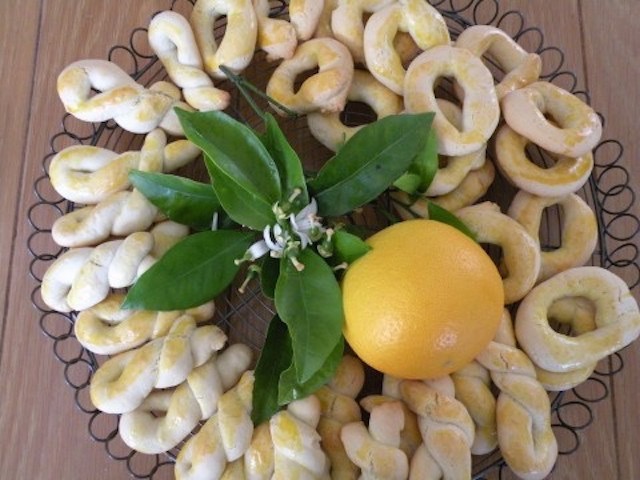
Greek Easter isn’t only about red eggs and sweet bread called tsoureki and koulourakia. Timeless traditions, some dating to pagan times and others from the revolution against the Turks dot the Greek countryside and islands. But if you’re not in the mood to burn effigies of Judas or partake in rocket wars, try cooking up some traditional greats. We like the California Greek Girl’s Easter recipes. (Koulourakia photo from the California Greek Girl’s blog)

BURNING OF JUDAS
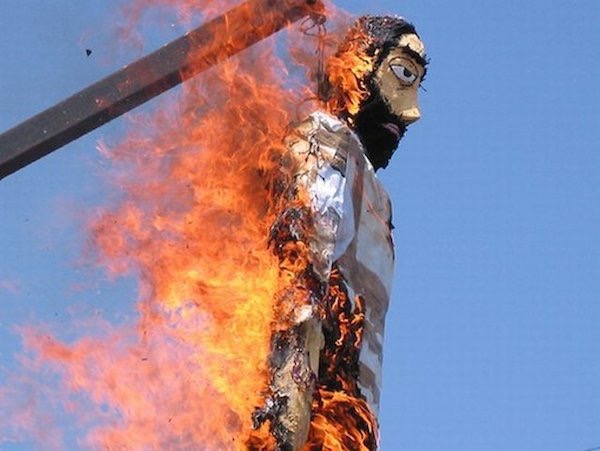

On the island of Crete, it is customary to burn an effigy of Judas Iscariot, the betrayer of Jesus. The effigy is often hanged by the neck before the burning on the Friday or Saturday before Easter. For an added touch, some celebrants stuff the effigy with fireworks or give it the face of an unpopular politician.

VOURNES IN RHODES
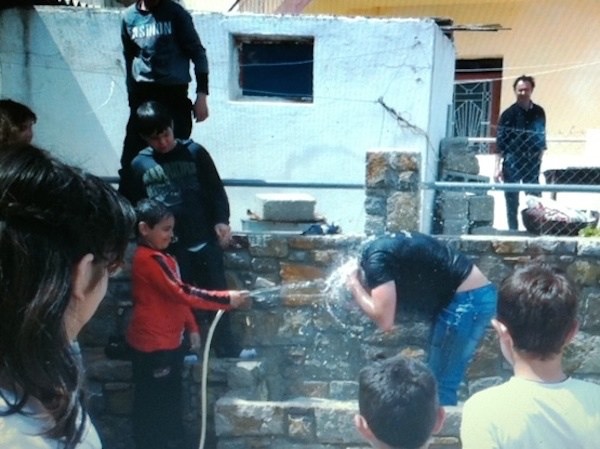

The residents of the village of Saint Isidoros in Rhodes Island maintain a tradition called Vourna that lasts for 3 days, starting from the Saturday before Easter. Only single men of the village can participate and must obey to some rules that are watched over by a board of “secret police” who follow the participants. Rules include attending Church services and other requirements. Those who break rules have a tsoukopana (a special cloth) hung on the chimney of their home indicating their offense.Following a court haring on Easter Monday the “judges” will charge the participants who have not respected the rules of this tradition and impose the fines that they must be charged with. Those who refuse to pay their fines are thrown in the cold water of the Vourna (a basin) without any warning and doused with water. The money raised is given to charity.

THE ROCKET WAR ON CHIOS
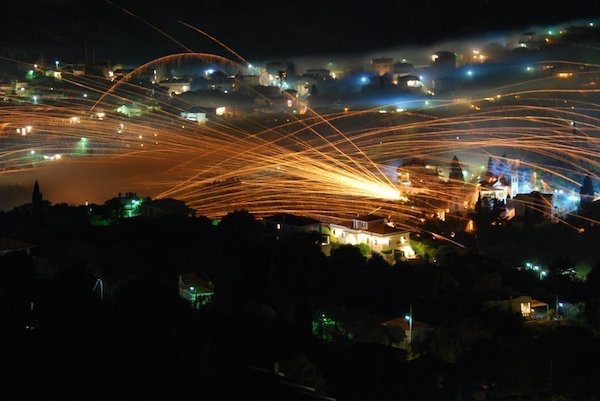

In the village of Vrondados, on the Greek island of Chios, the annual war of the rockets is staged between two churches, Agios Marcos and Erithiani. Residents spend all year preparing thousands of rockets containing fireworks. On Saturday night before Easter, the rockets are fired between the churches for hours. The custom goes back to the Turkish occupation of the island.

POT THROWING ON CORFU
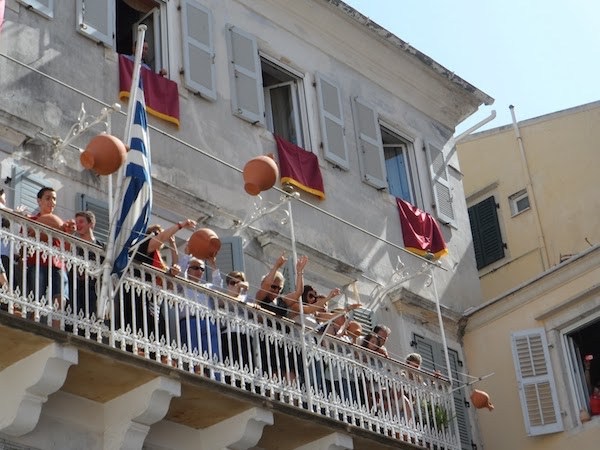

On Holy Saturday at 11 am the First Resurrection and the “Pot Throwing” custom take place. The philharmonic orchestras and the choirs of the town take part in the litany of the epitaph/funeral biers’ of the town’s patron saint, St. Spyridon, in procession with the Saint’s relics. The litany is followed by the celebration of the “Early Resurrection” where balconies in the old town are decked in bright red pieces of cloth. Then the residents throw down large clay pots (the co-called botides) that are full of water to smash on the street pavements. There is no clear explanation of this odd tradition. Some people claim that by throwing pots out of their homes they reject Judas, while others believe that this tradition will help them to get rid of evil.

SAITOPOLEMOS IN KALAMATA
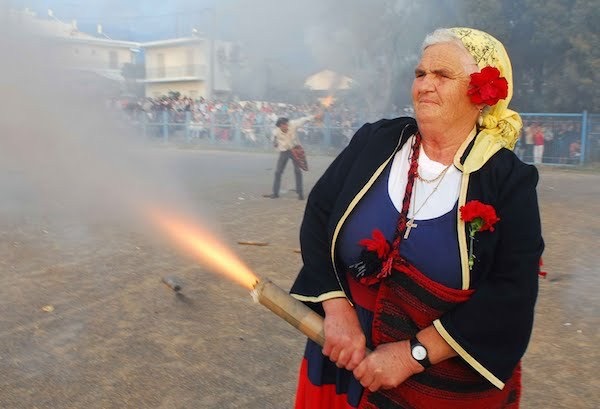

Saitopolemos is a customary celebration that take place in the region of Messinia during Easter. According to legend, its roots can be traced back to the Greek War of Independence in the 1820s, and especially to a battle the Greeks fought against the army of the Egyptian Sultan Ibrahim Pasha. The biggest celebration takes place in Kalamata Metropolitan Stadium where the participants are divided into 10 to 15 teams, consisting of 15 to 30 people, mainly young boys. A saita is a circular object filled with flammable material. When the celebration begins the players light up their saites and the stadium glows with flame. The dangerous custom is controversial and the Greek media have been highly critical of it, and there have been calls for its termination. But the locals insist that the custom is a tradition they inherited from their ancestors.

SWORD DANCING IN CHALKIDIKI
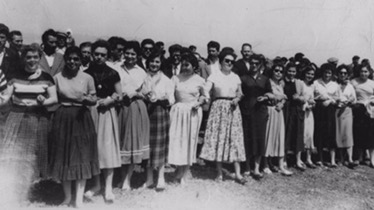

On Easter Tuesday, in the village of Ierissos in Chalkidiki, residents dance in memory of of the massacre of 400 locals by the Turks, at “Mavro Aloni”. The tradition recalls an incident in 1821, during the revolution, when the Turks promised general amnesty to those who would surrender. After they surrendered, the Turkish pasha asked the residents to dance. At every turn of the dance, the swords of the Turks slaughtered one dancer. Dancers must pass through an arch of laurels and, scary as it sounds, swords too. They double back on themselves and pass one before the other in an impressive final farewell.

.

Το επερχόμενο CD του Παντελή Παντελίδη, “Καράβια Στο Βυθό”, κυκλοφορεί στα Παραπολιτικά στις 18/2


Ένας χρόνος χωρίς τον Παντελή Παντελίδη!

Ένας χρόνος συμπληρώνεται σήμερα, 18 Φεβρουαρίου από δυστύχημα που συγκλόνισε την κοινή γνώμη και στοίχισε τη ζωή του Παντελή Παντελίδη.

Γεννήθηκε και μεγάλωσε στη Νέα Ιωνία Αττικής. Ήταν γιος της Αθηνάς και του Σταύρου Παντελίδη και είχε άλλα δύο αδέρφια, τον Τριαντάφυλλο και τον Κωνσταντίνο. Έπαιζε από 7 ετών ποδόσφαιρο, αγωνιζόταν ως επιθετικός και κατάφερε να φτάσει σε επαγγελματικό επίπεδο, αλλά στα 17 του οι γιατροί του διαπίστωσαν ότι έπασχε από μυοκαρδιοπάθεια και έτσι αποφάσισε να σταματήσει το ποδόσφαιρο.

Αφού έδωσε Πανελλήνιες, μπήκε στη Σχολή Μονίμων Υπαξιωματικών Ναυτικού (ΣΜΥΝ), όπου εργαζόταν ως υπαξιωματικός. Mετά από 10 χρόνια στο Πολεμικό Ναυτικό, αποφάσισε να παραιτηθεί για να πραγματοποιήσει το μεγάλο του όνειρο, να γίνει τραγουδιστής, αν και δεν είχε σχετικές σπουδές και ήταν αυτοδίδακτος, έμαθε μόνος του να παίζει κιθάρα, την οποία του την έκανε δώρο ο πατέρας του, γιατί πήρε καλούς βαθμούς στο σχολείο. Ξεκίνησε να παίζει κιθάρα σε ηλικία 11 ετών, στα 13 του έγραψε τα πρώτα του τραγούδια και σε ηλικία 14-15 χρονών τα ερμήνευε με την κιθάρα του.

Για τέσσερα χρόνια τραγουδούσε σε μικρά κέντρα ενώ παράλληλα εργαζόταν στο Πολεμικό Ναυτικό. Επίσης, βιντεοσκοπούσε τραγούδια τα οποία έγραφε και ερμήνευε μόνος του με την κιθάρα του και οι φίλοι του τα ανέβαζαν στο youtube μέσω του οποίου έγινε γνωστός.Το 2012 ο Κώστας Μπερτάκης τον έφερε σε επαφή με τον Βασίλη Καρρά και αποφάσισαν να κλείσουν συμβόλαιο για το σχήμα “ΚΑΡΡΑΣ – ΠΑΟΛΑ – ΠΑΝΤΕΛΙΔΗΣ” στο Teatro music hall.

Τότε ο Παντελής Παντελίδης αποφασίζει να παραιτηθεί από το Πολεμικό Ναυτικό για να ακολουθήσει το όνειρο του που είχε ήδη αρχίσει να γίνεται πραγματικότητα. Η πρώτη του δισκογραφική δουλειά ήταν ο δίσκος με τίτλο Αλκοολικές οι νύχτες που κυκλοφόρησε το 2012 και έγινε διπλά πλατινένιος.

Μεγάλη επιτυχία του είναι το τραγούδι Δεν ταιριάζετε σου λέω, ενώ στο δίσκο περιλαμβάνονται ακόμη τα τραγούδια Συνοδεύομαι, Πάμε στοίχημα θα ξαναρθείς, Παραμυθιάζομαι και Λιώμα σε γκρεμό που γνώρισαν επιτυχία στο ραδιόφωνο. Ο ίδιος είχε δηλώσει ότι τα τραγούδια του τα γράφει εμπνεόμενος από προσωπικά βιώματα ή από ιστορίες κοντινών του προσώπων. Είχε μεγάλη αδυναμία στην μητέρα του Αθηνά, για την οποία έχει γράψει και ένα τραγούδι με το όνομά της. Στις 31 Οκτωβρίου 2013 κυκλοφόρησε το δεύτερο άλμπουμ του με τίτλο Ουράνιο τόξο που του λείπανε 2 χρώματα.

Κατά τη διάρκεια της παρουσίας του στο μουσικό χώρο, ηχογραφήθηκαν σε studio 48 τραγούδια τα οποία είχε γράψει ο ίδιος, εκ των οποίων τα 6 τραγούδησαν άλλοι καλλιτέχνες όπως η Πάολα, ο Γιάννης Πλούταρχος, η Ελένη Χατζίδου, η Αμαρυλλίς και η Ειρήνη Παπαδοπούλου

Τέσσερις μήνες μετά τον θάνατό του κυκλοφορεί ένα από τα τραγούδια του το «Θυμάμαι» και 10 μήνες μετά το «Άλλη Μια Ευκαιρία» που δεν είχαν δισκογραφηθεί όσο ήταν εν ζωή.

Ο Παντελής Παντελίδης βραβεύτηκε στην 10η απονομή των μουσικών βραβείων MAD το 2013 για τον καλύτερο πρωτοεμφανιζόμενο καλλιτέχνη.Το 2014 κερδίζει στην ίδια εκδήλωση το ειδικό βραβείο mad greekz για το τραγούδι “Όνειρο ζω”.

Στη 12η απονομή των μουσικών βραβείων MAD του 2015 κερδίζει το βραβείο για τον “καλύτερο καλλιτέχνη έντεχνης ή λαϊκής μουσικής” και το ειδικό βραβείο mad greekz για το τραγούδι “Γίνεται”.

Μόλις τέσσερις μήνες μετά από τον θάνατό του ο Παντελής Παντελίδης αναδείχθηκε χάρη στην ψήφο του κοινού ως ο “καλύτερος άνδρας καλλιτέχνης του 2016” στα MAD Video Music Awards. Το βραβείο του παρέλαβαν τα αδέρφια και οι φίλοι του τραγουδιστή εκφράζοντας παράλληλα την ευχαρίστηση τους για την υποστήριξη του κόσμου στα τέσσερα χρόνια πορείας του.
Τα Παραπολιτικά κυκλοφορούν στις 18/2/2017, ακριβώς ένα χρόνο μετά τον χαμό του Παντελή Παντελίδη, το νέο αποκλειστικό CD του!

Τα νέα του τραγούδια θα είναι σε πρώτη αποκλειστική κυκλοφορία. Τα τραγούδια είναι τα εξής :

1) Άλλη Μια Ευκαιρία

2) Καράβια Στο Βυθό

LYRICS

Καραβια στο βυθο

Ήταν Καραβια στο βυθο

ήταν ονειρο που ζω

ήταν και εκεινο το χαμεγελο που δεν ξεχνιεται

ήταν κομματι δυνατο

ήταν ονειρο που ζω

ήταν και εκεινη η ψυχη που δεν παρεξηγιέται

ηταν ονειρα μεγαλαα

μαζι με αυτα που ζησαμε και παμε για αλλα

την μερα που χωρισαμε το ονειρο γκρεμισαμε
Ηταν Καραβια στο βυθο

ηταν ονειρο που ζω

ηταν και εκεινο το χαμεγελο που δεν ξεχνιεται
Ηταν καραβια στο βυθο

ηταν ονειρο που ζω

ηταν και εκεινο το χαμεγελο που δεν ξεχνιεται

ηταν κομματι δυνατο

ηταν ονειρο που ζω

ηταν και εκεινη η ψυχη που δεν παρεξηγιεται
Ητανε ονειρα μεγαλα

μαζι με αυτα που ζησαμε και παμε για αλλα

την μερα που χωρισαμε το ονειρο γκρεμισαμε
ηταν καραβια στο βυθο

ηταν ονειρο που ζω

ηταν εκεινο το χαμογελο που δεν ξεχνιεται
ητανε ονειραα μεγαλα

μαζι με αυτα που ζησαμε και παμε για αλλα

την μερα που χωρισαμε το ονερο γκρεμισαμε
ηταν καραβια στο βυθο

ητανε ονειρο που ζω

ηταν και εκεινο το χαμεγελο που δεν ξεχνιεται… !

“Αλήθειες με τη Ζήνα” – 17.2.2017 – Ένας χρόνος χωρίς τον Παντελή Παντελίδη!

Το βραβείο στη μνήμη του Παντελίδη και η συγκίνηση του μικρού αδελφού του 

https://youtu.be/8bEsafbePIc

https://youtu.be/QPI6ZRrKcz4

MEDITERRANEAN BLUE ADVENTURE: RHODES producer-director, George Stamou

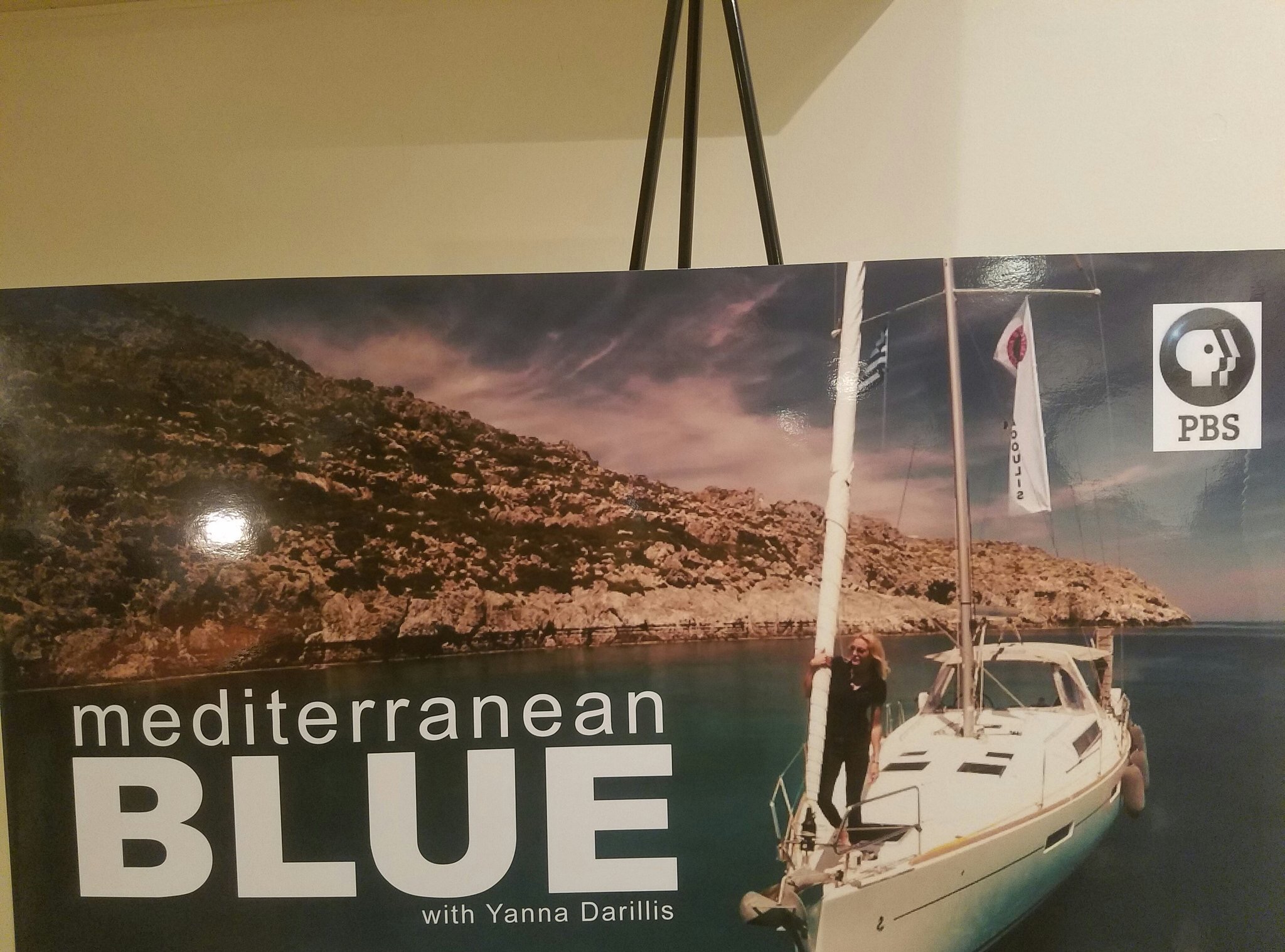
I embarked on my journey to Mediterranean Blue, a television series that showcases the beauty, people traditions, culture, and cuisine of magical Greece, the name of which is attributed to the special deep-blue and turquoise color of the Mediterranean Sea. I am proud to announce that this new series will be airing on PBS this fall, as well as on New Greek TV, the Greek channel of the U.S. and Canada, in the spring of 2017.

The producer-director, George Stamou, our director of photography, John Stathopoulos, and myself, were very excited and couldn’t wait to get started! Our first filming destination in Greece was the islands of the Dodecanese, located in the southeastern region of the Aegean. The show’s concept was illustrated through the view of a sailboat, which was used to better capture the essence and beauty of each island’s distinct character.

The cosmopolitan island of Rhodes was our first stop. Rhodes has been a vacation “hot spot” since the 1950s. Many of the world’s re-known celebrities have visited this jet-setting travel destination, and many producers have filmed movies on this island. Famous actor, Anthony Quinn, loved this island so much that he purchased property there and one of its beaches was named after him.

As we approached the famous port of Rhodes, we passed its historic pillars, which once held one of the Seven Wonders of the World, the legendary Colossus of Rhodes, a depiction of the ancient Greek Titan-God Helios, which was erected in 280 B.C. The backdrop of the city harmoniously combined the ancient, medieval, Byzantine, and Hellenistic eras of its history, through its imposing medieval wall, palm trees, and architecture. Rhodes was historically a wealthy island, agriculturally abundant, a major trading center, and was often visited by famous men and rulers, including Alexander the Great.

Rhodes has one of the most well preserved medieval castles in Europe dating back to the 7th century, the Palace of the Grand Master, or the Kastello. Once a Byzantine citadel, it became a fortress for the crusading Knights of St. John. Due to this castle’s medieval and port-Byzantine historical and architectural importance, it has been declared a UNESCO World Heritage Site.

When walking the streets of historic Rhodes, one can almost go back in time, back to when the medieval knights and maidens roamed its streets. As you examine every detail and corner of this historic city, there is a romantic feeling about the place, which can ignite one’s soul to further search more into its history. A visit to the nearby Archeological Museum is encouraged to enhance this.

The Acropolis of Rhodes dates back to Greece’s classical period. Its remains include the Temple of Apollo, Athena Polias and Zeus Polias, a stadium, a small theater, the Odeon, remains of the the Stoa building, the Nymphaeum Caves, and the Artemision.

The historic homes of Rhodes have been renovated and preserved to keep their original architecture and enchanting medieval character, until you venture outside the castle’s walls, where you will find yourself in the modern city of Rhodes. This part is a busy cosmopolitan city that resembles a smaller version of Athens, as Rhodes is the capital of all the islands of the Dodecanese.

We enjoyed a traditional Rhodian dinner, a cup of coffee and delicious local deserts at Koukos, a restaurant and cafe that have kept its traditional architecture and design, to enhance its visitors’ experience of customary Rhodes. Rhodes boasts dozens of 5-star hotels and resorts, offering the best services and promising a luxurious stay with all the amenities one can enjoy.

The island is so big, and has so much for one to see and do, that you will need a few days to really explore it. There are many villages, historical churches, ancient sites, museums, a rain forest filled with butterflies, and a vast array of beaches to choose from that offer many water and land activities, such as scuba diving, jet skiing, horseback riding, hiking, and many more!

We sailed south of the island to the ancient city of Lindos, a magical place with another enchanting village, beautiful beaches, and a well-intact ancient acropolis containing the Doric Temple of Athena, the Propylaea, Hellenistic Stoa, the famous relief of a Rhodian warship, Roman temple remains dating back to the Emperor Diocletian, and a Greek-Orthodox Byzantine church, the Church of St. John.

After enjoying a day of scuba diving and swimming underneath the ancient acropolis, we learned about a new recipe by local known chef, Demetri of Demetri’s Restaurant, overlooking the sea and the acropolis, which has been serving traditional Rhodian food for 70 years! It was fantastic!

Rhodes was a great start to our Mediterranean Blue Adventure and there was so much more to see, however, we had to head out in order to discover the rest of the wondrous islands that were awaiting us. The crew, George, John, Dionysis, Myrto, and myself, jumped on our sailboat with its seasoned captain, Captain Chris, along with his first mate, Pantellis, and we were off to the neighboring island of Tilos!

The customs and traditions of Tsiknopempti in Greece and across the world 

Tsiknopempti which falls this year on the 16th of February or the week of Kreatini, during which large amounts of meat are traditionally consumed by Greek Orthodox believers prior to the arrival of Lent, the fasting season leading up to Easter. (The day is also known as BBQ Thursday). It is similar to, but should not be confused with, the French festival of Mardi Gras (or “Fat Tuesday”.)

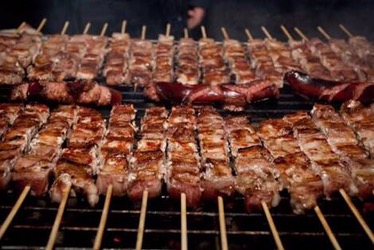
Meat is king, with the emphasis on grilled meats, though the occasional stew pot will be visible. Some hotels and virtually every taverna will put on special menus for Tsiknopempti. By far, the most common item will be some variation of souvlaki – meat on a stick. These will be available everywhere along the streets in the taverna areas and walk carefully to avoid banging into an unexpected grill mostly obscured by smoke, sharing the already narrow streets and walkways. (Souvlaki skewers in the hands of the inexperienced can also be causes of mild injury, so be careful.)

Beyond the standard grilling, each region of Greece also has its own customs and traditions which are celebrated on this day every year.

Athens – In the area of Plaka (downtown Athens) carnival capers make their way around the region’s central squares and in the evening a parade is held -which begins at the Acropolis metro and heads through to Monastiraki area with music and dance-.

Corfu – On the island of Corfu the “Corfiatika Petegoletsia” are held. The word Petegoletsia means gossip and this is one day of the year where you are obligated to yap, yap away! After consuming their meaty meals locals apparently gather at the Piazza near “Koukounara” to “socially criticize” one another.

Patras – In Patras, the custom of “Yiannoula tis Koulouras” is celebrated. According to tradition, Yiannoula (Johanne in English) still believes that Admiral Wilson will come back to her city so he can sweep her off her feet and marry her. As such, she patiently (and frantically) awaits for him at the city’s main port. In respect to the tradition, Patras citizens choose a young girl from the area every year, dress her up as a bride and once she begins acting out the role of Yiannoula they celebrate by singing and dancing around her.

Serres – In the northern city of Serres locals set grand fires ablaze. After roasting their meat, and guzzling up some Tsipouro they then leap over the flames.

Komotini – In the city of Komotini, housewives purposely burn a chicken so that they can serve it to their families on the last Sunday of Carnival. Tradition also says that on Tsiknopepmti engaged couples exchange edible gifts. For instance: the groom sends a “kourko” or poultry to the bride, and she returns the favor by sending him a baklava and a stuffed chicken.

Thebes – In Thebes, a “Vlach wedding” is held. At first the matchmaking begins, and then an actual traditional “Vlach wedding” is held. The dancing and the singing continues for days and ends on Lent Monday when the bride’s dowry is paraded across town and another feast is held.

Ios – On the island of Ios, masked men, wearing cow bells (or sheep bells) around their waists trek all over the island and spontaneously visit homes and shops.

Poros – On the island of Poros, the youth is encouraged to steal pasta! (Or at least one macaroni). They then place the macaroni under their pillows at night to see who they will marry.

Peloponnese – Throughout the Peloponnese locals slaughter pigs and then make numerous traditional meat dishes including picthi (which is cured pork in fat), tsigarides, sausages, gournaloifi and salted pork (otherwise known as ‘pasto’).

Skopelo – On the island of Skopelos, residents meet in the area of Pefko and celebrate and feast together.


Tsiknopempti Across The World

On this day, similar events are also celebrated in other areas of the world where carnival is celebrated as well.

For instance in Italy, Giovedì Grasso (Fat Thursday) is also celebrated, but it is not very different from Martedì Grasso (Shrove Tuesday). It is more similar to Tsiknopempti and involves the massive consumption of charred meat.

In Spain this celebration is called jueves lardero, and in Catalan-speaking areas, dijous gras. In Albacete, central Spain, Jueves Lardero is celebrated with a square pastry called a bizcocho and a round pastry called a mona. Whereas in Aragon a meal is prepared with a special sausage from Graus while in Catalonia the tradition is to eat sweet Bunyols.

In Germany, Weiberfastnacht is an unofficial holiday. At the majority of workplaces, work ends before noon and celebrations start at 11:11 am. In comparison with Rosenmontag, there are hardly any parades, but people wear costumes and celebrate in pubs and in the streets. Beueler Weiberfastnacht (“washerwomen’s carnival”) is traditionally celebrated In the Bonn district of Beuel. The tradition dates back to 1824, when local women first formed their own “carnival committee”. The symbolic storming of the Beuel town hall is broadcast live on TV. In many towns across the state of North Rhine Westphalia, a ritual “takeover” of the town halls by local women has become tradition. Among other established customs, on that day women cut off the ties of men, which are seen as a symbol of men’s status. The men wear the stumps of their ties and get a Butzchen (little kiss) as compensation.

The Diaspora Also Celebrates Tsiknopempti

Greek communities around the world also celebrate Tsiknopempti, and Greek Orthodox church groups may arrange special events. Greek restaurants catering to local Greeks are expected to include special meat dishes this day and expect cities with “Greek Towns” to really smoke some good meat. These include Montreal, Quebec; Astoria in New York; Chicago, Illinois; Toronto,Canada; southern Florida, Melbourne, Australia, etc…

Cyprus also vigorously celebrates Tsiknopempti, with parades and other events.

2017 Greek Carnival Dates

Triodion: Sunday, February 5th

Tsiknopempti or “Burnt Thursday”: February 16th

Tsiknopempti Weekend: Friday, February 17th – Sunday, February 19th

Cheesefare Thursday: February 23rd

Main Carnival Weekend: Friday February 24th-Sunday February 26th

Clean Monday: February 27th
High spirits, creative expression, wild colours and fantasy to spare are the driving forces behind this year’s Athens Carnival, which kicks off on Tsiknopempti (Smoke Thursday).

The aim of this year’s Athens Carnival is to encourage all citizens and visitors to be a part of a lively, fun-filled celebration that will take place at the usual venues but also in city neighbourhoods.

On this day: Australia switches from pounds to dollars


ON THE MORNING of 14 February 1966, Australia’s shops, banks and ticket offices opened their doors and ushered in the age of decimal currency. Curious citizens formed long queues to exchange their pounds and pennies for brand-new dollars and cents.

Changeover Day, or ‘C-Day’, went off without a hitch The Sydney Morning Herald reported; “The smoothness of the change, the efficiency of business people and the good humour of the public delighted Decimal Currency Board officials”. Perhaps the biggest hiccup came with six-year-old Kim Taylor, who became the first Australian child to swallow a decimal coin.

The decision to change from the awkward and unwieldy system of pounds, shillings and pennies had been a long-time coming. The idea of a decimal currency – that is, a system based on the number 10 – had been brewing for over 100 years, but Mother England put her foot down: pounds and the base-12 system were a proud tradition.

That is, until Robert Menzies made an election promise in 1958 to seriously consider decimalisation. The argument for switching was simple: under the Imperial system, one Australian pound was divided into 20 shillings, which in turn was comprised of 12 pence each. This made financial transactions slower and more complicated.

“The economic benefits had become undeniable,” says Peter Rees, author of Inside the Vault: The History and Art of Australian Coinage. “It would be simpler for Australian trade. There were only a handful of non-decimal countries, so it made sense economically.”

It would also make the everyday shoppers’ life substantially easier. Remember, this was before tills could add up for you, so all addition had to be figured out mentally. Give it a go: let’s say you are buying four pounds of potatoes, which cost three shillings and 11 pence per pound. How much do you pay in total? You probably need a pen and paper to figure this out (the answer is 15 shillings and eight pence).

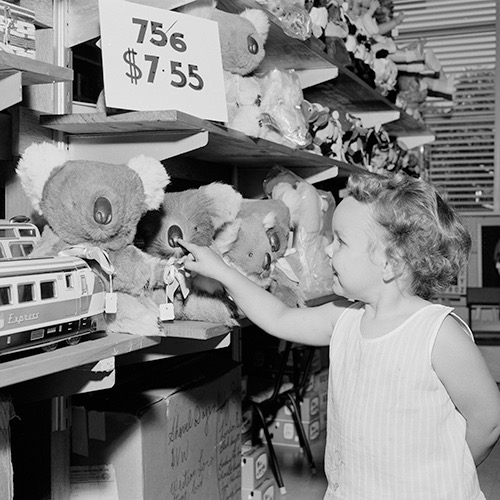
Both currencies could be used during the transition period; here, the cost of the soft toy is shown in both dollars and shillings. (Credit: National Archives of Australia)

Royal vs. dollar: a naming controversy

The only argument for actually keeping the pound centred on the nation’s symbolic kinship with Britain. Menzies, a staunch monarchist, had a solution: he believed the new currency should be named the ‘royal’.

The Currency Act 1963 set ‘C-Day’ for 14 February 1966, followed by a two year transition period where both pounds and dollars could be used. A competition to crowdsource a name for the new currency was launched, attracting thousands of creative suggestions. Neither ‘Coiny McCoinface’ nor ‘Dollarydoos’ were submitted, but the suggestions did encompass some quintessential Australiana: Boomer, Roo, Digger, Oz, Austral, Kanga, Dinkum and even Ming (Menzies’ nickname).

Menzies overruled these ideas in favour of ‘royal’, to the great dismay of the public. His choice proved so overwhelmingly unpopular that the Government had to backtrack a few months later. “The correspondence of politicians at the time shows they were horrified at the backlash,” says Peter. Indeed, then-treasurer Harold Holt called it “a terrible mistake”. The name ‘dollar’ was chosen instead – a great relief for the Australian people.

Coins and banknotes for a new Australia

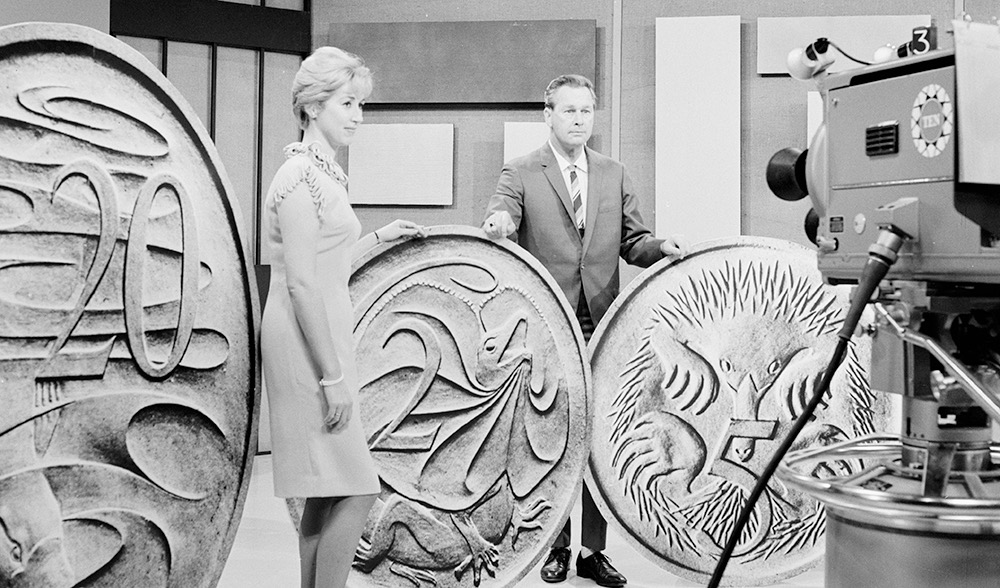
New notes and coins were designed. Coins featured Australian wildlife, while notes reflected Australia’s history and contributions to the world. In preparation for the big switch, a stockpile of one billion coins was minted and transported all over Australia by police-escorted trucks in ‘Operation Fastbuck’. Bank machinery, parking meters, cash registers and petrol pumps all had to be converted.

Meanwhile, a large-scale public awareness campaign brought cartoon Dollar Bill to the fore of every Australian’s mind. With a catchy jingle based on ‘Click go the shears’, Dollar Bill reassured and educated the masses about the incoming decimal system. The campaign worked a charm, according to Peter, “There wasn’t really any resistance. People took to it very quickly and there was a general air of optimism and positivity”.

The cartoon character Dollar Bill helped Australians learn about the new decimal system. (Credit: NFSA Films/YouTube)


Throughout the two-year phasing-out period, citizens could use either the old or new currency to pay for goods and services, and any change they received would be dollars and cents. A conversion rate was set: £1 was equivalent to $2. The Reserve Bank gradually withdrew the old money, while some of the old coins were recycled to make new ones by the Royal Australian Mint.

The adoption of a decimal currency was about more than just finances – it also reflected Australia’s developing identity. “The change evoked the spirit of the 60s and the self-confidence of emerging post-war Australia,” says Peter. “The designs captured Australia’s imagination and reflected a growing awareness that we had our own interesting wildlife and history.”

After C-Day, Australia’s logistical and PR success in decimalisation had far-reaching effects. “The changeover was so successful that Australia’s preparation efforts formed the basis of public education campaigns in Britain and New Zealand, who had also been flirting with the idea of decimalisation,” explains Peter. It also paved the way for metrification in the 1970s – that is, the official conversion of measurements from the imperial system (ounces, inches) to the metric system (grams, metres).

There is perhaps only one loss resulting from this momentous day: the coin in the Christmas pudding. It was a long-standing tradition to bake a silver coin into the pudding, which brought luck to whoever found it in their serving. Cooking the new-fangled coins turned them a ghastly green, thanks to their copper and nickel content.

Adele honors the late George Michael at The 59th Grammy Awards 2017

Everyone knew that the 59th Annual Grammy Awards’ tribute to George Michael, who died on Christmas Day last year at age 53, would be one of the most talked-about moments of Sunday’s ceremony. However, no one could have expected exactly why this performance would be so newsworthy.

Grammy producers had kept the tribute’s performer under wraps, and speculation had run rampant that it might be Elton John or even another past Michael duet partner, Aretha Franklin. So it was a surprise when Adele, who’d already opened the show with her own Record/Song of the Year-winner, “Hello,” appeared onstage, alone and dressed all in black. Additionally, Adele was singing not, say, “Careless Whisper” or “Praying for Time,” but the lesser-known “Fastlove” from Michael’s 1996 album, Older — a dance track, now reimagined as a funereal dirge.

However, it wasn’t the choice of performer or song that was notable. It was the fact that an emotional, frustrated Adele stopped the tribute midway through — and dropped a couple of swear words live on the air — after her performance started off-key.

“I know what it’s like to be [s***]. I can’t do it again like last year,” she said, referring to her infamously imperfect, technical-difficulty-laden “All I Ask” performance at the 2016 Grammys. “I’m sorry for swearing, and I’m sorry for starting again. Can we please start it again? I’m sorry, I can’t mess this up for him. I’m sorry. I can’t. I’m sorry for swearing. I’m really sorry.” She then offered her teary apologies to the show’s producer, Ken Ehrlich — “I’m sorry, Ken” — before muttering the F-word under her breath.

Adele composed herself quickly, and valiantly made it through her second performance without a hitch, receiving a standing ovation from the supportive, misty-eyed audience.

However, the performance wasn’t quite the tribute that George Michael, the 1989 Grammy winner for Album of the Year, truly deserved. Of course, it was understandable, after the backlash that Lady Gaga’s glitzy, Vegas-y, fussy David Bowie medley received last year, that this year’s Grammys would feature simpler, more somber tributes — but the slowed-to-a-crawl, sad “Fastlove” arrangement, coupled with Adele’s obvious sadness, contrasted awkwardly with the production’s cheery video-screened images of Michael dancing in a “Choose Life” T-shirt or his cheeky “Outside” music video.

Still, no one could blame Adele for getting choked up — or for wanting to make her Michael homage as perfect as possible, even if that required a second take. Later, when accepting her Song of the Year Grammy onstage, she said, “I really do apologize for swearing. George Michael, I love him. He means a lot to me. So I’m really sorry if I offended anyone, anywhere.”

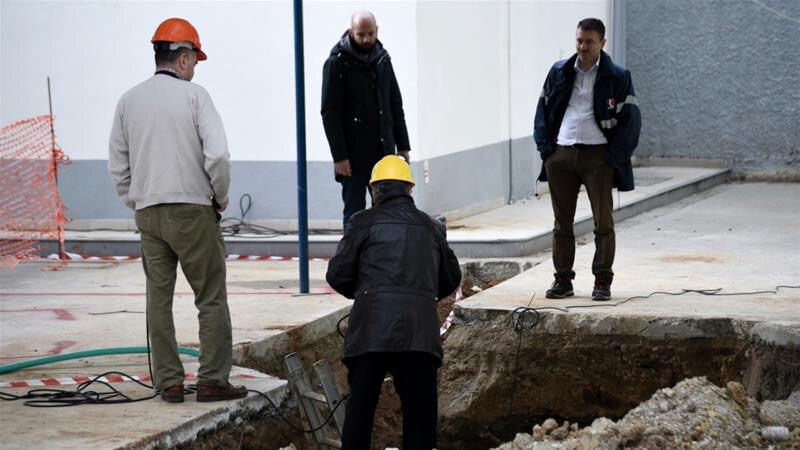
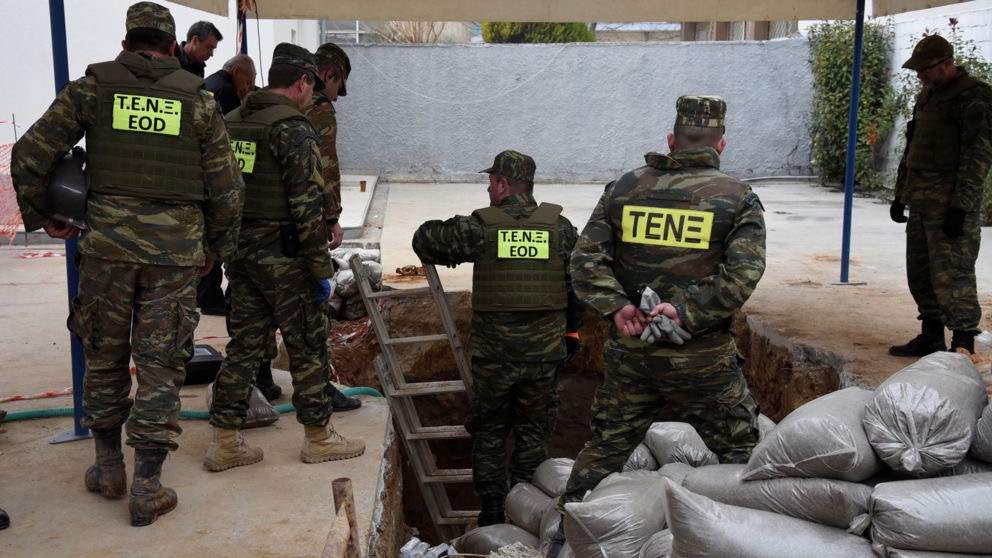
Biggest peace-time evacuation of Thessaloniki city completed – video

The Army had initially estimated that the bomb weighed 500 pounds (227 kilograms). Officials said it was 1.5 meters (5 feet) long.

The bomb will be either detonated or dismantled at the firing range, Fanios said. He added that similar bombs had been found in previous years near the Macedonia Airport east of the city, but, with the area being mostly open fields, no large scale evacuation had been deemed necessary.

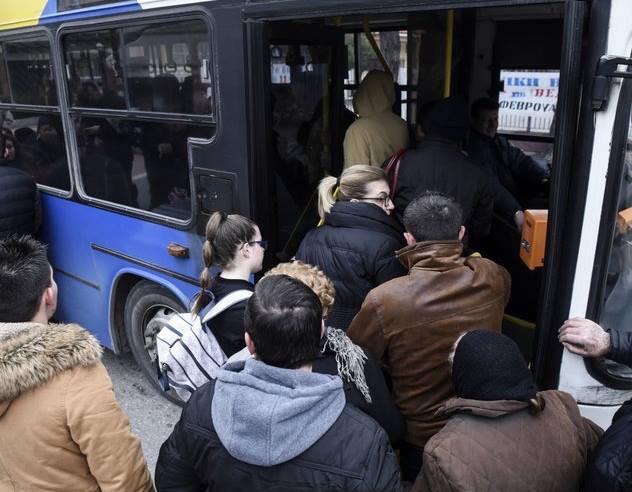
Sunday’s evacuation started at 7 a.m., with police went house-to-house ringing bells and knocking on doors to remind people to leave.

Bomb disposal experts started work at 11.30 a.m., 90 minutes later than planned, but defused the bomb in only 30 minutes, Central Macedonia governor Apostolos Tzizikostas announced.

Calling the operation “a total success,” he said it was the largest peacetime population evacuation in Greece and estimated it involved 70,000 people.

Many people left the area in their cars, but some were bused to schools and sports halls elsewhere in the city.

“We heard on TV that, if the bomb explodes, it will be like a strong earthquake,” Michalis Papanos, 71, told The Associated Press as he and his wife, Yiannoula, headed out of their home.

Alexander Bogdani and his wife, Anna Bokonozi, left on foot, pushing a stroller with their toddler daughter.

“We are afraid for the child,” Bogdani said.

The city’s main bus station was shut down, trains in the area were halted and churches canceled Sunday services. The city also booked a 175-room hotel where people with limited mobility were taken on Saturday.

Among the evacuees were 450 refugees staying at a former factory who were bused to visit the city’s archaeological museum.

One resident recalled the day the bomb fell.

“The bombing was done by English and American planes on Sept. 17, 1944. It was Sunday lunchtime,” said Giorgos Gerasimou, 86, whose home is half a mile away from the bomb site.

He said the Allies were targeting local German rail facilities. He remembers the day clearly because one of his 10 -year-old friends was killed in the bombing.

Nazi Germany occupied Greece from 1941 until October 1944.

—–

The biggest evacuation plan in peacetime in Greece is underway. Six bomb squat specialists are to remove the bomb’s detonator and then the WWII bomb which was found in the Kordelios area in Thessaloniki. The WWII bomb will then be carried away from the area.

The whole operation is set to start on Sunday at 10 am.

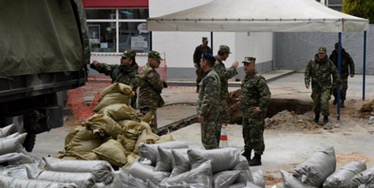
Already the Landmine Clearing Squat has built an embankment around the area where the bomb was found. Meanwhile the authorities have evacuated some 72,000 residents from their homes.

The bomb was buried for almost 74 years in the west of Thessaloniki and was dropped by accident by the allied forces back in 1943. Allied forces had made a mistake and dropped bombs in the area killing around 500 civilians.

The Landmine Clearing Squat has removed about 23,000 missiles of various calibres during the works of the natural gas pipeline in the city. Also 14 bombs were neutralised during the widening of the Macedonia airport runway.

The whole operation is expected to last from 6 to 8 hours with the bomb carried out to a shooting practice field where the bomb will be detonated under controlled circumstances.

The mayor of Evosmos-Kordelios, Petros Soulas said that the evacuation is mandatory as it is for the safety of the civilians. He also said that the army and police will guard the resident’s houses and properties.

Fadi Fawaz’s 999 call as he tried to wake George Michael

‘He’s gone. He’s blue’: Leaked recording of Fadi Fawaz’s frantic 999 call reveals that George Michael’s lover had ‘been trying to wake the singer for an HOUR’ before finally calling an ambulance 
The singer’s lover called 999 after realising he was dead on Christmas Day

Leaked tape reveals he bafflingly spent an hour waiting for popstar to wake up before desperately trying to rouse him

He told the call handler George was ‘cold and blue’ as well as ‘stiff’

George Michael died aged 53 at the end of last year at his home in Goring

George Michael’s lover had bafflingly waited an hour while trying to resuscitate him before placing a frantic 999 call, it has been revealed.

In the four minute call placed by Fadi Fawaz to the ambulance service, he tells them Michael was ‘blue’ and ‘cold’ and confirms resuscitation probably won’t help. 

Mr Fawaz called the ambulance service and tells the call handler: ‘It’s George Michael, I think he’s dead.

‘He’s not breathing.

‘He is in bed. He is cold and he is blue.

‘He is very stiff.’

The call handler asks him: ‘Do you think he’s beyond help?’

In a call leaked to the Sun, Mr Fawaz continues: ‘He’s dead.’

‘He is stiff, yes. 

‘I have been talking to him for the last hour.’ 

When the call handler asks if the death was expected, Mr Fawaz says: ‘No, no, no, no, no, no. I’ve been waiting for him to wake him up for like, you know, for hours and he wouldn’t wake up. I went to wake him up and he was gone, you know, he’s not there.

‘He is blue and cold.

‘There is someone coming right?’

As the call handler tries to confirm the identity, he tells her: ‘It’s George Michael, you know, the singer.’

Mr Fawaz was told by police that he is no longer part of their investigation into the singer’s death at the beginning of this month.

The celebrity hairdresser was quizzed by Thames Valley Police in January as they tried to piece together the last hours of the star’s life before he died at his Oxfordshire home, aged 53.

Fawaz told them he spent Christmas Eve with the singer, but fell asleep in his car that night, only discovering he was dead when he went to wake him the following morning. 

The South Central Ambulance Service said it is launching an immediate investigation into how the tape has surfaced:

A spokesman said: ‘South Central Ambulance Service NHS Foundation Trust has been informed about the release of the tape of a 999 call. We take matters of confidentiality very seriously and have launched an immediate investigation.

‘As Thames Valley Police are preparing a file for the coroner we are also liaising with Thames Valley Police and are therefore not able to comment further at this time.’

Mr Fawaz, 40, is viewed as a controversial figure by some members of the singer’s family after the claim of where he slept that night.

His nephew revealed Mr Fawaz called him shortly after he called the emergency services.

Josh Fawaz, a DJ, said he picked up his phone to hear his uncle sobbing after Mr Fawaz had called the police.

He told his nephew ‘Oh God, I think he’s dead’ when he found Michael was unresponsive.

The 28-year-old told the Australia Daily Telegraph: ‘I’ve never heard a grown man cry so much. Fadi called me saying “what am I going to do without him?”

‘They spent almost every day together for six years. He was so upset, he had been crying at the house beside George and I believe he found him dead.

‘I’m the first person to know that he (Michael) passed away.’ 

After his death, Michael’s publicist said: ‘It is with great sadness that we can confirm our beloved son, brother and friend George passed away peacefully at home over the Christmas period.

‘The family would ask that their privacy be respected at this difficult and emotional time. There will be no further comment at this stage.’

Thames Valley Police said officers were called to a property in Goring-on-Thames, Oxfordshire, shortly before 2pm on Christmas Day.

A spokesman said: ‘Sadly, a 53-year-old man was confirmed deceased at the scene. At this stage the death is being treated as unexplained but not suspicious.’ 

The family is still waiting to bury the singer’s body, as toxicology tests were delayed. 

Sources say toxicology reports on the 53-year-old – which were ordered when the post-mortem examination was ‘inconclusive’ – will not be completed until the end of February.

The tests will determine whether drugs contributed to Michael’s death but can take around eight weeks to complete, meaning the singer’s loved ones are still unable to hold a funeral.

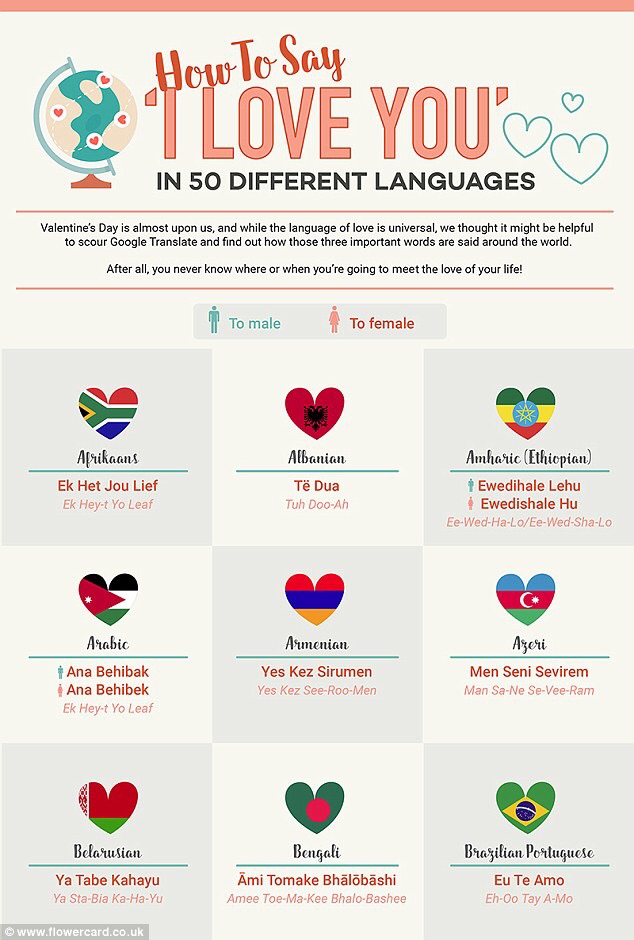
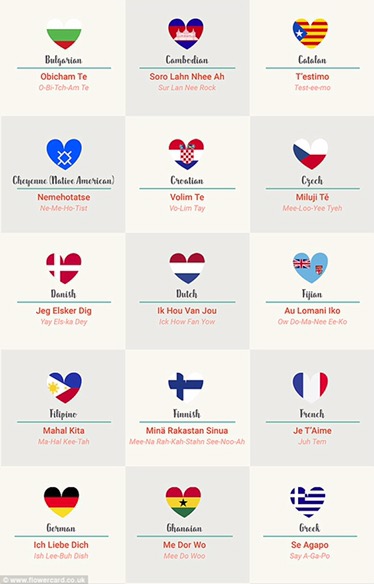
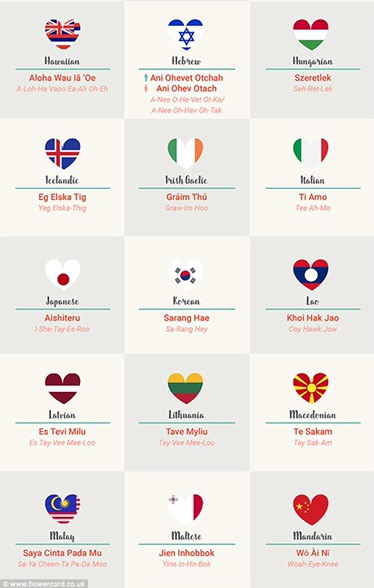
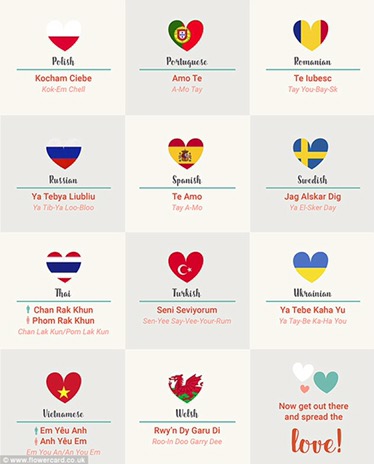
How to say ‘I love you’ in 50 languages revealed