
Flashback to the times that Greeks had the honor to be nominated for a Oscar

Take a “trip” with us to the Oscars:

Katina Paxinou
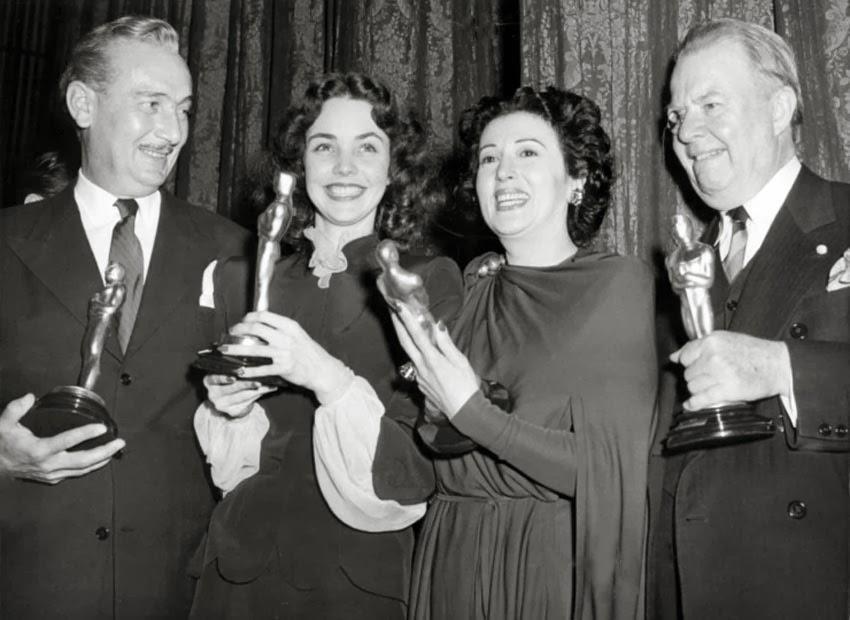
During the 16th Oscar Awards, in 1944, presented in Grauman’s Chinese Theater, in Los Angeles, Katina Paxinou becomes the first Greek actress ever to be honored with the Academy Award for Best Supporting Actress, for incarnating Pilar, in “For Whom The Bell Tolls”, by Ernest Hemingway. It was the first time that the ceremony was held in a theater and not a restaurant, and it was also the first time that the Best Supporting Actors/Actresses win an Oscar Statuette and not an honorary plaque. For that same acting, Paxinou also won a Golden Globe.

Manos Hadjidakis – Melina Mercouri – Theoni Aldredge

The self-exiled Jules Dassin directed in 1960 the legendary film “Never On Sunday”, starring Melina Mercoruri, with the music of Manos Hadjidakis, and having Theoni Aldredge as costume designer. Naturally, the film was nominated for 5 Oscars: Best Director, Best Original Screenplay, Best Costume Desing, Best Music, Original Song. It finally won the Best Music Award, but there was noone there to receive the Oscar. The Academy sent it to Manos Hadjidakis, but it was lost somewhere in Yugoslavia. After the journalists’ persistence, the composer agreed to hold the one that was given to Paxinou, for the sake of the photographers. A long time after that, the Academy sent him an exact copy.

Theoni Aldredge

Theoni Aldredge won the Best Costume Desing Award for “The Great Gatsby”, starring Robert Redford, in 1974.

Michale Cacoyannis

In 1962, “Electra”, by Michael Cacoyannis (his first time in the Oscars), was nominated for Best Foreign Language Film. Unfortunately, the film “Sundays and Cybete” prevailed. Two years laters, his film “Zorba the Greek”, won three Oscars (Best Supporting Actress for Lila Kedrova, Best Cinematography, for Walter Lassally and Best Art Direction-Set Decoration for Vassilis Photopoulos. The film was also nominated for Best Actor in leading role, Best Director, Best Picture and Best Writing, Screenplay Based on Material from Another Medium. A few years later, in 1978, in the 50th Oscar Awards, Michael Cacoyannis and his “Iphigeneia” are nominated for Best Foreign Language Film, but the french “Madame Rosa” was the winner.

Vasilis Georgiadis
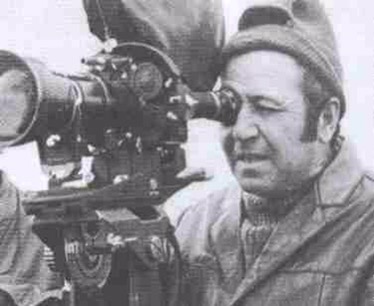
Georgiadis’ films “Ta kokkina fanaria” and “Blood on the land” were nominated for Best Foreign Lanuage Film (in 1963 and 1965). None of them won the Oscar. The first because it had to compete with the magnificent film “ 8 ½” by Federico Fellini, and the second, lost from the “Shop On The Main Street”, a film from Czechoslovakia.

Petro Vlahos
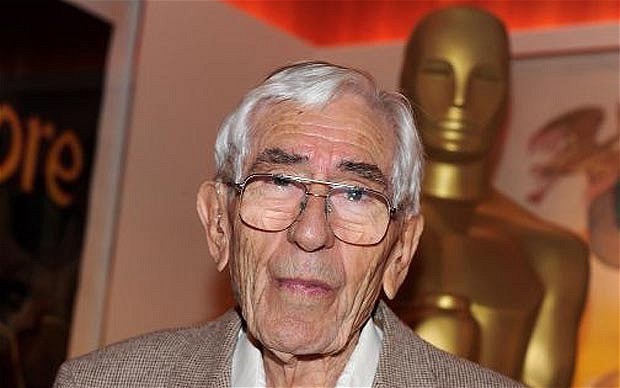
He won his first Oscar in 1964 for the “conception and perfection of techniques for color traveling matte composite cinematography”. In 1978, Petro won an Emmy Award for Ultimatte Compositing Technology. The Academy of Motion Picture Arts and Sciences gave him a Medal of Commendation in 1992. In 1993 he was the recipient of the Gordon E. Sawyer Award, his second Oscar. In 1995 he shared a third Oscar (Academy Scientific and Technical Award) with his son, Paul, for the blue-screen advances made by Ultimatte Corporation.

Costa Gavras

The film “Z” by Costa Gavras, which presents the murder of the lefttist MP Grigoris Lambrakis was nominated for two Oscars in the 42nd Academy Awards, in 1970, representing Algeria. It won the Best Film Editing Oscar and Best Foreing Language Film.

Vangelis Papathanasiou or “Vangelis”
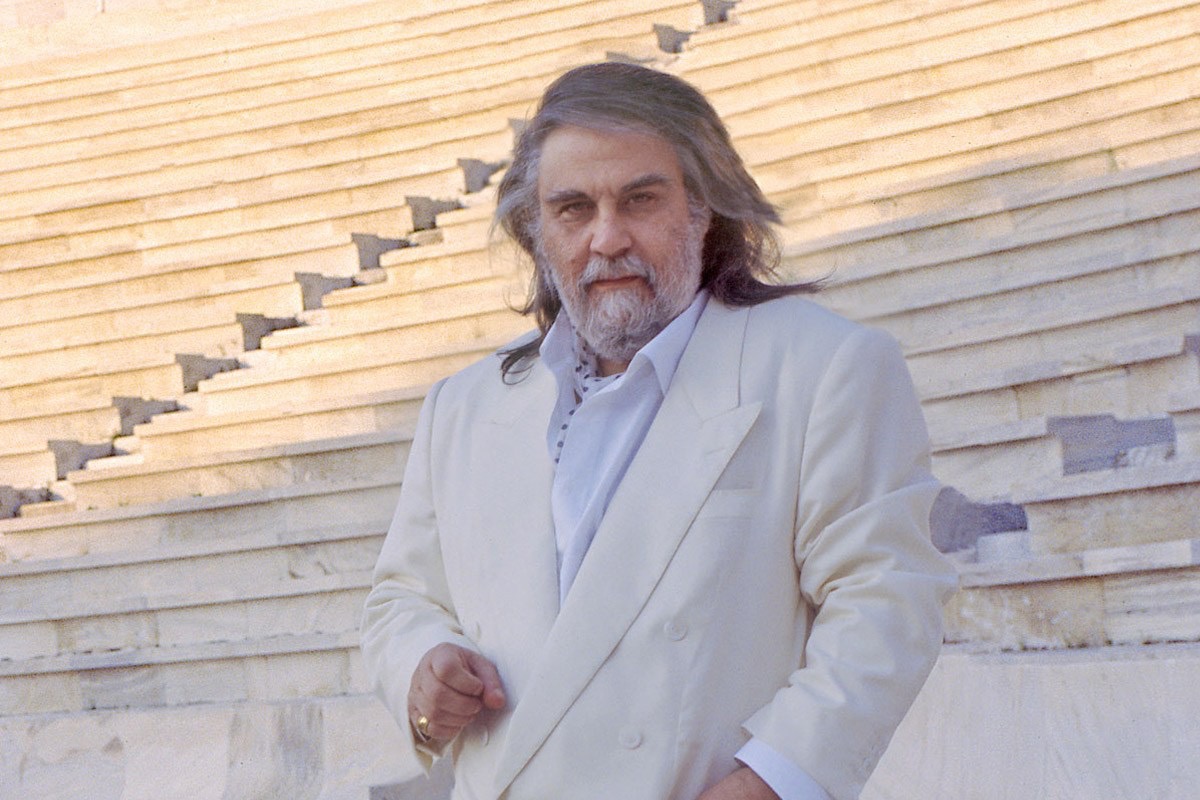
It was in 1982 that the composer Vangelis Papathanasiou won the Oscar for Best Music for the film “The Chariots of Fire”, a music theme that brings us in mind the great Olympic Games ever since.

Christina Lazaridi
In the category Best Short Film, Christina Lazaridi was nominated for “One Day Crossing”, but unfortunately didn’t get to win.

Yorgos Lanthimos
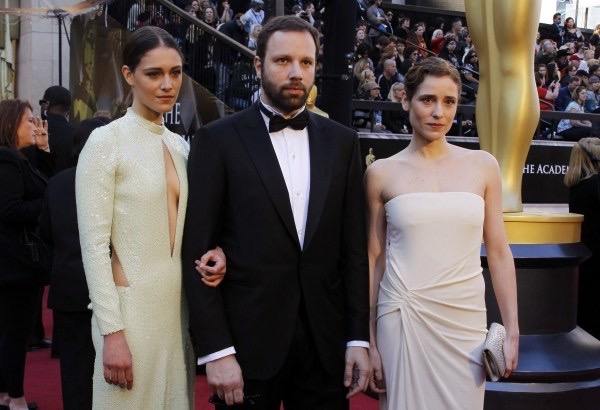
The film “Kynodontas” by Yorgos Lanthimos brought fame and glory to the greek cinema, being nominated as Best Foreign Language Film in 2011, and made the world see the greek cinema with a different view. Unfortunately, the film “In A Better World” from Denmark won instead. Lanthimos is again nominated in the category Original Screenplay for 2017 with “The Lobster”.

Elia Kazan

Elia Kazan won the Oscar for Best Director for “Gentleman’s Agreement” in 1948, starring Gregory Peck, and a few years later, in 1955, he won again with the film “On The Waterfront”, in which Marlon Brando won the Oscar for Best Actor in leading role. In 1963, his film “America America” was nominated for Best Picture, Best Director, Best Writing and Screenplay. Gene Callahan won the Oscar for Best Art Direction-Set Decoration. Elia Kazan receives an honorary Oscar from Martin Scorsese in 1999.

Nicholas Kazan
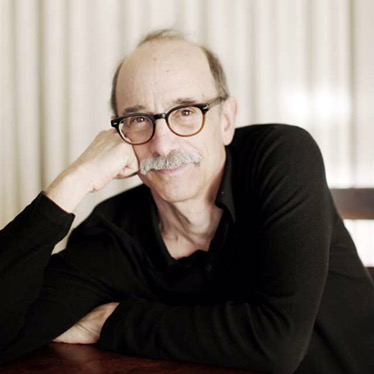
Elia’s son, Nicholas, was nominated for Best Writing, Screenplay Based on Material from Another Medium.

Olympia Dukakis
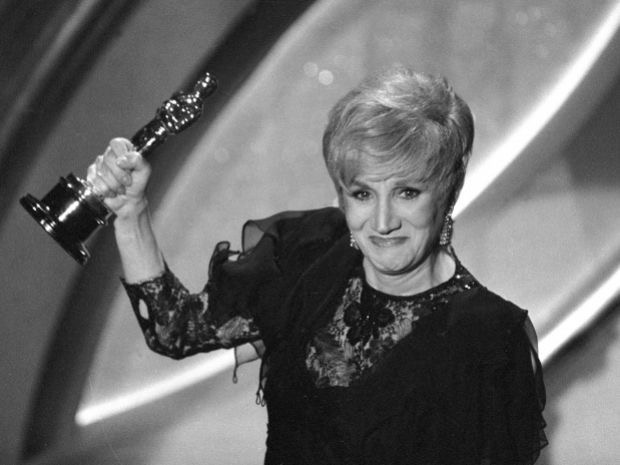
Olympia Dukakis won the Oscar for Best Supporting Actress in the film “Moonstruck”.

George Chakiris

In 1962 George Chakiris won the Oscar for Best Supporting Actor for the film “West Side Story”, and became the first actor to win an Oscar for his dancing skills.

Hermes Pan
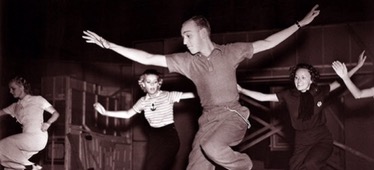
Pan was born Hermes Panagiotopoulos in 1909 in Memphis, Tennessee, of Greek extraction. His father, the Greek consul in Memphis, Tennessee was from Kalavryta in Peloponnese, where his family had opened the first theatre. He is principally remembered as Fred Astaire’s choreographic collaborator on the famous 1930s movie musicals starring Astaire and Ginger Rogers. He won an Emmy Award for the 1958 television special An Evening with Fred Astaire and was recognized with a National Film Award in 1980, and by the Joffrey Ballet in 1986. He was awarded the 1937 Academy Award for Best Dance Direction for “A Damsel in Distress”. He had previously received Academy Award nominations for the “Top Hat” and “The Piccolino” numbers from Top Hat (1935) and for the “Bojangles of Harlem”‘ number from Swing Time (1936).

Telly Savalas

Telly Savalas was nominated for Best Actor in a Supporting role for the film “Birdman of Alcatraz”, in 1963.

Phedon Papamichael
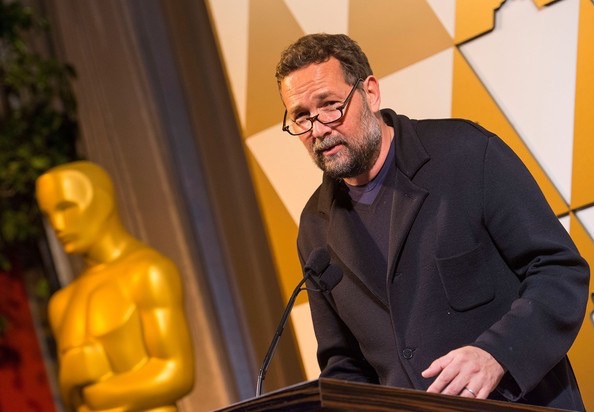
He was nominated for the Oscar of Best Achievement in Cinematography in 2014, for the film “Nebraska”, which was directed by the also Greek Alexander Payne. The film was nominated for 6 Oscars: Best Motion Picture of the Year, Best Performance by an Actor in a Leading Role, Best Performance by an Actress in a Supporting Role, Best Achievement in Cinematography, Best Achievement in Directing, Best Writing, Original Screenplay.

Alexander Payne
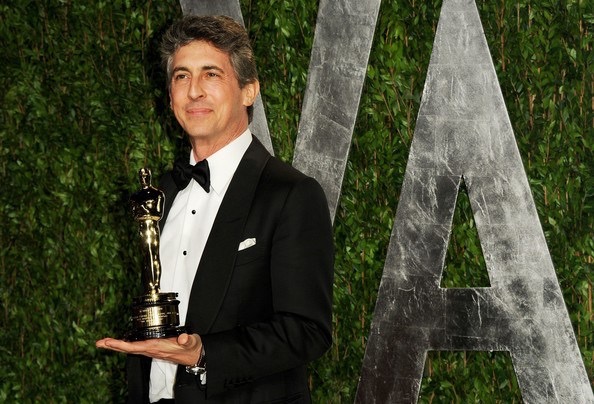
Payne is a two time winner of the Academy Award for Best Adapted Screenplay, and a three time nominee of the Academy Award for Best Director. Payne’s film “The Descendants” was nominated for 5 Oscars: Best Writing, Adapted Screenplay, Best Motion Picture of the Year, Best Performance by an Actor in a Leading Role, Best Achievement in Directing, Best Achievement in Film Editing. It finally won the Oscar for Adapted Screenplay.

Chris Sarandon
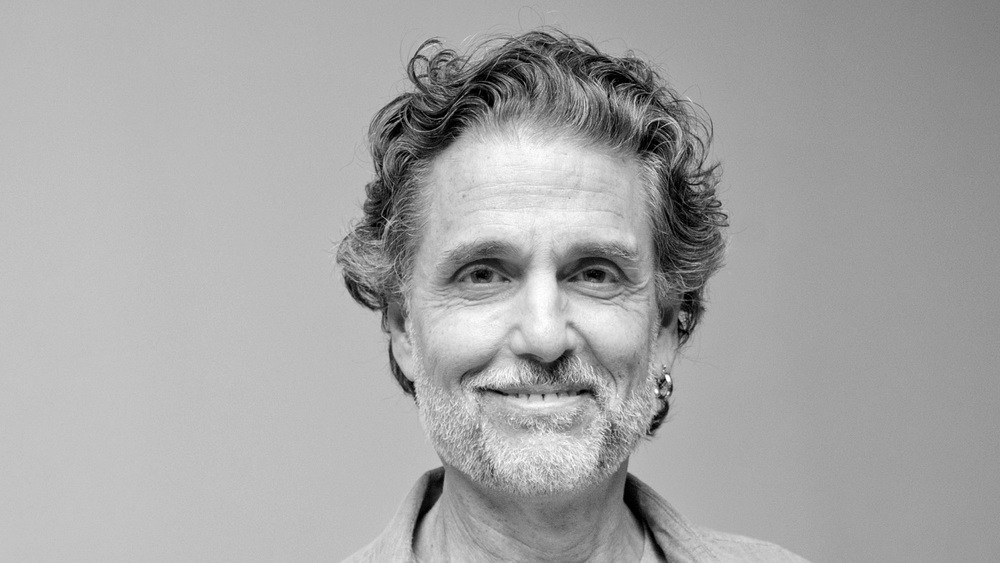
He was nominated for the Best Supporting Actor Oscar for the film “Dog Day Afternoon”.

John Cassavetes

He was nominated for three Oscars: Best Director (for the fiml “A Woman Under The Influence” in 1975), Best Writing, Story and Screenplay – Written Directly for the Screen (“Face” in 1969( and Best Actor in a Supporting Role (in the film “The Dirty Dozen”, 1968).

Dean Tavoularis
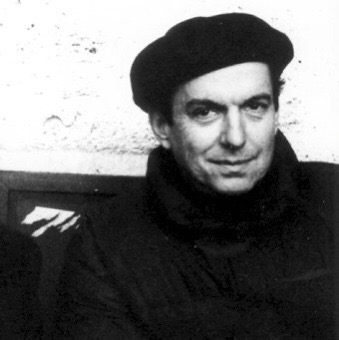
He had five Oscar nominations (Best Art Direction-Set Decoration for “The Godfather: Part III” (1990), Best Art Direction-Set Decoration for “Tucker: The Man and His Dream” (1988), Best Art Direction-Set Decoration for “Apocalypse Now” (1979), Best Art Direction-Set Decoration for “The Brink’s Job” (1978), and Best Art Direction-Set Decoration for “The Godfather: Part II” (1974), which he actually won.

Nia Vardalos
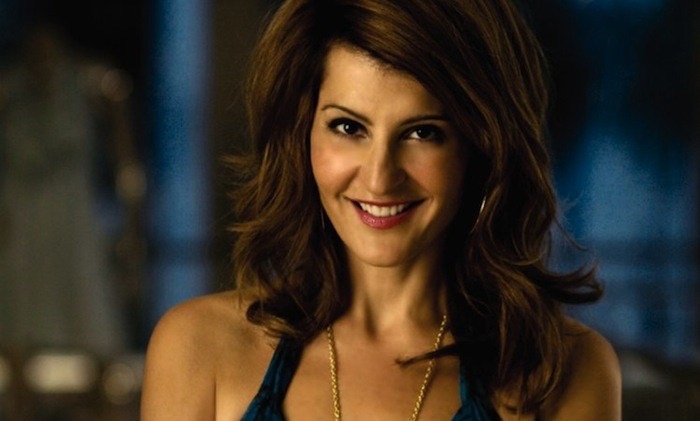
Nominated for Best Writing, Original Screenplay for the very successful “My Big Fat Greek Wedding”.

Alexandre Desplat

He has eight nominations for Best Achievement in Music Written for Motion Pictures (The Grand Budapest Hotel (2014), The Imitation Game (2014), Philomena (2013), Argo (2012), The King’s Speech (2010), Fantastic Mr. Fox (2009), The Curious Case of Benjamin Button (2008), The Queen (2006). He got to win the Oscar for The Grand Budapest Hotel.

Louie Psihoyos
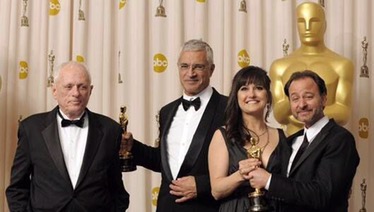
Psihoyos won the Oscar for Best Documentary for the film “The Cove”.

George Miller 
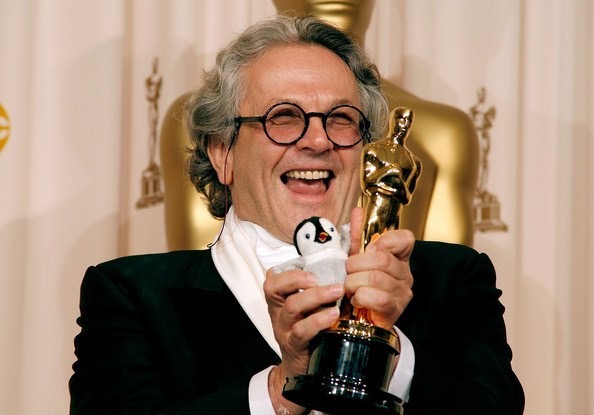
He is mostly famous for making the trilogy of the movie «Mad Max» (1979, 1981, 1985), and later on for «Happy Feet» (Oscar Award for Best Animated Feature Film of the Year 2006), and «Babe» (Oscar Award for Best Visual Effects in 1995). Mad Max is nominated for 10 Oscars.

Anthony Katagas


The Greek-American producer was one of the producers to win the award for Best Picture for “12 Years a Slave,” alongside Steve McQueen, Brad Pitt and Jeremy Kleiner. The noted Greek-American film producer, who has backed more than 30 films, hit the jackpot at the 2014 Academy Awards, winning an Oscar as one of the producers.

Nikolaj Arcel

He is best known for his 2012 film A Royal Affair which won two prizes at the Berlin International Film Festival and was nominated for Best Foreign Language Film at the Academy Awards.

Elizabeth Gianni- Georgiou

Elizabeth Gianni- Georgiou with David White are nominated in the category Makeup and Hairstyling, for their wotk in the movie Guardians of the Galaxy in 2015.

Mary Zophres
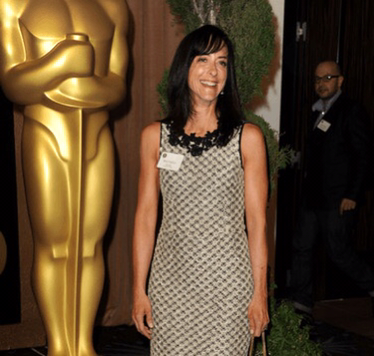

Mary Zophres is one of the most talented costume designers in Hollywood. She has worked with the most important directors of Hollywood like Steven Spielberg and Coen Brothers among others. In the movie “True Grit” she earned an Oscar nomination of the best Costume Designer.

Daphne Matziaraki


The Academy of Motion Picture Arts and Sciences announced that the 5 nominations for Documentary Short Subject for the 89th Academy Awards 2017. Among them Daphne Matziaraki’s documentary about the refugee crisis, «4.1 Miles».
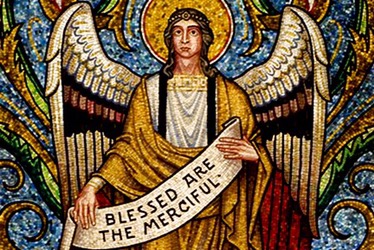
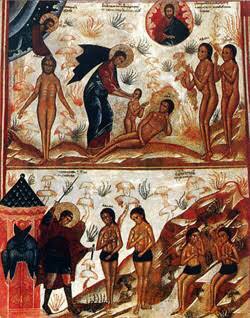
Tomorrow 26th February 2017, Cheesfare Sunday (Sunday of Forgiveness) THE REMEMBRANCE OF ADAM’S EXPULSION FROM PARADISE


Forgiveness Sunday, also called Cheesefare Sunday, is the final day of pre-Lent. It is the Sunday after Meatfare Sunday and the Sunday before the Sunday of Orthodoxy.

Significance of the day

On this last Sunday before Great Lent, the last day that traditionally Orthodox Christians eat dairy products until Easter, the Church remembers the expulsion of Adam and Eve from Paradise. God commanded them to fast from the fruit of a tree (Gen. 2:16), but they did not obey. In this way Adam and Eve and their descendants became heirs of death and corruption.

On Forgiveness Sunday many attend Forgiveness Vespers on the eve of Great Lent. They hear on the Lord’s teaching about fasting and forgiveness and enter the season of the fast forgiving one another so that God will forgive them. If you forgive men their trespasses, your heavenly Father will forgive you; but if you do not forgive men their trespasses, neither will your heavenly Father forgive you your trespasses (Matthew 6:14).

The Gospel reading of the day also gives advice on fasting. Moreover, when you fast, do not be like the hypocrites, with a sad countenance. For they disfigure their faces that they may appear to men to be fasting. Assuredly, I say to you, they have their reward. But you, when you fast, anoint your head and wash your face, so that you do not appear to men to be fasting, but to your Father who is in the secret place; and your Father who sees in secret will reward you openly. (Matthew 6:16-18).

The Rite of Forgiveness

After the dismissal at Vespers, the priest stands beside the analogion, or before the ambon, and the faithful come up one by one and venerate the icon, after which each makes a prostration before the priest, saying, “Forgive me, a sinner.” The priest also makes a prostration before each, saying, “God forgives. Forgive me.” The person responds, “God forgives,” and receives a blessing from the priest. Meanwhile the choir sings quietly the irmoi of the Paschal Canon, or else the Paschal Stichera. After receiving the priest’s blessing, the faithful also ask forgiveness of each other.

Now we are at the last day of the threshold before Great Lent. On this day, the Church remembers the terrible tragedy that happened to mankind at the dawn of its history—its expulsion in the person of our forefather Adam from the face of God; the expulsion of Adam from paradise.

The vale of tears and sadness—the earth—received the outcast, so that at God’s commandment the transgressor would reap thorns and thistles, so that he would eat his bread in the sweat of his brow, so that in pain, tears, and sadness he would give birth to his children and feed them, so that he would reap all the bitter fruits of his disobedience to the Heavenly Father.

Adam wept in his exile, sitting “outside of paradise”; he wept, remembering what he was, what he possessed, and Who he lost. To this day, all mankind weeps and sighs over the first Adam, over the now elusive phantom of happiness. The whole world, harassed and weary, weeps because of its waywardness, because of its naked soul; because life is aimless and joyless. Nothing can fill our life so that we might unconditionally feel the fullness of true—not phantom—happiness; for this fullness is only in God.

But we are exiles. Paradise is far away, and the farther mankind lives from the time of the fall, the more shadowy that beautiful image of paradise becomes in him, the deeper is mankind’s pain and suffering, and the more the image and likeness of God is erased from his soul. The world would have perished long ago, had not the Second Adam, Christ, not reopened locked paradise and given man the opportunity to return to it.

We now bear the weight and sorrow of the life of an exile. Even we, who live the life of the Church, know also the paradisal joy of the open Royal doors, and the life-creating, jubilant words, “Christ is Risen!”; in them is the original nearness to divine love for man. But preceding this paradisal joy on earth is Great Lent, and the Church continually teaches that what we have lost through sin, we can find and regain only through repentance, podvig, and ascetic labors of great temperance.

Just a few hours will pass, and we will all notice with amazement that something will change around us and within us; something will happen that will place a seal of particular concentration and attention upon everything. And along with the Church, we must pass from the call to repentance to the very labors of repentance, to the work of repentance.

Our Mother-Church received the Lord’s commandment of the healing fast, which could be heard in Old Testament times for the people of God through the Prophet Joel: Now therefore, saith the Lord your God, turn to me with all your heart, and with fasting, and with weeping, and with lamentation… sanctify a fast, proclaim a solemn service … assemble the elders… and all the inhabitants of the Lord’s house, Let the priests that minister to the Lord weep, and say, Spare thy people, O Lord, and give not thine heritage to reproach… (Joel 2:12, 15, 16, 17).

The Second Adam, Jesus Christ, began the path of His labors with a great forty days fast, so that by His divine love for fallen man He might open again locked paradise and show the way by which man may return to it.

The Holy Gospels testify that, Then was Jesus led up of the Spirit into the wilderness… And when he had fasted forty days and forty nights, he was afterward an hungered (Mt. 4:1–2). And the devil came to Him and tempted Him. Great is the audacity and blindness of the dark power. Having made progress in tempting man in paradise, it began to war against God unto blindness, not recognizing in Christ the Savior and Son of God; it approached His meekness, humility, patience, purity, and holiness with the darkness of temptations woven from pride, betrayal, conceit, and lies. But sinless Christ God, Who needed no purification, opposed the tempter with fasting and prayer, showing all of us who follow Him the path of struggle with sin. And the Lord confirmed by word and deed that this kind goeth not out but by prayer and fasting (Mt. 17:21).

By prayer and fasting, the Christian receives the strength of the Spirit from the Lord for his struggle with the enemy; through fasting and prayer he receives the gift of discernment and the mind of Christ; prayer and fasting lights the light, which disperses the darkness of sinful life, for, The light shineth in darkness; and the darkness comprehended it not (Jn. 1:5).

But by his will, man chooses between a path of corruption and incorruption, good and evil. If woe, suffering, and death entered life through the sin of disobedience to God, then only through obedience, prayer, and fasting—our living sacrifice of love for God—can the light of supreme righteousness, peace, and joy return. And this, my dear ones, is paradise on earth.

However, according to God’s commandment, love for God on earth manifests only as love for people. The heart of a Christian can warm itself and burn only with a two-in-one love for God and people simultaneously. If our heart is hard and cruel toward our brother, to man, then darkened by dislike, coldness, and cruelty, it becomes indifferent or hypocritical toward God. And paradise, which could have been so close—in our heart—leaves and fades, and the sin of lack of love gives birth to disobedience, conceit, and self-love.

But how can we love a sinner? How can we love those who do not love us, our enemies? Here also, the Lord comes to our aid. He gives us the Lord’s prayer. We hear every day, “And forgive us our debts, as we forgive our debtors…”

By this prayer the Lord is saying to us, look at yourself:

—after all, you are that very debtor who needs to be forgiven;

—you are that very sinner;

—you are the one who does not love—you love by choice;

—you are someone’s enemy—you have offended someone, had contempt for someone, humiliated someone.

You yourself need forgiveness, you need condescending love.

The words of today’s Gospel also resound: For if ye forgive men their trespasses, your heavenly Father will also forgive you: But if ye forgive not men their trespasses, neither will your Father forgive your trespasses (Mt. 6:14-15). Forgive everyone everything, and you will be forgiven. Forgive, and you will be saved, and you will inherit paradise.

Following immediately after these words of the Lord about forgiveness are these other words: Judge not, and ye shall not be judged (Mk. 7:1).

In these words the Lord shows a very short and most sure path to salvation, which opens to us the gates of the Kingdom of Heaven. The Lord shows us that virtue, without which all our ascetic labors and efforts in life in general, and during the Great fast in particular, will be in vain. Furthermore this is the only path—the path of love for people, beginning with non-judgment.

Judge not, and ye shall not be judged… In His first Coming, the Lord came not to judge the world, but to save it. He came to open locked paradise to it. After all, God gave all judgment to His Son at the Second Coming; but for now, mercy rejoiceth against judgment (Js. 2:13).

Now is yet the time of God’s mercy. God still has mercy on us, but we judge and enforce. Having no doubts at all, we lift ourselves up in opinion and judgment over our neighbors, both near and far, small and great. We judge when we know much; we judge when we know nothing at all; we judge from other people’s words.

Just think, my dear ones, our judgment, as the judgment of an enemy, extends even to the Savior Himself. A person has sinned before God, before people, and we are witnesses of it. But we did not see how he repented, and we did not hear the priest’s consoling words pronounced over his head: “And by the authority given to me, I forgive and absolve all your sins, in the name of the Father, the Son, and the Holy Spirit.” God’s mercy has already erased the handwriting of sins, but we continue to remember and judge. This is no longer judgment over a man, but a judgment over God, Who has been merciful and forgiven.

Thus, we perish by judgment. For where there is judgment, there is no love. Only love is capable of being at all times an advocate, and only love can cover our brother’s nakedness.

But we judge! And this judgment becomes our own condemnation and sentence, which sounds like this: For he shall have judgment without mercy, that hath shewed no mercy (Js. 2:13)! And paradise cannot receive us, for we have no love in us. Where there is no love, there is no salvation.

Today, beginning with the podvig of Great Lent, let us, friends, resolve two major spiritual lessons: do not judge and do not tempt! So that we might root ourselves in saving, blessed non-condemnation, that we might place a beginning of this podvig during the very first days of Great Lent, we must learn to see, judge, and condemn only ourselves—the only person that we truly know, from all sides and deeply. This is where judgment without mercy will be unto salvation; for this is the only judgment that will lead us to true reason. It gives us a vision of that abyss on the edge of which we stand, and which we dig out by our sins, our debts to God and people, and by our condemnation of others.

This judgment of ourselves will tear a living, saving cry from our hearts that will reach the heavens: “Lord! Have mercy on me. O God, be merciful to me, a sinner!” And the miracle of our salvation will begin. The Lord will console our repentant souls and hearts with peace, calm, and love. In the words of our dear elder, St. Seraphim of Sarov, “Acquire the spirit of peace, and thousands will be saved around you”—transformation will begin in life around us.

“Now is the spring of the soul!” Holy and Great Lent is at the doors. May the seed of our repentance and prayer sprout forth by it, and produce the saving fruits of our soul’s resurrection in God.

Children of God!

“May your mind fast from vain thoughts;

may your will fast from evil desires;

may your eyes fast from seeing evil;

may your ears fast from base songs and calumnious whisperings;

may your tongue fast from slander, condemnation, lies, flattering, and foul language;

may your hands fast from striking, and from stealing what does not belong to you;

may your feet fast from walking to evil deeds.”

This is the Christian fast, which the Lord expects of us.

Our friends, let us enter the Great Fast, let us enter the field of its ascetic labors—repentance, temperance, and humility—and confirm ourselves in them; so that having received forgiveness, we may meet Christ’s resurrection, Holy Pascha—the heavenly radiance on earth.

Amen.
Source: Archimandrite John (Krestiankin)

John Stamos to Appear on Who Do You Think You Are?

LOS ANGELES, CA – Beloved Greek-American actor John Stamos will appear on the TLC show Who Do You Think You Are? airing on March 5 at 10 PM. Now in its 7th season, the show traces celebrities’ ancestry and discovers the remarkable family history and heritage of some of the most well-known people in the world.  John Stamos digs into the mystery of how his grandfather became an orphan, and learns of tensions between families that led to a horrible crime.

The celebrities participate in the investigation, traveling to the countries their ancestors left behind, revealing their family stories like a mystery through the documents and historical records the show’s researchers help uncover.

Stamos traveled to Greece to explore his roots for the show. The trailer for the upcoming season shows footage of Stamos observing that, “my family are such proud Greeks. Why did we leave here?”

The family’s original surname was Stamatopoulos, shortened to Stamos, as noted in the actor’s biography, and his father William Stamos, was a restaurateur. On his mother’s side, Stamos is of English and Irish ancestry. Family secrets are revealed in the course of the show and the trailer suggests some dramatic and dark history, including a murdered ancestor.

Who Do You Think You Are? featuring John Stamos and his family history will air on TLC on March 5 at 10 PM, check your local listings for the time in your area. Among the celebrities to appear on the show this season are Courteney Cox, Jessica Biel, Noah Wyle, Julie Bown, Liv Tyler, Smokey Robinson, and Jennifer Grey.

Το «κακό μάτι» και ο Γέροντας Παΐσιος

Η βασκανία

Η ζήλεια, όταν έχει κακότητα, μπορεί να κάνει ζημιά. Αυτή είναι η βασκανία· είναι μια δαιμονική ενέργεια.

– Γέροντα, τη βασκανία την παραδέχεται η Εκκλησία;

– Ναι, υπάρχει και ειδική ευχή (Ο Γέροντας τόνιζε πως μόνο ο ιερέας μπορεί να διαβάζει την ευχή για βασκανία). Όταν κανείς λέει κάτι με φθόνο, τότε πιάνει το «μάτι».

– Πολλοί, Γέροντα, ζητούν «ματάκια» για τα μωρά, για να μην τα ματιάζουν. Κάνει να φορούν τέτοια;

– Όχι, δεν κάνει. Να λέτε στις μητέρες σταυρό να τα φορούν.

– Γέροντα, αν κανείς επαινέσει ένα ωραίο έργο, και αυτοί που το έφτιαξαν δεχθούν τον έπαινο με υπερήφανο λογισμό και γίνει ζημιά, αυτό είναι βασκανία;

– Αυτό δεν είναι βασκανία. Σ’ αυτήν την περίπτωση λειτουργούν οι πνευματικοί νόμοι. Παίρνει τη Χάρη Του ο Θεός από τον άνθρωπο, και τότε γίνεται ζημιά. Βασκανία υπάρχει σε σπάνιες περιπτώσεις. Ιδίως oι άνθρωποι που έχουν ζήλεια και κακότητα – λίγοι είναι τέτοιοι – αυτοί είναι που ματιάζουν. Μια γυναίκα λ.χ. βλέπει ένα παιδάκι χαριτωμένο με την μάνα του και λέει με κακότητα: «Γιατί να μην το είχα εγώ αυτό το παιδί; Γιατί να το δώσει ο Θεός σ’ αύτη;» Τότε το παιδάκι εκείνο μπορεί να πάθει ζημιά- να μην κοιμάται, να κλαίει, να ταλαιπωρείται, γιατί εκείνη το είπε με μια κακότητα. Και αν αρρώσταινε και πέθαινε το παιδί, θα ένιωθε χαρά μέσα της. Άλλος βλέπει ένα μοσχαράκι, το λαχταρά, και αμέσως εκείνο ψοφάει.

Πολλές φορές όμως μπορεί να ταλαιπωρείται το παιδί και να φταίει η ίδια η μάνα. Μπορεί δηλαδή η μάνα να είδε καμιά φορά κανένα αδύνατο παιδάκι και να είπε: «Τί είναι αυτό; Τί σκελετωμένο παιδί!» Να καμάρωνε το δικό της και να κατηγόρησε το ξένο. Και αυτό που είπε με κακία για το ξένο παιδί, πιάνει στο παιδί της. Μετά το παιδί ταλαιπωρείται εξ αιτίας της μάνας, χωρίς να φταίει. Λειώνει-λειώνει το καημένο, για να τιμωρηθεί η μάνα και να καταλάβει το σφάλμα της. Τότε φυσικά το παιδί θα πάει μάρτυρας! Τα κρίματα του Θεού είναι άβυσσος.
(Γέροντος Παϊσίου Αγιορείτου Λόγοι Α΄, Με πόνο και αγάπη για το σύγχρονο άνθρωπο, Ιερόν Ησυχαστήριον «Ευαγγελιστής Ιωάννης ο Θεολόγος» Σουρωτή Θεσσαλονίκης 1998,σ. 109).

Fascinating radio interview with George Michael

Fascinating and funny radio interview with George Michael on his pneumonia battle, music and politics.

Brit awards 2017 winners – the full list

David Bowie honoured with two major awards at this year’s event, while Beyonce, Little Mix, Drake and newcomer Rag’n’Bone Man also took home prizes.


British male solo artist

Craig David 

David Bowie – WINNER

Kano 

Michael Kiwanuka 

Skepta


British female solo artist

Anohni 

Ellie Goulding 

Emeli Sandé – WINNER 

Lianne La Havas 

Nao


British group

The 1975 – WINNER 

Bastille 

Biffy Clyro 

Little Mix 

Radiohead


British breakthrough act

Anne-Marie 

Blossoms 

Rag’n’Bone Man – WINNER 

Skepta 

Stormzy


Brits global success award

Adele – WINNER


Best single

Alan Walker – Faded 

Calum Scott – Dancing On My Own 

Calvin Harris ft Rihanna – This Is What You Came For 

Clean Bandit ft Sean Paul & Anne-Marie – Rockabye 

Coldplay – Hymn For the Weekend 

James Arthur – Say You Won’t Let Go 

Jonas Blue feat. Dakota – Fast Car 

Little Mix – Shout Out To My Ex – WINNER 

Tinie Tempah ft Zara Larsson – Girls Like 

Zayn – Pillowtalk


Mastercard British Album

The 1975 – I Like It When You Sleep for You Are Beautiful Yet So Unaware of It 

David Bowie – Blackstar – WINNER 

Kano – Made in the Manor 

Michael Kiwanuka – Love & Hate 

Skepta – Konnichiwa


International male solo artist

Bon Iver 

Bruno Mars 

Drake – WINNER 

Leonard Cohen 

The Weeknd


International female solo artist

Beyoncé – WINNER 

Christine and the Queens 

Rihanna 

Sia 

Solange


International group

A Tribe Called Quest – WINNER 

Drake & Future 

Kings of Leon 

Nick Cave & the Bad Seeds 

Twenty One Pilots


Best British video

Adele – Send My Love (To Your New Lover) 

Calvin Harris ft Rihanna – This Is What You Came For 

Clean Bandit ft Sean Paul & Anne-Marie – Rockabye 

Coldplay – Hymn for the Weekend 

James Arthur – Say You Won’t Let Go 

Jonas Blue ft Dakota – Fast Car 

Little Mix ft Sean Paul – Hair 

One Direction – History – WINNER 

Tinie Tempah ft Zara Larsson – Girls Like 

Zayn – Pillowtalk

TripAdvisor best beaches in the world including Australia and Greece


Nothing beats Whitehaven Beach in the Whitsundays.

When it comes to jaw-dropping beaches — Australia doesn’t muck around.

We’re home to some of the most beautiful stretches of coastline in the world so judging which one is best is no easy job.

TripAdvisor has analysed millions of reviews to release its best beaches in Australia list for its 2017 Travellers’ Choice awards with some surprising (and not so surprising) results.

No stranger to awards, Whitehaven Beach once again claimed first place. This stunning stretch of sand in the Whitsundays topped the list for the fourth year running with many Queensland beaches dominating the top 10.

“Our reefs, islands and beaches are signature experiences and a drawcard for millions of visitors each year,” says Leanne Coddington, chief executive of Tourism and Events Queensland.

So what about the surprises?

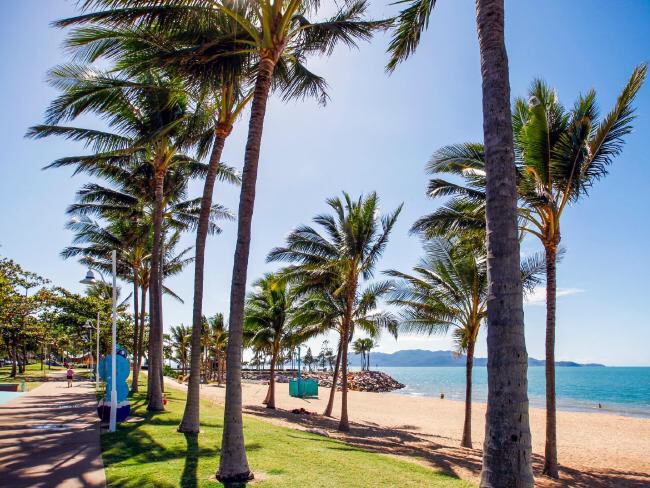
For the first time ever, The Strand at Townsville landed itself in the top 10. Popular with families, it secured ninth spot on the list. The lesser-known Emily Bay on Norfolk Island also squeezed in at tenth spot.

Closely behind Whitehaven Beach was Surfers Paradise Beach followed by Noosa Main Beach and Manly Beach — our iconic Bondi Beach was a noticeable omission.

“Aussies love the beach so for those planning their next sandy getaway, TripAdvisor has identified from millions of traveller reviews, the best beaches throughout the world as well as those right here in our back yard,” said Joanne Kershaw, spokesperson for TripAdvisor.

Planning your next beach holiday? Here’s a look at the top 10 around the country.

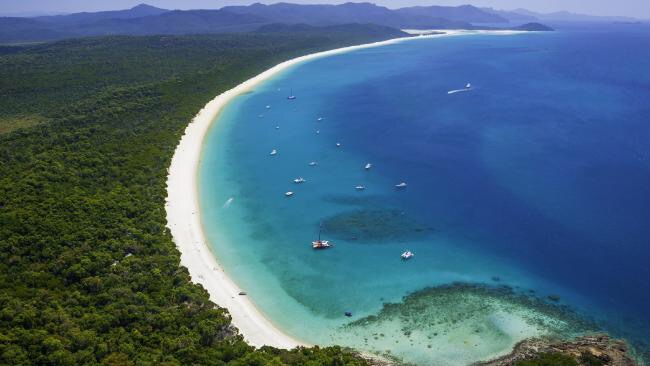
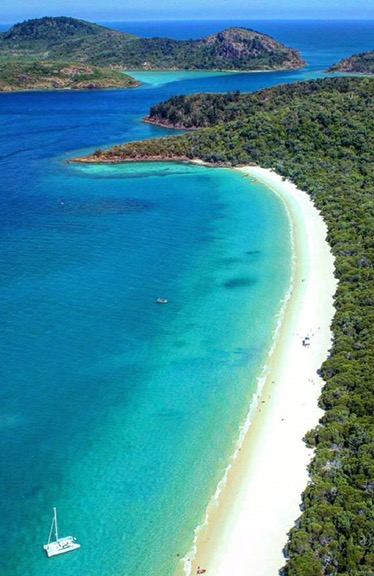
1. WHITEHAVEN BEACH, QLD

Stretching over seven kilometres its white sand, blue waters and green headlands makes it one of the most photographed beaches in Australia.

“Best beach, purest white sand, and bluest water I have ever seen”, said a TripAdvisor reviewer.

It’s not hard to see why Whitehaven Beach tops the list.


It’s not hard to see why Whitehaven Beach tops the list. Source: News Corp Australia

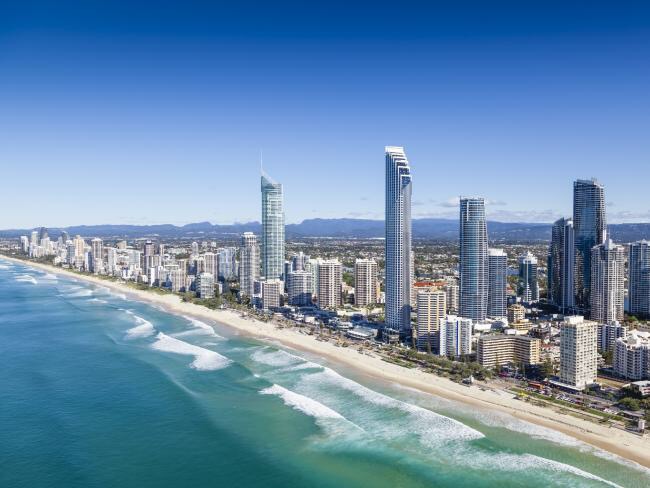
2. SURFERS PARADISE BEACH, QLD

This ‘slice of paradise’ is also one of Australia’s most famous thanks to this endless stretch of coastline dotted with high-rise apartments.

“Beautiful white sandy beach that goes on forever. It is very clean and well patrolled,” said a TripAdvisor reviewer.

Surfer’s Paradise — the original Aussie beach holiday.


Surfer’s Paradise — the original Aussie beach holiday. Source: Supplied
3. NOOSA MAIN BEACH, QLD

You’ll find most of Sydney and Melbourne here in winter thanks to its family-friendly beach, good surf spots and boutique shopping.

Noosa Main Beach is surrounded by national park and perfect swimming spots.


Noosa Main Beach is surrounded by national park and perfect swimming spots. Source: Tourism Events Queensland
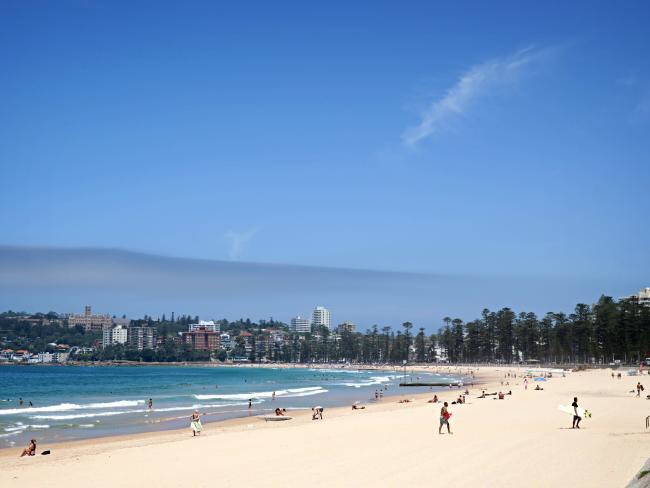
4. MANLY BEACH, NSW

Manly Beach was the first beach in Australia to allow daylight swimming and surfing back in 1903 and was one of the pioneer beaches for surf and beach culture.

“A short walk from the ferry with tons of shops, bars, and wonderful food options,” shared a TripAdvisor traveller.

Manly Beach has always embraced the surf lifestyle.


Manly Beach has always embraced the surf lifestyle. Source: News Corp Australia
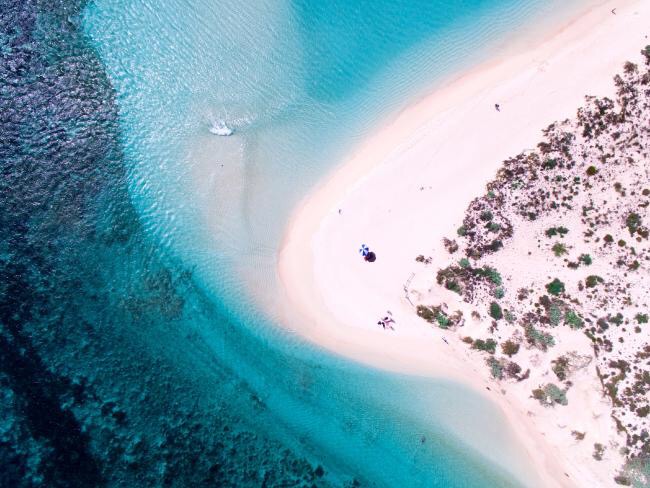
5. TURQUOISE BAY, WA

Located with metres of Australia’s famous Ningaloo Reef, it’s also one of Western Australia’s most beautiful.

“A beautiful beach, golden sands, family friendly, and easy snorkelling. Totally unspoilt, it lived up to its name,” commented a TripAdvisor reviewer.

Turquoise Bay on the Coral Coast of WA.


Turquoise Bay on the Coral Coast of WA. Source:Supplied
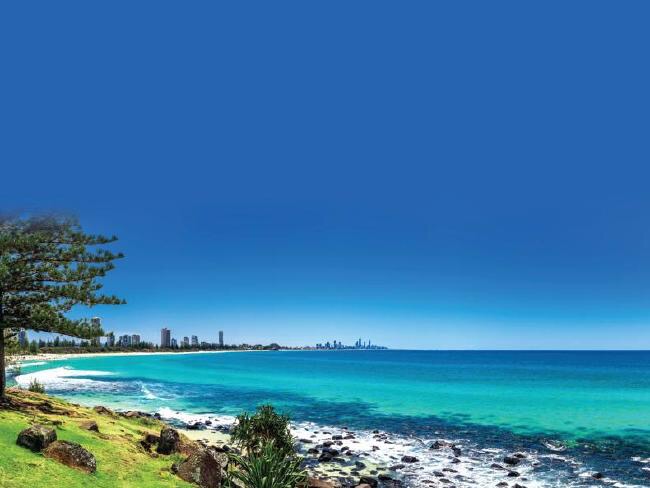
6. BURLEIGH HEADS BEACH, QLD

Known for its awesome surfing conditions you can also head to the nearby Burleigh Head National Park, popular for its many beautiful walking trails and wildlife.

The blue waters of Burleigh Heads.


The blue waters of Burleigh Heads. Source:Supplied
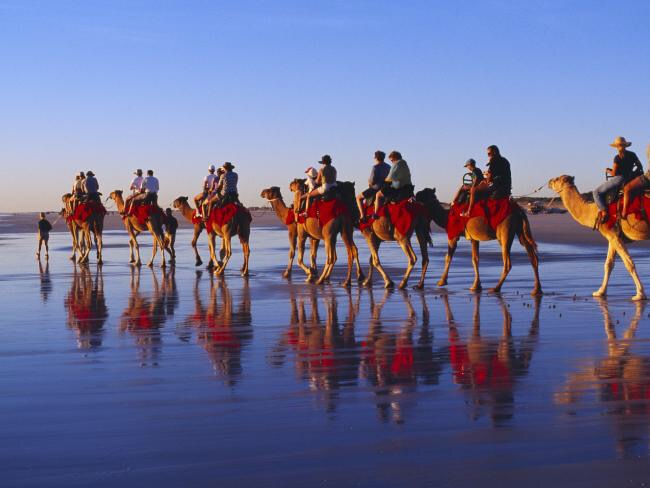
7. CABLE BEACH, WA

Most photos of this stretch of sand will feature the famous camel back beach rides. Stretching over 22 kilometres of pristine sand it also has spectacular sunsets over the Indian Ocean.

Camel rides and sunsets at Cable Beach.


Camel rides and sunsets at Cable Beach. Source:Supplied
8. MOOLOOLABA BEACH, QLD

Located on Queensland’s Sunshine Coast, its popular for its safe water conditions thanks to its north-facing position. Top that with sapphire coloured waters and white sand and its summer holiday heaven.


9. THE STRAND, QLD

Townsville is slowly making a name for itself as an up and coming Queensland destination. TigerAir even announced a new route from Melbourne to Townsville for those wanting to escape the winter months.

“This location has something for everyone, lots of playgrounds, picnic areas, bench for relaxing and spectacular views of the island and ocean,” according to a TripAdvisor user.

The Strand a surprising addition.


The Strand a surprising addition. Source:Supplied
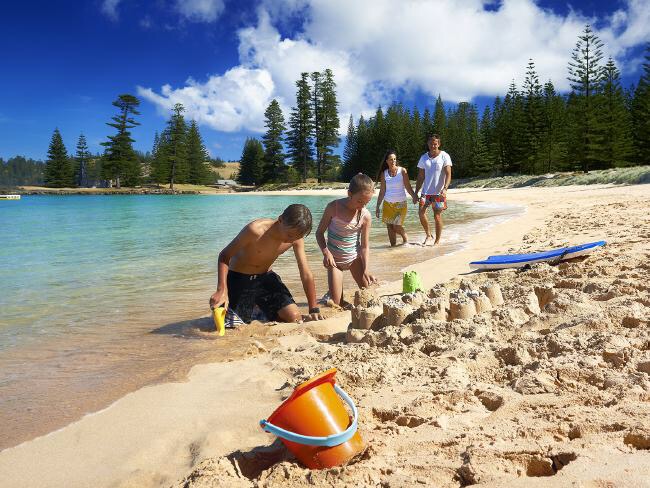
10. EMILY BAY, NORFOLK ISLAND

Set amongst the world heritage area of Kingston, the sheltered reefed lagoon is home to a variety of fish and coral reefs. The beach is also family friendly and offers a great day out for family activities and adventures.


Family friendly Emily Bay at Norfolk Island. Picture: Supplied


WORLD’S BEST BEACHES

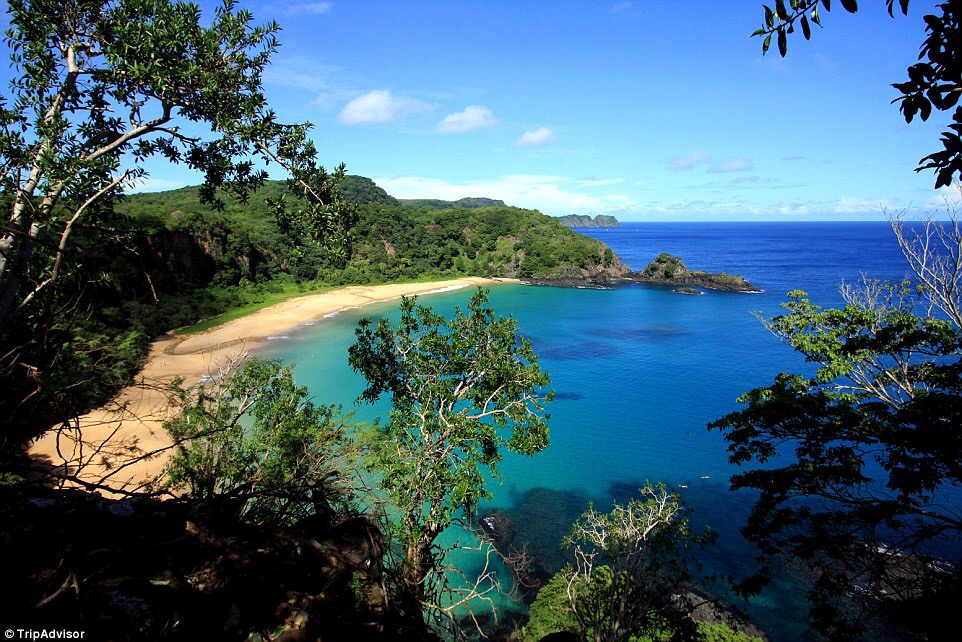
1. Baia do Sancho, Fernando de Noronha, Brazil


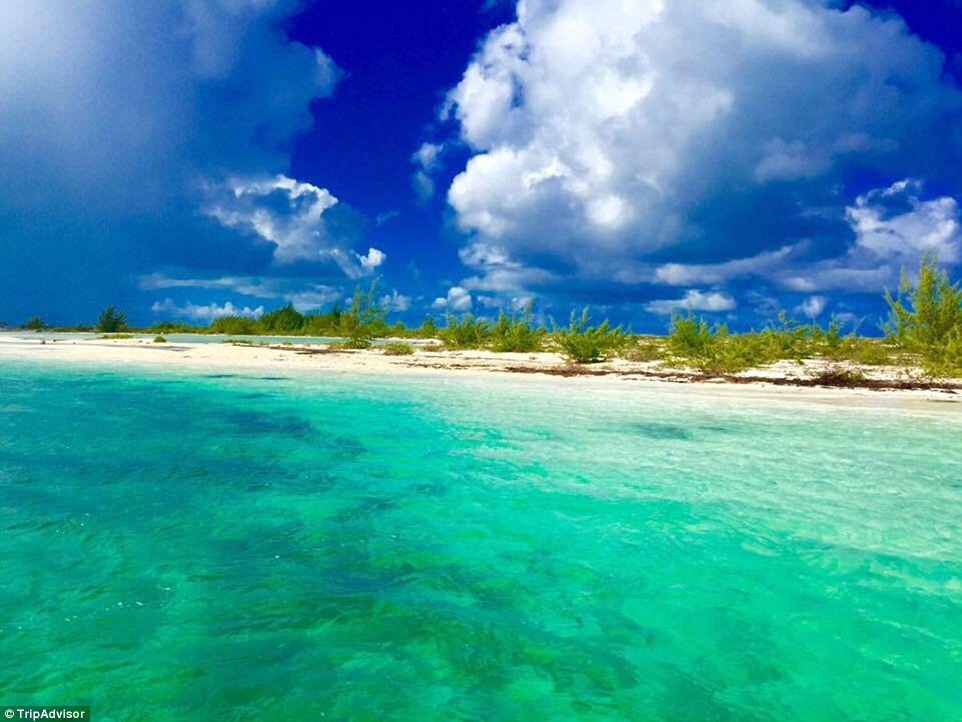
2. Grace Bay, Providenciales, Turks and Caicos


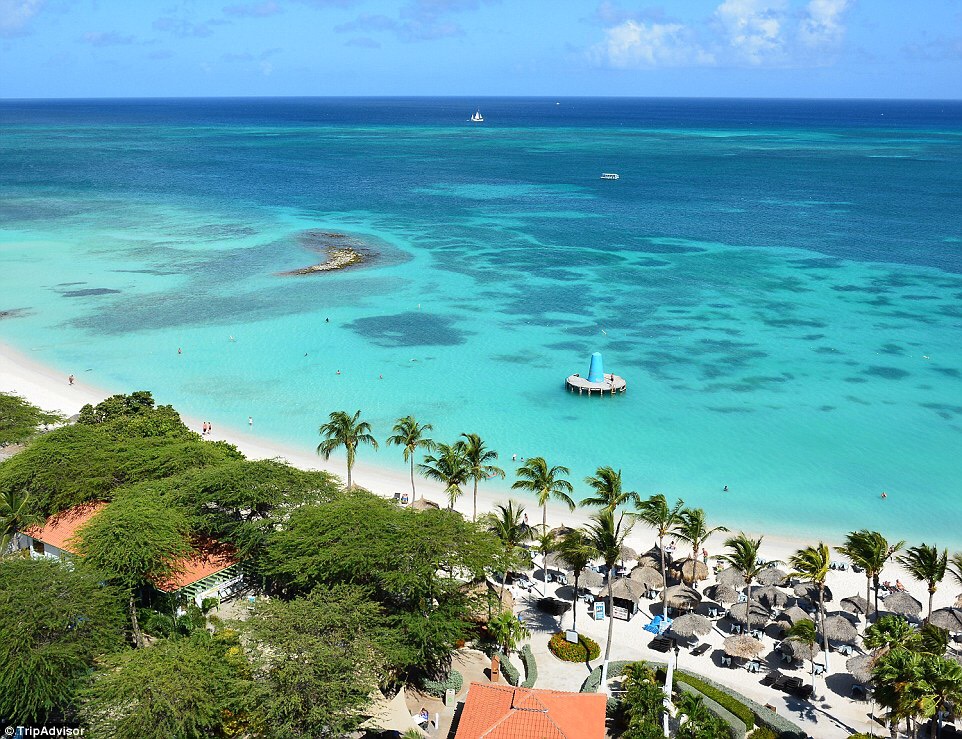
3. Eagle Beach, Palm — Eagle Beach, Aruba


4. Playa Paraiso, Cayo Largo, Cuba


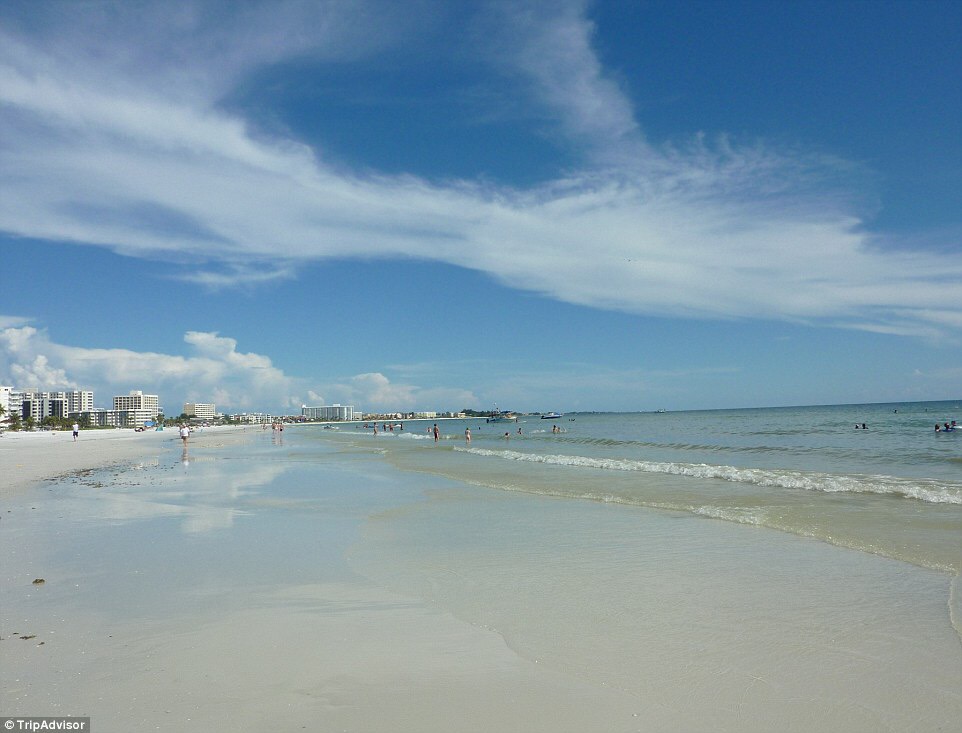
5. Siesta Beach, Siesta Key, United States


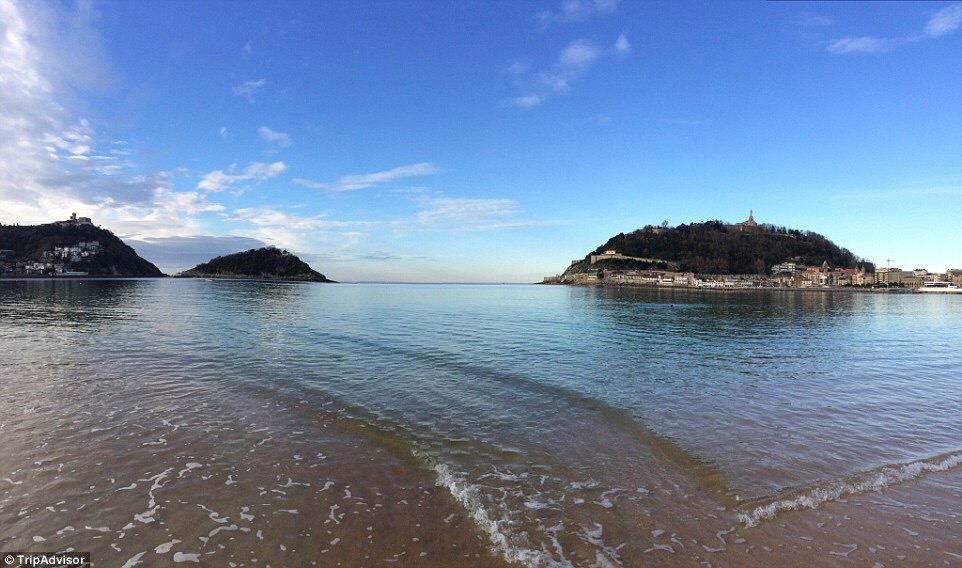
6. La Concha Beach, San Sebastian, Spain


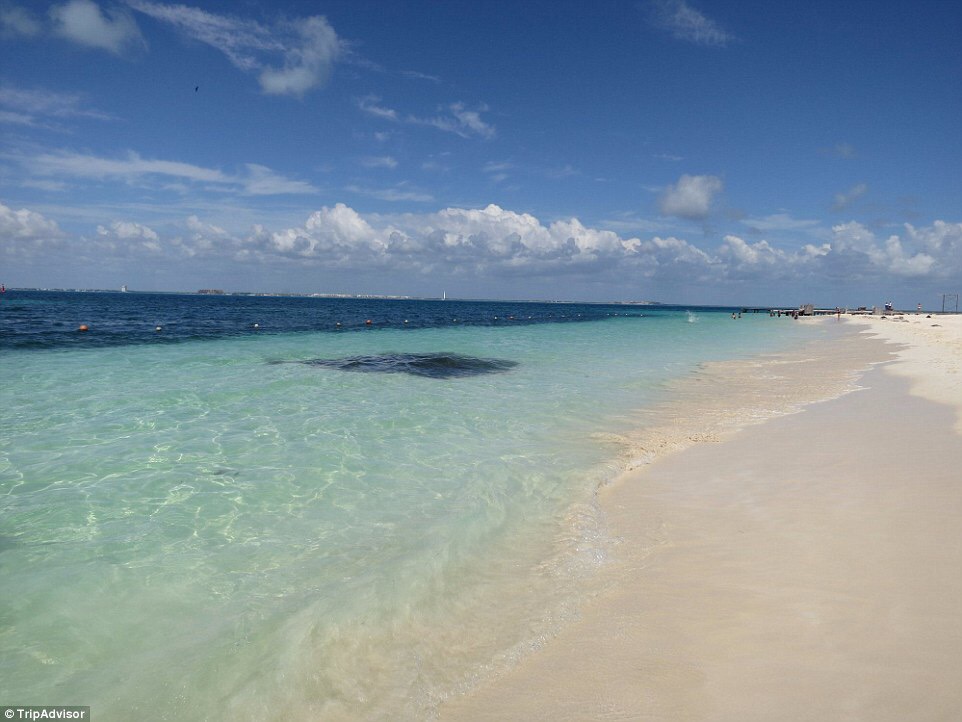
7. Playa Norte, Isla Mujeres, Mexico


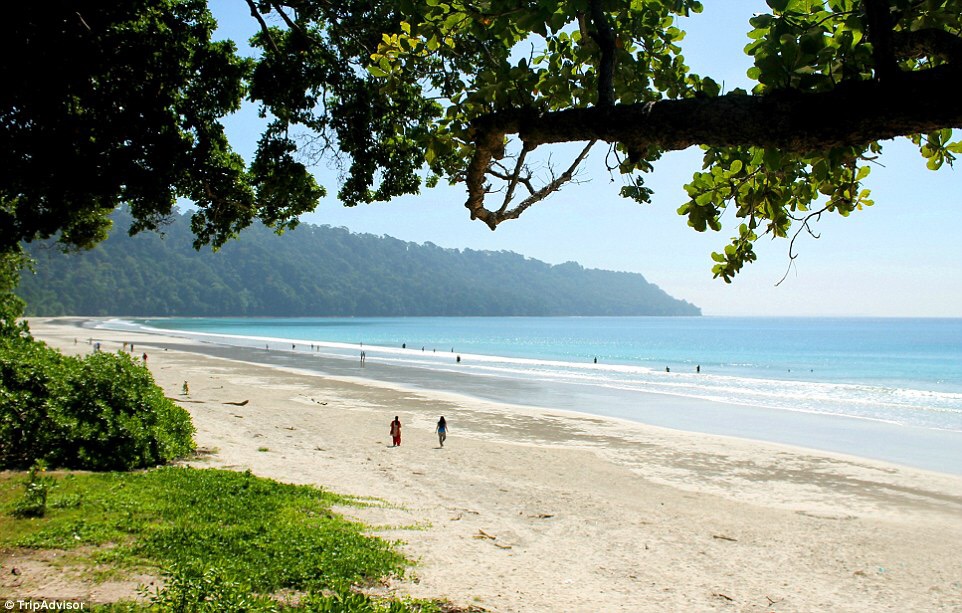
8. Radhanagar Beach, Havelock Island, India


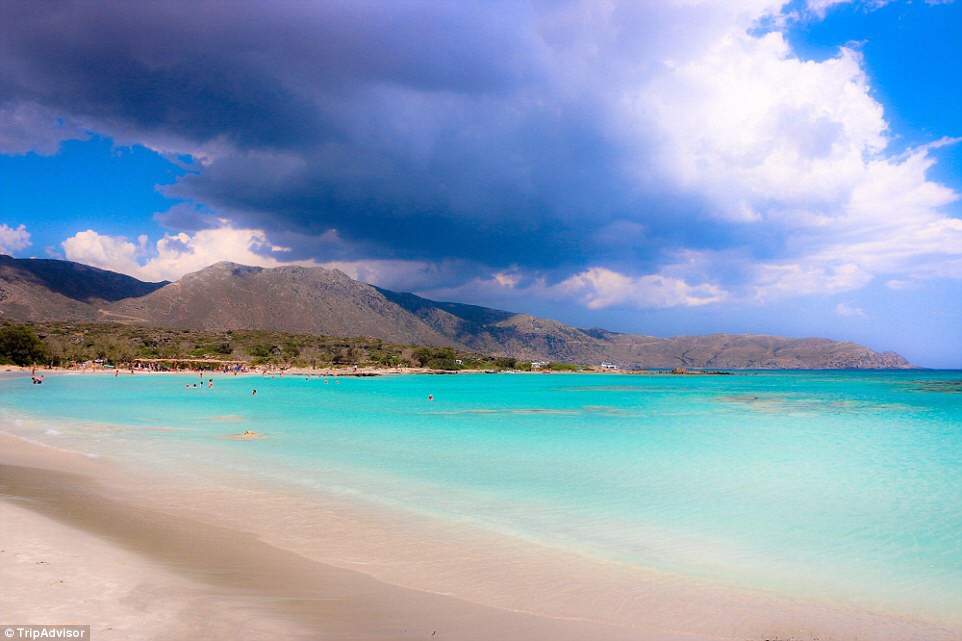
9. Elafonissi Beach, Crete, Greece


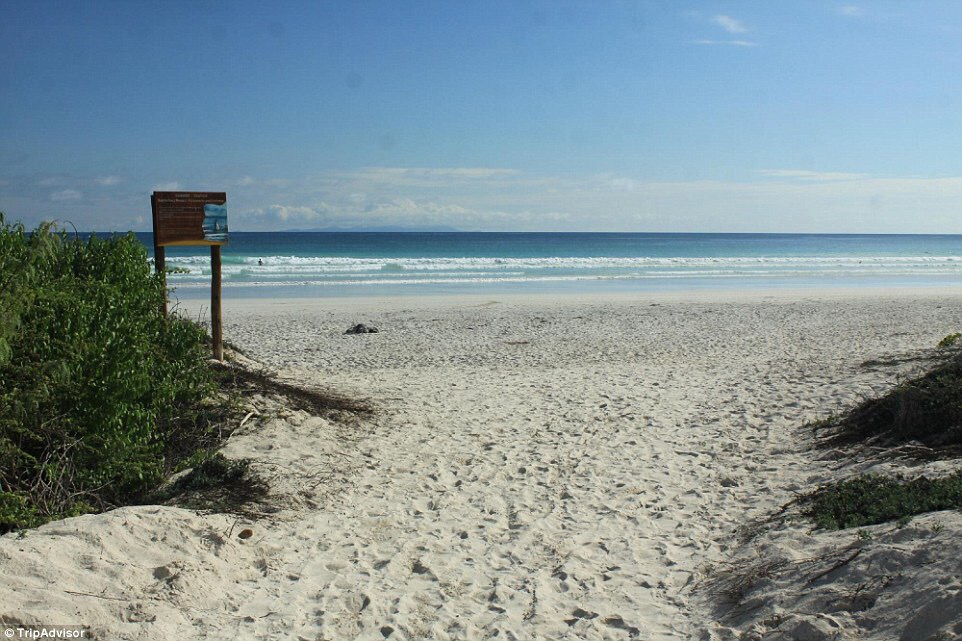
10. Galapagos Beach at Tortuga Bay, Galápagos Islands, Ecuador

 TOP 10 BEACHES IN EUROPE

1. La Concha Beach, San Sebastian – Donostia, Spain

2. Elafonissi Beach, Crete, Greece

3. La Cote des Basques, Biarritz, France

4. Fig Tree Bay, Protaras, Cyprus

5. Spiaggia dei Conigli, Lampedusa, Sicily, Italy

6. Playa de Ses Illetes, Formentera, Spain

7. Balos Beach and Lagoon, Kissamos, Crete, Greece

8. Kleftiko Beach, Milos, Greece

9. Weymouth Beach, Weymouth, United Kingdom

10. Playa de Muro Beach, Playa de Muro, Spain

Απόκριες 2017: Οι κυριακάτικες εκδηλώσεις του δήμου Αθηναίων


CNN Greece

Σε ρυθμούς καρναβαλιού κινούνται πλέον μικροί και μεγάλοι και την Κυριακή (19/02), διάφορες εκδηλώσεις λαμβάνουν χώρα σε κεντρικές πλατείες και πολιτιστικά κέντρα της Αθήνας.

Αναλυτικά όλες οι εκδηλώσεις:

Πλατεία Συντάγματος

11:00-15:30 Αποκριάτικη γιορτή για τα παιδιά. Έναρξη με τη Φιλαρμονική Ορχήστρα του Δήμου Αθηναίων. Εικαστικά δρώμενα εμπνευσμένα από την ελληνική παράδοση και τα έθιμα της Αποκριάς με μεικτές τεχνικές από το Καλλιτεχνικό Εργαστήριο “Τα Μανταλάκια”.

Εμψυχωτές, ξυλοπόδαρους, εργαστήρια face painting, dj set, μπαλονοκατασκευές, bubble & magic show, ζογκλέρ & θέατρο δρόμου σε μια τρίωρη αποκριάτικη γιορτή από την ομάδα «Teatro-Theama»

14.00 «Αthens Big Band goes latin» Αποκριάτικη συναυλία της Big Band του Δήμου Αθηναίων

Κρουστά : Κiki Bu

Καλλιτεχνική επιμέλεια: Σάμι Αμίρης
Βρεφική – Νηπιακή Βιβλιοθήκη Δήμου Αθηναίων (Λάμψα &Τριφυλίας, Αμπελόκηποι)

11.30 -13.30 «Βιβλία με καπέλα»

Ελάτε να διαβάσουμε παρέα ιστορίες με καπέλα και να κατασκευάσουμε τα δικά μας καπέλα με τα πιο απίθανα υλικά!

Για παιδιά ηλικίας 3-8 ετών

Οργάνωση: Σύλλογος «Διαβάζοντας Μεγαλώνω»
Πολιτιστικό Κέντρο «Μελίνα» Αίθουσα «Οδοιπορικό στην παλιά Αθήνα» (Ηρακλειδών 66 & Θεσσαλονίκης, Θησείο)

11.00 «Απόκριες στην παλιά Αθήνα» Τραγούδια, χοροί της παλιάς Αθήνας, ζωντανή μουσική και θεατρικά δρώμενα με γαϊτανάκι.

Συνδιοργάνωση με τον Όμιλο Φίλων του Ελληνικού Χορού –Λαογραφικό Εργαστήρι

«ΤΟ ΧΟΡΟΣΤΑΣΙ»

Μουσείο Λαϊκής Τέχνης & Παράδοσης «Αγγελική Χατζημιχάλη» (Αγγ. Χατζημιχάλη 6, Πλάκα)

11.00 Αποκριάτικο εκπαιδευτικό πρόγραμμα για παιδιά «Η μάσκα της μπούλας και του γενίτσαρου»

Οι μικροί μας φίλοι θα έχουν της ευκαιρία να ακούσουν χρήσιμες πληροφορίες για τα έθιμα που τηρεί ο λαός μας την περίοδο της Αποκριάς, να περιηγηθούν στην έκθεση και να κατασκευάσουν τις δικές τους μάσκες.

Μουσείο «Δωδεκανησιακό Σπίτι» (Δωδώνης 119, Σεπόλια)

11.00 Εργαστήριο κατασκευής αποκριάτικης μάσκας και ξενάγηση στο Μουσείο

Για παιδιά ηλικίας 6 έως 12 ετών

Κεντρική Βιβλιοθήκη Δήμου Αθηναίων (Δομοκού 2, Σταθμός Λαρίσης)

11.00 « Χορεύοντας με το γαϊτανάκι»

Προσκαλούμε τους μικρούς μας φίλους σε ένα τρελό αποκριάτικο ξεφάντωμα στη βιβλιοθήκη μας

Πολιτιστικό Κέντρο Βαφειοχωρίου (Βαφειοχωρίου & Καρολίδου 2)

19:00 Χορεύουμε… γλεντάμε και γελάμε!!!

Αποκριάτικη γιορτή για ενήλικες με τη συμμετοχή της ομάδας παραδοσιακών χορών ενηλίκων του Π. Κέντρου Βαφειοχωρίου και των ομάδων ενηλίκων και εφήβων του Π. Κέντρου Κυψέλης.

Σταθμός Μετρό Ακρόπολη

19:00 Αποκριάτικο σεργιάνι στο ιστορικό κέντρο της πόλης με καντάδες από τη Χορωδία της Ένωσης Ζακυνθίων Αθήνας «Ο Άγιος Διονύσιος»

Διαδρομή: Μετρό Ακρόπολη, Σέλλεϋ, Βύρωνος, πλατεία Αγ. Αικατερίνης, πλατεία Φιλομούσου Εταιρείας, Κυδαθηναίων, Αδριανουπόλεως, Τριπόδων,Φλέσσα, Λυσίου, Μάρκου Αυρηλίου, Αδριανού, πλατεία Μοναστηρακίου.


Πλατεία Μοναστηρακίου

12:00 Παρέλαση καρναβαλιστών που αναβιώνουν έθιμα της Αποκριάς με μουσικά δρώμενα, χορό, αστεϊσμούς και μικροπαραστάσεις. Συμμετέχουν ομάδες από όλη την Ελλάδα. Σταθμοί διαδρομής: Κυδαθηναίων, Αδριανού, Σύνταγμα, Καπνικαρέα, Αγία Ειρήνη, Θησείο, Αιόλου.

Συνδιοργάνωση με το τμήμα Αθηνών Διεθνούς Συμβουλίου Χορού, Athens Section CID-UNESCO.

Πληροφορίες στο http://www.athenssection-cid.gr

Πεζόδρομος Γ. Ολυμπίου, Κουκάκι

16.00 Ανακατώματα το Τσικνοσάββατο

Μεγάλο αποκριάτικο πάρτι με κλόουν, ζογκλέρ, ξυλοπόδαρους, παραδοσιακό γαϊτανάκι, dj set.To μουσικό μέρος της εκδήλωσης ανοίγει η Φιλαρμονική Ορχήστρα του Δήμου Αθηναίων.

Συμμετέχουν οι: Λευτέρης Γρηγορίου και τα Global Daoulia, Quilombo & Batala Atenas.

Αέρηδες Πλάκα

15:00 «Μια βόλτα με τραγούδια»

Χορωδίες ενηλίκων των Π.Κ. Κάτω Πατησίων, Σεπολίων, Ευελπίδων και της λέσχης φιλίας Ελληνορώσων σε αποκριάτικα τραγούδια

Πολιτιστικό Κέντρο Αγίου Ελευθερίου (Αναβρυτής 5)

17:00 Το καρναβάλι της χαράς

Αποκριάτικη γιορτή για παιδιά με χορό και τραγούδια

Πολιτιστικό Κέντρο Εξαρχείων (Τσαμαδού 9)

17:30 «Μασκαράδες εν ΔΡΑΣΕΙ»

Αποκριάτικη γιορτή με τη Μουσικοθεατρική ομάδα των ΑμεΑ.

Πολιτιστικό Κέντρο Κάτω Πατησίων (Στρ. Καλλάρη & Κουρτίδου )

18:00 Το γαϊτανάκι της χαράς

Γαϊτανάκι, αποκριάτικα δρώμενα και παραδοσιακοί χοροί από τις θεατρικές ομάδες παιδιών και εφήβων

Πολιτιστικό Κέντρο Κάτω Πετραλώνων (Αθηνοδώρου 61)

18:30 Το καρναβάλι της χαράς

Αποκριάτικη γιορτή με τη συμμετοχή των ομάδων παιδιών και ενηλίκων, θεάτρου, παραδοσιακών χορών (συμμετέχει και το Π.Κ των Άνω Πετραλώνων) και μουσικής που θα παρουσιάσουν δρώμενα της αποκριάς.

Κυριακή 19 Φεβρουαρίου

Πλατεία Συντάγματος

11:00-15:30 Αποκριάτικη γιορτή για τα παιδιά. Έναρξη με τη Φιλαρμονική Ορχήστρα του Δήμου Αθηναίων. Εικαστικά δρώμενα εμπνευσμένα από την ελληνική παράδοση και τα έθιμα της Αποκριάς με μεικτές τεχνικές από το Καλλιτεχνικό Εργαστήριο “Τα Μανταλάκια”. Εμψυχωτές, ξυλοπόδαρους, εργαστήρια face painting, dj set, μπαλονοκατασκευές, bubble & magic show, ζογκλέρ & θέατρο δρόμου σε μια τρίωρη αποκριάτικη γιορτή από την ομάδα «Teatro-Theama»

14.00 «Αthens Big Band goes latin» Αποκριάτικη συναυλία της Big Band του Δήμου Αθηναίων

Κρουστά : Κiki Bu

Καλλιτεχνική επιμέλεια : Σάμι Αμίρης

Βρεφική – Νηπιακή Βιβλιοθήκη Δήμου Αθηναίων (Λάμψα &Τριφυλίας, Αμπελόκηποι)

11.30 -13.30 «Βιβλία με καπέλα»

Ελάτε να διαβάσουμε παρέα ιστορίες με καπέλα και να κατασκευάσουμε τα δικά μας καπέλα με τα πιο απίθανα υλικά!

Για παιδιά ηλικίας 3-8 ετών

Κράτηση θέσεων Τρίτη-Πέμπτη 10.00-17.00, Παρασκευή 14.00-19.00, Σάββατο 10.00-14.00 τηλ. 210-8829735 vrefikilibrary@gmail.com

Οργάνωση: Σύλλογος «Διαβάζοντας Μεγαλώνω»

Πολιτιστικό Κέντρο «Μελίνα» Αίθουσα «Οδοιπορικό στην παλιά Αθήνα» (Ηρακλειδών 66 & Θεσσαλονίκης, Θησείο)

11.00 «Απόκριες στην παλιά Αθήνα» Τραγούδια, χοροί της παλιάς Αθήνας, ζωντανή μουσική και θεατρικά δρώμενα με γαϊτανάκι.

Συνδιοργάνωση με τον Όμιλο Φίλων του Ελληνικού Χορού –Λαογραφικό Εργαστήρι

«ΤΟ ΧΟΡΟΣΤΑΣΙ»

Μουσείο Λαϊκής Τέχνης και Παράδοσης « Αγγελική Χατζημιχάλη» (Αγγ. Χατζημιχάλη 6, Πλάκα)

11.00 Αποκριάτικο εκπαιδευτικό πρόγραμμα για παιδιά «Η μάσκα της μπούλας και του γενίτσαρου»

Οι μικροί μας φίλοι θα έχουν της ευκαιρία να ακούσουν χρήσιμες πληροφορίες για τα έθιμα που τηρεί ο λαός μας την περίοδο της Αποκριάς , να περιηγηθούν στην έκθεση και να κατασκευάσουν τις δικές τους μάσκες.

Κρατήσεις θέσεων στο τηλ. 2103243987 & 2103243972 από Δευτέρα έως Παρασκευή 9.00-15.00μμ

Μουσείο « Δωδεκανησιακό Σπίτι» (Δωδώνης 119, Σεπόλια)

11.00 Εργαστήριο κατασκευής αποκριάτικης μάσκας και ξενάγηση στο Μουσείο

Για παιδιά ηλικίας 6 έως 12 ετών

Κεντρική Βιβλιοθήκη Δήμου Αθηναίων (Δομοκού 2, Σταθμός Λαρίσης)

11.00 « Χορεύοντας με το γαϊτανάκι»

Προσκαλούμε τους μικρούς μας φίλους σε ένα τρελό αποκριάτικο ξεφάντωμα στη βιβλιοθήκη μας

Πολιτιστικό Κέντρο Βαφειοχωρίου (Βαφειοχωρίου & Καρολίδου 2)

19:00 Χορεύουμε…γλεντάμε και γελάμε!!!

Αποκριάτικη γιορτή για ενήλικες με τη συμμετοχή της ομάδας παραδοσιακών χορών ενηλίκων του Π. Κέντρου Βαφειοχωρίου και των ομάδων ενηλίκων και εφήβων του Π. Κέντρου Κυψέλης.

Σταθμός Μετρό Ακρόπολη

19:00 Αποκριάτικο σεργιάνι στο ιστορικό κέντρο της πόλης με καντάδες από τη Χορωδία της Ένωσης Ζακυνθίων Αθήνας «Ο Άγιος Διονύσιος»

Διαδρομή: Μετρό Ακρόπολη, Σέλλεϋ, Βύρωνος, πλατεία Αγ. Αικατερίνης, πλατεία Φιλομούσου Εταιρείας, Κυδαθηναίων, Αδριανουπόλεως, Τριπόδων,Φλέσσα, Λυσίου, Μάρκου Αυρηλίου, Αδριανού, πλατεία Μοναστηρακίου.

Cheese Fare Sunday in Greece

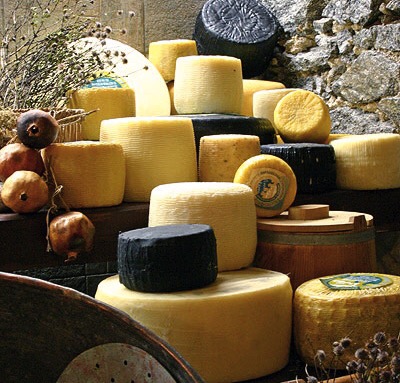
The celebrations of Apokries (Greece’s Carnival) culminate on Forgiveness or Cheesefare Sunday, it is the last day that orthodox traditionally eat dairy products and celebrate before the first day of Lent. In Greece, this day is redolent of traditions, customs, and, of course, delicious recipes.


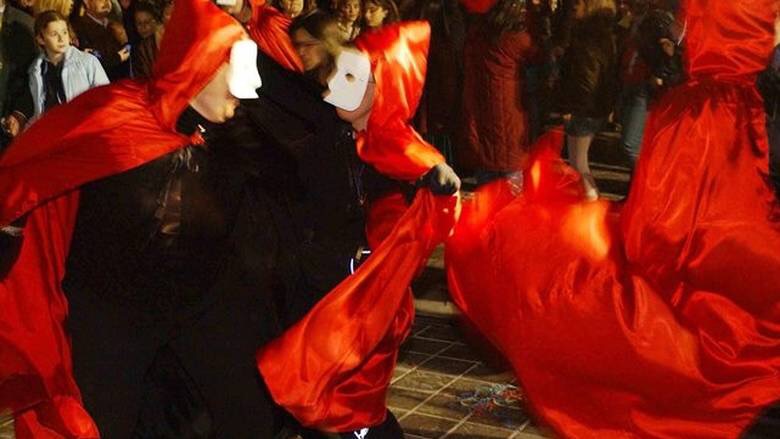
The advent of the carnival season, a period known in Greece as Apokries, marks the peak of indulgence in food and festivities. This period, however, ends with the start of the longest fasting period of the Orthodox calendar: the forty-seven-day pre-Easter Lenten fast. The Greek word “apokria” refers to the weeks of the gradual change in diet prior to the discipline of Lent, also known as Great Lent or “Sarakosti.” This period of Apokries spans the three weeks before the onset of Great Lent. The popular tradition of celebrating Apokries culminates during the weekends with masquerades, parades, parties, and of course, the abundance of traditional foods. While the most popular carnival today is that of Patras, other cities and smaller towns carry out their own regional traditions.

What is today a tradition espoused by the Orthodox Church actually stems from the pagan rites of the ancient Greeks and the festivals of Dionysus, god of wine and merrymaking. In ancient times, people would disguise themselves as satyrs, wearing masks and pouring into the streets and neighborhoods. They would behave”inappropriately” with risqué actions, while hiding their true identity behind costumes. This lively celebration was also held in anticipation of springtime. Paradoxically, this celebration would involve rituals dedicated both to a “new life” (the budding of trees, vineyards, flowers, etc.), as well as to the souls of the dead which were believed to ascend to the “upper world” around the 1st of March. With the beginning of Christianity, the Church tried to subdue the pagan practices and replace them with Christian practices. Hence, during this period, we find the practice of having special liturgies and memorial services like the Saturday of the Souls, in which people take boiled wheat (koliva) to church and divide it among the congregation afterwards in memory of their loved ones. In this way, the pagan practices were so deeply rooted that they were not completely weeded out. Instead, they were transformed into Christian practices.

According to the Orthodox Church, the gradual change in diet is more than just a matter of food intake. Allowing us to transition from one spiritual state to another through this gradual change in diet, the Church acknowledges our human weakness. All celebrations culminate on Cheese Fare Sunday, the last day of celebration before Pure Monday, or Clean Monday, which marks the first day of Lent. Cheese Fare Sunday hosts an abundance of local traditions and culinary repertoires. There is a continuation of the festivities that began the first Sunday of Apokries, with people masquerading through the village and town streets, followed by feasting on traditional dishes made with fish, cheese, milk and eggs, as meat was abandoned the previous week of Meat Fare Sunday. Some traditional satirical songs carry out the theme of bidding goodbye to “Cheese” (Tyros) and welcoming in the “Onion” and the “Leek.” All this, of course, in reference to the upcoming fast, where the “lowly” vegetable will now take over as the main course.

In the central Peloponnese, specifically within the region of Arcadia, there is the tradition of eating what is called “tyrozoumi,” a soupy stew of wild greens heavily garnished with chunks of mizithra cheese. This serves as a first course and everyone at the table is expected to partake of it after first raising the table with their hands three times. Following the tyrozoumi, comes the main course- macaroni sprinkled with lots of cheese. During the course of the evening, the unmarried young people are supposed to “steal” a piece of macaroni and place it under their pillow that night in order dream about the person they are to marry.

The Vlach communities of the mountainous regions of central Greece make traditional “galatopites,” or milk pies, along with cheese pies, and pies filled with trahana, a homemade meal of wheat flour or cracked wheat—all of course, made with homemade phyllo. On the island of Karpathos, the entire town is traditionally invited to the home of the mayor, where a large buffet is laid out with succulent fish and dairy products. Special sweets made with mizithra are also served, as well as rice pudding and a special drink called “sitaka,” spiced with butter and honey. In the islands of Kea and Milos, the remnants of food from the feast of Cheese Fare Sunday are left on the table until the following morning, just in case “the ghost of the house” gets hungry during the night.

Today, most of these traditions have died out, with weak and scattered attempts to retain them in some of the more rural areas of Greece. Even so, most people will still partake of traditional Cheese Fare Sunday dishes, whether it be in their homes or at some local taverna.

Απροκριες videos from around Greece