Hidden Armenian and Greek Celebrities in Turkish Cinema

Being a celebrity is often associated with having a certain lifestyle. Fame often brings fortune, privileges, and opportunities—whether they are career-related or not. Celebrities are thought to have an “easier” life, in which they get special treatment wherever they go—well, except for celebrities in Turkey who are Armenian, Greek, Kurdish, Jewish, or members of any other ethnic or religious minority. Sometimes, even being associated with them is considered unacceptable.

Ayhan Işık, for example, was the most beloved Turkish leading actor in the 1950’s and 1960’s. He was also a movie producer, director, script writer, singer, and painter. He was nicknamed by Turkish people “the king without a crown”– a king who had to change his Armenian-sounding last name to be able to have an acting career.
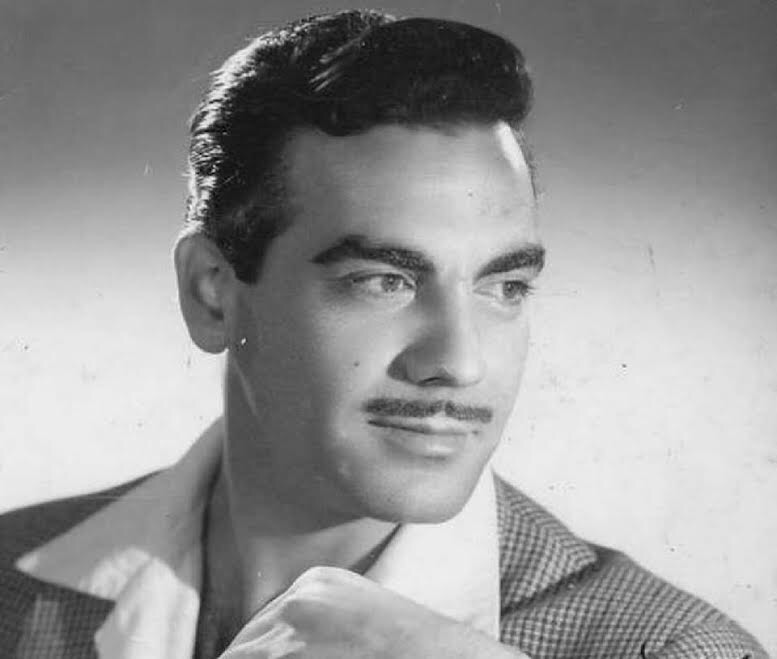

Ayhan Işık

His parents were originally from Salonika (now Thessaloniki, Greece). Born in Izmir in 1926, Ayhan lost his father at the age of six. His family then moved to Istanbul, where he attended the painting department of the State Fine Arts Academy. He first became a painter and graphic designer and worked for several magazines in Istanbul. According to his known biography, upon the insistence and encouragement of the editor-in-chief of Yıldız magazine—for which he was then working—he entered an acting competition organized by the magazine and came in first. But before he entered it, he had a major concern: his last name, Işıyan, could have been perceived to be Armenian. This concern made him change his surname and adopt a Turkish one: Işık.

Thanks to his enormous talent, good looks, and charisma, he became a living legend in Turkish cinema and played in numerous movies. Işık died in 1979 at the age of 50, which shocked his family, friends, and fans.

Nubar Terziyan, another well-known actor from Turkey, was one of the few Armenian actors who did not change his name. He was devastated by the untimely death of Işık, who used to call him “father.” In 1979, Terziyan placed a notice in the Turkish newspaper Hürriyet, which read:

“My son, Ayhan, this world is ephemeral. Death is the fate of us all. But you did not die. For you still live in our hearts and in the hearts of millions of people that you have left behind. How blessed you are. (…) Your uncle, Nubar Terziyan.”
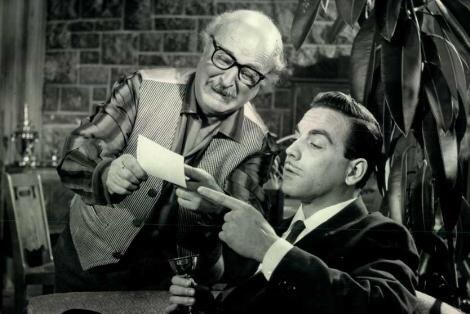
Ayhan Işık and Nubar Terziyan share a scene

Apparently, Işık’s family was concerned, terrified, and even infuriated that the notice could have made people think Işık was Armenian. They responded with a public display of racism in a counter-notice in Hürriyet:

“Important correction: Our dearest Ayhan Işık has nothing to do with the notice undersigned as ‘your uncle’. (…) We regretfully announce as we see it necessary. -His family.”

30 years later, Berç Alyanakziya, the son of Terziyan, gave an interview to Hürriyet in 2009 about the tension between his father and Işık’s wife following his death. According to Hürriyet,

“Events that happened right after he placed a death notice for Işık in the daily Hürriyet made him more sorrowful. Işık’s wife, Gülşen, reacted negatively toward Terziyan, who wrote below the notice ‘your father Nubar,’ as Işık called him. The reason was that the real surname of Işık was Işıyan, which had been kept a secret. Because the name Işıyan reminds one of an Armenian name, he changed it to Işık.

“Terziyan’s son Berç Alyanakziya said the following about the reason for the wife’s reaction: ‘Everyone thought that Ayhan Işık was Armenian because of his real surname, Işıyan. When my father placed this notice and wrote ‘your father Nubar,’ people thought that they were close relatives and Işık was an Armenian, too.”

Because of this negative reaction, on June 21, Terziyan placed another notice in the paper in which he disclaimed his former notice.

But according to Professor Fatma Müge Göçek, Işıyan was indeed Armenian. She wrote in her 2014 book Denial of Violence: Ottoman Past, Turkish Present, and Collective Violence against the Armenians, 1789-2009:

“Such silencing also occurred in the case of another famous actor, Ayhan Işık, who was also of Armenian origin but carefully silenced his ethnic identity.”

One of the precautions many Armenians in Turkey take against racist attacks is to adopt a Turkish name to use in their social and job-related interactions with Turks. One was Kirkor Cezveciyan, an Armenian superstar of Turkish cinema. He was registered with his real name on his official identification card, but used a Turkish name for the screen: Kenan Pars. The journalist Nayat Karaköse wrote in 2008 after Pars’s death:

“Pars was only one of the many Armenians who changed their names… he was one of the hundreds of Armenians with two business cards. 

Some Armenians−particularly men−possess two business cards in Turkey. They have both an Armenian name and a Turkish one they later adopted. Armenianness is visible only within the [Armenian] community; it is not visible in public sphere. Particularly 20 or 30 years ago, this ‘invisible’ Armenian phenomenon was even more widespread.”
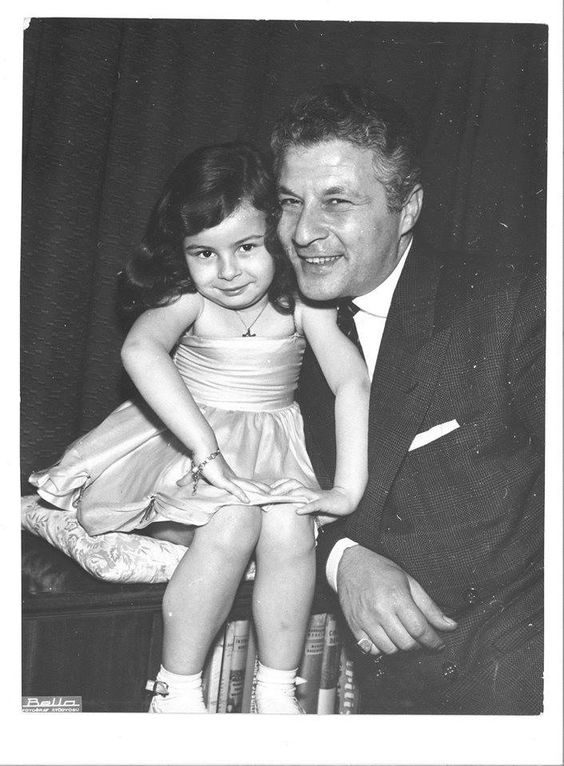

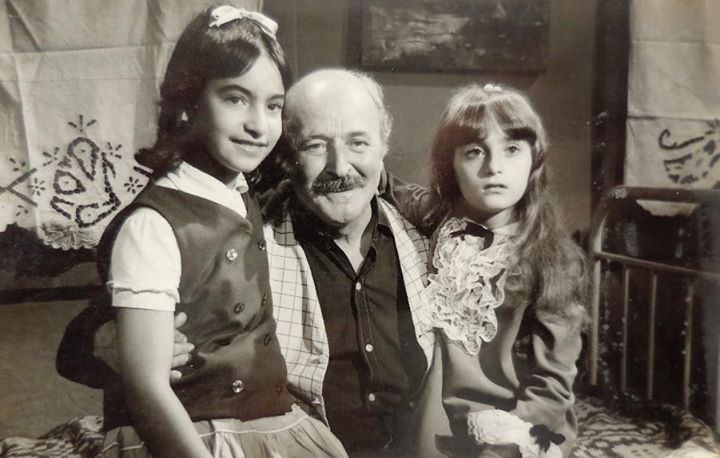
Kenan Pars (Kirkor Cezveciyan) with child actress Zeynep Değirmencioğlu, also known as ‘Ayşecik’

In an interview, Pars said that because he was a non-Muslim, he was not given guns while doing his compulsory military service in the city of Balikesir. Instead, he was given tools to dig.

Hürriyet noted a reality that speaks volumes about the level of racism and bigotry against indigenous peoples in Turkey: “Most Armenian and Greek artists changed their names to Turkish names for the screen upon request of producers.” Adile Naşit, one of the greatest actresses in Turkish cinema, was only one of them.
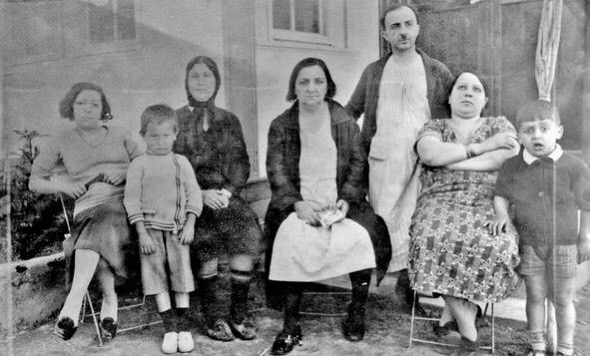
Adile Nasit’s family: grandmother Küçük Virjin, uncle Niko, mother Amelya and brother Selim Naşit. (Photo: Hurriyet)

Known for her joyous and remarkable laughter, her family movies and her TV show in which she told children tales and stories, she was known by Turks as “mother Hafize”– after a character she performed in one of her movies. But the “mother” of Turkish people was hiding something: her Greek roots.

Some internet sources claim that Naşit was of Armenian origin. But according to the official website of the Women’s Museum Istanbul, Naşit was the granddaughter of a well-known Greek dancer, who was born in 1870 and known as Küçük Virjin. A graduate of the Galata Greek Primary School, Küçük Virjin was the first Greek canto dancer in the Ottoman Empire. Her husband, Yorgi, as well as her two sons− Niko and Andre−were all musicians. Her daughter, Amalia, also became a well-known canto dancer and theatre actress in the late Ottoman era.

Her granddaughter, Adela, Amalia’s daughter, was born in the Turkish Republic, which has been hostile to Greeks. She adopted a Turkish name, “Adile,” became “Adile Naşit,” and never used her real Greek name during her career.

The scholar Gönül Dönmez-Colin writes in her 2008 book Turkish Cinema: Identity, Distance, and Belonging:

“The one-nation policy of the Turkish Republic established in 1923 made life difficult for all minorities. Many converted to Islam and kept their identity secret all their lives.

Nubar Terziyan

“Like the Kurds and other ethnic minorities, non-Muslims have also been invisible in Turkish cinema. Several ethnic minority personalities made their mark in the industry, but often their identity had to be masked… Nubar Terziyan (Alyanak) remains an important character actor in Turkish cinema with his lovable ‘uncle’ image in over 400 films. Although he never hid his Armenian identity, very few people knew that Kenan Pars, who played the bad man in more than 500 films, was actually born Kirkor Cezveciyan. Sami Hazinses, who devoted 45 years to Turkish cinema, had to hide his Armenian identity (Samuel Uluç) all his life for fear of reprisals; his secret was discovered only at his funeral when the procession had to be transferred from the mosque to the church.”

One could be the most peace-loving, law-abiding, and hard-working citizen of Turkey. One could even be unlimitedly talented, and have the best looks and work ethic. But sadly, one’s non-Turkish roots are still a “challenge” in one’s social life and career.

For one to have a safe life and a successful career in Turkey, he or she has to be Turkish and a Muslim. Turkishness and Islam are believed by much of the Turkish public to be intertwined. But if minority citizens still have the courage to keep their non-Turkish names and non-Islamic faith, they still know that they had better not be very outspoken about these things. Non-Muslims in Turkey – through real-life “experiences” − are always “taught” to know their place.

The Turkish state has demonized Armenians, Greeks, Assyrians, Jews, Kurds, and other minority citizens to such an extent that it has made many of them carry their ethnic roots like a burden on their shoulders. It has turned their identities into giant faults—even “crimes.” That is what prevented these very talented people from proudly expressing and being who they really were.


VASSY Took Home the WDM Award for Best Electronic Vocalist


Singer, songwriter, and producer, VASSY, has recently been awarded the Best Electronic Vocalist at the World Dance Radio Awards (WDM). The World Dance Radio Awards took place on Wednesday, March 5, 2017 at the sold out Estadio Azteca in Mexico city where VASSY appeared alongside some of the biggest names in dance music; David Guetta, Martin Garrix, Steve Aoki, Nervo, Alan Walker and Cedric Gervais, in front of 100,000 exhilarated Mexican fans. It was no surprise to see VASSY’s infectious energy fuel the crowd, upholding the talented songstress’s reputation as the queen of EDM. Fans from all over the world voted for VASSY making her the first ever vocalist to win a WDM award as well as the only female solo artist to win at this year’s awards ceremony.


VASSY’s career rose into the spotlight in 2014 with her Multi-Platinum and 12 X worldwide Platinum collaboration “BAD,” with David Guetta and Showtek, which garnered her an IDMA award for Best Vocal Performance in 2015. VASSY proved to be a true triple threat when the following years she released her collaboration with Tiësto and Kshmr on the No. 1 electro-house Multi-Platinum single, “Secrets,” which met massive successes, adding more awards and platinum certifications under her belt. Since then, VASSY has been taking over festival arenas with Tiësto during his 2016 Ultra, Electric Zoo and Tomorrowland sets, proving she’s unstoppable. Her latest high-energy dance-floor solo record “Nothing To Lose,” co-produced by Tiësto, hit No. 1 on the Billboard Dance Club Charts and on U.S. Dance Radio, as well as vaulted into the Top 10 of the Billboard Dance/Mix Show charts within the first three months of its release.


In addition to her hit dance collaborations, VASSY’s catchy lyrics and distinctive vocals have been featured in campaigns for Victoria’s Secret, Target, Sketchers, Nike, and Pepsi commercials, as well as in Disney’s official trailer for Oscar-winning movie, Frozen, the film Admission starring Tina Fey, and television shows including Grey’s Anatomy, Ugly Betty and Pretty Little Liars. VASSY’s productions range across the musical spectrum; from dance to pop and reggae, while you can also enjoy her indie side on her latest acoustic album release, “VASSY Unplugged.”

Muli-Platinum and Gold recording artist of many talents, VASSY, knows how to individualize herself against the tide of followers. Originating from Australia with Greek heritage, VASSY’s vocal roots lie in an array of different genres. As a singer, songwriter, and producer, her music speaks for itself and her progressive popularity in dance music is massive. Conquering the DJ world with her authentic sound has lead to a worldwide No. 1 hit with David Guetta & Showtek on their track “BAD,” which is certified 7 times double platinum, as well as winning an IDMA Award for Best Featured Vocalist Performance in 2015. “BAD” has had over 600 million views on Youtube, downloaded 2 million times and streamed via Spotify over 280 million times. 

In 2015 she collaborated with Tiësto and KSHMR on their track, “Secrets,” hitting over 80 million Spotify plays and 130 million Youtube views. “Secrets” went straight to number 1 in 20 countries, reigned atop the Billboard Club Charts and Beatport charts, and earned an IDMA Award for Best Electro Progressive/House track in 2016. VASSY joined forces once again in 2016 with Tiësto on her #1 standalone hit single, “Nothing To Lose,” a high-energy dance-floor friendly masterpiece. Co-produced by the legendary Tiësto, this progressive house-gem is bound to fuel the urge to get up and dance. 

Filled with uplifting original lyrics and momentous energy, the record quickly hit No. 1 on U.S. Dance Radio, No.1 on the Billboard Dance Club charts, and vaulted into the Top 10 of the Billboard Dance/Mix show charts.

In addition to her success in dance music, VASSY’s songs have been featured everywhere including, Target, Nickelodeon, Sketchers, Victoria’s Secret, Pepsi commercials, Grey’s Anatomy, and even Disney’s Oscar-winning film, “Frozen,”. VASSY’s captivating voice is soulful and enchanting, and will lure you into any track she sings. 

The versatile artist has also ventured into indie-pop on her No. 1 Billboard Dance Club song “We Are Young,” channeling a vivacious tone that will put you in high spirits. VASSY’s effortless dexterity as both versatile singer and songwriter is undeniable.

Even with her music career taking flight, VASSY has always prioritized her philanthropic work with charity groups and civil rights organizations. She is an active equal-rights ambassador for the NOH8 campaign, a spokesperson for environmental organization Green IT, works with Studio Samuel Foundation helping girls in Ethiopia, and supports youth through Playground of Dreams. 

Be it through her music, volunteerism giving back to the communities, VASSY’s goal is to inspire people to fight for their dreams. Whether she’s singing, writing, or producing music, VASSY has an immensely credible portfolio to admire.

April is National Poetry Month featuring Greek-American Poet Alexandra Kostoulas

Home. Not Home by Alexandra Kostoulas

I cried as the red moon rose.

We listened to mirologoi that

randomly came on my ipad.

We drank mavrodaphne and ate chocolate.

We spoke of the dead

and of our regrets and our hopes.

In my dad’s village—

where I belong

and where I don’t.
 
Meet the poet Alexandra Kostoulas

Alexandra Kostoulas is an award-winning writer of poetry, fiction and journalism. She is the founder of the San Francisco Creative Writing Institute and cofounder of the Mid-Market News. She has performed her work on stage locally and nationally and is currently working on finishing up her novel Persephone Stolen that weaves in tales of the Persephone myth, the immigrant experience and stolen artifacts. She teaches people to find their voice and unblock themselves creatively every day at Jack Grapes’ Method Writing Program and at SF Creative Writing Institute.

April is National Poetry Month: Greek-American Poets – Georgia Kolias


The Motherland by Georgia Kolias

I left the motherland

It was a Friday night

And for all intents and purposes

I was in San Francisco, California

United States of America

But as I emerged

I crossed a threshold

From the motherland into exile

Never to return

To that fertile land lush

With pulsations of

My mother’s heart

The heart of Greece

For below the gurgling of her intestines

The sound of her blood filtering

Through our placenta

Her voice resonated

Her tongue forming my

Sense of sound

With each swallow, tastes of

Honey walnut feta oregano lemon

Hardwired my taste buds

Her fingers tapping my back

In rhythm with the bouzouki and κλαρίνο

Taught my feet to dance 

And through her eyes

Gazing longingly into the pictures

Of family 6756 miles away

She instilled in me sadness

An undying experience of

Exile

Before I left her body

I was already schooled

In the language of loss

Her grief for the motherland palpable

In each gulp of amniotic fluid

In each labored breath and sigh

In each reluctant step on new soil

She left the land and

She left me

Wandering this strange territory

Of divided loyalties

Searching for all time and zones

Without a map for the

Road home

Meet the poet Georgia Kolias

Georgia Kolias is a California-based writer currently shopping her manuscript, The Feasting Virgin, a culinary novel featuring a quirky Greek-American foodie who struggles to reconcile her religious beliefs with her emerging sexuality. She is also seeking publication for her poetry manuscript, The Motherland, a three-generation family biography which uses poetic text and original photographs to explore the themes of diaspora, homeland, and the evolution of family. She holds an MFA/MA in Creative Writing. She regularly blogs for The Huffington Post, and her work has appeared in the Advocate.com, The Manifest-Station, Role Reboot, When Women Waken, and various anthologies. Georgia is represented by Rachael Dugas at Talcott Notch Literary Services. Follow her on Facebook and Twitter.

April is National Poetry Month featuring Greek-American writer Apostolos Anagnostopoulos


National Poetry Month 2017: Celebrating Greek Poets

Welcome to our latest series, in honor of National Poetry Month, celebrating the work of Greek poets.

This week, we present Greek-American Poet and New York Native Apostolos Anagnostopoulos. He selected the following poem, “Telemachus’ Letter”, because it reminds him of his Greek roots. He said he was inspired to write the poem “to give the opportunity to Telemechus to speak to his father.” 


Telemechus’s Letter by Apostolos Anagnostopoulos

Oh, wise father Odysseus;

Listen to words of your son.

ask of thee to offer council

As I pray for your safe return.

Uninvited suitors torment mother.

They eat of our food,

Drink of our wine.

No woman deserves this,

Let alone a royal queen.

In Poseidon’s oceans do you linger

Or has mighty Zeus cursed you?

Have you fallen amongst comrades?

I will search lands and oceans alike

Until I find you, oh glorious father,

Your stories shall be read in all lands.

Let the gods grant you strength.

Shall I mourn you, oh mighty king,

Or will Athena bring you to Ithaca’s shores?

If so, we shall celebrate and feast,

Make offering to the gods,

Punish those who leave mother in tears.

May they see a painful death.

Oh father, long has Ithaca waited

For their Odysseus to come home
 

Meet Apostolos Anagnostopoulos

Manhasset, NY native Apostolos Anagnostopoulos, a.k.a. Paul, began writing at the age of 13. As a child, he battled a learning disability, and found poetry offered him the ability to express himself in words. Now, 20 years later, he’s a published poet.

Paul has published four collections of poetry. The first, Passions of a Poet, includes some very emotional and raw works. Passions of a Poet 2: Against All Odds, is a very personal work, offering a glimpse at the struggles he’s faced in his young life. It’s illustrated by his cousin, Sophocles Plokamakis. Through These Lenses offers a more mature perspective on the human condition, as he sees it. Subway Stories was inspired by his cousin Sophocles’ drawings of subway riders. Paul wanted to give each one a story.

Passionate about poetry and wishing to offer more opportunities to poets, he founded and serves as trustee for Neopoet, an international online poetry website which has over 4,000 poetry members from 85 countries around the world.

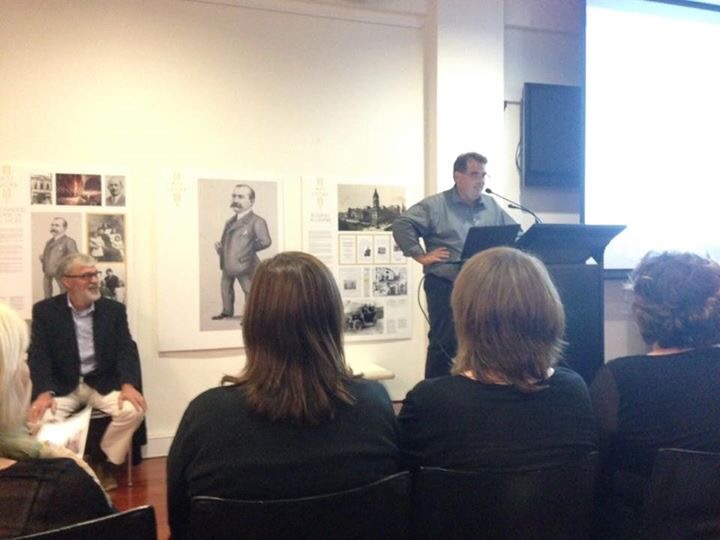
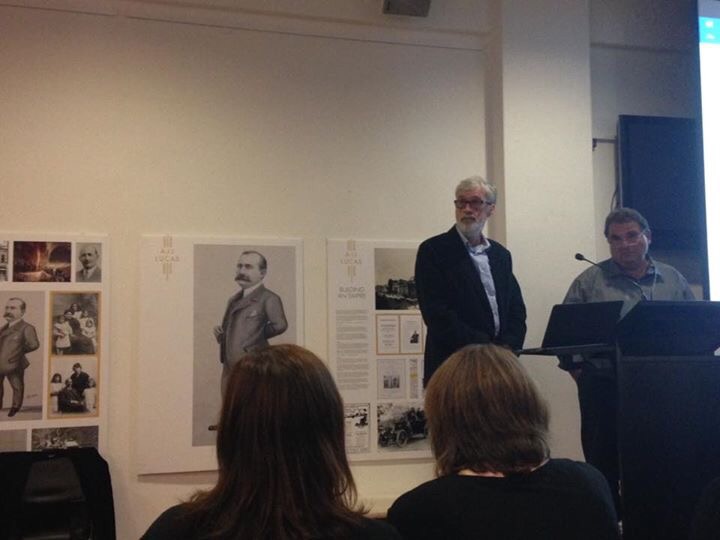
Greek Community Annual Anzac Day lecture by Tom Tsamouras and former NT Minister and MP Peter Toyne


Greek Community Annual Anzac Day lecture by Tom Tsamouras and former NT Minister and MP Peter Toyne. 

The Battle of Vevi and the Lost Anzacs. The Anzacs were reformed for the second and last time in history for the first Battle in Greece in WW2 facing the advancing Nazi military machine 76 years ago

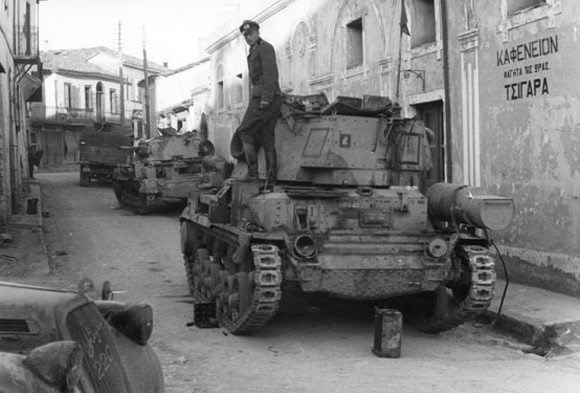
The first action during the Second World War on Greek soil between the German and Hellenic forces was on the little village of Vevi in the municipality of Florina. 


This began on 11th April 1941 and marked the first of numerous clashes during which Hellenic and ANZAC forces fought side by side! After the “Battle of Vevi”, a small number of soldiers from the two Australian battalions that fought there, were reported missing in action and their bodies have never been found. 

Information by locals to Australian Brigadier Keith Rossi in 1981 about the possible grave site of these missing men has led to many people from Greece and Australia researching about the possible grave site of their remains. Tom Tsamouras, a school teacher from Newcastle and Peter Toyne, former MP from the NT, are two researches who have spent years trying to locate the resting place of these men.

Τι μισθούς παίρνουν οι Έλληνες που μεταναστεύουν στο εξωτερικό


Ετήσιους μισθούς από 20 έως 40 χιλιάδες ευρώ εξασφαλίζει ένας στους τρεις Έλληνες πολίτες που μεταναστεύουν στο εξωτερικό, σύμφωνα με στοιχεία έρευνας της ICAP. Παράλληλα, αναφέρεται ότι ο ένας στους πέντε μπορεί να έχει ετήσιες απολαβές από 40 έως 60.000 ευρώ.

Συγκεκριμένα, όπως αναφέρει η Ημερησία, η έρευνα έδειξε ότι:

-Το 35% λαμβάνει ετήσιο μικτό μισθό από 21 έως 40 χιλιάδες ευρώ, ενώ σχεδόν το 20% κερδίζει από 41 έως 60 χιλιάδες ευρώ σε ετήσια βάση.

-Το 10% των Ελλήνων πολιτών λαμβάνει πάνω από 100 χιλιάδες ευρώ και το 14% κερδίζει από 61 έως 100 χιλιάδες ευρώ.

-Το 86% έχει μεταναστεύσει στο εξωτερικό πάνω από έναν χρόνο πριν.

-Η τάση brain drain γίνεται πιο ήπια τον τελευταίο χρόνο, αφού μόλις 5% αναφέρει ότι μετανάστευσε τους τελευταίους 6-12 μήνες και το 9% πιο πρόσφατα.

-Περισσότεροι από τους μισούς εγκατέλειψαν την χώρα για να εργαστούν στο εξωτερικό έχοντας προηγούμενη εργασιακή εμπειρία στην Ελλάδα.

-Το 20%-25% των Ελλήνων έφυγε στο εξωτερικό για μεταπτυχιακές σπουδές και βρήκε εργασία και το 10% δηλώνει ότι εγκατέλειψε την χώρα για να βρει δουλειά χωρίς να έχει προϋπηρεσία.

-Το 63% που μεταναστεύει στο εξωτερικό είναι ηλικίας 31-35 ετών (35%) ή λίγο μικρότεροι 26-30 ετών (28%).

-Ακολουθεί η ηλικιακή ομάδα 36-40 ετών (18%), οι πιο ώριμοι 41 ετών και πάνω (14%) και οι 20άρηδες (18-25 ετών με ποσοστό 5%).

-Ποσοστό 55% διαθέτει μεταπτυχιακό τίτλο, ενώ το 9% των έχει και διδακτορικό. Επίσης το 20% έχει πτυχίο ΑΕΙ, το 10% πτυχίο ΤΕΙ και μόλις to 6% δεν έχει αποκτήσει κάποιο πτυχίο.

-Το 66% των Ελλήνων που εργάζονται στο εξωτερικό είναι στελέχη επιχειρήσεων και οι περισσότεροι απασχολούνται σε εταιρείες του οικονομικού και ασφαλιστικού κλάδου, της πληροφορικής, είναι ερευνητές ή δραστηριοποιούνται σε τουριστικές επιχειρήσεις.

-Το 53% είναι υπάλληλοι, σχεδόν ένας στους πέντε (17%) είναι προϊστάμενος και λιγότεροι είναι διευθυντές (7%), ανώτατα στελέχη (6%) και επιχειρηματίες (4%). Οι υπόλοιποι είναι νεοεισερχόμενοι (10%) ή κάνουν πρακτική άσκηση (3%).

Οι περισσότεροι Έλληνες που μεταναστεύουν για καλύτερη ποιότητα ζωής και ευκαιρίες καριέρας στο εξωτερικό, αναζητώντας αξιοκρατία και καλύτερες προοπτικές, επιλέγουν «one way ticket», αφού σε ποσοστό 42% υποστηρίζει ότι δεν σχεδιάζει να επιστρέψει ποτέ, ενώ το 51% δηλώνει απρόθυμο ακόμη και να συνεισφέρει στην ενίσχυση της ανταγωνιστικότητας της ελληνικής οικονομίας.

Νέο ρεκόρ αφίξεων τουριστών στην Αθήνα το πρώτο τρίμηνο του έτους


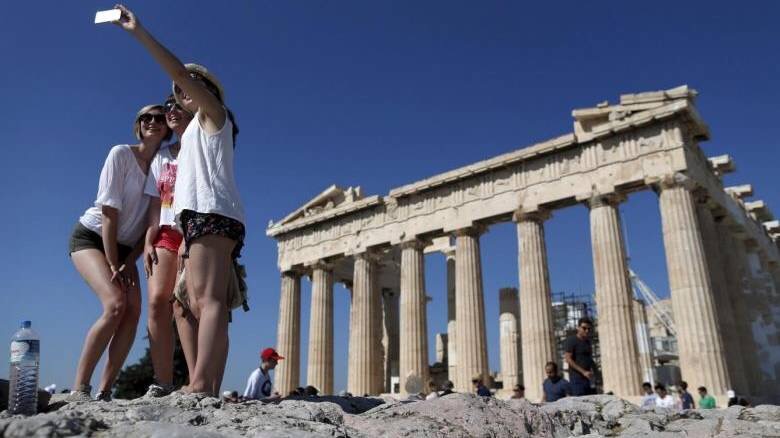
Μεγάλος αριθμός τουριστών σημειώθηκε για φέτος στην Αθήνα. Σύμφωνα με τα στοιχεία που παρουσίασαν σήμερα σε κοινή συνέντευξη Τύπου ο δήμαρχος Αθηναίων, Γιώργος Καμίνης και ο αντιπρόεδρος της Aegean, Ευτύχιος Βασιλάκης, το πρώτο τρίμηνο του 2017 καταγράφεται αύξηση των αφίξεων στο Διεθνή Αερολιμένα Αθηνών «Ελευθέριος Βενιζέλος» κατά 14% σε σχέση με πέρυσι. Μάλιστα να σημειωθεί, ότι το 2016 η Αθήνα κατέγραψε ρεκόρ αφίξεων όλων των εποχών με 4.600.000 τουρίστες, έναντι 4.200.000 τουριστών το 2015.
Σχεδόν ίδιος είναι και ο αριθμός των διανυκτερεύσεων στην Αθήνα, δήλωσε ο κ. Βασιλάκης, απαντώντας σε σχετική ερώτηση του ΑΠΕ – ΜΠΕ.

Στη συνέντευξη παρουσιάστηκε η πρωτοβουλία ανάμεσα στον ιδιωτικό και το δημόσιο τομέα, η Τουριστική Σύμπραξη για την Αθήνα (Athens Tourism Partnership), μεταξύ του δήμου Αθηναίων, της Aegean και του διεθνούς αεροδρομίου της Αθήνας, μέσω της δωρεάς του Hellenic Initiative (Ελληνική Πρωτοβουλία) και με την υποστήριξη της Σύμπραξης για την Αθήνα /Athens Partnership. Αξιοποιώντας τα μοναδικά χαρακτηριστικά της Αθήνας, η συνεργασία των δύο φορέων αναδεικνύει αποτελεσματικά την πόλη στο κοινό -και στο εξωτερικό-, εστιάζοντας στις αμέτρητες επιλογές που προσφέρει, αλλά και στο ρόλο που διαδραματίζει ως τουριστικό σημείο αναφοράς για κάθε επισκέπτη. Η εμπειρία της πόλης ως “city break”, προορισμού πολιτιστικού & αθλητικού ενδιαφέροντος, ενδιάμεσου σταθμού για κοντινές αποδράσεις και κόμβου στήριξης της περιφέρειας και σύνδεσης με πρωτεύουσες άλλων χωρών, είναι κάποιες από τις πτυχές οι οποίες προβάλλονται μέσα από το πλάνο δράσεων που υλοποιούνται.

Όπως είπε ο κ. Καμίνης, «ο τουρισμός είναι βασικός μοχλός της οικονομίας μας, της Αθήνας, της χώρας. Για να λειτουργήσει όμως χρειάζονται συνέργειες και συνεργασίες» προσθέτοντας ότι «από το 2012 οι τουρίστες στην Αθήνα αυξήθηκαν κατά 2 εκατομμύρια». Ο δήμαρχος Αθηναίων, υπογράμμισε πως «η Αθήνα έχει όλες τις προϋποθέσεις και μπορεί να αναδειχθεί σε μοναδικό αυτόνομο προορισμό για όλο τον χρόνο. Είναι μία ασφαλής ευρωπαϊκή πρωτεύουσα σε καιρούς αστάθειας και αβεβαιότητας, πόλη δημοκρατίας, ανοιχτή στην πρωτοπορία και τον διάλογο, φιλόξενη και ειρηνική». Ο κ. Καμίνης επισήμανε με έμφαση ότι σε κάθε 40 επισκέπτες αντιστοιχεί μια θέση απασχόλησης, ενώ σημείωσε τη δεσπόζουσα θέση που κατέχει η Αθήνα στο συνεδριακό τουρισμό. Βάσει των στατιστικών στοιχείων για την αγορά των διεθνών συνεδρίων η Αθήνα το 2014 εκτινάχθηκε κατά 20 θέσεις, ενώ το 2015 κέρδισε άλλες τρεις θέσεις στη διεθνή κατάταξη.

Στην πρωτεύουσα πραγματοποιήθηκε το 57% των συνεδρίων που έγιναν το 2015 σε όλη τη χώρα, ενώ υπολογίζεται ότι κάθε σύνεδρος ενίσχυσε την τοπική οικονομία κατά μέσο όρο με περισσότερα από 2.000 ευρώ. Σύμφωνα με εκτιμήσεις της διεθνούς ένωσης συνεδριών ICCA, το 2015, η τοπική οικονομία ενισχύθηκε, από συνέδρια διεθνούς και επιστημονικού χαρακτήρα, με το ποσό των 51 εκατ. ευρώ.

Ιδιαίτερα ενθαρρυντικά περιμένουμε να είναι τα στοιχεία και για το 2016, τόνισε ο κ. Καμίνης. Σημαντική συμβολή στην ανάπτυξη του τουρισμού στην Αθήνα, έχουν οι μεγάλες πολιτιστικές, αθλητικές και άλλες διοργανώσεις του δήμου. Στόχος, είπε ο κ. Καμίνης, είναι και τις 52 βδομάδες του χρόνου να γίνονται ανάλογες διοργανώσεις.

Ξεχωριστή αναφορά έγινε από τον κ.Καμίνη στη σημασία της έκθεσης Σύγχρονης Τέχνης Documenta 14, που έχει ήδη από το πρώτο δεκαήμερο της λειτουργίας της προσελκύσει δεκάδες χιλιάδες επισκέπτες. Η Aegean θέλοντας να συμβάλει στην τοποθέτηση της Αθήνας στο χάρτη της διεθνούς πολιτιστικής σκηνής, συνδέει την Αθήνα με το Κάσελ και είναι η πρώτη αεροπορική εταιρεία που γίνεται επίσημος αερομεταφορέας της Documenta 14. Μέσα από τις νέες πτήσεις, η AEGEAN αναμένεται να μεταφέρει σε σύνολο περισσότερους από 8.500 επισκέπτες καθ’ όλη τη διάρκεια της έκθεσης στην πρωτεύουσα. Επιπλέον έγινε αναφορά και στο ρόλο που διαδραματίζουν ο Αυθεντικός Μαραθώνιος της Αθήνας καθώς και ο Ημιμαραθώνιος.

Ιδιαίτερα ελπιδοφόρα είναι και η ανάδειξη της Αθήνας σε Παγκόσμια Πρωτεύουσα Βιβλίου 2018 από την Unesco. Ο κ. Καμίνης αναφέρθηκε στην καμπάνια προβολής, This is Athens, την πρώτη έμπρακτη δράση της Σύμπραξης Τουρισμού για την Αθήνα, μια σύγχρονη εκστρατεία ανάδειξης της Αθήνας, με ενιαίο branding, η οποία υποστηρίζεται με περιεχόμενο από το δίκτυο πολιτισμού του δήμου Αθηναίων, ένα πρόγραμμα με αποκλειστικό δωρητή το Ίδρυμα Σταύρος Νιάρχος.

Ακόμη, η Εταιρία Ανάπτυξης και Τουριστικής Προβολής Αθηνών του δήμου Αθηναίων επανέρχεται με τη διοργάνωση του 5ου Travel Trade Athens, στις αρχές Οκτωβρίου του 2017, με στόχο την ενίσχυση των συνεργασιών, τουριστικών επιχειρήσεων και επαγγελματιών του ελληνικού τουρισμού με εκπροσώπους της διεθνούς τουριστικής αγοράς.

Από την πλευρά του, ο αντιπρόεδρος της Aegean, Ευτύχιος Βασιλάκης, τόνισε ότι η συνεργασία του ευρύτερου δημόσιου τομέα ή των πόλεων με ιδιωτικούς φορείς «είναι κάτι που χρειάζεται όλη η Ελλάδα. Οι δυνατότητες της πρωτεύουσας είναι ανεξάντλητες, το τουριστικό προϊόν αναβαθμίζεται συνεχώς και η σημαντική αύξηση της επιβατικής κίνησης μέσω Αθήνας καταδεικνύει τη σημασία της θέσης της στον διεθνή τουριστικό χάρτη». Σύμφωνα με στοιχεία που παρέθεσε η εταιρία, την τετραετία 2013 – 2016 σημειώθηκε σημαντική αύξηση της επιβατικής κίνησης μέσω Αθήνας, 128% αύξηση συνολικής κίνησης από/προς Αθήνα, 97% αύξηση της κίνησης διασύνδεσης εσωτερικού/εξωτερικού και 66% αύξηση κίνησης – διασύνδεσης προορισμών εσωτερικού.

Από το 2016 μέχρι σήμερα, η εταιρία έχει συνδέσει την Αθήνα με 9 νέες χώρες και 21 νέους προορισμούς, εξυπηρετώντας πλέον από την πρωτεύουσα 71 προορισμούς σε 41 χώρες. Τέλος αναφερόμενος στην ανάπτυξη της εταιρείας την τετραετία 2013 – 2016, είπε ότι στην Aegean δημιουργήθηκαν 1.000 νέες θέσεις εργασίας, αγοράστηκαν 16 νέα αεροσκάφη, ενισχύθηκε το δίκτυο με 44 νέους προορισμούς και 23 νέες χώρες συντελώντας στη συνολική αύξηση της επιβατικής κίνησης κατά 50%. «Φτιάχνουμε τη γέφυρα που ενώνει τη χώρα και την Αθήνα ειδικότερα, με όλο τον κόσμο», τόνισε ο αντιπρόεδρος της Aegean.

Source: cnn.gr

Η μεγαλύτερη απάτη της Εθνικής τράπεζας – Πως έκλεψε 6.960 τόνους χρυσού και την ακίνητη περιουσία των Ελλήνων της Ανατολής


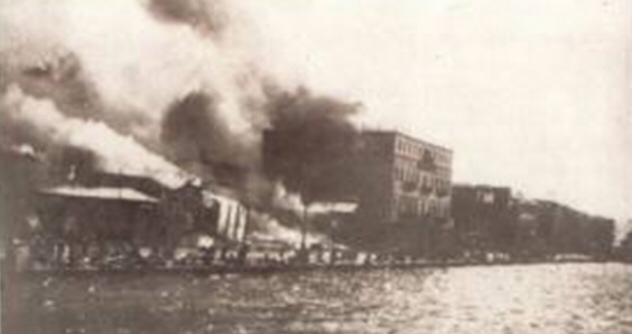
Από το 1904 που δημιουργήθηκε η τράπεζα μέχρι το 1922 που έγινε η καταστροφή της Σμύρνης είχε περυσυλλέξει η τράπεζα αυτή το 90% του πλούτου των Ελλήνων του Λεβάντε. Αλεξάνδρεια, Ιεροσόλυμα, Μυτιλήνη, Θεσσαλονίκη, Σμύρνη , Κωνσταντινούπολη. 

Είχε υποκαταστήματα παντού. Επίσης υποκατάστημα στο Βερολίνο στη Γερμανία. Σε αυτά τα 19 χρόνια η Μικρασιατική Καταστροφή ήταν δημιούργημα των Χαζάρων. Δέν είναι ώρα να το αναλύσουμε ιστορικά. 

Να θυμάστε όμως πως ο Ελληνισμός της Ιωνίας είχε παρουσία στο χώρο αυτό πάνω από 5000 χρόνια. Η Τροία ήταν Ελληνικός χώρος και η Περσία ήταν Ελληνικός χώρος. Έτσι λοιπόν ένας πολιτισμός που ήταν στον χώρο αυτό για χιλιάδες χρόνια ξεριζώθηκε με εκείνη την κατάπτυστη συνθήκη μέσα σε διάστημα 2 η 3 ετών. 

Σκοπός “να ιδιοποιηθούμε” αυτό το τεράστιο απόθεμα χρυσού και τον πλούτο των Ελλήνων της Μεσογείου οι οποίοι άν ενθυμίστε την εποχή εκείνη ήταν η πλουσιοτέρα ομάδα σε όλο τον πλανήτη .

Να σκεφτείτε ότι μόνον το υποκατάστημα της Αιγύπτου δήλωνε κέρδη ετησίως από ένα έως ενάμιση εκατομμύρια χρυσά Γαλλικά Φράγκα από ένα υποκατάστημα. 

Η ευρύτερη περιοχή της Σμύρνης είχε 5800 εργοστάσια Ελληνικής ιδιοκτησίας. Την ίδια στιγμή στην Ελλάδα υπήρχαν μόνο 450. Όταν με διαταγή του Μπέη της Σμύρνης οι Τσετσένοι άρχισαν να σφάζουν τους Έλληνες πήγαν όλοι και κατέθεσαν τους τίτλους ιδιοκτησίας των εργοστασίων τους και των σπιτιών τους και των περιουσιών τους στην τράπεζα της Ανατολής διότι προβαλλόταν πάντα ως Ελληνική τράπεζα διότι και η Εθνική εθεωρούντο Ελληνική τράπεζα. 

Δεν ήξερε κανένας ότι την εποχή εκείνη η τράπεζα εκείνη ανήκει στους Χαζάρους. Εθνική Τράπεζα της Ελλάδος λεγόταν τυπικά “της Ελλάδος ” ασχέτως αν το βγάλαμε πριν από 2-3 χρόνια. Επειδή η Ανατολή ήταν θυγατρική της Εθνικής οι Έλληνες υπενόησαν πως και αυτό Ελληνικό Ίδρυμα είναι. να σκεφτείτε ότι σήμερα ακόμα η Εθνική τράπεζα συλλέγει τεράστια ποσά από τίτλους ιδιοκτησιών των Ελλήνων της Σμύρνης. 

Διότι δεν βρέθηκε ποτέ ο κάτοχος επειδή ή σφαγιάσθηκε από τους Τσετσένους ή βρίσκετε στο βυθό του Αιγαίου μαζί με τις μετοχές της Ανατολής. Όταν αποφάσισε το 1931-2 να πουληθεί η τράπεζα της Ανατολής. Ήταν αδύνατον να βρεθεί πλειοψηφικό πακέτο μετοχών για να γίνει γενική συνέλευση. 

Προσπάθησαν 4 φορές να κάνουν γενική συνέλευση για να πωληθεί δήθεν η Τράπεζα της Ανατολής στην Εθνική Τράπεζα και δεν μπορούσαν να κάνουν συνέλευση επειδή ήσαν λιγότεροι από το 46% όλες οι άλλες μετοχές είχαν εξαφανιστεί. Δεν θέλω να σας πω τι έχει γίνει ιστορικά έκτοτε. 

Ούτε τα 600 δις έχουν να κάνουν με την τράπεζα της Ανατολής που εχει καταθέσει ο Αρτέμης Σώρρας για την εξαγορά του Ελληνικού Χρέους. Αυτή είναι η πραγματική ιστορία. 

Η ιστορία που διδάσκεστε εσείς είναι η ιστορία που θέλουν οι Χαζάροι να ξέρετε. Όταν λοιπόν το 1932 υποτίθεται πως απορρόφησε η Εθνική την Τράπεζα της Ανατολής υπήρχε ένα κεφάλαιο το οποίο ήταν κεφάλαιο εφεδρικό που ήταν γύρω στα 580 εκατομμύρια χρυσά Γαλλικά Φράγκα. 

Το κάθε ένα χρυσό Γαλλικό Φράγκο ζυγίζει 8 γραμμάρια, άρα τα 580.000.000 χρυσά Γαλλικά Φράγκα ζυγίζουν (580.000.000 x 8γρ = 4.640.000.000γρ = 4.640.000 κιλά) 4.640 τόνους χρυσού. Αυτό σύμφωνα με το συμβόλαιο πωλήσεως δεν μετεβιβάσθει στην Εθνική . 

Κατετέθει σε έναν αλληλόχρεο λογαριασμό με επιτόκιο 7,25% και θα διαμοιραζόταν ισσοπόσως στους μετόχους οι οποίοι χάριν ευκολίας συμφώνησαν να πάρουν άλλο ποσό 150 δραχμές έναντι της κάθε μετοχής μέχρις ότου γίνει η εκκαθάριση. Επομένως να θυμάστε δύο πράγματα. Το αποθεματικό κεφάλαιο δεν μεταβιβάσθει διά του συμβολαίου προς την Εθνική. 

Προσετέθει δε στο αποθεματικό όλα εκείνα τα κεφάλαια χρήσεων ’32, ’33, ’34, ’35 και ’36. Το ποσόν το οποίον έφτασε τον Δεκέμβριο του ’36 υπήρχαν κατατεθιμένα στην Εθνική Τράπεζα 870 εκατομμύρια χρυσά Γαλλικά φράγκα από την τράπεζα της Ανατολής. Σύνολο 6.960 τόνοι χρυσού.

Αυτήν την ποσότητα χρυσού την πλήρωσαν οι Έλληνες της Μ. Ασίας, 4.000.000 με την ζωή τους και 2.000.000 ξεριζωμένοι πρόσφυγες από τις πατρογονικές εστίες τους.

Και τότε αλλά και έως σήμερα ειδικός όρος στο άρθρο 26 του καταστατικού της Εθνικής μόνιμος αντιπρόεδρος με δικαίωμα εκτελεστού (δηλαδή ασκεί διοίκηση) είναι ο εκάστοτε Αρχιεπίσκοπος Αθηνών και Πάσης Ελλάδος. Για το αίμα των θυμάτων ποιος θα λογοδοτήσει;;;

Είστε ματιασμένοι; Αυτά είναι τα λόγια που πρέπει να πείτε για να διώξετε το κακό μάτι

Είστε ματιασμένοι και δεν ξέρετε τι να κάνετε; Ακολουθήστε και τις παρακάτω προσευχές και θα διώξετε τον εχθρό από δίπλα σας και το πονηρό μάτι μια και καλή…

Το «μάτι» είναι η συσσωρευμένη αρνητική ενέργεια που πηγάζει από φθόνο ή ζήλια και εξαπολύει κάποιος εναντίον μας μέσα από τα μάτια του.

Η παράδοσή μας έχει διάφορους τρόπους να καταλύει το μάτιασμα. Άλλος είναι με λιβάνισμα, άλλος με αλάτι, άλλος με λάδι, ενώ πάντοτε υπάρχει μια προσευχή που το άτομο που ξεματιάζει λέει σιωπηλά. Λέγεται πως καλό είναι να μην εκμυστηρεύεται η εκάστοτε προσευχή από γυναίκα σε γυναίκα απευθείας.

Μετά το ξεμάτιασμα ζητήστε από το άτομο να μετακινηθεί. Οι παλιοί έλεγαν «κουνήσου λιγάκι» ή «χτύπα τα πόδια σου στο πάτωμα», χωρίς να ξέρουν το γιατί. Στην ουσία με αυτόν τον τρόπο φεύγει η κολλημένη αρνητική ενέργεια και ανανεώνεται η ενέργεια. Κάποιοι ζητούν να φτύσει ο άλλος τον κόρφο του ή φτύνουν τον δικό τους. Άλλοι θέλουν να κοιτάξει ο άλλος μακριά στον ορίζοντα. Όλα είναι σωστά και έχουν το λόγο τους.

Τόσο το άτομο που ξεματιάζει όσο και το άτομο που το ξεματιάζουν χασμουριέται στη διάρκεια της διαδικασίας. Αυτό γίνεται γιατί διαλύεται η αρνητική ενέργεια που είναι μέσα μας. Μάλιστα, όσο περισσότερα είναι τα χασμουρητά, τόσο ισχυρότερο είναι και το μάτι.

Στην ερώτηση «εάν μπορούμε να ξεματιαστούμε μόνοι μας»,που συχνά απασχολεί τους περισσότερους, είναι δύσκολο, θέλει επιμονή και προσπάθεια, ενώ δεν λειτουργεί και πάντοτε. Αυτός που ξεματιάζει «παίρνει» το μάτι από αυτόν που το έχει. Όταν το κάνουμε μόνοι μας μπορεί να καταλήξουμε να χασμουριόμαστε για πολλή ώρα (πράγμα που θα γίνει εάν μας ξεματιάσει και κάποιος άλλος), ή να κάνουμε εμετό.

Οι προσευχές του ξεματιάσματος λέγονται μια ή τρεις φορές. Εάν την ώρα που λέτε την προσευχή μπερδεύετε τα λόγια σας ή χασμουριέστε,σίγουρα το άτομο έχει μάτι.

«Πάτερ ημών»

Η πιο απλή προσευχή για το ξεμάτιασμα είναι να πείτε το «Πάτερ ημών» τρεις φορές.

Η προσευχή της Παναγίας

Η Κυρά η Δέσποινα εντύθηκε, εστολίστηκε, εμυροβολήθηκε. Στο τρίστρατο εκάθισε. Πονηρός οφθαλμός την είδε και την εμάτιασε. Την βλέπει ο Υιός της ο μονογενής και της λέει «Τι έχεις Δέσποινα και Κυρά και Μητέρα μου και είσαι αρρωστημένη;» Κι εκείνη του απάντησε «Πονηρός οφθαλμός με είδε και με εμάτιασε και πόνεσε το κεφάλι μου». Και γυρνάει ο Γιος της και της λέει «Και δεν ξέρεις, μάνα Μου, να πεις «ο Ιησούς Χριστός νικά κι όλα τα κακά σκορπά;»

Ο Ιησούς Χριστός νικά κι όλα τα κακά σκορπά. Ο Ιησούς Χριστός νικά κι όλα τα κακά σκορπά. Ο Ιησούς Χριστός νικά κι όλα τα κακά σκορπά.

Η προσευχή της γης

«Εικοσιπέντε Δεκεμβρίου Χριστός γεννάται. Η ημέρα εκείνη και τούτη μία λογάται. Στο όνομα του Χριστού και της Παναγίας, του Άγιου Παντελεήμονα και (όνομα ατόμου), πάρε γης το βάρος του και δώς του την υγειά του. Της υγειάς του να “ναι».

Η προσευχή των Αγίων Αναργύρων

«Ιησούς Χριστός επέρασε και πάλι ξαναπέρασε.Το ραβδί του ακούμπησε τον όφη και την όφισσα και την κακιά γειτόνισσα. Άγιοι Ανάργυροι θαυματουργοί, Κοσμά και Δαμιανέ, δωρεά ελάβατε, δωρεά να δώσετε του (όνομα) το κακό να σκορπίσετε. Ιησούς Χρισός νικά κι όλα τα κακά σκορπά, η κυρά η Παναγιά που σκορπίζει τα κακά».


Αλατόνερο

Γεμίστε ένα ποτήρι με νερό και βάλτε με το χέρι σας μια χούφτα αλάτι (χοντρό ή ψιλό). Ανακατέψτε λέγοντας την προσευχή. Στο τέλος ζητήστε να διαλυθεί το μάτι όπως το αλάτι διαλύεται στο νερό. Χύστε το νερό στην τουαλέτα και πλύντε το ποτήρι αμέσως.

Λουλούδια επιταφίου

Πείτε την προσευχή και ταυτόχρονα κάψτε στο λιβανιστήρι λουλούδια επιταφίου για το κακό μάτι αλλά και για καθαρισμό της ενέργειας.

Λάδι

Βάλτε σε ένα μικρό ποτήρι νερό και στάξτε τρεις σταγόνες λάδι. Πείτε την προσευχή. Επαλείψτε το μέτωπο του ατόμου με λίγο νερό. Η παράδοση θέλει το λάδι να διαλύεται μαζί με το κακό μάτι.

Αγριμονιά και απήγανος

Κάψτε αγριμονιά και απήγανο μαζί με λιβάνι στο θυμιατό και λιβανίστε το άτομο για να καθαρίσει. Οι αρνητικές ενέργειες απωθούνται και καθαρίζει η αύρα του.