Gold win for SBS journalist Kyriakos Gold

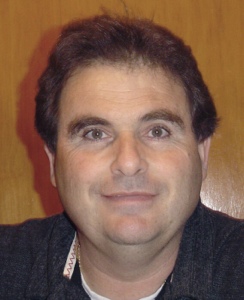
 Kyriakos Gold, SBS Greek radio journalist, has been awarded for Outstanding Community Service at the NSW Parliament

Kyriakos Gold as a member of SBS’ Greek radio team.

Kyriakos Gold, SBS Greek radio journalist, has been awarded for Outstanding Community Service at the NSW Parliament.

The Outstanding Community Service Awards were presented by the Hon Marie Ficarra MLC, Parliamentary Secretary to the Premier, Councillor Vincent De Luca and past recipient of the prestigious award, Pete Everett.

The Parliament of NSW acknowledged and commended Mr Gold outstanding contribution since his teenage years to multiculturalism, youth, the community and the promotion of diversity and tolerance in Australia.

During the presentation Councillor De Luca referred to Mr Gold’s instrumental part in the delivery of ethnic television for many European communities in the ’90s and early 2000, his academic achievements and scholarships and over two decades of volunteer work for mainstream and community organisations in Australia. SBS Radio’s Greek Program and Eurovision also got a special mention, as Mr Gold is currently a key member of those teams.

Mr Gold thanked the NSW Parliament and congratulated other recipients in his speech.

“I grew up in Greece, Australia was a magical country in my father’s storytelling; two decades later after having moved here, I can tell you it is still magical. We live in a great country, with great people, we have good governments and that is what makes this award an even bigger honor,” he said.

After the tragic loss of her triplets, and the stillbirth of her daughter, comes life, as Mary Coustas announces she is pregnant

Loss and life

Unfathomable is the word that comes to mind when one tries to comprehend what comedian and actress Mary Coustas has endured on her quest to become a mother. The bittersweet journey has taken her from the realisation that she may never be a mother, an early miscarriage, to dependant on IVF, to carrying triplets, making the heartbreaking decision to selectively reduce her twins for a singleton pregnancy to give her daughter the best chance of survival and then the final crushing blow – the birth of her stillborn daughter. And now, at 48, Mary and her partner George Betsis finally have the good news that Mary is 22 weeks pregnant.

In an interview with 60 Minutes that aired last week, Mary announced that she and George were over the moon with their happy news.

“Life’s most common miracle has been the most elusive one for me,” the actress said candidly in the interview.
“I want stretch marks, I want sore nipples, I want all the things everyone else complains about. I would like to join that club and it looks like I will.”

Their baby is due in December and her partner George said the couple are “excited but cautious”. Despite all odds, they have been given a deserved second chance – despite all the odds, Mary and George look set to have the baby they have longed for.

The devastating journey and battle to have children and the tragedy that followed came to light when Mary wrote about her ordeal in her book All I Know: A Memoir of Love, Loss and Life (Allen & Unwin).

“Six weeks after George and I were married, I found out that I could not have children. A laparoscopy revealed that I had blocked Fallopian tubes. Our honeymoon was brought to a swift end by an unanticipated and massive blow. I was told my only option was IVF. I was completely winded emotionally.

“In 2009 I was 45 and my egg quality was diminishing due to the ageing process. Adoption was not a possibility. In Australia, you cannot adopt if there is more than 40 years age difference between you and the child. And you are not permitted to adopt while trying to conceive using IVF.”

Eighteen months later – after Mary put her career on hold – she found out she was pregnant. Following her nine-week scan, Mary and George were told by their doctor that there were three heartbeats – but that two of the babies were sharing the one placenta. With that lay a plethora of risks for all three foetuses.

She writes: “The consequences of giving birth to three very premature babies include the risk of cerebral palsy, and loss of sight and hearing.

“There was also the possibility of personal risk to me at my age, and with triplets, of pre-eclampsia, which could lead to me developing cardiovascular issues as well as liver or renal failure.

“Could we live with the possibility that one decision could result in three unhealthy children? There was no avoiding the catch-22 dilemma we were facing. Just to make matters worse, a 3D ultrasound was scheduled for that week. It was agony watching our three babies doing exactly what you would hope for – moving and breathing, their hearts beating, but for how much longer?”

The couple spent the next few days in a medical limbo, consulting with five separate specialists who all had the same tragic conclusion to ‘selectively reduce’ the twin foetuses with their best chance being to lower the risk and preserve the single pregnancy.

“The day after the 3D ultrasound, George and I made the excruciating decision to reduce the twins. Wanting only a healthy life for our babies motivated the hardest decision we’ve ever made.”

Trying desperately to save her remaining child, Mary was faced with another obstacle. At week 20 of her pregnancy, her waters broke. Two weeks later the contractions began and she had no choice but to give birth.

Mary remembers the time her obstetrician told her he could see the baby, but the chances of her coming out of the birth canal alive were very slim. She was told her daughter would die coming through the birth canal.

“I wanted to collapse, to scream, to wail uncontrollably, but I couldn’t. I had a job to do. I had to deliver my baby. And as difficult and unimaginable as it was, I had waited for this moment my whole life. The cruelty of our circumstances was not going to ruin that.

“I pushed harder than I’ve ever pushed before. And there she was: tiny and perfect and so incredibly pretty. The minute I saw her staggering beauty I knew I was looking at an angel. She was placed on my chest and I know I could not have loved her more than I did in that moment. It was the crush of a lifetime. My wounded, aching heart was suddenly full.”

Through this, George stood by his wife’s side and silently cried.

“I cried too for the many reasons that are obvious but also for the miracle that is love,” Mary writes. “For its ability to strike in ways that leave you breathless, for its breadth and for its blindness to the abrupt nature of death.

“In six months I had gone from none to two to three to one to none. How do you fathom something like that? How do you survive the reality of it?”

This harrowing sadness of loss compelled her to write the book, that not only captures her loss with her children, but the death of her father. Death – the final taboo, she says, but in an interview with Peninsual Weekly, Mary says that following the death of her father at an early age (he was 59 when she was 23), all this loss in her life means she has become “very good at being present”.

“It’s something we will all encounter with people we love, and we all avoid it. We don’t like to talk about it and we don’t like to show our pain in regards to it. It’s something that we don’t address very successfully.”

“You become very good at taking every moment you can from what’s right in front of you without loading it with any expectation of what you want from it.

“I’ve been born into that way of thinking, archiving, maximising, making the most of all the smallest things, remembering, keeping it alive through storytelling.
“It is very in balance with how I live.

That’s how I’ve learnt to live, from the beginning. So it’s not a new concept for me. For me it’s only enhanced every other thing in my life, more so because I know that at any point everything can change, in one moment. I don’t need to be told that; I’ve witnessed it.”

And change it will again as Mary gets set for her biggest chapter in her life; being one person’s mother for the rest of their life.

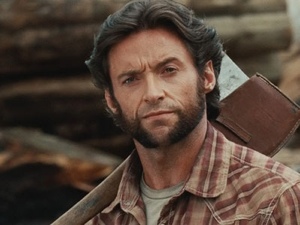
Ο «Wolverine» Χιου Τζάκμαν είναι Έλληνας

20130812-173334.jpg

Την ελληνική καταγωγή του επιβεβαίωσε ο διάσημος ηθοποιός, Χιου Τζακμαν, σε συνέντευξη του με αφορμή τα γυρίσματα της νέας του ταινίας της σειράς «Xmen».

Όπως ανέφερε, «είναι αλήθεια ότι έχω ελληνικές ρίζες, δύο γενιές πίσω το όνομα της οικογένειάς μου ήταν Μπέλας. Αισθάνομαι και είμαι Έλληνας εξ αίματος», τόνισε ο αυστραλός υπήκοος, απευθύνοντας παράλληλα πρόσκληση στους Έλληνες σκηνοθέτες να τον έχουν στα… υπόψη τους!

Ο ηθοποιός πριν από 5 χρόνια βρέθηκε στη χώρα μας και επισκέφτηκε τη Βάρκιζα, τη Δήλο και τη Μύκονο.

Η ΕΡΕΥΝΑ ΓΙΑ ΤΟΥΣ ΑΓΝΟΟΥΜΕΝΟΥΣ ΑΥΣΤΡΑΛΟΥΣ ΤΗΣ ΒΕΥΗΣ ΑΡΧΙΖΕΙ‏

Source: Neos Kosmos by Michael Sweet

20130725-204839.jpg

Η ΕΡΕΥΝΑ ΓΙΑ ΤΟΥΣ ΑΓΝΟΟΥΜΕΝΟΥΣ ΑΥΣΤΡΑΛΟΥΣ ΣΡΑΤΙΩΤΕΣ ΤΟΥ ΔΕΥΤΕΡΟΥ ΠΑΓΚΟΣΜΙΟΥ ΠΟΛΕΜΟΥ ΣΕ ΕΞΕΛΙΞΗ

Ο Ελληνικός στρατός έχει αρχίσει την εκσκαφή της περιοχής όπου πιστεύεται να βρίσκεται ο τάφος των Αυστραλών στρατιωτών που έχασαν την ζωή τους τον Απρίλιο του 1941 κατά τη ν διάρκεια της μάχης της Βεύης.

Η εκσκαφή, που διατάχτηκε από την Ελληνική κυβέρνηση, μετά την παρέμβαση του Υπουργού Μακεδονίας-Θράκης, Θεόδωρου Καραόγλου, άρχισε την περασμένη Δευτέρα στη Βεύη.

Η τοποθεσία είχε επισημανθεί πρώτα σε μια αντιπροσωπεία Αυστραλών βετεράνων πολέμου το 1991 που επισκεύφτηκε το χωριό κατά την διάρκεια της 50ής επετείου της Ελληνικής εκστρατείας στο δεύτερο παγκόσμιο πόλεμο.

Περισσότερα από 22 χρόνια αργότερα τα πρώτα βήματα, λαμβάνονται για την εξακρίβωση αυτού του ισχυρισμού.

Ο Ελληνο-Αυστραλός καθηγητής Θωμάς Τσαμούρας από το Νιούκαστλ που έφερε την τοποθεσία στην προσοχή των Ελληνικών αρχών, είπε στον Νέο Κόσμο, ότι η ομάδα ανασκαφής, με επικεφαλής τον Ταξίαρχο Σταμάτη Παναγιώτη από το 1ο Σώμα Στρατού, είχε αρκετά «χτυπήματα» σε ανιχνευτές μετάλλων, από την Δευτέρα που άρχισε η ανασκαφή αλλά δεν βρέθηκαν ανθρώπινα οστά μέχρι στιγμής.

«Είναι πεπεισμένοι ότι η τοποθεσία που φωτογραφήσαμε και τους παραδώσαμε είναι «περίεργη», είπε ο κ. Τσαμούρας στον Νέο Κόσμο.

Κατά τους τελευταίους μήνες ο κ. Τσαμούρας έχει επικοινωνία με την Unrecovered War Casualties – Army (UWCA), την υπηρεσία του Αυστραλιανού στρατού που ερευνά τους ισχυρισμούς αγνοουμένων νεκρών στρατιωτών πολέμου.

Η υπηρεσία που είχε ανοίξει μια δικογραφία να εξετάσει τα αποδεικτικά στοιχεία σχετικά με την τοποθεσία, σύμφωνα με πληροφορίες εξέφρασε απογοήτευση με την Ελληνική απόφαση για την ανασκαφή χωρίς την συμμετοχή στην έρευνα και των Αυστραλιανών αρχών.

Ο κ. Τσαμούρας είπε ότι ενώ είναι ικονοποιημένος που άρχισε η ανασκαφή, «θα ήμουν πιο ευτυχής αν αυτό ήταν μια κοινή επιχείριση με το δικό μας UWCA».

Ο Νέος Κόσμος γνωρίζει ότι τα στοιχεία επικοινωνίας του UWCA έγιναν γνωστά στις Ελληνικές αρχές πριν το ξεκίνημα της ανασκαφής.

Αν ανακαλυφθούν ανθρώπινα οστά και πιστεύεται ότι είναι Αυστραλών στρατιωτών, η UWCA είναι υποχρεωμένη να βρει σε ποιόν ανοίκουν, και αν αυτό προσδιορισθεί, να φροντίσει για την ταφή τους με την Commonwealth War Graves Commission.

Search underway for unrecovered Aussie WWII casualties who died in April 1941 during the Battle of Vevi

Source: Neos Kosmos by Michael Sweet

20130725-122223.jpg

Vevi lost soldiers dig begins

The Greek army has begun excavating the alleged unmarked burial site of Australian soldiers who died in April 1941 during the Battle of Vevi.

The dig, sanctioned by the Greek government after the intervention of Minister for Macedonia and Thrace, Theodoros Karaoglou, began last Monday in Vevi.

The location was first pointed out to a delegation of Australian veterans in 1991 who visited the village during the 50th anniversary commemoration of the Greek Campaign in WWII.

More than 22 years later the first steps are being taken to finally ascertain the validity of the claim.

Newcastle school teacher Tom Tsamouras – who brought the alleged site to the attention of the Greek authorities – told Neos Kosmos that the excavation team, led by Brigadier General Panayiotis Stamatis of the 1st Army Corp, had experienced a number of ‘hits’ on metal detectors since the dig began on Monday, but no human remains had been found as yet.

“They are convinced that the area we photographed and supplied to them is ‘unusual’,” Mr Tsamouras told Neos Kosmos.

In recent months Mr Tsamouras has corresponded with Unrecovered War Casualties – Army (UWCA), the Australian Defence Force department responsible for investigating assertions of unrecovered war dead.

The department – that was due to open a case-file to examine evidence relating to the site – has reportedly expressed disappointment at the Greek military going ahead with the dig without it being undertaken in conjunction with Australian authorities.

Mr Tsamouras said that whilst he was delighted that the dig had begun, “I would have been more delighted if this was a joint venture with our own UWCA”.

Neos Kosmos understands that UWCA’s contact details were supplied to the Greek authorities before the dig began.

If remains are discovered that are believed to be those of Australian soldiers, it is the responsibility of UWCA to seek to identify the remains, and if identified, make funeral arrangements with the Commonwealth War Graves Commission.

Ο φάκελος των αγνοουμένων Αυστραλών της μάχης της Βεύης έτοιμος για το υπουργείο Ενόπλων Δυνάμεων Αυστραλίας

20130626-220448.jpg

Καθηγητής του Νewcastle Θωμάς Τσαμούρας.

26 Ιουνίου 2013-06-27

Πηγή άρθρου: Michael Sweet

Μετά την ανακοίνωση του ‘Έλληνα υπουργού Μακεδονίας και τη Θράκης, Θεόδωρου Καράογλου – ότι ποσό ύψους μέχρι 30.000 ευρώ έχει διατεθεί για μια ανασκαπτική έρευνα στην πιθανολογούμενη περιοχή, στην οποία Αυστραλοί στρατιώτες τάφηκαν ανώνυμα στην βόρεια Ελλάδα κατά τον Β ‘Παγκόσμιο Πόλεμο οι ερευνητές στην Αυστραλία θα παρουσιάσουν τώρα ένα φάκελο των αποδεικτικών τους στοιχείων στο υπουργείο Ενόπλων Δυνάμεων Αυστραλίας.

Για τον Στρατό των αγνοουμένων (UWCA), είναι υπεύθυνη η μονάδα ADF για την διερεύνηση των υποδεικνυόμενων θέσεων ταφής του Αυστραλιανού στρατιωτικού προσωπικού, που παρείχε υπηρεσίες στο εξωτερικό. Παρά την προφορική υποστήριξη των ελληνικών αρχών για την ανασκαφή, η UWCA δεν έχει λάβει ακόμη μια έκθεση πεπραγμένων από τον Ελληνικό Στρατό για να διευκολυνθεί η προκαταρκτική έρευνα ή μια επίσημη αίτηση για βοήθεια. Ο Έλληνας υπουργός, ο οποίος επιβεβαίωσε, ότι ο Ελληνικός Στρατός είχε ετοιμάσει λεπτομερή σχέδια, για να ανασκάψει την περιοχή, είπε, ότι θα εγκρίνει τις δαπάνες προσωπικά. “Νομίζουμε ότι ξέρουμε, που βρίσκεται ο τάφος αυτών των στρατιωτών, και αναζητούμε μια άδεια για να σκάψουμε εκεί», είπε ο κ. Καράογλου.

«Θέλουμε να λύσουμε αυτό το σοβαρό ζήτημα και πιστεύω, ότι η αυστραλιανή κυβέρνηση θα συμφωνήσει μαζί μας, ότι πρέπει, να προχωρήσουμε. Θέλουμε, να τιμήσουμε αυτούς τους στρατιώτες.

Η Βεύη, 16 χιλιόμετρα νότια από τα σύνορα της Ελλάδας με την Γιουγκοσλαβία, ήταν η περιοχή της πρώτης εμπλοκής μεταξύ των αυστραλανών και των γερμανικών στρατευμάτων κατά την ελληνική εκστρατεία στην διάρκεια του Β ‘Παγκοσμίου Πολέμου. Οι συμμαχικές απώλειες κατά την Μάχη της Βεύης υπολογίζονται σε περίπου, 60 στρατιώτες νεκρούς κατά την δράση, ανάμεσα στους οποίους 28 Αυστραλοί στρατιώτες. 480 Βρετανοί στρατιώτες της Κοινοπολιτείας συνελήφθησαν αιχμάλωτοι. Μια ομάδα ερασιτεχνών ερευνητών στην Νέα Νότια Ουαλία και την Βικτώρια λένε, πως υπάρχουν σημαντικές ενδείξεις, ότι έως και 20 Αυστραλοί στρατιώτες που σκοτώθηκαν στη μάχη τάφηκαν σε ομαδικούς τάφους ανώνυμα και δεν έχουν ανευρεθεί.

Το 1991 ο βετεράνος Ταξίαρχος Keith Rossi είχε δείξει την πιθανολογούμενη περιοχή σε μια επίσκεψη του στη Βεύη για τον εορτασμό της 50ης επετείου από την ελληνική εκστρατεία. Ένας από τους ερευνητές, στο Νιουκάστλ της Αυστραλίας ο Έλληνας δάσκαλος Θωμάς Τσαμουρας, ο οποίος έχει συμβάλει στον εντοπισμό της πιθανολογούμενης θέσης του χώρο ταφής των αγνοουμένων στη Βεύη είπε στον Νέο Κόσμο αυτή την εβδομάδα, ότι το έργο βρίσκεται στο στάδιο της ολοκλήρωσης. “Η αποστολή μου ήταν, να εντοπίσω το σημείο όπου έχουν ταφεί, με βάση τις πληροφορίες από τον Ταξίαρχος Keith Rossi και άλλες τοπικές εκθέσεις. «Πιστεύω ότι έχουμε βρει τώρα το σημείο και έχουμε φωτογραφίες από αυτό.

«Έχουμε, επίσης, έγγραφα από το ελληνικό στρατό, που έχει συντάξει μια λεπτομερή έκθεση σχετικά με το, τί απαιτείται για μια 15-ημέρη προκαταρκτική ανασκαφή, η οποία αφορά δύο στρέμματα,”είπε ο κ. Τσαμούρας. Η έκθεση του ελληνικού στρατού αυτή τη στιγμή μεταφράζεται στα αγγλικά. Ο κ. Τσαμουρας έχει βοηθηθεί στις προσπάθειές του από τον Έλληνα δικηγόρο κ Ευάγγελο Ιωαννίδη, ο οποίος ζει κοντά στη Βεύη και ο οποίος έθεσε το θέμα αρχικά στις ελληνικές αρχές. Τα αρχεία από τις εκσκαφές όσων σκοτώθηκαν στη δράση και θάφτηκαν μετά τη μάχη της Βεύης τον Απρίλιο του 1941 – και τα ονόματα των ατόμων που είναι περισσότερο πιθανό, να μην έχουν ανευρεθεί – έχουν συνταχθεί από τους ερευνητές της πολιτείας της Βικτώρια Μαρία Cameron και Carl Johnson. Οι πληροφορίες αυτές θα πρέπει, να προστεθούν στο φάκελο UWCA. Εν τω μεταξύ, ο κ. Τσαμούρας εμπλέκεται στη διασταύρωση των ανεπίσημων και άλλων αποδεικτικών στοιχείων σχετικά με το σημείο ταφής, συγκεντρώνοντας εκθέσεις κατά τη διάρκεια των ετών, που έγιναν από κατοίκους της Βεύης. Ο κ. Τσαμούρας λέει, ότι ο φάκελος με τα αποδεικτικά στοιχεία θα κατατεθεί στο UWCA μέσα σε λίγες εβδομάδες. “Να εξετάσουν αυτές τις πληροφορίες και να αποφασίσουν αν είναι αντάξιες μιας προκαταρκτικής ανασκαφής», δήλωσε ο ερευνητής από το Newcastle. “Αν χρειάζονται περισσότερες πληροφορίες, τότε μπορεί, να χρειαστεί, να παράσχουν περισσότερα στοιχεία ή να το κάνουν μόνοι τους, αξιοποιώντας την βοήθεια, η οποία προσφέρεται από τις ελληνικές αρχές. «Αν εμείς πρέπει, να το κάνουμε μόνοι μας και να βρούμε αποδείξεις των ανθρωπίνων λειψάνων, το UWCA είναι υποχρεωμένο από το νόμο να διεξάγει μια κανονική ανασκαφή.”

HAMILTON OLYMPIC SOCCER CLUB “35 Years On and Forever We’ll Be Strong“

Source: http://www.hamiltonolympic.com.au

Football in Australia, received a major boost in this country with the post war economic boom that saw thousands of migrants from throughout Europe settle in the far away “Southern Land” called Australia.

Hundreds of Greeks chose Newcastle as their new home with BHP and various other industries offering these “New Australians” a chance to make a new life far from their home land. Of course Soccer is a great way to keep ties with your family and community, and that’s how Hamilton Olympic was first established.

During the 60’s and 70’s, the Newcastle Greek Community supported a very strong Football Club called “Pan Hellenic”. Due to a combination of reasons, this proud ethnic based club sadly folded.

This in fact was a catalyst for the creation of a new Soccer Club for the Newcastle Greek community to support, led by Jim Kapalos, the Nicholas brothers, Stavros Ioannou, Chris and Andrew Tagaroulias and yes, still heavily involved with the club at present, Con Gounis. This group of gentlemen were adamant that Newcastle had a Greek based Soccer Club present in this town, and went on to form a new Soccer club. In 1976 they rallied the troops and entered three grades into the Northern NSW Soccer Federation 4th Division competition and were to be known as “Newcastle Olympic Soccer Club”.

The newly formed club played their first competition game against South Wallsend in April 1976 at Walker Field, South Wallsend. Ironically, for the new club their home ground was Darling St Oval, before a move in 1977 the following year to Austral Park – Birmingham Gardens.

Newcastle Olympic began to climb through the divisions and then saw the signing of Australian Hall of Fame recipient and 1956 Australian Soccer team Olympian, Bruce Morrow, whom captain coached Newcastle Olympic. Bruce Morrow’s charges went on to win the club’s first title in 1978, crowned minor and major premiers in the NSW Soccer Federation 4th Division competition with their first Grand Final victory 1-0 over the more fancied Garden Suburb club. Names of that era include Karamaniolos, Chatziconstantinos. Nicolas, Chourtos, Caimakamis, Rendina, Gounis, Thodas, Bachus, Pappas and Papadimitrious just to name a few.

The Clubs success continued in 1980, when they were promoted to 2nd division after finishing as runners up in 3rd division in 1979 and then promoted to 2nd division in 1981. The club competed successfully in 2nd division for a couple of years before the NSW Soccer Federation re-structure of divisions and relegated the club back to 4th division in 1983.

Now came the difficult the years. Between 1983 and 1989, the club was forced to leave Austral Park as their home base when the rent for this venue was quadrupled. The Club found themselves a new home ground being Myer Park, Adamstown, which had little infrastructure, and the club had very few dedicated committee members. Again a band of dedicated people refused to see this proud club lie down, and rallied together to install new life into the club. Tribute must be made to a few of the faithful committee of the time such as Nick Thodas, Jim Papadimitriou, Con Gounis and also to the players who kept the club functioning at this low point in the club’s history, which included the Karamaniolos brothers, Chris, John, Mick and Neil, the Asvestas brothers Harry, Nick and Jim, Mark Simpson, Leo Magnisalis, Con Xenakis and many others. Those days saw the club travel to play matches in multi-cultural deprived areas such as Kearsley, Greta-Branxton, Muswellbrook, Cardiff Railway, Beresfield and Thornton where the action off the park was often just as interesting as it was on the park.

The watershed for the Club was no doubt the acquisition of Terry Robson as player coach from the start of the 1988 season. After just missing automatic promotion in 1988, Terry led the team to the minor premiership in 1989, which saw the club back in 3rd division in 1990, the first time in almost a decade. An astute coach, Terry brought in some inspiring signings to the club, Brett McDonald, Steve
Foteados, Rod Arthur and Bob Mountford, who with the existing squad, were ready to take on the challenge of 3rd division. An added bonus for the 1990 season was the recruitment of ex-KB United and Australian International Player, Joe Senkalski. Newcastle Olympic easily won the Minor & Major Premierships with a 4-1 Grand Final victory over arch rivals, Cooks Hill. The club was on the move with 2nd division beckoning in 1991. The recruitment of 2 youngsters, strikers Lincoln Latunin and goal keeper Craig Tselembis coupled with the conversion of striker Con Safouris to sweeper alongside skilful players like Zervas, Magnisalis, Karamaniolos, Primmer and Simpson saw the club win the 2nd division title by a record 13 points, as well as a dramatic Grand Final win in a penalty shootout against the Lambton Jaffas. Again, tribute must also be given to the hard working committee of that era with Manuel Tserepas as Club President and his band of dedicated committee members Con Gounis, Chris Christo, Jim Papadimitriou, Kerry James, Nick Thodas, Con Pappas, Nick Nicholas and others who kept the club on the path to its ultimate goal.

The Early Years in First Division

1992

1st Division Soccer for the blue and white was finally reached after 16 years in the lower divisions. Hamilton Olympic were the only team to have won 3 automatic promotion movements from 4th division to 1st division in three years. After drifting around in the lower divisions the Club was building momentum and recruited Merv Duff as their 1st Grade Coach. This looked to be an encouraging season with an influx of experienced players coming to the club such as the Dorman brothers, Steve and Scott, Mark Ryan, Glen Chapman mixed with young blood Costa Caimakamis, Harry James, Con Sakavaras and Con Safouris saw the clubs early years in the NBN State League competition as it has become known.

Phil Ridley was appointed as 1st grade coach in 1993 and was in charge until the 1995 season, a three year reign at the helm.

The club began winning its first titles in the State League Competition, with the Under 18’s in 1994 and second grade in 1995 which were promising signs for the future. By this time the club had moved back to Darling Street Oval as their home base, and finalising the ground development was the clubs priority due to the fact that in order to compete in the NBN State League 1st division competition, the clubs ground facilities had to fall in line with a certain criteria set out by the Federation. With the completion of a 400 seat grandstand in 1993, in 1995 the club installed 4 galvanised steel light poles and 20 new lights, The redevelopment of Darling Street Oval came at a cost to the club of over $100,000.00, much to the delight of the Newcastle City Council. Today sees Darling Street Oval facilities up there with the best in the North and is the envy of other clubs that play in the 1st division competition. At the end of the 1995 season the club parted company with their second, 1st division Coach Phil Ridley, and was on the scout for a new coach for the 1996 season. The Smith era was about to begin.

The Golden Years – The “ Smithy “ Era

1996 – 2005

After interviewing a number of applicants for the ‘Head’ coaching position at Olympic, it was obvious that Greg Smith was the man to lead the club to the upper echelon of the NBN State League competition. A highly successful coach with Belmont/Swansea and Adamstown, Greg had a distinguished playing career for nearly two decades. A resident of Hamilton, Greg agreed to terms with Hamilton Olympic and was appointed head coach, the start of an era, unrivalled within Northern NSW Soccer circles.

A coach whom gained loyalty and 100% commitment from his players, Greg nearly had instant success with the 1st Grade losing a marathon penalty shootout to Highfields Azzurri, 11-10, in the 1996 final. Success was not far away, when on a wet September Sunday, Olympic won the first of their four consecutive Premiership titles with a 2-1 victory over arch rivals Broadmeadow Magic in the 1998 1st division Grand Final. Greg always believed in encouraging youth players from within the club whom came through the ranks from our under 18’s team. Players such as Michael Allan, Aaron Thompson, Mathew Austin, Evis Heath and Trent Austin, all would play a major role in the future success of the club.

1999 was probably the clubs most comprehensive Premiership victory with a 4-0 thrashing of Adamstown Rosebuds, at Breakers Stadium, Birmingham Gardens. Captain Benn Lane alongside talented players such as Mat Austin, Adam Sanderson, Craig Wallwork, Peter McGuiness, Doug West, Corey Filipcevic and Craig Harris saw the side play outstanding football.

The Millennium year 2000, witnessed Hamilton Olympic win another Premiership against arch rivals Edgeworth Eagles. Greg Smith prepared his charges to perfection for the 3-0 Grand Final Victory courtesy of goals from Wallwork, Filipcevic and McAteer.

The Premiership Victory in 2001 against Highfields Azzuri, a comfortable 2-0 win saw Hamilton Olympic equal the record held by Weston, by winning 4 consecutive premierships, only the second time in the Federation’s 100 history has this feat been achieved.

During the ten Golden Years “Smithy” was head coach, the club also won numerous 2nd grade and Youth Grade Titles, Club Championships and pre season competitions. Greg had the ability to bring out the best in his players by sharing his vast knowledge of the game with his players and coaching staff, and has no doubt taken the profile of the club to be known as one of the “Heavy Weights of the NBN State League competitions.”

The Last Five Years

2006 – 2011

Since our 30th Anniversary Ball held in 2006, the club has been successful in gaining two further Premiership Titles, one in 2007 and the other one in 2009. Both were gained with the 1st Grade team coming from fourth spot to be victorious in the Grand Final. In 2007, under Head Coach and club stalwart, Alex Tagaroulias, a Trent Austin goal saw the team defeat Edgeworth Eagles by One goal to Nil to take out the 2007 title. Featuring in that team was former Socceroo Matthew Bingley, as well as Captain Mathew Austin, his brother Trent Austin, Corey Filipcevic, Aaron Thompson and Doug West who had all gained numerous Premierships in the “Smithy Era”. That season the club also took out the Club Championship.

2009 saw the club take out the Premiership decider with a Two Goals to One Victory over Valentine Phoenix. Under Head Coach Bobby Naumov, a double to Murray Fletcher saw Olympic keep up its perfect record of never losing in a Premiership decider, winning all six that the club have featured in, which also allowed First Grade Captain Mathew Austin to keep up his perfect record of playing in five winning Grand Finals.


YOU CAN HEAR “STUDIO 3 NEWCASTLE” IN THE FOLLOWING NEW LINKS

Winamp, iTunes
http://streams.streemi.com:2199/tunein/ttsamour.pls

Windows Media Player http://streams.streemi.com:2199/tunein/ttsamour.asx

Real Player http://streams.streemi.com:2199/tunein/ttsamour.ram

QuickTime http://streams.streemi.com:2199/tunein/ttsamour.qtl

Sydney Youth Cup and Sydney Junior Cup 2013 Finals completed with a record number teams

MEDIA RELEASE – 8 JULY 2013
SYDNEY YOUTH CUP & SYDNEY JUNIOR CUP

Sydney hosted the largest annual youth football (soccer) tournaments recently, the annual 2013 Sydney Youth Cup + 2013 Sydney Junior Cup at Sydney Olympic Park, June 30 – July 5, 2013 http://www.sydneyyouthcup.com held over the first week of the July School Holidays. The 2013 Tournament attracted a record number of youth football teams from around the City, State and Australia.

The six day tournament culminated with a variety of teams qualifying for the Finals series for the 2013 Sydney Youth Cup:

2013 Winners of the Sydney Youth Cup:

UNDER 12s – Sydney Olympic FC
UNDER 13s/14s – BUFC
UNDER 15s – South Melbourne FC
UNDER 16s/18s – ASA (Australasian Soccer Academy) A’s
Sydney Youth Cup 2013 Runners Up:

UNDER 12s – Mascot Kings
UNDER 13s/14s – South Melbourne FC 14s
UNDER 15s – Pagewood Botany
UNDER 16s/18s – Belmore United FC
Sydney Youth Cup 2013 3rd Place:

UNDER 12s – Marrickville Red Devils
UNDER 13s/14s – Belmore United 14s
UNDER 15s – Balmain Tigers
UNDER 16s/18s – ASA (Australasian Soccer Academy) B’s
Sydney Youth Cup 2013 4th Place:

UNDER 12s – Lourdes FC
UNDER 13s/14s – South Melbourne FC 13s
UNDER 15s – Belmore United
UNDER 16s/18s – Sydney Boys High School
Sydney Youth Cup 2013 Players of the Tournament:

UNDER 12s – Scott Browning (Sydney Olympic FC)
UNDER 13s/14s – Aidan Taouil (BUFC)
UNDER 15s – Gabriel Riven (South Melbourne FC)
UNDER 16s/18s – Matt Pombart (Australasian Soccer Academy A’s)

Sydney Youth Cup Tournament Manager, Anthony Lazarou indicated “having youth teams from all over Australia, different competitions and leagues, including private and public schools, Association and State League teams is what makes the Sydney Youth Cup an exciting tournament”

Leo Athanasakis, President of South Melbourne FC stated that “South Melbourne is excited to be participating at the Sydney Youth Cup and taking on elite teams from all over Australia. Participating in strong tournaments and exposing our players against quality interstate opposition is an invaluable experience. We look forward to the challenge of competing and the opportunity to make new friends throughout the tournament.”

The Sydney Junior Cup is aimed at ages U8 – U11, these teams can be boys, girls or mixed teams.

The Sydney Youth Cup is aimed at ages U12 – U18 (boys and girls), each age group will be split up into boys and girls competitions.

Teams can register for the 2014 Sydney Youth Cup via info@sydneyyouthcup.com and http://www.sydneyyouthcup.com

For all non Sydney based Clubs, including Clubs from other countries please call us on 02 9758 6371 or international +61 2 9759 6371 as we have packages and accommodation support in place for all.

Click on the links below for some of the great football action in 2012.

Lost Diggers of Vevi evidence to be handed over to Australian Defence Force

Vevi dossier on its way to ADF

20130626-220448.jpg
Newcastle teacher Tom Tsamouras.

26 Jun 2013

Source: Michael Sweet

Following the announcement by Greece’s Minister for Macedonia and Thrace, Theodoros Karaoglou – that up to 30,000 euros has been earmarked for a dig at the alleged site of Australian soldiers buried anonymously in northern Greece in WWII – researchers in Australia will now present a dossier of evidence to the Australian Defence Force.

Unrecovered War Casualties – Army (UWCA) is the ADF unit responsible for investigating alleged burial locations of Australian service personnel overseas. Despite the Greek authorities’ vocal support for the dig, UWCA has not yet received an approach from the Greek Army to facilitate a preliminary investigation or a formal request for assistance.

The Greek minister, who confirmed that the Greek Army had prepared detailed plans to excavate the site, said that he would authorise the expenditure personally.

“We think we know where the tomb of these soldiers is, and we’re seeking a permit to dig there,” said Mr Karaoglou.
“We want to find this grave and I believe the Australian government will agree with us to go ahead. We want to honour these soldiers.”

Vevi, 16 kilometres south of the Yugoslav border, was the site of the first engagement between Australian and German troops during the Greek campaign in WWII.

Allied casualties for the Battle of Vevi are estimated at some 60 killed-in-action, with 28 Australian soldiers dead. 480 British Commonwealth troops were taken prisoner.

A group of amateur researchers in NSW and Victoria say there is significant evidence that up to 20 Australian troops who were killed in the battle were buried in anonymous graves and have never been recovered.

In 1991 Victorian veteran Brigadier Keith Rossi was shown the alleged site on a visit to Vevi to commemorate the 50th anniversary of the Greek campaign.

One of the researchers, Newcastle-based Greek Australian school teacher Tom Tsamouras, who has been instrumental in pinning down the alleged location of the unmarked burial site at Vevi told Neos Kosmos this week that the task of confirming the site was nearing completion.

“My task was to locate the site where they might be buried, based on the information from Brigadier Keith Rossi and other local reports.

“I believe we have now found the site and we have photographs of it.
“We also have documentation from the Greek military who have written a detailed report on what is required for a 15-day preliminary dig involving a two-acre area,” said Mr Tsamouras.
The Greek army’s report is currently being translated into English.

Mr Tsamouras has been assisted in his efforts by Greek lawyer Evangelos Ioannides, who lives near Vevi and who raised the matter originally with the Greek authorities.

Records of the Diggers killed in action and buried after the Battle of Vevi in April 1941 – and the names of those most likely to have been unrecovered – has been compiled by Victorian researchers Maria Cameron and Carl Johnson. This information will be added to the dossier going to UWCA.

Meanwhile, Tsamouras is involved in cross-referencing the anecdotal and other evidence regarding the site, bringing together reports over the years made by Vevi residents.

Mr Tsamouras says that the dossier of evidence could be provided to UWCA within weeks.

“They will consider this information and decide whether it is worthy of a preliminary dig,” said the NSW researcher.

“If they need more information, then we may have to provide more evidence or do it alone, with the assistance offered by the Greek authorities.

“If we have to do ourselves and we find evidence of human remains, UWCA are obligated by law to conduct a proper dig.”