Up for rent: Island of Dreams

Source: Ekathimerini

The island of Pezonisi, also known as Nisi ton Oneiron (Island of Dreams), is set to become the first island to be leased to the private sector for tourism development following a decision by the Eretria municipality.

The 6.6 hectare island is located off the coast of Eretria, on the southwestern coast of Evia. The island already has a hotel infra-structure consisting of 52 rooms and 46 bungalows as well as other facilities, but has not been in operation for years.

A tender for the 25-year lease of the island is expected to be announced soon by the local council. According to reports, the annual lease will be set at over and above 100,000 euros.

According to sources, a Greek-American has already expressed interest in leasing the island for 20 years and investing some 3 million euros to refurbish the existing structure.


In the city of Alexander and Cleopatra

Source: Thedailystar

clockwise from top left: Library of Alexandria, Al-Haramlik Palace, Inside Alexandria National Museum, View of the Mediterranean from Montazah Royal GardensKarim Waheed

When Alexander the Great arrived here, around 331 BC, I reckon he saw and experienced what I did — brilliantly clear sky, the deep blue Mediterranean and the ever-soothing breeze it brings. Anyone in his/her right mind would immediately fall in love with this place. Naturally, the conqueror did too and thus founded a city by the sea and named it after himself.

Around 48 BC, Julius Caesar arrived here, then Egypt’s capital. It was here where the Roman general met Cleopatra and fell in love. The modern world may know Cleopatra as the ‘ultimate seductress’ [largely, thanks to Hollywood], but ancient accounts say otherwise. Greek historian Plutarch insisted that while she was not as striking as legend would have us believe, she possessed an “irresistible charm”.

This “irresistible charm” is what characterises Alexandria, the second largest city in Egypt.

What sets Alexandria, or Al-Iskanda-riyyah [in Arabic], apart from the rest of Egypt is its Greco-Roman character. The Greeks embraced the Pharaonic traditions and left a heritage that proudly shows off that identity. All this was later assimilated into the Islamic Egypt. This fusion is apparent everywhere. Take the ubiquitous Greek key pattern on street dividers with palm trees and oleander bushes, for example.

What to see
This is an archaeology/ history/ art/ food/ photography enthusiast’s paradise. For me it was “so much to see, so little time”. There are the obvious tourist attractions. However, if you’re adventurous, you’ll find yourself in places and spot things that are not listed in brochures but are awe-inspiring nevertheless.

The Corniche: Alexandria’s main artery, running along the Mediterranean. Perfect place for a waterfront stroll. The breeze…the shimmering blue sea…the wide sidewalk. There are many restaurants and cafes [both traditional and hip] on the Corniche where you can relax, smoke shisha, have Turkish coffee or enjoy fresh seafood.

Montazah Palace: The summer palace of the kings. Initially built [in 1892] as a hunting lodge — the Salamlek Palace — by Khedive Abbas II. The larger Al-Haramlik Palace and royal gardens were added by King Fuad I in 1932. The architecture combines Turkish and Florentine styles. The palace has two towers, one rising distinctively high above, and long open arcades facing the sea. President Anwar El-Sadat renovated the original Salamlek Palace as an official presidential residence. The expansive royal gardens [on 150 acres] are open to the public. If you want romance and ambiance, this is “the” place to be.

Library of Alexandria: Not the largest and most significant library of the ancient world, which was lost in antiquity, but a commemoration of it. And a grand commemoration it is! This colossal library and cultural centre — officially inaugurated on October 16, 2002 — is located on the shore of the Mediterranean Sea. It’s an attempt to rekindle the brilliance that the original library represented. The Library of Alexandria or ‘Bibliotheca Alexandrina’ is trilingual — containing books in Arabic, English and French. The architecture is striking. The main reading room stands beneath a 32-metre-high glass-panelled roof, tilted out toward the sea like a sundial. The walls are of grey granite, carved with characters from 120 different scripts, including Bengali. To me, it looked like an alien spacecraft. The complex also houses a conference centre; specialised libraries for maps, multimedia, the blind and visually impaired, young people and children; four museums; four art galleries for temporary exhibitions; 15 permanent exhibitions; a spherical planetarium; and a manuscript restoration laboratory. I felt like a kid in a candy store.

Alexandria National Museum: Located in a restored Italian style building on Fouad Street, the museum houses about 1800 artefacts. The first floor is dedicated to the Pharaonic period. On display are several notable statues, including portraits of Menkaure [builder of the third pyramid in Giza], Akhenaten [Amenhotep IV] and the female pharaoh Hatshepsut. The second floor displays artefacts from the Greco-Roman period, during which Alexandria flourished, such as figurines of Greek women and a majestic bust of the bearded god Serapis. Also on this level are finds from underwater excavations conducted around Alexandria. The top floor displays Coptic and Islamic treasures. There are icons of Christ and the Virgin Mary, carved tombstones and clothes embellished with silver and gold thread work. Notable among the Islamic objects are 162 coins minted in Alexandria, incense burners, chandeliers and pottery.

Fouad Street: A walk down this street, considered one of the oldest in the city, can take you from one era to another without the hassles of time travelling. To my surprise I saw buildings — practically rubbing each other’s shoulders — flaunting Ottoman, neo-Hellenic and Florentine influences.

There’s more. There’s the Citadel of Qaitbay — a 15th century fortress located on the Mediterranean coast, built upon/from the ruins of the Lighthouse of Alexandria. There’s Abul-Abbas Mosque in the Bahari area — Alexandria’s largest and one of the most important Islamic monuments. Arguably, the best kofta kebab and the freshest seafood…koshari [a mix of rice, lentils, chickpeas and macaroni topped with tomato sauce and fried onion] that is as popular in Egypt as kachchi biryani is here…List of attractions can be endless.

Alexandrians are generally laid back and high-spirited. This city sleeps late. In summer, apparently it doesn’t sleep at all.

Like all cities, Alexandria has its blemishes — accumulated trash on some street corner, crazy driving, frustrating traffic… These flaws were not a deal breaker for me though; I’m from Dhaka. If anything, I felt more connected…the city of Alexander and Cleopatra, with its uber exotic facade, seemed more accessible.

Greek club inks deal with brothel

Source: Foxsports

Voukefalas

Greek club Voukefalas came up with an imaginative way of securing additional funds.

A Greek soccer team has found a novel way to drum up money in these tough economic times: by going right to the oldest profession.

Voukefalas, a minor-league club from Larissa, have signed a shirt sponsorship deal with a local brothel.

“When we announced to the players that our sponsor would be a brothel, they wanted to know about bonuses,” the club’s president Giannis Batziolas told local radio station NovaSport FM. “The proposal was made strictly for economic reasons. As soon as the offer was made, we couldn’t turn it down.”

Batziolas added that the Soula brothel was an entirely legal business, valued at some two million euros.

Greek soccer has been hard hit by the economic downturn in their country, and Voukefala are not the only club to turn to unusual sponsors. Another club, Paleopyrgo, signed a deal with a local undertaker.

“It was a matter of survival. The owner of the funeral home is a friend and we agreed,” Paleopyrgo general manager Lefteris Vasiliou also told NovaSport FM.

“The previous season was very difficult for us with the economic crisis. We did not have a sponsor for the last three years.

Their jerseys, adorned with a black cross, have become hot sellers.

Η Τάμτα και οι Μέλισσες τραγούδησαν για την Παγκόσμια Ημέρα Αντισύλληψης!

Η Τάμτα και οι Μέλισσες τραγούδησαν για την Παγκόσμια Ημέρα Αντισύλληψης!

Με αφορμή την Παγκόσμια Ημέρα Αντισύλληψης πραγματοποιήθηκε η συναυλία που διοργάνωσε σε συνεργασία με το MAD η Εκστρατεία Ενημέρωσης για την Αντισύλληψη «Διάλεξε Στάση: Αντισύλληψη ή Ανασφάλεια;»

που τελεί υπό την αιγίδα της Α’ Μαιευτικής και Γυναικολογικής Κλινικής του Πανεπιστημίου Αθηνών, υπό τη διεύθυνση του καθηγητή κ. Αριστείδη Αντσακλή. Η Εκστρατεία Ενημέρωσης για την Αντισύλληψη και η συναυλία πραγματοποιήθηκαν με την ευγενική χορηγία της Bayer.

Η Τάμτα με τους Cabin 54 και οι Μέλισσες τραγούδησαν live μπροστά σε ένα ενθουσιώδες κοινό που κατέκλυσε τον προαύλιο χώρο του Mall στο Μαρούσι. Τη συναυλία παρουσίασαν η Μαίρη Συνατσάκη και η Άννα Πρέλεβιτς, που τόνισαν, ως πρέσβειρες της καμπάνιας, την ανάγκη ευαισθητοποίησης και ενημέρωσης των νέων για τα θέματα αντισύλληψης.

Στο περίπτερο του Διάλεξε Στάση, τα νέα κορίτσια και αγόρια ενημερώθηκαν για τις επιλογές της αντισύλληψης που έχουν από την ομάδα της εκστρατείας και περιηγήθηκαν στην ιστοσελίδα http://www.your-life.gr – το πρώτο ολοκληρωμένο διαδραστικό portal με αναλυτικό υλικό σχετικά με όλες τις μεθόδους αντισύλληψης και τη σεξουαλική συμπεριφορά, το σώμα και την ερωτική και σεξουαλική ζωή γενικότερα. Επιπλέον, πληροφορήθηκαν για το μοναδικό πλεονέκτημα που τους παρέχει το site και που είναι κάτι μοναδικό για τα ελληνικά δεδομένα: δίνει τη δυνατότητα στις νέες κοπέλες να θέσουν ερωτήματα στους γυναικολόγους του http://www.your-lifeg.gr και να λάβουν έγκυρες απαντήσεις εντός 48 ωρών σχετικά με ό,τι τις απασχολεί γύρω από τη σεξουαλική τους υγεία.

Fans της Τάμτα είχαν επίσης τη δυνατότητα να γνωρίσουν την αγαπημένη τους καλλιτέχνιδα από κοντά, έχοντας κερδίσει σε διαγωνισμό που είχε τρέξει από τη σελίδα κοινωνικής δικτύωσης του Διάλεξε Στάση (https://www.facebook.com/yourlifegr?ref=ts), που αριθμεί ήδη πολλά μέλη.

Αποσπάσματα από τη συναυλία θα προβληθούν από το MAD TV.

Η Τάμτα δήλωσε: Χαίρομαι που αποτελώ μέρος αυτής της προσπάθειας που κορυφώθηκε με τη συναυλία, αλλά πρέπει και θα συνεχίζεται μέχρι οι νέες κοπέλες στην Ελλάδα να μάθουν ότι οφείλουν και μπορούν να προστατέψουν το σώμα τους και τη ζωή τους μέσω της σωστής ενημέρωσης για τους τρόπους αντισύλληψης, προλαμβάνοντας μια ανεπιθύμητη εγκυμοσύνη ή ένα σεξουαλικώς μεταδιδόμενο νόσημα. Το your-life.gr είναι ένας κατατοπιστικός οδηγός για όλες τις επιλογές που μπορούν να έχουν.

Η Μαίρη Συνατσάκη δήλωσε: Μόνο η σωστή ενημέρωση για τις επιλογές μας στο σεξ μπορεί να μας οδηγήσει στις σωστές αποφάσεις. Ας συμβουλευτούμε το your-life.gr, ας ρωτήσουμε τους γιατρούς του site για ό,τι μας απασχολεί, ας μιλήσουμε με τον γυναικολόγο. Ας διαλέξουμε τη μόνη σωστή στάση. Την Αντισύλληψη.

Η Άννα Πρέλεβιτς δήλωσε: Αυτό που γιορτάσαμε στις 26 Σεπτέμβρη είναι η ευκαιρία μας στη γνώση για την αντισύλληψη. Μια ευκαιρία που δεν πρέπει να στερούμαστε. Διάλεξε αντισυλληπτικό χάπι. Διάλεξε στάση. Αντισύλληψη και όχι ανασφάλεια.

Λίγα λόγια για την Παγκόσμια Ημέρα Αντισύλληψης

Η Παγκόσμια Ημέρα Αντισύλληψης είναι μια παγκόσμια καμπάνια με όραμα έναν κόσμο όπου κάθε εγκυμοσύνη είναι επιθυμητή. Η αποστολή της είναι να βελτιώσει την ενημέρωση σχετικά με την αντισύλληψη για να βοηθήσει τους νέους να παίρνουν υπεύθυνες αποφάσεις για τη σεξουαλική και αναπαραγωγική τους υγεία.

Έρευνα, στην οποία συμμετείχαν 14.500 νέοι ηλικίας 15-24 ετών από 29 χώρες από όλον τον κόσμο, κατέδειξε τις κυρίαρχες τάσεις σε θέματα αντισύλληψης και σεξουαλικής συμπεριφοράς, συγκρίνοντας στοιχεία που συγκεντρώθηκαν κατά τα τρία τελευταία έτη. Σύμφωνα με την έρευνα, ανησυχητικό είναι το ποσοστό των σεξουαλικών επαφών χωρίς προφυλάξεις στην Ευρώπη, όπου παρατηρείται αύξηση 110% σε σχέση με τα προηγούμενα έτη. Εξίσου ανησυχητικά υψηλά παραμένουν τα ποσοστά των νέων που δηλώνουν ότι είχαν σεξουαλικές επαφές με καινούριους συντρόφους χωρίς να χρησιμοποιήσουν κάποια μέθοδο αντισύλληψης.

Από τα βασικά ευρήματα της έρευνας είναι τα εξής:

-Από τις 208 εκατομμύρια κυήσεις ετησίως, σε παγκόσμιο επίπεδο, ποσοστό μεγαλύτερο του 41% είναι ανεπιθύμητες

-215 εκατ. γυναίκες παγκοσμίως δεν καλύπτουν τις ανάγκες τους με κάποια σύγχρονη μέθοδο αντισύλληψης

-Τα 2/3 των σεξουαλικώς μεταδιδομένων νοσημάτων (ΣΜΝ) διαγιγνώσκονται σε νέους κάτω των 25 ετών

-1 στα 20 έφηβα κορίτσια θα νοσήσει από κάποια βακτηριακή μόλυνση που θα προκληθεί μετά από σεξουαλική επαφή ενώ οι λοιμώξεις αυτές παρατηρούνται ολοένα και σε μικρότερες ηλικίες

Παρά το γεγονός ότι πολλοί από τους νέους που έλαβαν μέρος στην έρευνα παραδέχονται ότι έλαβαν σεξουαλική διαπαιδαγώγηση στο σχολείο, το ποσοστό αυτών που θεωρούν ότι δεν είναι καλά ενημερωμένοι σχετικά με την αντισύλληψη είναι εκπληκτικά υψηλό. Τα αυξημένα επίπεδα του ποσοστού που δεν λαμβάνει κάποια μέθοδο αντισύλληψης στην Ευρώπη, οφείλονται σε λανθασμένες αντιλήψεις και μύθους για τις αποτελεσματικές μεθόδους αντισύλληψης όπως είναι η διακεκομμένη συνουσία, το μπάνιο ή το ντους μετά την ερωτική πράξη και η σεξουαλική πράξη κατά την έμμηνο ρύση.

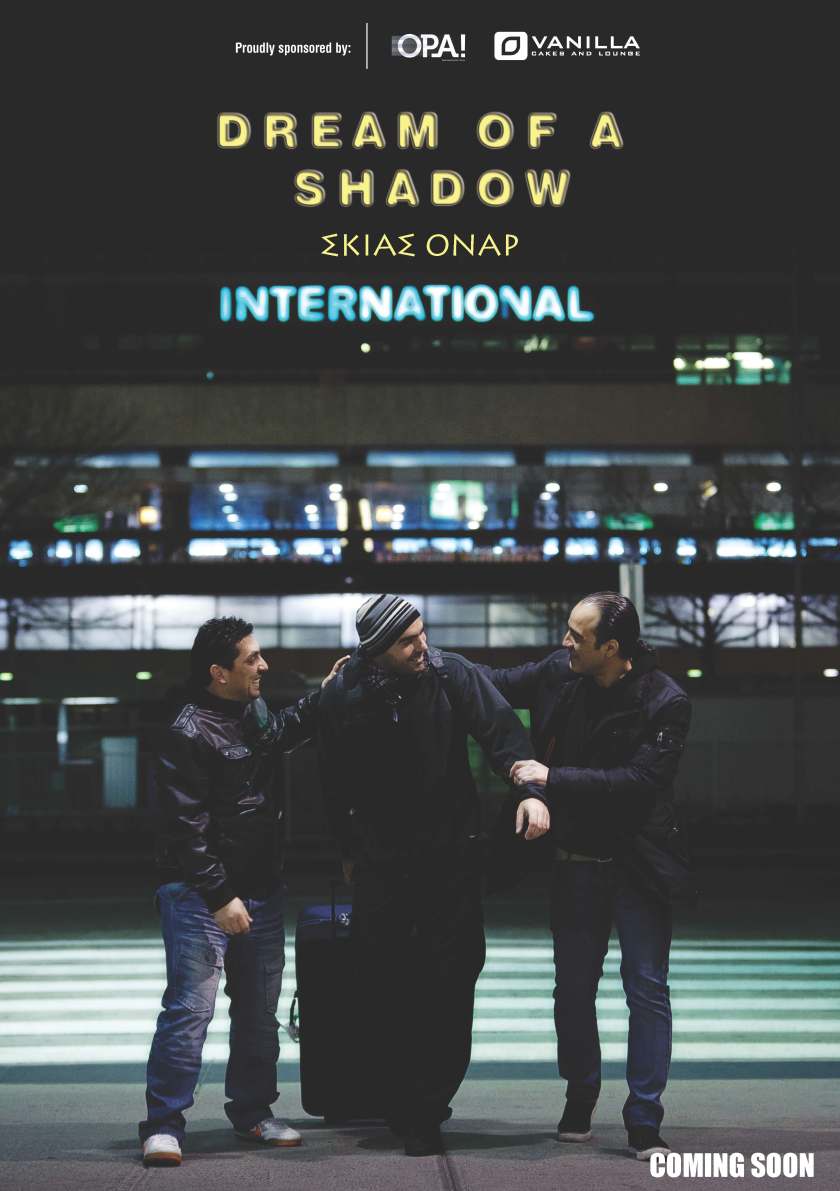
Greek-Australian production, DREAM OF A SHADOW of Greek migrants to Australia

DREAM OF A SHADOW – PRESS RELEASE
(GREEK COMMUNITY MEDIA)

We would like to announce the release of the new Greek-Australian production, DREAM OF A SHADOW, a drama series about the new wave of Greek migrants to Australia.

DREAM OF A SHADOW tells the story of the protagonist Spiros Cheliotis who has recently emigrated from Greece with a new dream. Co-starring are well known Greek actresses Joanna Pilihos, and Sunny Hatziaryiri, Nikitas Ballas, a member of our own Greek community as well as new immigrants Stratos Attalithis and Themis Tzanis.

The cast includes other members of our local Greek community such as Christina Kato, George Papadakis and Michael Manthalis. The cast also features popular models/actresses Hollie Nilsson, Tanya Jani, Rebecca Catalina and Monica Eklund as well as many young and upcoming actors from Greece and Australia.

The four member Production team comprises Director of Cinematography, Tasos Kontovasis, Artistic Director Christina Kato and of course Nikita Ballas and Spiros Cheliotis, the two writers and composers.

The main sponsor of the series, DREAM OF A SHADOW, is Melbourne’s well known cafe Vanilla Cakes & Lounge situated in Oakleigh, where filming will be undertaken. The official sponsor and coordinator of communication is none other than the nation’s most awarded and loved OPA! magazine.

The intent of the drama series is to highlight the difficulties (or challenges) confronting recent Greek immigrants in their new country.  It projects a positive image of Greeks widely as having a love for life, decency, humanity, creativity and invention, Thereby discarding the negative and insulting stereotypes of Greeks being cheats and lazy.

DREAM OF A SHADOW further explores the ideal that the Greek charm will win through irrespective of the adverse developments in Greece, and how at anytime, Greece may shine again and win the sympathy of foreigners.

The Greek people have many talents, first and foremost, imagination.

The challenge is therefore to create a new foundation from which they can express themselves and that this can only be achieved with a new vision.  By building new dreams, the Greek people can triumph again if they can succeed in maintaining a healthy balance between reality and fantasy.

The script focuses on the history of Spiro (Spiros Cheliotis), a new Greek immigrant who manages to become famous; mesmerizing Australian society with effortless charisma, whilst struggling to not be damaged and altered by the ephemeral glory that suddenly seduces him.

The title of the series, DREAM OF A SHADOW refers symbolically to the very human condition, that of our indecisiveness between reality and fantasy.

Filming commenced in Athens on 14 September 2012 with great success by Tassos Kontovasi and Christina Cato. The production of the series has now been taken over by the famous Greek director Marina Leontaris in Melbourne, and is scheduled to commence shooting in late October.

For more information contact the communications coordinator at OPA!  Keep informed of any changes in the production schedule at facebook.com /DreamOfAShadow where photographs from the shooting will also appear.

For interview opportunites with talent, writers & producers and more info/images contact:

Steve Agi – MEDIA PARTNER

m: +61 432210963

e: editor@opamagazine.com.au


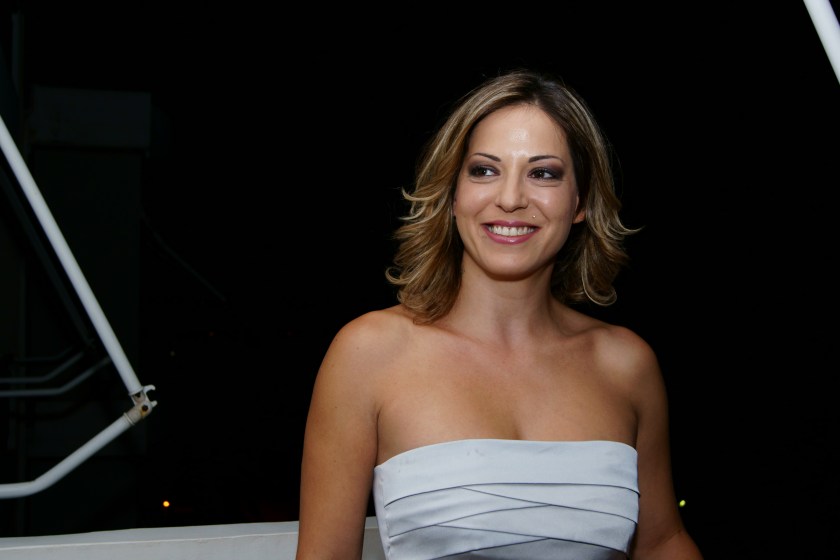
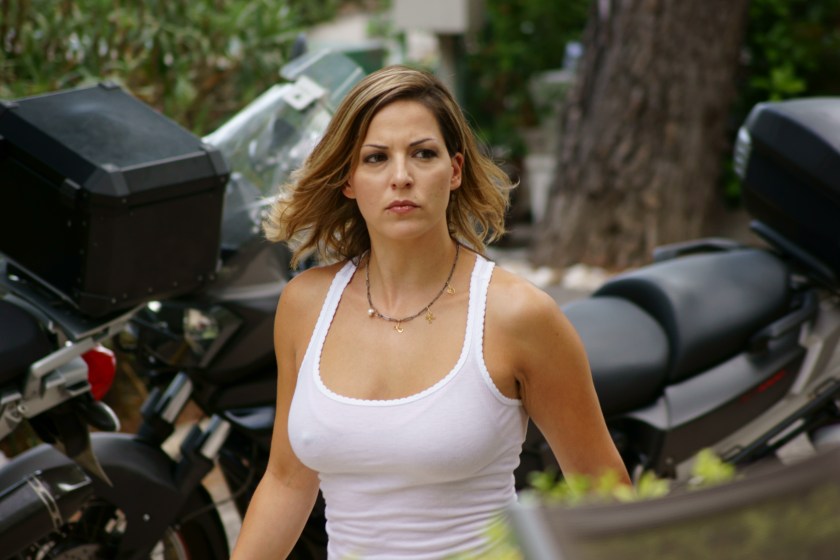
Αγνώριστη η Τάμτα! (φωτό)

Αγνώριστη η Τάμτα! (φωτό)

Η Τάμτα είναι μία τραγουδίστρια που της αρέσει να αλλάζει συνεχώς look!

Η τραγουδίστρια, η οποία θα εμφανίζεται με τον Νίκο Βέρτη, φωτογραφήθηκε για την αφίσα του σχήματος και σε μια από τις πόζες της είναι σχεδόν αγνώριστη.

Η Άννα Βίσση στους «Δαίμονες» τότε και τώρα!

Η Άννα Βίσση στους «Δαίμονες» τότε και τώρα!

Η Άννα Βίσση στο ρόλο της «Ροζάνας» επιστρέφει με την περίφημη ροκ όπερα, «Δαίμονες»!

Η όπερα παρουσιάστηκε πρώτη φορά το 1991, δηλαδή πριν από 22 χρόνια και επιστρέφει ξανά με την Άννα Βίσση φυσικά πρωταγωνίστρια!

Πάντως στην φωτογράφηση που έκανε η τραγουδίστρια είναι πιο λαμπερή από τότε, από το 1991, δεν συμφωνείτε;

Ελευθερία Ελευθερίου: Έχασε το πορτοφόλι της!

Ελευθερία Ελευθερίου: Έχασε το πορτοφόλι της!

Η Ελευθερία Ελευθερίου είναι στεναχωρημένη, αφού δεν πρόλαβε καλά καλά να φτάσει στην Θεσσαλονίκη και ξέχασε σ’ ένα ταξί ένα πορτοφόλι, που είχε αγοράσει ως δώρο σ’ ένα πρόσωπο της οικογένειας της.

Η τραγουδίστρια έκανε το γεγονός γνωστό μέσω του Twitter της.

Μάλιστα, μίλησε στην “Μεσημεριανή Μελέτη” και τόνισε πως δεν ήταν η χρηματική αξία του πορτοφολιού, αλλά η συναισθηματική του.

Χρηστίδου-Μαραντίνης: Απέκτησαν ανιψάκι

Χρηστίδου-Μαραντίνης: Απέκτησαν ανιψάκι

Χαρά και ευτυχία για την Σίσσυ Χρηστίδου και τον Θοδωρή Μαραντίνη.

Ένα νέο μέλος προστέθηκε στην οικογένειά τους. Ο αδερφός της Σίσσυς, ο Γιάννης έγινε πατέρας.

Η σύζυγός του έφερε στον κόσμο ένα υγιέστατο κοριτσάκι και όλη η οικογένεια πλέει σε πελάγη ευτυχίας.

Περήφανη θεία δήλωσε η Σίσσυ Χρηστίδου και είναι ξετρελαμένη με την μικρούλα.

Η Σίσσυ και ο Θοδωρής ταξίδεψαν ως την Θεσσαλονίκη και έμειναν εκεί για τέσσερις ημέρες.

50th anniversary of the death of Greek medical pioneer Georgios Papanikolaou of cervical cancer prevention

20120928-113247.jpg

The grandfather of cervical cancer prevention

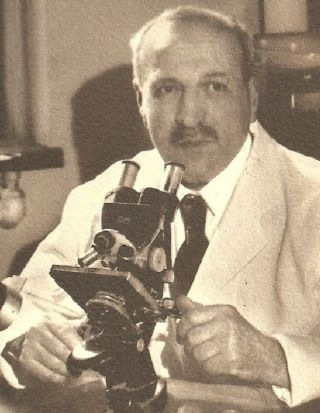
This year marks the 50th anniversary of the death of Greek medical pioneer Georgios Papanikolaou – the inventor of the Pap smear.

Every year, an immeasurable amount of women around the world engage in one of the most effective weapons they have for the fight against cervical cancer.

That weapon is a Pap smear examination – a screening that detects cervical cancer in its most early stages. Since World War II, the Pap smear examination has become the most widely used cancer screening method in the world and the test that itself can also detect pre-cancerous cells in the cervix making it an invaluable tool for cervical cancer prevention.

Thousands of women around the world owe their life to the man who invented the Pap smear – Greek pioneer Georgios Papanikolaou.

The Pap smear was named after its inventor Georgios Nicholas Papanikolaou. Born in Kymi, Greece on May 13, 1883, George Papanikolaou had three siblings.

His father, Nicholas, was a doctor.

His mother, Maria, loved music and literature. As a young man, Dr Papanikolaou went to the University of Athens in 1898 and majored in Music and Humanities.

He then followed in his father’s footsteps and attended medical school. After graduating with a perfect “A” average in 1904, Dr. Papanikolaou began his medical career in the Greek military as Assistant Surgeon.

Dr. Papanikolaou left the military in 1906 and, after a brief stint caring for patients at a leper colony in Greece, he began postgraduate study at the Zoological Institute in Munich, where he received a Ph.D. In 1914, Dr. Papanikolaou secured a position in the Anatomy Department at the Cornell University Medical School in New York. In 1920, he began his study of vaginal cytology (the study of the microscopic appearance of cells).

Over time, Dr. Papanikolaou became very familiar with the normal cytological changes that occur in cervical cells. This familiarity allowed him to make what he called one of the most thrilling experiences of his scientific career; his first discovery of cancer cells in a smear from of the uterine cervix.

Dr Papanikolaou knew malignant cancer cells could be viewed under a microscope after reading a book by Walter Hayle Walshe in 1843 regarding lung diseases.

Papanikolaou began testing the vaginal fluid of guinea pigs before he tested human women.

In 1923, he explained to an audience of physicians that smearing the vaginal fluid on a glass slide would enable the cells from the female reproductive system to be analysed.

When he began testing actual women, by chance one of the women tested positive for cervical cancer. Discovering the cervical cancer cells with the use of his procedure was a thrill for Papanikolaou and it turned out to be a medical breakthrough.

In 1928, Dr. Papanikolaou first presented his findings that uterine cancer could be diagnosed by means of vaginal smear in the paper, New Cancer Diagnosis.

Over a decade passed before the collaboration between Dr Herbert Traut, a gynaecologist and pathologist, and Dr Papanikolaou that would validate and scientifically prove the potential of the vaginal smear for the diagnosis of Cervical Cancer.

Their collaboration involved the taking regular vaginal smears of all women patients at Cornell’s Hospital. The study provided the basis of the book, Diagnosis of Uterine Cancer by the Vaginal Smear.

In 1943, when Diagnosis of Uterine Cancer by the Vaginal Smear was published, Dr. Papanikolaou’s work quickly became widely known and accepted.

The book describes the process of preparing a cervical smear and the cytologic changes that are seen as cervical cells change from normal, to pre-cancerous, to cancer.

Papanikolaou died in 1962 just before the opening of the Papanikolaou Cancer Research Institute at Miami University. He was awarded the Albert Lasker Award for Clinical Medical Research in 1950. 2012 marks the 50th anniversary of the death of this influential cytologist.

On the 130th anniversary of the birth and 50 years since the death of the outstanding Greek scientist George Papanikolaou, the Odessa branch of the Hellenic Foundation for Culture is holding a series of activities and events, in collaboration with the municipality of Odessa, the city’s Department of Health, and the Odessa National Medical University.

The events include a flatbed photo exhibition, titled The Great Giver of Life – George Papanikolaou (1883-1962), featuring photographs, letters and other memorabilia from the life and work of the scientist who changed women’s lives, along with the screening of a 2008 documentary, lectures, master classes and roundtable discussions.

Today, Pap smears are considered one of the most successful and effective forms of cancer screening.

The Pap smear is used to check changes in the cervix – the neck of the womb – at the top of the vagina. It is a screening tool to find early warning signs that cancer might develop in the future.

The Pap smear is a simple procedure. Cells are collected from the cervix and placed (smeared) onto a slide.

The slide is sent to a laboratory where the cells are tested for anything unusual. If abnormal changes are found at screening, further tests will be done to see if treatment is needed.

The Pap smear is not for diagnosing cancer, but rather, for finding early changes which might become cancer.

All women with a cervix who have ever had sex at some time in their life are at risk of cervical cancer.

About half the new cases of cervical cancer diagnosed each year are in women over 50 years of age. More women over 50 years of age die from cervical cancer because their cancer is diagnosed later when treatment is more difficult.

Regular Pap smears every two years can help prevent up to 90 per cent of the most common type of cervical cancer.