Παγκόσμια Ημέρα Χορού στο Μέγαρο Χορού Καλαμάτας 2017

Η Παγκόσμια Ημέρα Χορού καθιερώθηκε το 1982 από το Διεθνές Συμβούλιο Χορού της UNESCO. 

Εορτάζεται κάθε χρόνο στις 29 Απριλίου, ημερομηνία γέννησης το 1727 του Γάλλου χορευτή και χορογράφου Ζαν-Ζορζ Νοβέρ (1727-1810), δημιουργού του σύγχρονου μπαλέτου.

Η πόλη της Ιταλίας που χτίστηκε από Κρητικούς και μιλάνε ελληνικά 

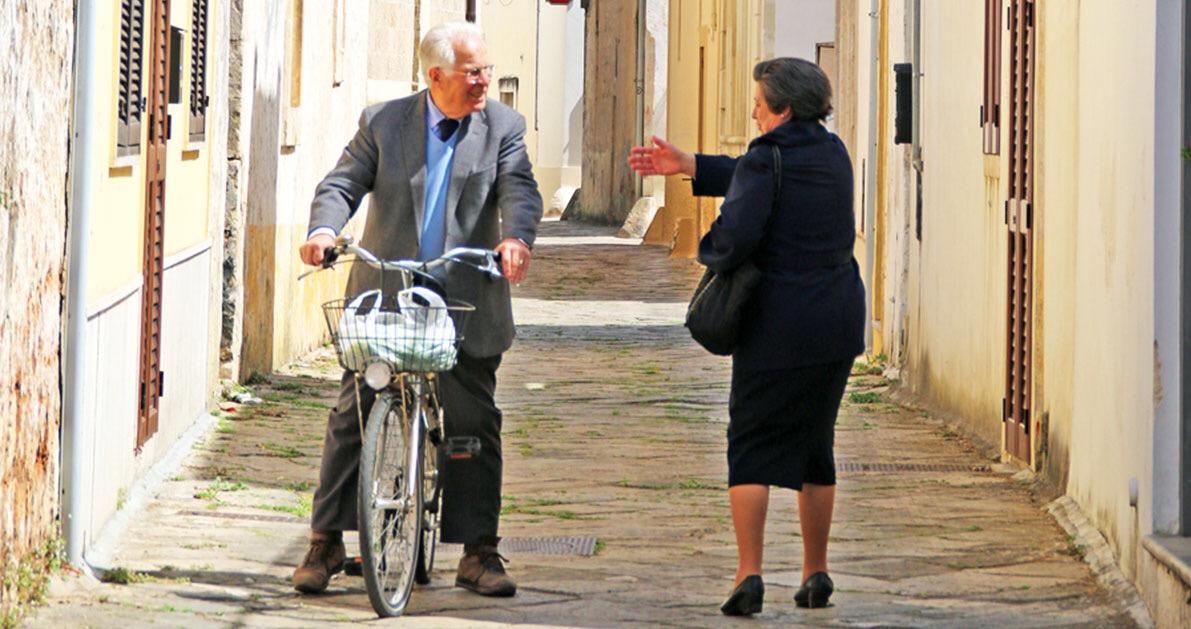
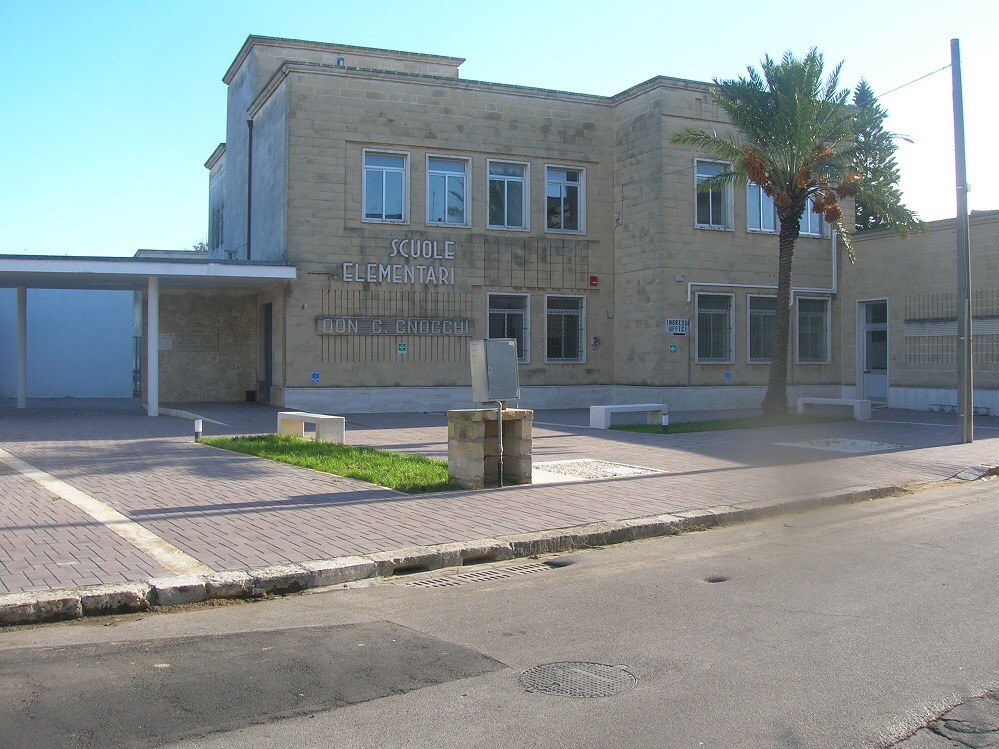
Απίθανοι άνθρωποι σε στιγμές που αξίζουν χειροκρότημα 11 σωστές απαντήσεις σε ερωτήσεις παιδιών που πάντα φέρνουν τους γονείς σε αμηχανία H κωμόπολη-οικισμός Castrignano dei Greci, βρίσκεται νότια από την πόλη Λέτσε, είναι μία μικρή πόλη της οποίας οι κάτοικοι μιλούν μια ελληνική διάλεκτο και η οποία χτίστηκε από Κρήτες της μινωικής εποχής. 

Από τον 8ο αιώνα π.Χ., η Σικελία και η Κάτω Ιταλία αποτέλεσαν το πεδίο μιας εκπληκτικής αποικιακής δραστηριότητας του αρχαίου Ελληνισμού, του οποίου τα σημάδια και οι μαρτυρίες παραμένουν ακόμα ζωντανά. Είναι μία μικρή πόλη της οποίας οι κάτοικοι μιλούν μια ελληνική διάλεκτο και η οποία χτίστηκε από Κρήτες της μινωικής εποχής. 

Από τον 8ο αιώνα π.Χ., η Σικελία και η Κάτω Ιταλία αποτέλεσαν το πεδίο μιας εκπληκτικής αποικιακής δραστηριότητας του αρχαίου Ελληνισμού

Οι περίφημοι Γκρεκάνοι κατοικούν στις εννιά κωμοπόλεις και οικισμούς – ζωντανά ιστορικά μνημεία που απλώνονται νοτίως της πόλης Λέτσε, σε μια περιοχή γνωστή ως Grecia Salentina (Γκρετσία Σαλεντίνα).

Είναι τα Calimera, Castrignano dei Greci, Corigliano d’Otranto, Martano, Martignano, Soleto, Sternatia, Zollino και Melpignano. 

Αυτό που τους κάνει να ξεχωρίζουν από τους υπόλοιπους συμπατριώτες τους είναι τα ήθη, τα έθιμα, τα μουσικά ακούσματα και κυρίως η γλώσσα τους -η γρεκάνικη διάλεκτος- με τους αρχαϊσμούς, την πλούσια συντακτική πλοκή και τις όμορφες εκφράσεις της. 

Είναι μια μοναδική στον κόσμο διάλεκτος που αναδίδει έντονα άρωμα και πολιτισμό αρχαίο ελληνικό. Οι περίφημοι Γκρεκάνοι κατοικούν στις εννιά κωμοπόλεις και οικισμούς – ζωντανά ιστορικά μνημεία που απλώνονται νοτίως της πόλης Λέτσε.

Αυτό που τους κάνει να ξεχωρίζουν από τους υπόλοιπους συμπατριώτες τους είναι τα ήθη, τα έθιμα, τα μουσικά ακούσματα και κυρίως η γλώσσα τους -η γρεκάνικη διάλεκτος. 

Πολλοί διακεκριμένοι Ιταλοί και Έλληνες επιστήμονες ασχολήθηκαν μ’ αυτό το ιδιαίτερο γλωσσικό θέμα καταλήγοντας ωστόσο σε διάφορες απόψεις. 

Κάποιοι ισχυρίζονται ότι οι σημερινοί κάτοικοι των ελληνόφωνων χωριών της Απουλίας είναι κατευθείαν απόγονοι των αρχαίων Ελλήνων, κάποιοι άλλοι ότι κατάγονται από τους Βυζαντινούς και συνεπώς η ελληνόφωνη διάλεκτος μεταφέρθηκε στην Απουλία μέσα από τις μεταναστευτικές κινήσεις ελληνικών πληθυσμών (κυρίως της Πελοποννήσου) που έλαβαν χώρα από τον 6ο έως τον 12ο αιώνα μ.Χ. Πολλοί διακεκριμένοι Ιταλοί και Έλληνες επιστήμονες ασχολήθηκαν μ’ αυτό το ιδιαίτερο γλωσσικό θέμα καταλήγοντας ωστόσο σε διάφορες απόψεις. 

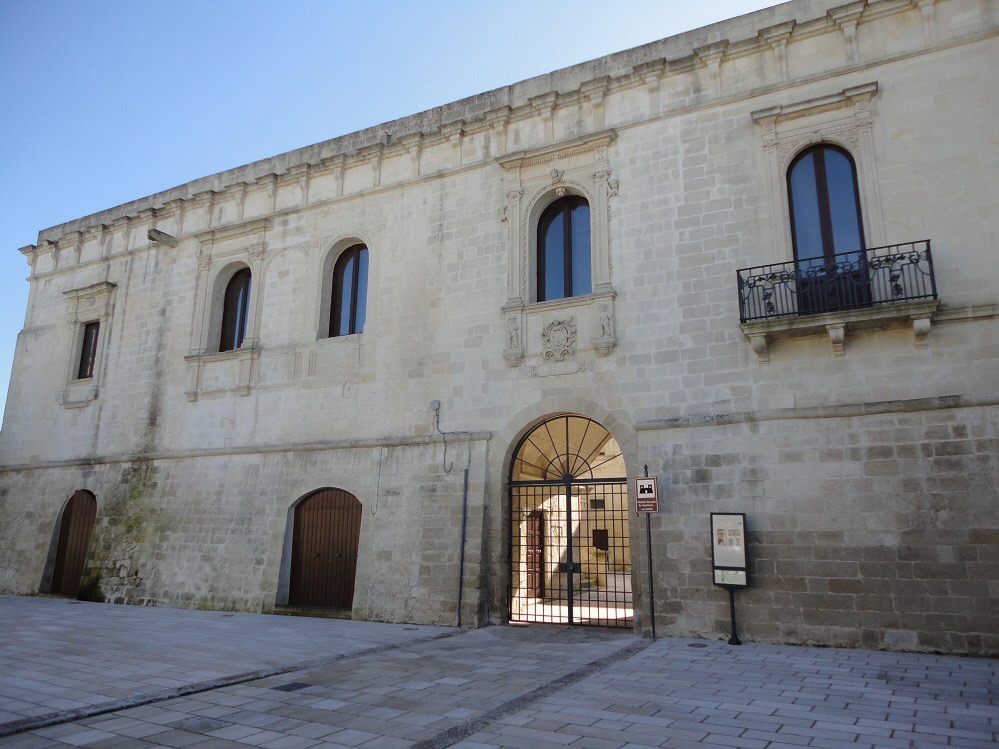
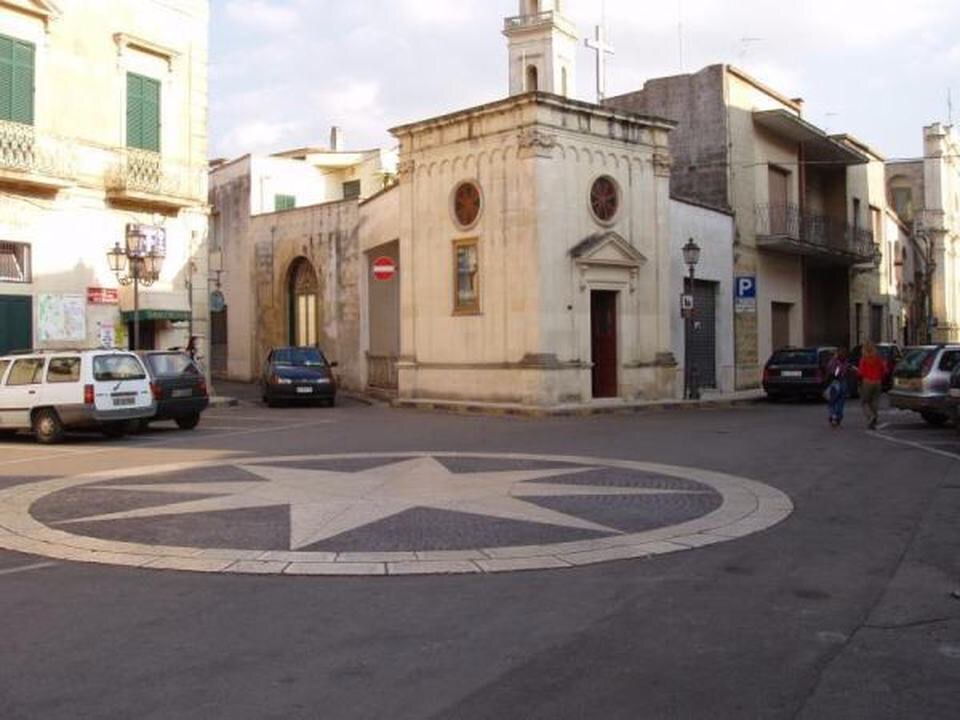
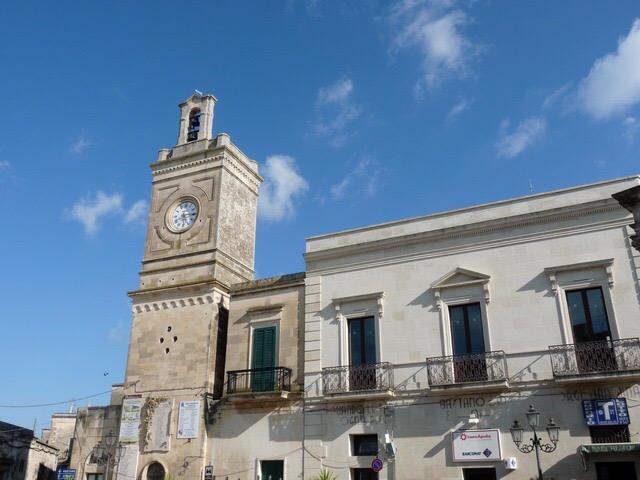
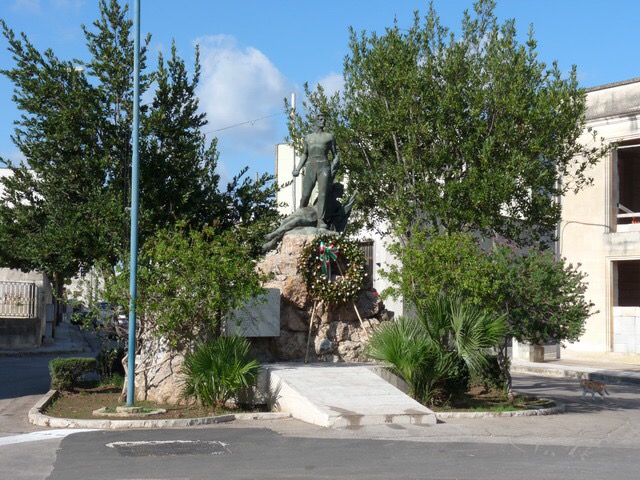
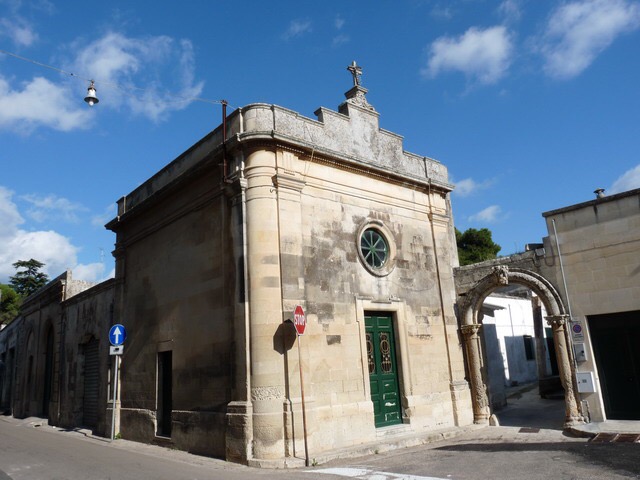
Castrignano dei Greci: Από την Κάντια στο Βυζάντιο Το Καστράκι των Ελλήνων. Αυτό σημαίνει η επίσημη ονομασία του Castrignano dei Greci, μόλις 4 χλμ. μακριά από το Μartano. 

Η αναστυλωμένη κρύπτη του Αγίου Ονούφριου στο κέντρο της πόλης, που φέρει ίχνη από αγιογραφίες και διαθέτει μια ελληνική επιγραφή με τη χρονολογική ένδειξη 1237, είναι το σημαντικότερο αξιοθέατο. 

Σύμφωνα με την τοπική παράδοση ο οικισμός κτίστηκε από Κρήτες της μινωικής εποχής: το όνομα Καντιώτης (Κάντια / Κρήτη) είναι αρκετά συνηθισμένο μεταξύ των 4.000 κατοίκων του, στοιχείο που φανερώνει έμμεσα την καταγωγή τους. 

Το Καστράκι των Ελλήνων. Αυτό σημαίνει η επίσημη ονομασία του Castrignano dei Greci, μόλις 4 χλμ. μακριά από το Μartano.

Σύμφωνα με την τοπική παράδοση ο οικισμός κτίστηκε από Κρήτες της μινωικής εποχής: το όνομα Καντιώτης (Κάντια / Κρήτη) είναι αρκετά συνηθισμένο μεταξύ των 4.000 κατοίκων του, στοιχείο που φανερώνει έμμεσα την καταγωγή τους. Εξέχουσα προσωπικότητα του Castrignano dei Greci υπήρξε ο Ιταλός φιλόλογος Angelo Cotardo. 

Με όραμα και σθένος, πρωτοστάτησε σε μια εκστρατεία υπέρ της διάσωσης της ελληνικής διαλέκτου, την οποία δίδασκε ο ίδιος στα σχολεία της κωμόπολης. 

Χάρη στις επίμονες προσπάθειές του, κατάφερε τελικά να πάρει ειδική άδεια από την ιταλική κυβέρνηση προκειμένου να διδάσκει τη γρεκάνικη διάλεκτο και στα άλλα χωριά της περιοχής. 

Αυτό είχε ως αποτέλεσμα η ελληνική γλώσσα να παραμείνει ζωντανή στα όρια της Grecia Salentina, ενώ από το 1977 ξεκίνησε να λειτουργεί εδώ το Κέντρο Κοινωνικών Σπουδών, όπου φοιτούν όσοι επιθυμούν να διδαχτούν τη γλώσσα και να γνωρίσουν τον ελληνικό πολιτισμό. 

Πληροφορίες: castrignanodeigreci.it 

Με πληροφορίες από thetravelbook 

Επιμέλεια: zarpa

Milos island prepares a home for much-desired return of Aphrodite

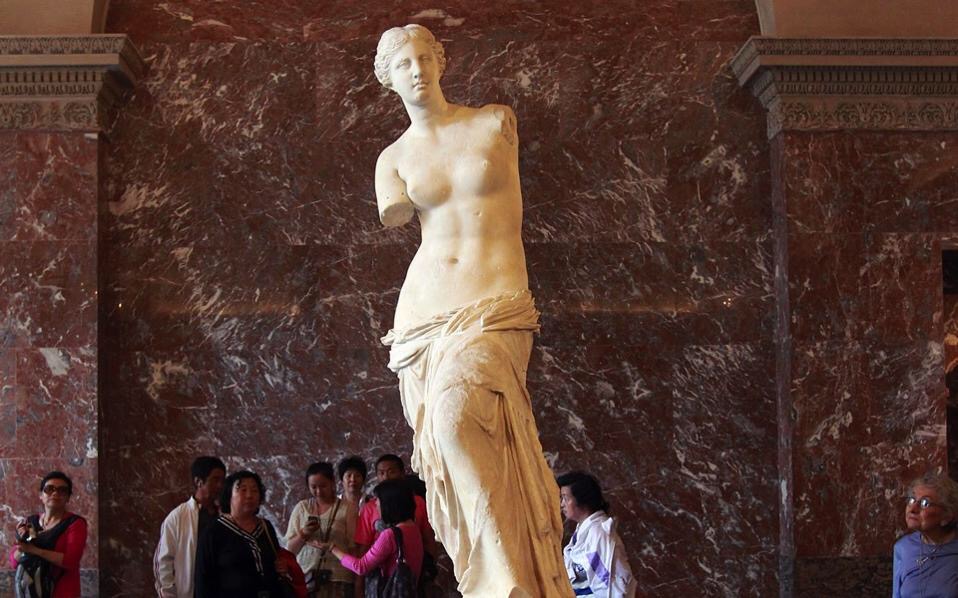
A little over two years ago, the mayor of the island of Milos, Gerasimos Damoulakis, visited the Louvre Museum in Paris to see the Venus de Milo – the Aphrodite of Milos – up close. But upon entering, rather than asking for a ticket, he said: “I am the mayor of Milos. I do not accept that I should have to pay for a ticket as I came to see one and only one exhibit, the Aphrodite of Milos, which belongs to my island.”

After they’d received this sudden request, the museum’s operators held an impromptu meeting and decided to agree and invite the mayor and his entourage to enter for free. The doors of the museum opened and the Greek mission headed to the big hall which houses the famous statue. They sat for a while to look at it in awe and then left with the promise that one day they would not have to undertake such a long journey to admire it.

Gathering signatures

Two-and-a-half years later, the Milos mayor’s efforts to have the marble sculpture returned to the island have intensified. “The issue has tortured me for 15 years [a photograph of the statue can be seen on the municipality’s website], but now the time is ripe. We have now a documented legal position that states when the statue was taken from the island there was no business transaction, but there was an act of war.

“The statue was taken by a French naval officer and loaded onto a French warship. At that time, we were in a period of war,” says Damoulakis. He has already set up a bidding committee, which has taken care of the request to collect a million signatures so that the matter can be taken up in the European Parliament. “Some on Milos thought I was joking, but I always meant what I said. Work has already begun on the restoration of an old girls’ school in Plaka, the capital of the island, where the Aphrodite’s permanent home will be.”

The sculpture, which symbolizes female beauty and femininity, is carved out of Parian marble. It is 2.02 meters tall and weighs 900 kilos. It dates back to around 100 BC. It was unearthed by a farmer named Giorgos Kentrotas in 1820. The Aphrodite was in two pieces and her hands were missing. According to one interpretation, a French officer, Olivier Voutier, who was wintering in the port with the warship Estafette, realized the value of the statue.

He informed the French consul in Milos, who returned to buy it. News of this, however, got out and other potential buyers rushed to the island. The French appeared to bargain better with the Ottomans, and they ended up leaving with the valuable “commodity.”

On March 1, 1821, the French ambassador Charles Francois de Riffardeau, Marquis de Reviere, gave the statue to King Louis XVIII as a gift to be displayed in the Louvre, where it remains to this day.

Greek Community of Melbourne student wins the Premier’s VCE AWARD for Modern Greek

PRESS RELEASE ​​                          

28/4/2017

GCM student wins the Premier’s VCE AWARD for Modern Greek

The “Premier’s VCE Award” for her outstanding performance at last year’s Modern Greek VCE exams was awarded to Theofano Tsentikopoulos, a student of the School of Language and Culture of the Greek Community of Melbourne (GCM).

The awards were presented by the State Minister for Education Mr James Merlino, on Thursday 27 April 2017, in a special event at the Palladium Crown, at Southbank.

Theofano and her parents were thrilled with the award. “My award by the Premier of Victoria for my performance at the Modern Greek VCE exams was a unique honour for me,” said Theophano. “By meeting today other students who excelled in more than one lesson, it made me decide to intensify my efforts this year to excell in other subjects too. My warmest congratulations to all the students who were awarded today. ”

Her parents, Nikos and Xenia Tsentikopoulos, expressed their joy for Theophano’s performance, and their gratitude to the staff and the management of the GCM schools: “It is a thrill for a parent to see their child be rewarded for their performance by the Goverment. The award ceremony highlights the efforts and struggles of the students, the teachers and the parents who support them and guide them on the road to excellence.

The parents congratulated the teaching and managing staff of the GCM schools for the high standard education they offer. “Also congratulations to all students who were awarded, and our wishes for every success in their lives,” they said.

Both parents they also said: “We would like to thank the GCM and especially the school principal Mr. Manos Tzimpragos, who organizes every year the Greek Student Film aiming not only to cultivate the Greek language of the students but also their imagination, team spirit and versatile talents.

“Also, wee cannot find the words to thank the school coordinator Mrs. Maria Bakalidou, the teacher Irene Kontoudaki and all the teaching staff for their solid support and constant encouragement. We wish them to continue to motivate the students to excel, but also to express themselves and their thoughts creatively and to share their feelings.»

It must be noted that Theophano’s outstanding performance is not limited to Modern Greek. Recently, she won an award for “original musical composition” at the 7th International Short Film Student Competition in Greece for the song “Αναμνήσεις παλιές”, which she initially composed for the Greek student short film “From the Morning to the Evening”.

GCM’s Greek school principal Mr Manos Tzimpragos expressed his satisfaction for Theofano’s achievements: “I feel very excited and proud of our student Theofano, who was awarded for her outstanding performance at the VCE 2016 Modern Greek language exam.

“Her excellent performance was the result of hard work and dedication to her goal. It is also a proof of the excellent work being done in our schools. We wish her a wholeheartedly good career!”


Information: +61 9662-2722 | 

email: info@greekcommunity.com.au

Level 3, 168 Lonsdale St., Melbourne, Vic. 3000

Phone: +61 3 9662 2722, 

Email: info@greekcommunity.com.au, 

Website: greekcommunity.com.au

—————————————

PRESS RELEASE ​​                          

28/4/2017

Βραβεία σε μαθήτρια των Σχολείων Γλώσσας και Πολιτισμού της Κοινότητας

To πρώτο βραβείο για την εξαιρετική επίδοσή της στο μάθημα των Νέων Ελληνικών στις εξετάσεις του VCE (Premier’s VCE Award) απονεμήθηκε στη μαθήτρια των Σχολείων Γλώσσας και Πολιτισμού της Ελληνικής Κοινότητας Μελβούρνης, Θεοφανώ Τσεντικοπούλου.

Τα βραβεία απονεμήθηκαν από τον υπουργό Παιδείας της Βικτώριας κ. Τζέημς Μερλίνο την Πέμπτη 27 Απριλίου 2017, σε ειδική εκδήλωση στο Palladium Crown, στο Southbank.

Τη χαρά και συγκίνησή τους για τη βράβευσή της εξέφρασαν τόσο η Θεοφανώ όσο και οι γονείς της. 

«Η βράβευσή μου από τον πρωθυπουργό της Βικτώρια για την βαθμολογία μου στα Ελληνικά στις εξετάσεις του VCE, ήταν μοναδική τιμή για εμένα,» δήλωσε η Θεοφανώ συγκινημένη. «Συναντώντας και μαθητές που διακρίθηκαν σε περισσότερα από ένα μαθήματα, θα συνεχίσω και θα εντείνω τις προσπάθειές μου φέτος, ώστε να έχω ένα καλό αποτέλεσμα και στα υπόλοιπα μαθήματα. Τα θερμά μου συγχαρητήρια σε όλους τους μαθητές που διακρίθηκαν».

Οι γονείς της, Νίκος και Ξένια Τσεντικοπούλου, δήλωσαν χαρούμενοι για τις επιδόσεις της Θεοφανώς, εκφράζοντας ταυτόχρονα τις ευχαριστίες τους στο προσωπικό και τη διεύθυνση των σχολείων της Κοινότητας: «Είναι ιδιαίτερη η συγκίνηση κάθε γονέα να βλέπει το παιδί του να βραβεύεται για τις επιδόσεις του από την επίσημη πολιτεία. Η τελετή βράβευσης των μαθητών που αρίστευσαν στις εξετάσεις του VCE από τον πρωθυπουργό της Βικτώρια, επισφραγίζει τις προσπάθειες και τον αγώνα των μαθητών, των εκπαιδευτικών και των γονέων που τους στηρίζουν και τους καθοδηγούν στον δρόμο του «αιέν αριστεύειν». Είναι αξιέπαινοι οι καθηγητές και οι διευθυντές των σχολείων της Ελληνικής Κοινότητας για την υψηλού επιπέδου «παιδεία» που προσφέρουν στους υποψηφίους. Αξίζουν θερμά συγχαρητήρια σε όλους τους μαθητές, καλή πρόοδο και κάθε επιτυχία στη ζωή τους.

»Ευχαριστούμε πολύ την Ελληνική Κοινότητα και ιδιαίτερα τον διευθυντή των ελληνικών σχολείων κ. Μάνο Τζιμπραγό που διοργανώνει με ιδιαίτερο μεράκι και καλλιτεχνική ευαισθησία κάθε χρόνο αυτόν τον πρωτότυπο διαγωνισμό, που στοχεύει όχι μόνο να καλλιεργήσει τον νεοελληνικό λόγο των μαθητών, αλλά και τη φαντασία, το ομαδικό πνεύμα και τα πολύπλευρα ταλέντα τους.

»Επίσης, δεν βρίσκουμε λόγια να ευχαριστήσουμε και τη συντονίστρια του σχολείου κυρία Μαρία Μπακαλίδου, την καθηγήτρια κυρία Ειρήνη Κοντουδάκη και όλους τους καθηγητές για την αμέριστη συμπαράσταση και τη διαρκή ενθάρρυνσή τους. Ευχόμαστε καλή δύναμη σε όλους, να συνεχίσουν να δίνουν κίνητρα στους μαθητές, ώστε να στοχεύουν ψηλά, αλλά και να εκφράζονται δημιουργικά, να εξωτερικεύουν σκέψεις και να μοιράζονται συναισθήματα. »


Και βραβείο μουσικής σύνθεσης

Οι εξαιρετικές επιδόσεις της Θεοφανώς δεν σταματούν μόνο στα Ελληνικά, καθώς πρόσφατα κέρδισε βραβείο πρωτότυπης μουσικής σύνθεσης στον 7ο Διεθνή Διαγωνισμό Μαθητικών Ταινιών Μικρού Μήκους στην Ελλάδα, για το τραγούδι «Αναμνήσεις παλιές» που συνέθεσε για τη μαθητική ταινία με θέμα «Από το πρωϊ ως το βράδυ», που συμμετείχε στο Ελληνικό Μαθητικό Φεστιβάλ Κινηματογράφου Μελβούρνης.

«Το τραγούδι «Αναμνήσεις παλιές» το συνέθεσα όταν πρωτοήρθα για μόνιμη εγκατάσταση στην Αυστραλία,» λέει. «Ακούγοντας την καθηγήτριά μας Ειρήνη Κοντουδάκη να μας ενημερώνει για τον διαγωνισμό του Φεστιβάλ Μαθητικής Ταινίας, σκεφτήκαμε με τους συμμαθητές μου και επιλέξαμε ένα θέμα που αντανακλά τις πρόσφατες κοινές εμπειρίες της μετακίνησής μας στην νέα μας πατρίδα. Έτσι, πρότεινα στους συμμαθητές μου το τραγούδι μου και χάρηκα που έγινε αποδεκτό από όλους. Στη συνέχεια, δουλέψαμε ομαδικά για το σενάριο και για τα γυρίσματα χρειάστηκε να ταξιδέψουμε μέχρι το αεροδρόμιο! Περιττό να πω ότι η χαρά όλων μας για την πρώτη θέση της ταινίας μας στον διαγωνισμό της Ελληνικής Κοινότητας ήταν απερίγραπτη. Κατά δεύτερο λόγο, η επικείμενη βράβευση του τραγουδιού στην Ελλάδα, στην κατηγορία της πρωτότυπης μουσικής σύνθεσης, μας συγκίνησε για άλλη μια φορά. Για μια ακόμα φορά, ευχαριστούμε πολύ όλους τους καθηγητές μας από τα σχολεία της Ελληνικής Κοινότητας και τους διευθυντές που μας ενθάρρυναν να πάρουμε μέρος.»

Την ικανοποίησή του για τη βράβευση της Θεοφανώς εξέφρασε και ο διευθυντής των Σχολείων της Κοινότητας κ. Τζιμπραγός: «Νιώθω ιδιαίτερα συγκινημένος και υπερήφανος για τη μαθήτριά μας Θεoφανώ Τσεντικοπούλου η οποία βραβεύτηκε για την εξαιρετική της επίδοση στο μάθημα των Νέων Ελληνικών στις εξετάσεις VCE 2016,” δήλωσε ο διευθυντής των σχολείων της Κοινότητας κ. Μάνος Τζιμπραγός.

«Η διάκριση της μαθήτριας ήταν αποτέλεσμα της σκληρής δουλειάς και της αφοσίωσής της στον στόχο της. Αποτελεί επίσης απόδειξη του εξαιρετικού έργου που συντελείται στα σχολεία μας. Της ευχόμαστε ολόψυχα καλή σταδιοδρομία!»


Πληροφορίες: +61 9662-2722 | 

Εμέιλ: info@greekcommunity.com.au

Level 3, 168 Lonsdale St., Melbourne, Vic. 3000

Phone: +61 3 9662 2722, 

Email: info@greekcommunity.com.au,

Website: greekcommunity.com.au

Hidden amongst the finest golf courses of Sydney’s Eastern Suburbs is the Coast Cemetery

Coast Cemetery

Hidden among popular Sydney golf courses is a little remembered graveyard populated by smallpox victims.

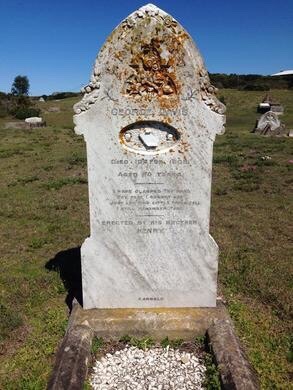
Hidden amongst the finest golf courses of Sydney’s Eastern Suburbs is the Coast Cemetery, an aging graveyard that remembers a time when the whole area existed solely to house smallpox victims.

In 1881, Sydney fell victim to an outbreak of smallpox, a highly infectious disease for which began tearing through the local population. Thus a makeshift city was built near the coast, removed from the Sydney city center to prevent its spread by quarantining any sufferers far away from the general population. As the outbreaks continued, the permanent Coast Hospital was built, including its own cemetery where any patients that died of the disease were required to be buried. 

The hospital and cemetery continued to be used into the 1900s with outbreaks of the bubonic plague, typhoid fever, and leprosy infecting the city. In 1934, the hospital was renamed the Prince Henry Hospital and in 1946, the majority of deadly outbreaks staunched, it became a teaching hospital. 

The cemetery is quite unique as the people who were buried there, some 2,000 patients and nurses of the hospital, having been relocated to the isolated hospital, are not necessarily from the area.

The site today is often overlooked in favour of the nearby suburb, the historically significant La Perouse. But this site offers something different, a snapshot of a very real, very frightening part of Sydney’s history reflected in the quiet, and often haunting, graveyard.
Know Before You Go

Follow Cape Banks Road until you reach a small trail named “Cemetery Trail.” There is just enough space to leave your car at the start of the trail and then you must walk the rest of the way.

Greek god discovery, Black Sea–Aleteia

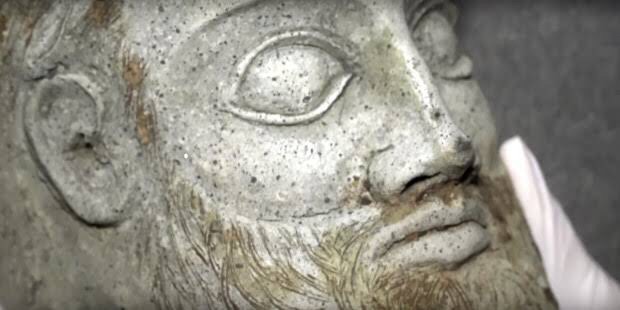
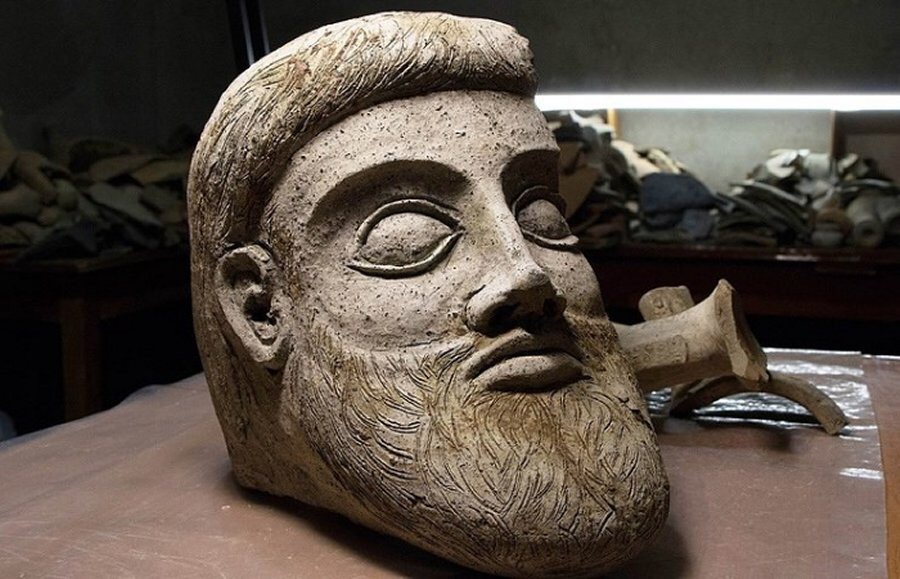
Russian builders discover an unusual terracotta head off the Crimean Peninsula.

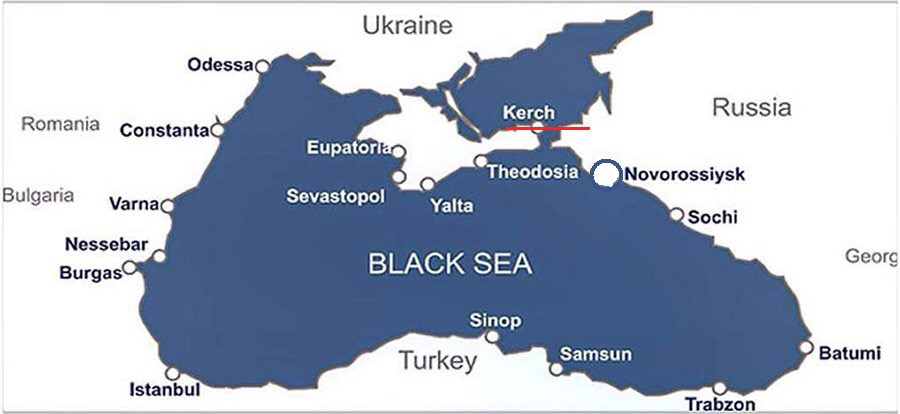
In Kerch Bay, in the strait that occupies the east coast of the Crimean peninsula, where the Black Sea meets the Sea of Azov, a group of Russian builders are working on a bridge that will eventually join the two coasts. 

But as the workers were moving land on the seabed in order to place the bridge’s foundations, they came across an exceptional find: the head of a 2,500-year-old terracotta statue of a Greek god.

Sergei Olkhovskiy, head of the underwater archaeology unit of the Russian Academy of Sciences wrote on the website of the Crimean Bridge Information Center that “This finding is unique on the northern coast of the Black Sea (…) we believe this head was made in Asia Minor around the 5th century BC,” according to the note published by David Ruiz Marull in the Spanish journal El País.

The archaeological study of the newly discovered “pottery field” began about two years ago, when the bridge was being designed. Since then, underwater excavations have collected more than 60,000 pieces (most of them fragments of ceramic vessels made in the Mediterranean and Asia Minor between the 5th and 3rd centuries BC).

Human Skull Found in Greece Challenges the Out of Africa Theory of Evolution

There are many discoveries that challenge the well-established scientific beliefs of evolution, but most of them are being denied or covered-up by the elites who have a certain interest in keeping history as it is.

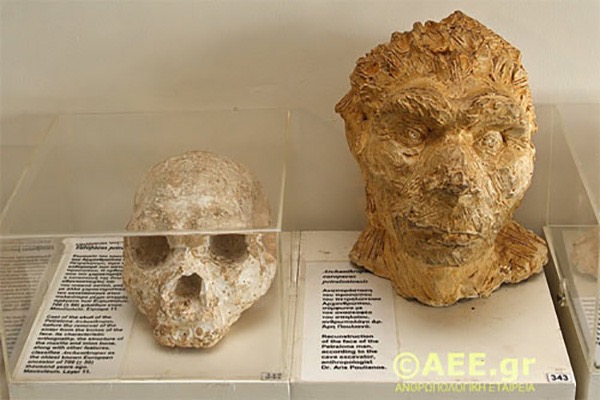
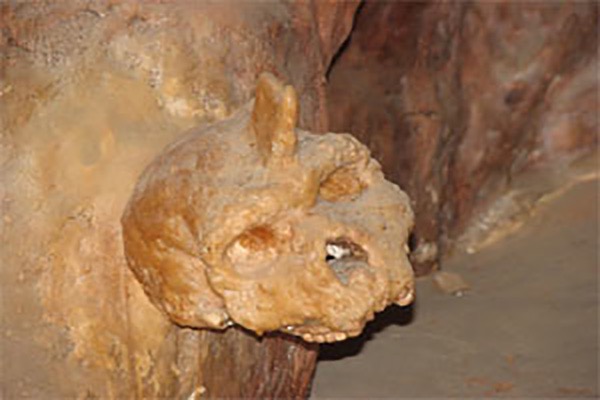
In 1959, a narrow cave was found in Northern Greece by a shepherd boy. When venturing inside with a couple of local villagers, they’ve discovered the cave was rich in minerals and after further digging inside out of curiosity, the locals found an out of place relic – a human skull embedded in a cave-wall. Later excavations unearthed many fossil remains of pre-humans, animals, and tools made of bone and stone.

The skull was extracted from the Petralona cave where it had been discovered and was furtherly sent to the University Thessaloniki in Greece for a more detailed research. Archaeologists agreed that after a complete study had been conducted, the skull will be sent to the local museum where its history would be known to others.

However, this never happened since the analysis of the skull revealed it had been trapped inside that cave for approximately 700,000 years, making it the oldest human eropeoid of the age ever discovered in Europe. Dr. Paulianos who researched the skull revealed that ‘The Petralona Man’ evolved independently in Europe and he was not a descendent of any of the species that came out of Africa.

In other words, the skull held clear evidence of a different evolutionary path followed by humans in Europe that directly contradicted with the ‘Out of Africa’ theory, a doctrine accepted by modern science.

In 1964, a group of German researchers tried to debunk the findings of Dr. Paulianos by claiming that the skull was nearly 50,000 years old and that it was in fact from a species of humans originating from Africa. However, analysis conducted in 1971 by a team of US researchers showed once again that the Petralona skull was indeed 700,000 years old. They managed to establish the date based on the examination of the caves sediments and stratigraphy.

Scientists from twelve countries ran different tests on the skull. All of them received similar results that credit the work of Dr. Paulino as being correct. Research continued until 1983 when Greece was taken over by a dictatorship which ordered for all remains found in the cave to be deprived of public access, including foreign researchers. That’s when the challenging discovery remained on hold for more than 15 years, and the Greek government offered no viable argument for their decision.

The issue was later taken to court by the Anthropological Society of Greece and scientists were once again given free access to the cave. This was a minor victory whatsoever, since the Ministry of Culture has allegedly tried to get the courts to rule in their favor and once again restrict the access to the site. I know it comes hard to believe from a democratic point of view, but no conclusive argument was given by the Greek government as to why they wanted the cave secured.

Researchers today have determined the skull is that of Homo Erectus, an ancient hominid, but it also has characteristics of Neanderthals and strong European traits as well. According to the latest tests, the skull appears to be either Homo Sapiens or part Homo Sapiens, thus putting the skull in direct conflict with the ‘out of Africa’ theory.

Dr. Poulianos’ findings reject the ‘out of Africa’ theory, reason for why his research was deliberately suppressed in today’s academic circles. The doctor and his wife were also assaulted and injured in their home back in 2012. To dig deeper into the wound, the Greek government deprived him and his team of further access to the cave where he intended to finalize the research. To cover-up the story, a sign has been placed outside the cave stating that the skull discovered inside is 300,000 years old, and Wikipedia today has dated the skull even younger.

The reason why the government of Greece is harshly suppressing the finds of Dr. Paulianos may be obvious for some of you, but to highlight the main idea – if the research conducted so far is proven to be correct, it means that human beings didn’t just originated from Africa; they were found scattered throughout the entire globe, thus proving the entire theory of evolution served by modern science is all but untrue. It’s the same with the Native Americans, where the accepted theory of evolution asserts they came across the Alaskan land bridge into the Americas, while the aboriginals insist their ancestors where always present in the Americas.

Once again, we have further proof that modern history is teaching us some serious lies. It appears that information not fitting into the general accepted paradigm is either being covered-up or dismissed as fables. The skull from Greece proves the scientific path that’s now being followed is rotten and controlled. REAL science should follow the tracks and change the until-now-accepted beliefs where it is the case.

Professor C.G. Nicholas Mascie-Taylor of the University of Cambridge sent a letter to the Ministry of Culture in Greece stating that the correct date of the skull is 700,000 years old instead of 300,000. See the letter below.
The Greek Ministry of Education, Religions, Culture and Sports,

Bouboulinas 20-22,

Athens 106 82,

Greece

5 September 2012

Dear Sir,

I am writing on behalf of the European Anthropological Association, which is the umbrella professional and academic association linking all of the national European biological anthropology and human biology societies, to express our concerns about the conservation of the Petralona Cave and Skull, the misinformation of the dating of the skull, as well as the treatment of personnel associated with the conservation of the Cave.

The bases of our concerns are that the skull has been damaged through many scratches and the crown of a tooth (1st molar) cut off. As requested by Anthropological Association of Greece what is required is a detailed description of the present status of the skull, so that no one in future can arbitrarily damage it further. There is also the problem of dating which has been scientifically dated at about 700,000 years ago not 300,000 as is given at the information desk. There is a very detailed record of the excavations and findings which need to receive further public presentation but which have never been catalogued so as to prevent specimens going missing.

It is very unfortunate that the Greek Archaeological Department stopped Dr Aris Poulianos from further work in the Cave without any explanation. It is also very worrying that Dr Poulianos and his wife were physically attacked and injured in their home earlier this year and the culprits have not been found. He was also verbally abused when attempting to give an invited presentation to teachers and school children.

Senior anthropologists and geologists have also been denied access to the Cave and the specimens for further study on a number of occasions without substantive reasons. Earlier this year there has also been misinformation given to the Greek Parliament concerning financial aspects of the Cave.

I look forward to receiving answers to these questions.

Yours faithfully

Professor C G N Mascie-Taylor MA, PhD, ScD (all Cambridge), FSB, FNAS (Hungary)

Professor of Human Population Biology and Health and President of the European Anthropological Association
http://www.youtube.com/embed/1o8XhZ8sonw

Enterprise and Diversity: Greek-Australian Occupational Pursuits, 1810s to Present

PRESS RELEASE ​​                           

24/3/2017

Enterprise and Diversity: Greek-Australian Occupational Pursuits, 1810s to Present

Documentary photographer, Effy Alexakis, and historian, Leonard Janiszewski will present a lecture entitled “Enterprise and Diversity: Greek-Australian Occupational Pursuits, 1810s to Present”, on Thursday 27 April, at the Greek Centre, as a part of the Greek History and Culture Seminars, offered by the Greek Community of Melbourne.

From the late nineteen century until the closing decades of the twentieth century, Greeks played a large part in Australia’s food catering industry.

They continued, nevertheless, to enter a wide variety of diverse occupations. These included: agricultural and pastoral activities, mining, sea-related industries, itinerant work, secondary industries, public life, professional fields, and artistic and sporting avenues.

Moreover, their contribution in some activities proved significant. This lecture reveals, acknowledges and celebrates their complex and broad involvement in Australia’s mainstream development over the last two hundred years.

Documentary photographer, Effy Alexakis, and historian, Leonard Janiszewski, have been researching the Greek-Australian historical and contemporary presence in both Australia and Greece since 1982.

Their project and archives, In Their Own Image: Greek-Australians, encompasses visual, oral and literary material and is based at Macquarie University, Sydney. Their archive is one of the most significant collections in the country on Greek-Australians.

Various national and international touring exhibitions, three major books, over 200 book chapters, articles, conference papers, and three film documentaries have been produced. Of their exhibitions, the most pronounced have been ‘In Their Own Image: Greek-Australians’ and ‘Selling and American Dream: Australia’s Greek Café’. The former was created in partnership with the State Library of NSW and toured throughout Australia as well as Athens and Thessaloniki in Greece; in Athens it was part of the Sydney 2000 Olympic Cultural Festival, ‘Reaching the World’ and in Thessaloniki it was invited as the Australian component of the City’s ‘Cultural Capital of Europe 1997’ program. The latter opened at the National Museum of Australia, Canberra, in 2008, and is still touring.

Alexakis’ photographs are held in both public and private collections in Australia – most significantly in the Australian National Gallery, Canberra, and the State Library of NSW, Sydney. She currently works as a freelance photographer after completing 25 years service as Senior Photographer with Macquarie University. Alexakis has been ranked in the top ten portrait photographers in Australia. In 2001 Janiszewski was awarded the New South Wales History Fellowship to research a history of the ‘Greek café’.

Both Alexakis and Janiszewski are Research Fellows with the Department of Modern History, Politics and International Relations at Macquarie University. Janiszewski is also Curator with the Macquarie University Art Gallery. Alexakis and Janiszewski have served on numerous history and arts committees.


Sponsors

We’d like to thank the following donors: Kon Tsementis-Floudas, Maria Dikaiou in mem. of George H. Asproftas and Michael H. Asproftas, Chris & Angela Fifis, Konstandina Dounis in mem. of her parents Sophia and Theodoros Dounis.

During the course of the year considerable expenses are incurred in staging the seminars. In order to mitigate these costs individuals or organisations are invited to donate against a lecture of their choice. 

You too can donate for one or more seminars and (optionally) let your name or brand be known as a patron of culture to our members, visitors and followers, as well as the broader artistic and cultural community of Melbourne. 


When: Thursday, 27 April 2017, 7:00pm

Where: Greek Centre, (Mezzanine, 168 Lonsdale Street, Melbourne)

Information: 9662 2722

Level 3, 168 Lonsdale St., Melbourne, Vic. 3000

Phone: +61 3 9662 2722

Email: info@greekcommunity.com.au, 

Website: greekcommunity.com.au

——————————————————-


PRESS RELEASE ​​                          

26/3/2017

Διάλεξη για τις επαγγελματικές επιδιώξεις Ελληνοαυστραλών από το 1810 ως σήμερα

Η φωτογράφος Εφη Αλεξάκη και ο ιστορικός Leonard Janiszewski θα παρουσιάσουν την Πέμπτη 27 Απριλίου στο Ελληνικό Κέντρο μια διάλεξη με τίτλο «Επιχειρήσεις και Διαφορετικότητα: Ελληνο-Αυστραλιανές επαγγελματικές επιδιώξεις, από το 1810 ως σήμερα», στο πλαίσιο των Σεμιναρίων Ελληνικής Ιστορίας και Πολιτισμού, που προσφέρονται από την Ελληνική Κοινότητα της Μελβούρνης.

Από τα τέλη του δέκατου ένατου αιώνα μέχρι τις τελευταίες δεκαετίες του εικοστού αιώνα, οι Έλληνες διαδραμάτισαν σημαντικό ρόλο στη βιομηχανία τροφίμων της Αυστραλίας.

Συνέχισαν, ωστόσο, να ασχολούνται σε μια ευρεία ποικιλία διαφορετικών επαγγελμάτων. Μεταξύ αυτών περιλαμβάνονται: οι γεωργικές και ποιμαντικές δραστηριότητες, οι μεταλλευτικές βιομηχανίες, οι θαλάσσιες βιομηχανίες, οι πλανόδιες εργασίες, οι δευτερογενείς βιομηχανίες, η δημόσια ζωή, οι επααγλμεατικοί χώροι και οι καλλιτεχνικές ακια αθλητικές δραστηριότητες.

Επιπλέον, η συμβολή τους σε ορισμένες δραστηριότητες αποδείχθηκε σημαντική. Αυτή η διάλεξη αποκαλύπτει, αναγνωρίζει και γιορτάζει την πολύπλοκη και ευρεία συμμετοχή τους στην ανάπτυξη της Αυστραλίας τα τελευταία διακόσια χρόνια.

Η φωτογράφος Effy Alexakis και ο ιστορικός Leonard Janiszewski ερευνούν την ελληνο-αυστραλιανή ιστορική και σύγχρονη παρουσία τόσο στην Αυστραλία όσο και στην Ελλάδα από το 1982. Το έργο και τα αρχεία τους, ‘In Their Own Image: Greek-Australians’, περιλαμβάνει οπτικό, προφορικό και λογοτεχνικό υλικό και εδρεύει στο Πανεπιστήμιο Macquarie του Σίδνεϊ. Το αρχείο τους είναι μία από τις σημαντικότερες συλλογές στη χώρα για τους Έλληνο-Αυστραλούς. Πραγματοποιήθηκαν διάφορες εθνικές και διεθνείς περιοδεύουσες εκθέσεις, τρία μεγάλα βιβλία, πάνω από 200 κεφάλαια βιβλίων, άρθρα, άρθρα συνεδρίων και τρία ντοκιμαντέρ. Τόσο η Αλεξάκη όσο και ο Janiszewski είναι ερευνητές στο Τμήμα Σύγχρονης Ιστορίας, Πολιτικής και Διεθνών Σχέσεων του Πανεπιστημίου Macquarie. Ο Janiszewski είναι επίσης επιμελητής της γκαλερί τέχνης του Πανεπιστημίου Macquarie. Η Αλεξάκη και ο Janiszewski έχουν υπηρετήσει σε πολυάριθμες επιτροπές ιστορίας και τέχνης.


Πότε: Πέμπτη, 27 Απριλίου 2017, 7:00μμ

Πού: Ελληνικό Κέντρο, (Mezzanine, 168 Lonsdale Street, Melbourne)

Πληροφορίες: 9662 2722

Level 3, 168 Lonsdale St., Melbourne, Vic. 3000

Phone: +61 3 9662 2722

Email: info@greekcommunity.com.au, 

Website: greekcommunity.com.au

40 Aristotle’s Quotes That Will Make You Think And Can Change Your Life

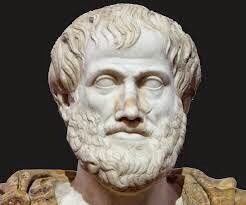
Aristotle was a Greek philosopher and scientist born in the Macedonian city of Stagira, Chalkidice, on the northern periphery of Classical Greece. At eighteen, he joined Plato’s Academy in Athens and remained there until the age of thirty-seven (c. 347 BC). 

His writings cover many subjects – including physics, biology, zoology, metaphysics, logic, ethics, aesthetics, poetry, theater, music, rhetoric, linguistics, politics and government – and constitute the first comprehensive system of Western philosophy. Shortly after Plato died, Aristotle left Athens and, at the request of Philip of Macedon, tutored Alexander the Great starting from 343 BC.
40 Aristotle’s Quotes That Will Make You Think And Can Change Your Life

Teaching Alexander the Great gave Aristotle many opportunities and an abundance of supplies. He established a library in the Lyceum which aided in the production of many of his hundreds of books. 

The fact that Aristotle was a pupil of Plato contributed to his former views of Platonism, but, following Plato’s death, Aristotle immersed himself in empirical studies and shifted from Platonism to empiricism. 

He believed all peoples’ concepts and all of their knowledge was ultimately based on perception. Aristotle’s views on natural sciences represent the groundwork underlying many of his works.

Aristotle’s views on physical science profoundly shaped medieval scholarship. Their influence extended into the Renaissance and were not replaced systematically until the Enlightenment and theories such as classical mechanics. 

Some of Aristotle’s zoological observations, such as on the hectocotyl (reproductive) arm of the octopus, were not confirmed or refuted until the 19th century. His works contain the earliest known formal study of logic, which was incorporated in the late 19th century into modern formal logic.

In metaphysics, Aristotelianism profoundly influenced Judeo-Islamic philosophical and theological thought during the Middle Ages and continues to influence Christian theology, especially the scholastic tradition of the Catholic Church.
These are, in my opinion, some of his most important quotes.

1) “Knowing yourself is the beginning of all wisdom.”

2) “It is the mark of an educated mind to be able to entertain a thought without accepting it.” (Metaphysics)
3) “No great mind has ever existed without a touch of madness.”
4) “Educating the mind without educating the heart is no education at all.”                    5) “Excellence is never an accident. It is always the result of high intention, sincere effort, and intelligent execution; it represents the wise choice of many alternatives – choice, not chance, determines your destiny.”

6) “To avoid criticism say nothing, do nothing, be nothing.”
7) “It is not enough to win a war; it is more important to organize the peace.”
8) “Pleasure in the job puts perfection in the work.”
9) “I have gained this by philosophy … I do without being ordered what some are constrained to do by their fear of the law.”
10) “To write well, express yourself like the common people, but think like a wise man.”
11) “What is a friend? A single soul dwelling in two bodies.”
12) “Hope is a waking dream.”
13) “Happiness depends upon ourselves.”
14) “Happiness is the meaning and the purpose of life, the whole aim and end of human existence.”
15) “Anybody can become angry — that is easy, but to be angry with the right person and to the right degree and at the right time and for the right purpose, and in the right way — that is not within everybody’s power and is not easy.” 
16) “A friend to all is a friend to none.”
17) “Those who educate children well are more to be honored than they who produce them; for these only gave them life, those the art of living well.”
18) “The educated differ from the uneducated as much as the living differ from the dead.”
19) “He who has overcome his fears will truly be free.”
20) “Those who know, do. Those that understand, teach.”
21) “I count him braver who overcomes his desires than him who conquers his enemies, for the hardest victory is over self.”
22) “The antidote for fifty enemies is one friend.”
23) “Poverty is the parent of revolution and crime.”
24) “The high-minded man must care more for the truth than for what people think.”
25) “All human actions have one or more of these seven causes: chance, nature, compulsion, habit, reason, passion, and desire.” (Selected Works)
26) “For the things we have to learn before we can do them, we learn by doing them.” (The Nicomachean Ethics)
27) “It is during our darkest moments that we must focus to see the light.”
28) “The energy of the mind is the essence of life.” (The Philosophy of Aristotle)
29) “It is not always the same thing to be a good man and a good citizen.” (Politics)
30) “He who cannot be a good follower cannot be a good leader.”
31) “Man is by nature a social animal; an individual who is unsocial naturally and not accidentally is either beneath our notice or more than human. Society is something that precedes the individual. Anyone who either cannot lead the common life or is so self-sufficient as not to need to, and therefore does not partake of society, is either a beast or a god.” (Politics)
32) “All men by nature desire knowledge.” (On Man in the Universe)
33) “The more you know, the more you know you don’t know.”
34) “All persons ought to endeavor to follow what is right, and not what is established.”
35) “Nature does nothing uselessly.” (Politics)
36) “In all things of nature there is something of the marvelous.”
37) “Wise men speak when they have something to say, fools speak because they have to say something”
38) “The only stable state is the one in which all men are equal before the law.”
39) “The roots of education are bitter, but the fruit is sweet.”
40) “One swallow does not make a summer, neither does one fine day;  similarly one day or brief time of happiness does not make a person entirely happy.” (The Nicomachean Ethics)

17 Of Plato’s Most Famous Quotes That Can Help Us Improve Our Lives

Plato was a philosopher, as well as mathematician, in Classical Greece. He is considered an essential figure in the development of philosophy, especially the Western tradition, and he founded the Academy in Athens, the first institution of higher learning in the Western world. Along with Socrates and his most famous student, Aristotle, Plato laid the foundations of Western philosophy and science.

Plato’s dialogues have been used to teach a range of subjects, including philosophy, logic, ethics, rhetoric, religion and mathematics. His lasting themes include Platonic love, the theory of forms, the five regimes, innate knowledge, among others. His theory of forms launched a unique perspective on abstract objects, and led to a school of thought called Platonism.

I think it will be really useful for all of us to learn more about Platonism, because it includes theories that can help us rethink our social life and improve ourselves. Let’s see some of Plato’s famous quotes….

about wisdom

1) “Wise men speak because they have something to say; fools because they have to say something.” 
2) “Do not train a child to learn by force or harshness; but direct them to it by what amuses their minds, so that you may be better able to discover with accuracy the peculiar bent of the genius of each.”
3) “The soul takes nothing with her to the next world but her education and her culture. At the beginning of the journey to the next world, one’s education and culture can either provide the greatest assistance, or else act as the greatest burden, to the person who has just died.”
4) “An empty vessel makes the loudest sound, so they that have the least wit are the greatest babblers.”
…about love

5) “Love is a serious mental disease.” (Phaedrus)
…about people and their behavior

6) “Never discourage anyone…who continually makes progress, no matter how slow.”
7) “Human behavior flows from three main sources: desire, emotion, and knowledge.”
8) “There are two things a person should never be angry at, what they can help, and what they cannot.”
9) “There are three classes of men; lovers of wisdom, lovers of honor, and lovers of gain.”
10) “People are like dirt. They can either nourish you and help you grow as a person or they can stunt your growth and make you wilt and die.”
11) “The greatest wealth is to live content with little.”
12) “Beauty lies in the eyes of the beholder”
…about politics, laws and war

13) “Good people do not need laws to tell them to act responsibly, while bad people will find a way around the laws”
14) “We can easily forgive a child who is afraid of the dark; the real tragedy of life is when men are afraid of the light.”
15) “A hero is born among a hundred, a wise man is found among a thousand, but an accomplished one might not be found even among a hundred thousand men. ”
16) “Only the dead have seen the end of war.”
17) “One of the penalties of refusing to participate in politics is that you end up being governed by your inferiors.”