George Michael bans TV interview in which he admits HIV fears

Source: dailymail.co.uk

George Michael has forced the BBC to pull the plug on an interview he gave in which he reveals he is too scared to have an AIDs test.

The star made the admission to Stephen Fry for a new two part documentary shown on BBC2 next month.

In the programme, the former Wham singer is understood to have revealed he had not had a test to see if he is HIV positive for years because he is scared of what result would come back.

Mr Michael, 44, whose former partner Anselmo Feleppa died of an Aids related illness in 1995, is said to have told the BBC the subject was too personal and emotional to be broadcast.

It is understood that Fry and Michael clashed over the singer’s stance over whether to be tested or not during the interview, which was recorded earlier this year.

In June, Fry’s producer, Ross Wilson, revealed: “George says he does not believe in tests .

“He says he finds the wait for results to harrowing and that he hasn’t had a test since at least 2004 due to his fears it might be positive.”

But yesterday the BBC issued a short statement saying: “George Michael isn’t in the documentary, because on reflection, this was too personal a journey for George to revisit”.

There is also speculation that Michael may have been unhappy over the way BBC programming chiefs used his discomfort to promote the programme, which also sees Fry himself take an HIV test, which is provides a negative result.

The singer has talked frankly about the issue and his feelings about the death of former boyfriend Anselmo Feleppa, who died from the disease in 1985.

A spokesman for the star confirmed that he had asked for his contribution to be removed and claimed it had also been too personal a subject for Anselmo’s family to revisit as well.

He said: “On reflection, he felt it was too close and too personal a journey.”

The spokesman added: “It was too personal for Anselmo’s family to revisit.”

The documentary series called Stephen Fry: HIV and Me, which airs in the first week of October, follows on from his acclaimed programme The Secret Life of the Manic depressive, where he revealed his personal struggle with mental illness.

It has already been an eventful year for Michael after he became the first singer to perform at the new Wembley Stadium in June, almost seven years after the last concert at the venue.

But just a day before the gig, he was sentenced to 100 hours of community service and given a driving ban for two years after pleading guilty to driving while unfit.

He said he had been ashamed of risking other people’s lives as he drove his Mercedes erratically in North London in October last year.

Police found the car stopped at traffic lights with Michael slumped at the wheel, drooling and sweating.

Blood tests showed a cocktail of drugs in cluding anti-depressant, sleeping pill, cannabis and the illegal dance club drug GHB.

Michael was previously forced to complete 80 hours of community service in 1998 in the US for “lewd conduct” in an LA park.

Pop star GEORGE MICHAEL has returned to Twitter.com after a year-long absence and vowed to put the troubles of 2013 behind him.

The singer logged off the social networking website last January (13), and went on to endure a nightmare year which reportedly included a two-month stint at a clinic to treat anxiety issues, and a horrific freak accident in which he fell out of a car on a motorway in May (13).

He was subsequently rumoured to be retiring from music before announcing a surprise comeback this month (Jan14).

Michael has now returned to Twitter.com for the first time in 12 months, and asked fans to forgive him for the problems he suffered last year (13).

He writes, “Hello my lovelies!!! A belated happy new year to you all!… Firstly, I can only apologise from the bottom of my heart for worrying you for so long with my silence… Suffice to say that 2013 was a year that I am glad to put behind me and that I hope you can forgive me for… Symphonica the (new) album is ready to go, and I hope it rekindles memories of the nights we spent together over the last few years.”

”I’m averaging six hours of broken sleep a night”: Peter Andre opens up about becoming a dad again

Source: mirror.co.uk

The Mysterious Girl singer has gone back to work after girlfriend Emily gave birth a fortnight ago

Pete and Emily have welcomed a baby girl Pete and Emily have welcomed a baby girl

Peter Andre and his girlfriend, Emily, welcomed a baby girl earlier this month.

And the Mysterious Girl singer has already gone back to work!

Writing in his New! column, Pete said: “Originally, my plan was to work all of January and have February off, but now the baby’s here I want to space out my days off so I’ve got more time at home.”

He added: “As you might expect, I’m not getting much sleep at the moment, but oddly, I’m not knackered.

They’ve named her Bista’s sister for now

“I’m just so excited. At the moment, I’m averaging six hours of broken sleep a night. And for me, that’s not a lot.”

And although the couple haven’t revealed their baba’s name, floppy-haired Pete says they have given their girl a nickname.

“We’re getting there but for now, it’ll stay “Bista’s sister”.

We like it.


NSW Liberal Party President Arthur Sinodinos described Mr Robb as “the Party’s Barrister”

Source: TheDailyTelegraph

NSW Attorney-General Greg Smith forced to defend more jobs for the boys charges over Supreme Court judge, State Parole Authority appointment

Wyong mayor Doug Eaton has been appointed as a community representative on the State Parole Authority.

Wyong mayor Doug Eaton has been appointed as a community representative on the State Parole Authority. Source: News Limited

ATTORNEY-GENERAL Greg Smith faces more “jobs for the boys” accusations after appointing a former barrister for the Liberal Party as a Supreme Court Judge and a former Liberal mayor as a member of the Parole Authority.

The Daily Telegraph revealed this week that Mr Smith had appointed his friend and local Liberal Party branch president Michael O’Brien to a $288,000 a year job as a magistrate.

The Premier defended that appointment, saying proper cabinet processes were followed.

It has now emerged that last June Mr Smith appointed barrister Stephen Robb QC, who acted for the Liberal Party in a recent internal dispute, as a Supreme Court judge.
In an official message published in State Legislative Council President Don Harwin’s newsletter in 2012, then NSW Liberal Party President Arthur Sinodinos described Mr Robb as “the Party’s Barrister”.

Mr Sinodinos also said Mr Robb had provided legal advice to the Liberal Party concerning a dispute the party’s state executive was having with party figures on the Central Coast.

This issue turned into a brawl which ended up in the Supreme Court, with Mr Robb defending the NSW Liberal Party, Premier Barry O’Farrell, Mr Sinodinos and then state party director Mark Neeham as joint co-defendants.

Mr Smith has also appointed the mayor of Wyong, former federal Liberal candidate Doug Eaton, to the board of the State Parole Authority.

A spokeswoman for the Attorney-General said: “Appointments are made by cabinet based on merit.

“Justice Robb is an eminent QC with more than 35 years of experience as a barrister.

“Doug Eaton is a lawyer, businessman and community leader. He was appointed as a community member at the State Parole Authority. These members have an important role on the authority, ensuring the participation of the community in the process.

“The Attorney was not lobbied for the appointment.”

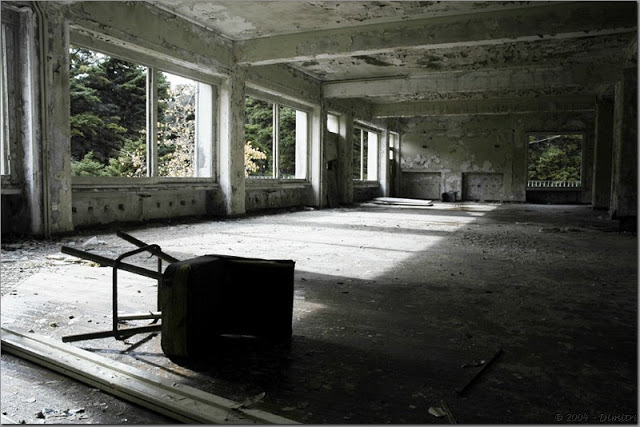
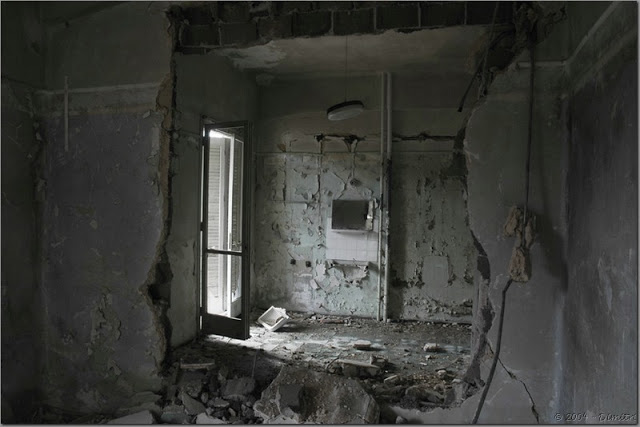
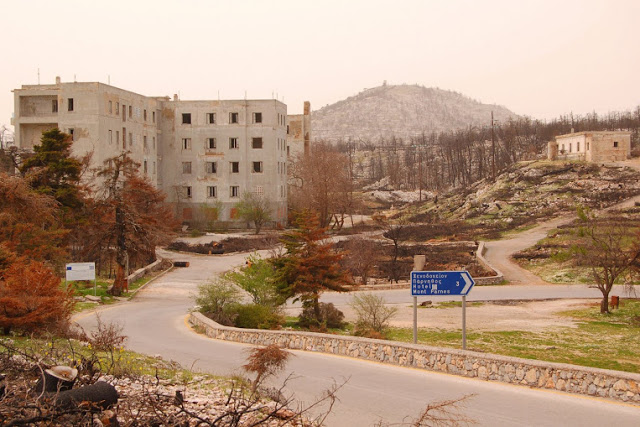
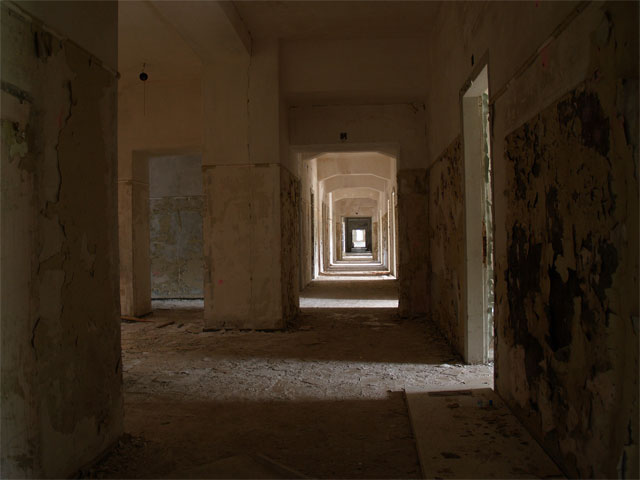
The Greek Haunted Building on Mount Parnitha

Source:

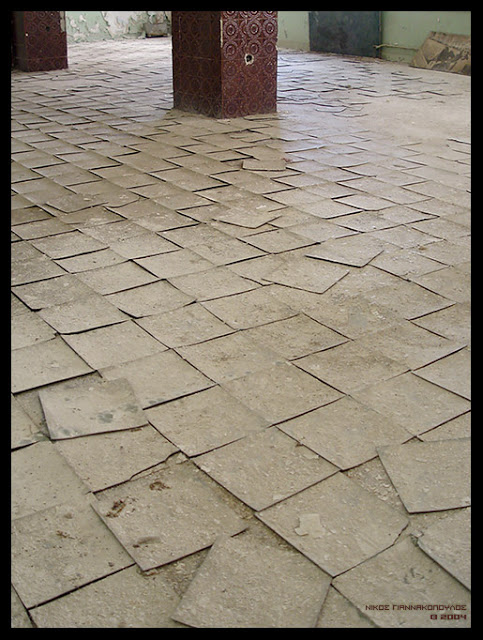
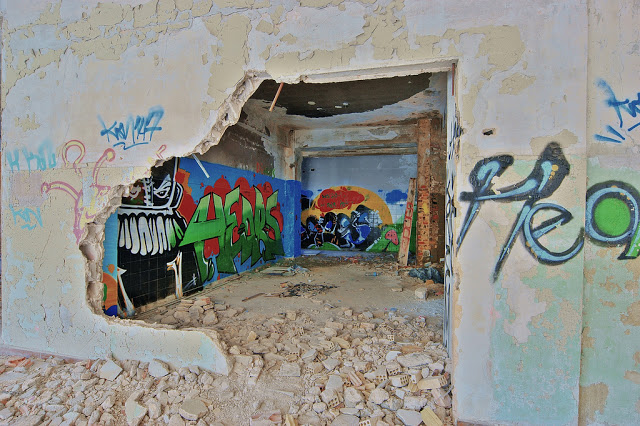
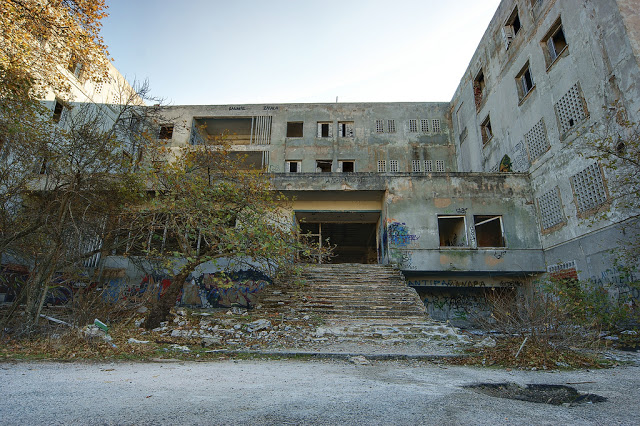
A deserted hotel on Parnitha mountain

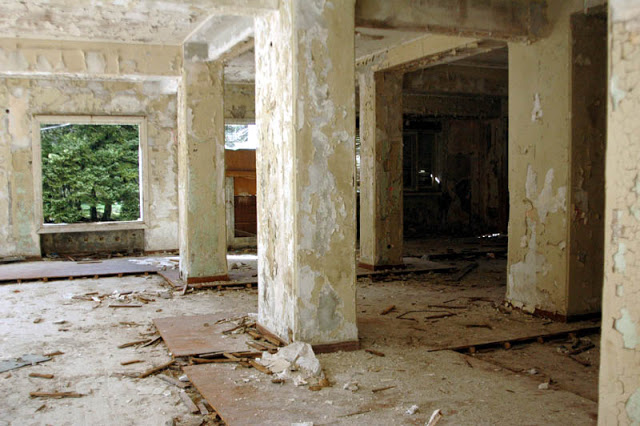
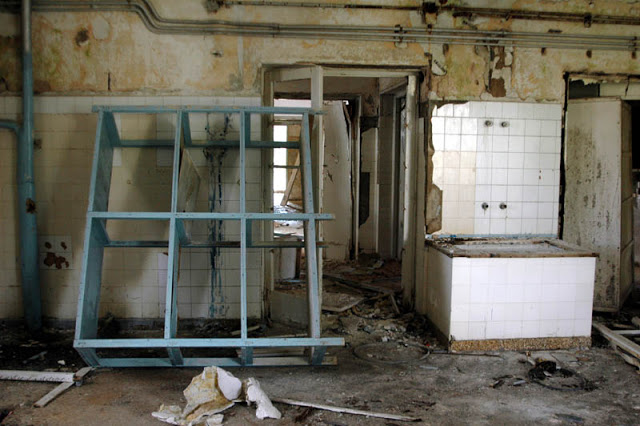
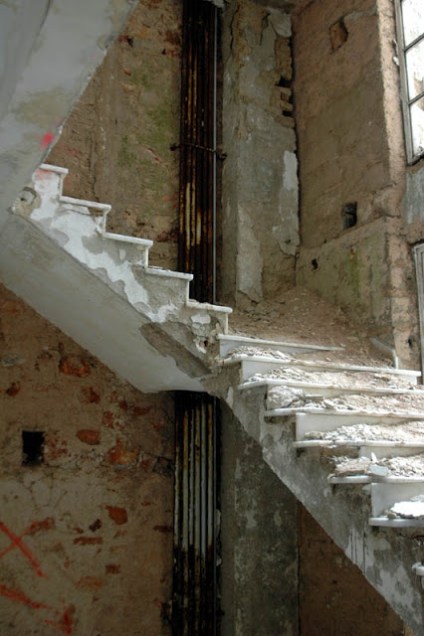
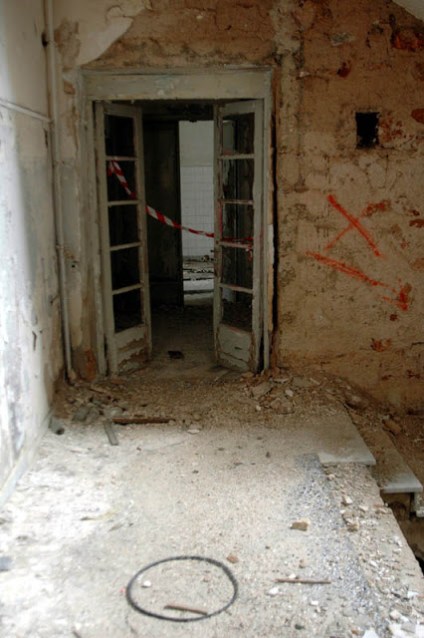
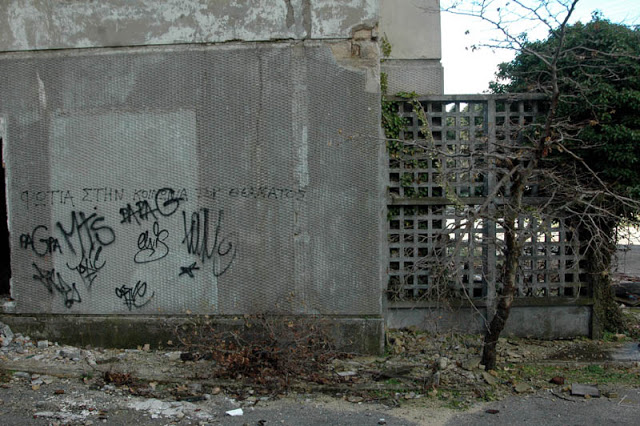
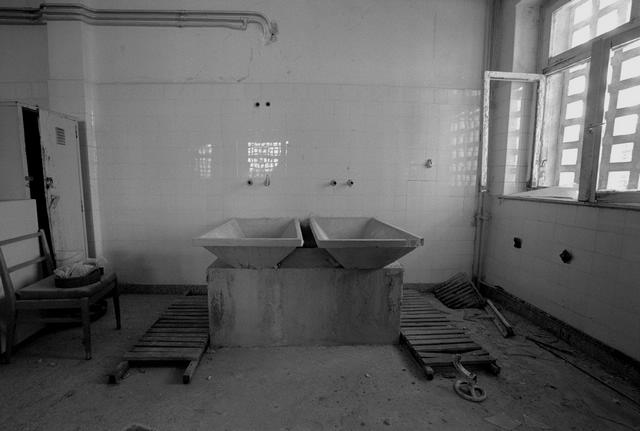
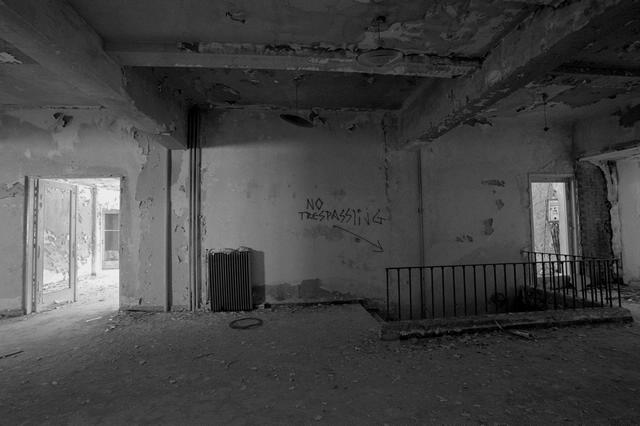
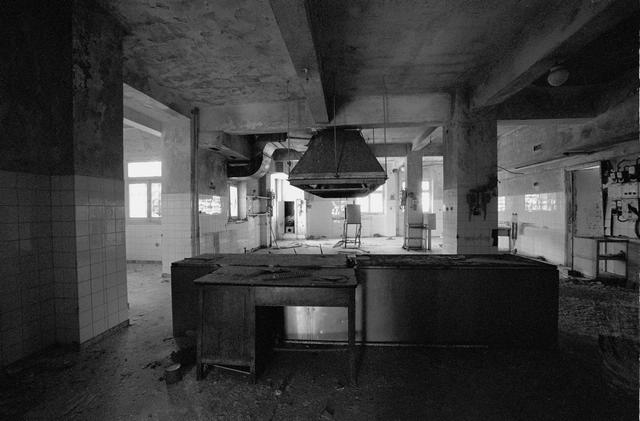
If there is one building in Greece that keeps attracting the attention of paranormal enthusiasts and urban explorers, that is the abandoned Xenia hotel, over mount Parnitha.

Xenia was built in 1912 as a sanatorium for tuberculosis patients. Its location, 30 km away from the city of Athens, inside a forested area was ideal for the sufferers of the disease. In the following decades though, with the use of penicillin and other antibiotics to cure TB, there were fewer patients and the sanatorium shut down in 1960.

Greek National Tourism Organisation bought the building next,  and operated it as a member of the -now defunct- Xenia state-run hotel chain. The hotel, with a capacity of 200 beds, couldn’t withstand competition from the nearby Mont Parnes hotel and casino and eventually shut down a few years later. It continued to operate though as a School of Tourism Professions from 1967 to 1984.
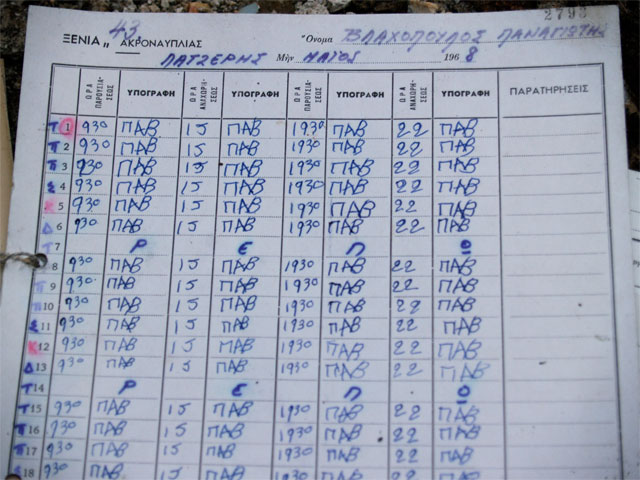
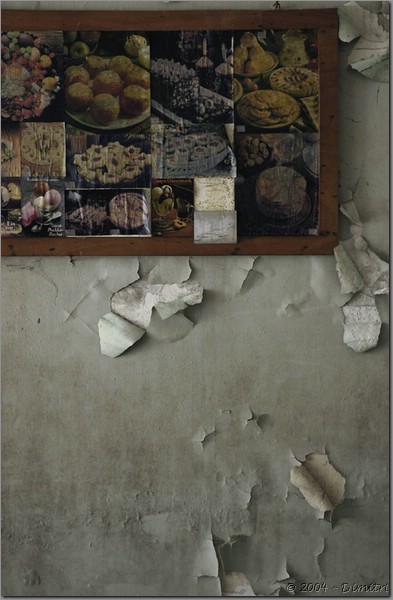
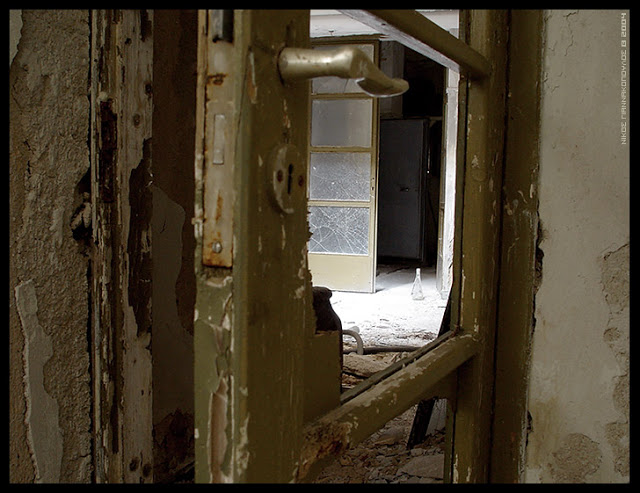
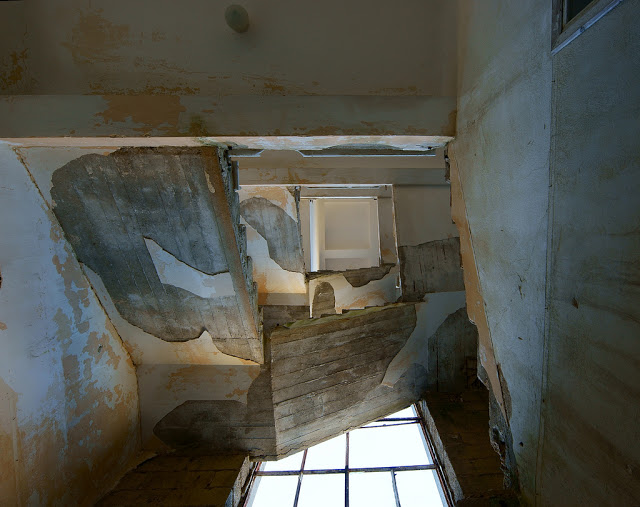
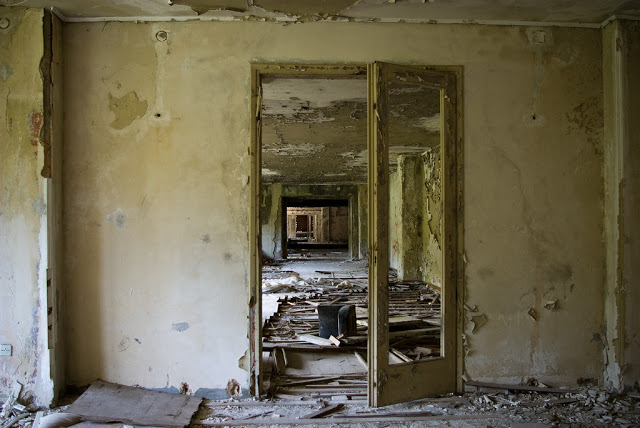
Then, the building was left abandoned and over the years has been heavily vandalised. Due to its remote, isolated location it has become the center of attention for urban explorers and paranormal phenomena researchers.More deserted places in Greece


Photo sources: 1, 16-21: athpap/dpgr.gr 2: Leonidas Tsementzis/flickr.com, 3: xpolis.blogspot.gr, 4-11: William Tell/dpgr.gr, 12: pisostapalia.blogspot.gr,13-15 nikoskantarakias/dpgr.gr, 22-23 gepall/dpgr.gr, 24-31 dimitri-varias.com, 32-34, jonick33/dpgr.gr, 35-37 TASOSK/dpgr.gr, 38-40 zip3gr/flickr.com, 41-42 Soupemeister/flickr.com, 43-44 georgefocus/dpgr.gr, 45-47 anyparctos/flickr.com, 48-50 Melissa/dpgr.gr, 51 Pantelis Evgenidis

Two dead, 10 missing during alleged push-back operation off Greek island

A top European human rights official has criticised Greece following a deadly boat accident.

A fishing boat crammed with migrants capsized near Farmakonisi, a tiny Greek island in the Aegean Sea near Turkey.

The boat was being towed by a coast guard vessel. The bodies of a woman and an 11-year-old boy were found. A further 10 people were missing, among them infants and children.

The UN Refugee Agency (UNHCR) issued a statement saying it is “dismayed” to have learned of the tragedy.

The survivors, now on the island of Leros, told UNHCR they were being towed in the direction of Turkey at the time of the accident.

The European Council on Refugees and Exiles (ECRE) has reported that refugees attempting to cross the EU’s external borders with Turkey are systematically pushed back from Greek territorial waters, the Greek islands and from the land border.

Another NGO, Pro Asyl, issued a report last November specifically outlining violations that had occurred in the proximity of Farmakonisi.

“It is highly likely that this action by the Greek coast guard was an illegal push-back operation rather than a rescue at sea,” said Karl Kopp, Director of European Affairs with Pro Asyl.

The UN has called for an inquiry. “UNHCR is urging the authorities to investigate this incident and how lives were lost on a boat that was under tow,” said Laurens Jolles, UNHCR’s Southern Europe Regional Representative.
“In addition survivors need to be quickly moved to the mainland so that their needs can be better looked after,” Jolles added.

The incident is the first of its kind in 2014, and the latest in a string of recent boat disasters in the Mediterranean involving people fleeing by sea towards Europe.

More than 360 people died on October 3, 2013 in a capsizing off of Italy’s Lampedusa. Several other deadly incidents were reported over the following weeks.

Greece has become a main point of entry for unauthorised migrants heading toward Europe.

Copyright © 2014 euronews

Inquiry calls after migrants die under tow in Greece

Source: bbc.co.uk

A Greek coast guard vessel (file image)

The Greek coastguard said it had tried to save the migrants

The UN has called for an inquiry after a boat carrying migrants capsized while being towed by a Greek coastguard vessel, leaving up to twelve dead.

Two bodies were found but a further 10 people were missing after the incident near the island of Farmakonisi on Monday. Sixteen people were rescued.

The coastguard says it judged it safer to keep migrants on their own boat than to take them aboard in bad weather.

Greek officials say panicking migrants caused the boat to capsize themselves.

According to reports, two migrants fell or dived overboard and others rushed to one side of the boat to rescue them, causing the boat to tip.

The deaths of a woman and a child have been confirmed.

One non-government organisation, Pro Asyl, accused the Greek authorities of trying illegally to prevent the migrants, believed to be 26 Afghans and two Syrians, landing in Greece.

“It is highly likely that this action by the Greek coastguard was an illegal push-back operation rather than a rescue at sea,” said Karl Kopp, the NGO’s director of European affairs.

Another NGO, Ecre, said: “Survivors tell that they were crying out for help, given that a large number of children and babies were on board.”

Greece is one of the main destinations for clandestine migrants and refugees seeking to enter the EU, through its land or sea borders.

Correspondents say there has been a sharp increase in sea-borne refugee traffic over the past year because of stricter controls on the Greek-Turkish land border to the north and the ongoing war in Syria.

‘More bodies’

In a statement on Tuesday, the UN refugee agency (UNHCR) said it was “dismayed” at the events off Farmakonisi.

It quoted survivors on the island of Leros as saying the Greek coastguard had tried to tow the boat towards the Turkish coast at high speed when it capsized.

“UNHCR is urging the authorities to investigate this incident and how lives were lost on a boat that was under tow,” said Laurens Jolles, its southern Europe regional representative.

“In addition survivors need to be quickly moved to the mainland so that their needs can be better looked after.”

Responding to the UN on Wednesday, the Greek coastguard insisted it had been trying to tow the boat, which had broken down, to Farmakonisi – and not to Turkey – after receiving a distress signal.

It put out a fire on the stricken boat and rescued 16 people from the water, it said.

Following the disaster, a Greek helicopter searched the area, which is near the Turkish coast, for survivors.

According to a report in Greek newspaper Kathimerini, two more bodies have been found by the Turkish authorities – those of an 11-year-old child and a 38-year-old woman.

There have been persistent reports of Greek officials forcing migrants back into Turkish waters.

Pro Asyl and Ecre called for an “independent and effective investigation of the circumstances that caused such loss of life”.

“The NGOs reiterate that push-backs are illegal, endanger people’s lives and have to end immediately,” they said in a press release.

Australia’s junior tennis ranks a cultural melting pot including Greeks

Source: SMH

Naiktha Bains is another promising youngster.Naiktha Bains is another promising youngster. Photo: Angela Wylie

Australian tennis has something cricket would dearly love, an asset that was sprinkled through the outside courts on Sunday as if the host nation’s representation in the junior tournament had been engineered by the United Colours of Benetton. Behind Nick Kyrgios and Thanasi Kokkinakis a multicultural melting pot is on the rise.

Olivia Tjandramulia was born in Jakarta, moved with her family to Queensland when she was eight, yet has never felt like an outsider. ”We’re from all over the world, which is really exciting, you’re not the only one that’s from somewhere else,” she says of her peers in the elite junior ranks.

Brian Tran, Priscilla Hon, Omar Jasika, Akira Santillan, Seone Mendez, Linda Huang, Andrea Dikosavljevic, Marc Polmans. Plotting their heritage is a virtual trip around the globe, through Asia, eastern Europe, South Africa, South America. And back to New Zealand and Destanee Aiava, a 13-year-old with Maori parents who validated her special exemption into the girl’s singles draw with a first-round win on Saturday.

Face of the future: Olivia Tjandramulia plays a forehand in her first-round junior girls' match against Nozomi Ohya of Japan on Sunday.Face of the future: Olivia Tjandramulia plays a forehand in her first-round junior girls’ match against Nozomi Ohya of Japan on Sunday. Photo: Getty Images

When Scott Draper was an up-and-comer, and later a Davis Cup player, he was surrounded by names as Anglo as his own: Woodbridge and Woodforde, Stolle, Arthurs, Rafter, Hewitt, Fromberg. Mark Philippoussis and Andrew Ilie stood out.

Now the developmental manager for Tennis Australia, Draper envisages a time in the not-too-distant future when the wheel will have turned full circle and the names of old Australia will be in the minority.

”One hundred per cent,” he says. ”Of all the kids coming through who have ability, most aren’t from Anglo backgrounds.”

Omar Jasika in his first-round junior boys' match against Wei Qiang Zheng of China on Sunday.Omar Jasika in his first-round junior boys’ match against Wei Qiang Zheng of China on Sunday. Photo: Getty Images

Oliver Anderson is an exception and the 15-year-old Queenslander reflects on the phenomenon in that refreshing manner of the young, who either don’t notice difference or don’t give it a second thought.

”A lot of the best players in Australia are from ethnic backgrounds, [we’ve got)] a lot of young Asian players, they’re always very skilful,” Anderson said after his first-round win on Sunday. ”[But] I’ve never really thought about it, tennis is a huge sport I guess.”

Draper agrees, adding that it’s also a world sport and one that appeals to migrant parents who hail from countries that care little for the traditional Australian sporting obsessions of football, netball and swimming. Often, their old life is not as affluent as their new one could be. ”That’s why these players are so damn hungry, they want to make a living out of the game and their lot in life and tennis is a good vehicle for that,” Draper says.

Talent: Brian Tran.Talent: Brian Tran. Photo: Angela Wylie

He sees the change as a mirror of the nation, where the sketch of the ”typical Australian” is not what it was. Draper is certain Tennis Australia knows full well the strength such diversity brings and it is something they impress upon their young charges. ”We try to foster the concept of having great respect – it’s one of our values we talk about, respecting difference. We all come from different parts of the planet, [so] respect what that place is and that person, what they bring to the table.”

The same code applies to staff, who Draper thinks can do more to understand the different cultures that underpin the lives of the young people they nurture. ”When it comes to educating athletes and parents, sure it’s OK to say, ‘These are our expectations, this is what we’re after’, but we need to spend more time understanding their background, what that means … We probably haven’t done enough in that area.”

In the Open’s first week, inspiration was readily at hand. Thanasi Kokkinakis nods in agreement at how Australian tennis has benefited from its exotic mix; he looks to his parents from Greece, his mate Nick Kyrgios’ Greek father and Malaysian mother, and sees a bright future for his sport.

”It’s a good question, I’m not too sure,” Kokkinakis says of why Australian tennis is anything but a white-bread pursuit. ”A lot of genetics are involved in tennis, that helps a lot. A lot of Europeans come here because they love the lifestyle as well, a lot from the Asia Pacific countries, too.

”They love the tennis here and it’s just great for the sport.”

Just as the ”Special Ks” have been great for the juniors who hope to follow in their footsteps very soon.

”They’re really inspiring me to step up the level a bit more,” Tjandramulia said after her gutsy three-set girls’ juniors win on Sunday.

Anderson spoke for all of the next wave, no matter how near or far their family tree stretches. ”They’ve been doing unbelievably,” he said of Kyrgios and Kokkinakis. ”I’ve been seeing them in the locker rooms and around the place, they’ve been having so much fun. I’d love to do that in a year or two.”

General Mills, late to the Greek yogurt craze, now making a big push

Source: buffalonews.com

General Mills is launching a new marketing offensive for its Yoplait Greek yogurt, pitting it in a taste test against rival Chobani.

General Mills is launching a new marketing offensive for its Yoplait Greek yogurt, pitting it in a taste test against rival Chobani. Bloomberg

General Mills Inc. will launch a new marketing offensive this week for its Yoplait Greek yogurt, an attempt to take back precious market share lost in the past few years.

It will be a tough slog. Golden Valley-based General Mills was late to the Greek party, while its rivals – notably Chobani – turned a niche product into the yogurt category’s dynamo. And Chobani is on an offensive of its own.

General Mills made progress over the past year by reformulating its standard Greek yogurt and finding success with a new lower-calorie product called Yoplait Greek 100. Still, General Mills, one of the world’s yogurt giants, has only a high single-digit share of the U.S. Greek yogurt market.

Yoplait is engaging Chobani head-on in a TV ad blitz, rolling out the time-honored taste test.

In a national “Taste-Off,” as General Mills calls it, consumers sampled two Greek yogurts, without being told which was which. One was Yoplait’s blueberry, which mixes fruit into the yogurt. The other was Chobani’s blueberry, which features fruit on the bottom.

“We are so committed to making a Greek yogurt that tastes great,” said Carla Vernón, Yoplait’s marketing director. “We feel the commercial is an opportunity for people to taste it for themselves – tasting is believing.”

The Taste-Off marketing campaign is also running via Twitter, Facebook and Instagram, with General Mills asking consumers to do their own taste tests between Chobani and Yoplait.

Not surprisingly, Yoplait wins the TV taste test. But General Mills has good reason to highlight taste. Its initial Greek yogurt product was not only a latecomer, but was seen by some consumers as an inferior product. The first Yoplait Greek wasn’t made through the “straining” production method common to Greek-style yogurts.

But late last summer, Yoplait released a new strained Greek yogurt, complete with a packaging makeover and a new marketing campaign.

The reconstituted Greek product came on the heels of Yoplait Greek 100, a yogurt with 100 calories, 30 to 40 calories less than a conventional Greek yogurt. Yoplait Greek 100 did $150 million in sales during its first full year, the biggest-selling new Yoplait product in at least 20 years. It provided a spark to General Mills’ entire Greek yogurt business.

“Yoplait Greek is performing well with sales up 75 percent [in General Mills’ current fiscal year],” Credit Suisse stock analyst Rob Moskow wrote in a research report this month. “But it is still a relatively small portion of the company’s yogurt portfolio, and we question whether it has the authenticity to compete with brands like Chobani in the longer term.”

General Mills still has a huge chunk of the overall U.S. yogurt business, but the Greek category has grown at the expense of its conventional Yoplait products. The result: “The company is now suffering its fifth year of (overall) market share erosion,” wrote Goldman Sachs stock analyst Jason English in a research report last month.

General Mills’ success with Yoplait Greek 100 is now getting a stiff challenge from Chobani, which last month released its own 100-calorie Greek yogurt. “We believe the recent launch by Chobani of its Simply 100 line puts (General Mills’) most popular Greek yogurt product in the cross hairs for competition,” English wrote.

Chobani is also upping its heretofore rather minimalist marketing efforts, including running an advertisement during next month’s Super Bowl.

Greek Unpaid Electricity Bills Grow By €4 Million Per Day

Source: infowars.com

Judging by the collapsing Greek yields, which at this rate may drop below US bonds soon enough, the Greek economy has never been stronger.

After years of recession, Greeks cannot even afford electricity. Credit: russavia via Wiki

After years of recession, Greeks cannot even afford electricity. Credit: russavia via Wiki

Sadly, manipulated bond levels driven by yet another bout of pre-QE euphoria (suddenly the conventional wisdom is that the ECB will conduct QE in a few months as first explained here in November) no longer reflect anything besides a massive liquidity glut and momentum chasing lemmings. Alas, as usual the reality on the European ground is much worse. The latest example comes from the Greek Public Power Corporation which has reported that Greek households and corporations are finding it increasingly difficult to pay their electricity bills. In total, debts to the power utility from unpaid bills currently amount to some €1.3 billion and growing at an average rate of €4 million per day. Also known as the Grecovery.

Not surprisingly, it is the poorest households who have the bulk of the debt. Remember: “the rich hold assets, the poor have debt.”

Kathimerini reports more:

The lion’s share of that debt is owed by low- and medium-voltage consumers – households and very small enterprises. The total arrears of these categories amount to an estimated 600 million euros, of which some 65 percent concerns households. The debts of the broader public sector amount to 190 million euros. The arrears of corporations connected to the medium-voltage network total some 130 million euros, while mining company Larco alone has run up debts of more than 135 million euros.

So since such a substantial portion of low-income society, and in Greece that by definition means society period, is unable to even afford their electricity, the Greek state’s solution is perfectly anticipated for a country which is insolvent due to too much debt but can’t declare bankruptcy because it is ruled by a few not so good bankers: convert one’s basic social amenity into a liability, and pay it off over time. i.e., a debt.

In an effort to make it easier for households to repay what they owe and to boost the cash inflow into its coffers, PPC introduced a flexible and extensive payment plan scheme last year that over 700,000 consumers have joined. The scheme has proven so popular that the utility has given its customers the option of securing a payment plan via telephone in order to reduce long queues at its offices, as staff had been unable to handle the volume of applications.

PPC customers can now complete the process over the phone, by calling 11770 and applying to pay 12 monthly installments along with a down payment of between 20 and 50 percent. The category of socially sensitive consumers (the unemployed, those with low incomes etc) can pay their dues in up to 40 installments. Consumers only have to go to PPC offices to pay their installments.

In other words, for the low low price of €49.99, payable in 40 installments, you too can have electricity!

Which perhaps explains why the vast majority of households who had their electricity cut off opted not to fall even more in debt, but to take the short cut.

An estimated 7,500 households who had their supply cut off have now been reconnected thanks to a government decision to secure power for the country’s poorest households. There are, however, another 35,000 households, according to official figures, that have illegally reconnected their electricity supply, which is very dangerous.

Since Greece is now nothing more than a placeholder figurehead designed to preserve the stability of Deutsche Bank, the German export miracle, and the myth that all insolvent peripheral European banks are viable, who can blame them.

Greek extremist Christodoulos Xiros threatens government

Source: BBC.co.uk

Screen grab of Christodoulos Xiros making an internet statement

Xiros appears in his video in front of images of Che Guevara, two heroes of Greece’s revolutionary war against Turkey and a Greek civil war Communist guerrilla leader

A Greek fugitive who disappeared while on prison leave has threatened the government with armed action, accusing it of ruining the country with austerity measures.

Christodoulos Xiros, who was convicted in 2003 of belonging to the far-left November 17 organisation, has vowed to return to arms.

He was serving six life sentences for bombings and shootings.

He vanished in January while on leave from prison to visit his family.

In a video posted on the internet, Xiros said: “I’ve decided to fire the guerrilla shotgun against those who stole our lives and sold our dreams for profit.”

He criticises the media, the judiciary, the police and the extreme right-wing Golden Dawn party, and invites Greece’s security forces to join with him.

He also condemns the two parties in Greece’s governing coalition, the conservative New Democracy and the socialist Pasok, accusing them of treason and stating that the “price of their treason is death”.

November 17 emerged in the mid-1970s and claimed responsibility for a series of deadly attacks against foreign diplomats and Greek politicians and businessmen over nearly three decades, killing at least 23 people.

The group was named after a student uprising against Greece’s US-backed military junta in 1973, and mixed Marxist ideology with nationalism.